wayground logo

Free Printable Worksheets

Font size

S
M
L
XL
Worksheets

Human Anatomy Test Review--Honors Bio

Total questions: 53

Worksheet time: 2hrs 33mins

Name
Class
Date
1.

Which organ of the digestive system produces bile?

a)

gallbladder

b)

common bile duct

c)

liver

d)

pancreas

2.
What is the function of the small intestine?
a)
absorption of nutrients
b)
mechanically & chemically breakdown food
c)
absorption of water
d)
production of enzymes for digestive purposes
3.
Why doesn't the stomach digest itself?
a)
because it has villi
b)
because it has rugae
c)
because it produces pepsin
d)
because of the mucous membrane
4.
What is the term for the muscular contractions which move food through the esophagus and other digestive organs?
a)
paralysis
b)
peristalsis
c)
rugae
d)
absorption
5.

What prevents food from entering the trachea (windpipe) when swallowing?

a)

epiglottis

b)

esophagus

c)

uvula

d)

pharynx

6.
Which organ is responsible for the absorption of water?
a)
small intestine
b)
large intestine
c)
rectum
d)
liver
7.
Which organ contains the duodenum, jejunum, and ileum?
a)
stomach
b)
small intestine
c)
large intestine
d)
pharynx
8.
Which segment is the last segment of the large intestine?
a)
ascending colon
b)
descending colon
c)
sigmoid colon
d)
transverse colon
9.
Which of the following is the first segment of the small intestine?
a)
duodenum
b)
ileum
c)
jejunum
d)
pyloris
10.

What circular muscle does the bolus pass through from the esophagus leading into the stomach?

a)

villi

b)

pyloric sphincter

c)

rugae

d)

cardiac sphincter

11.
What increases the surface area of the small intestine?
a)
rugae
b)
villi
c)
uvula
d)
ileum
12.
Where does solid waste exit the body?
a)
anus
b)
rectum
c)
pyloric sphincter
13.
What is the open area in the back of the throat which separates the mouth from the esophagus?
a)
larynx
b)
oral cavity
c)
pharynx
d)
soft palate
14.

Which organ produces several enzymes essential for digestion as well as a fluid which serves to neutralize stomach acid?

a)

stomach

b)

liver

c)

small intestine

d)

pancreas

15.
Within which organ is bile stored?
a)
common bile duct
b)
liver
c)
gallbladder
d)
duodenum
16.
Where is the first site of chemical digestion in humans?
a)
mouth
b)
esophagus
c)
small intestine 
d)
stomach
17.
Where is hydrochloric acid produced in the body?
a)
stomach
b)
spleen
c)
liver
d)
pancreas
18.
What is another term for the "swallowing tube"?
a)
trachea
b)
esophagus
c)
epiglottis
d)
duodenum
19.
What connects the pancreas, liver, gallbladder, and small intestine?
a)
duodenum
b)
ascending colon
c)
appendix
d)
common bile duct
20.

What is located between the stomach and the small intestine?

a)

gallbladder

b)

pyloric sphincter

c)

cardiac sphincter

d)

esophageal sphincter

21.
Where is pepsin produced?
a)
salivary glands
b)
small intestine
c)
pancreas
d)
stomach
22.
If the large intestine doesn't absorb enough water from waste, what condition may result?
a)
diarrhea
b)
constipation
c)
heartburn
d)
ulcer
23.
When acids from the stomach splash back up into the esophagus, what can occur?
a)
choking
b)
heartburn
c)
gallstones
d)
constipation
24.

Which segment of the large intestine is highlighted in blue below?

a)

ascending colon

b)

sigmoid colon

c)

descending colon

d)

appendix

25.
Where will waste products enter upon exiting the sigmoid colon?
a)
transverse colon
b)
descending colon
c)
duodenum
d)
rectum
26.
Which organ of the digestive system is the most important one?
a)
small intestine
b)
stomach
c)
pancreas
d)
mouth
27.
Which organ is highlighted in orange below?
a)
liver
b)
common bile duct
c)
pancreas
d)
gallbladder
28.

Which organ of the digestive system contains rugae?

a)

stomach

b)

esophagus

c)

small intestine

d)

large intestine

29.

The final sphincter of the digestive tract which we have control over is the

a)

pyloric sphincter

b)

cardiac sphincter

c)

anus

d)

rectum

30.

Which segment of the large intestine is highlighted in blue?

a)

appendix

b)

transverse colon

c)

descending colon

d)

ascending colon

31.

Which organ is highlighted in the image?

a)

sigmoid colon

b)

descending colon

c)

rectum

d)

anus

32.

Which organ is highlighted in the image below?

a)

stomach

b)

liver

c)

duodenum

d)

pancreas

33.

Which organ is highlighted in orange?

a)

liver

b)

gallbladder

c)

stomach

d)

pancreas

34.

What is the green tube in the image below?

a)

common bile duct

b)

gallbladder

c)

duodenum

d)

appendix

35.

Which segment of the large intestine is highlighted in blue?

a)

transverse colon

b)

ascending colon

c)

sigmoid colon

d)

descending colon

36.

Which organ is highlighted in the image below?

a)

pharynx

b)

small intestine

c)

esophagus

d)

large intestine

37.

Which of the following is NOT true of Type II diabetes?

a)

It is often diagnosed after the age of 40.

b)

It can often be controlled with diet and exercise, at least in the beginning.

c)

The condition results from insulin-producing cells being attacked and killed by the body.

d)

It results in high blood sugar levels.

38.

TRUE / FALSE. People who have Type I diabetes need daily insulin injections.

a)

True

b)

False

39.

If blood sugar levels in the body are low, the pancreas releases

a)

glucagon.

b)

insulin.

c)

glycogen.

d)

glucose.

40.

If blood sugar levels in the body are high, the liver will

a)

secrete glucagon.

b)

secrete insulin.

c)

store glucose as glycogen.

d)

convert glycogen into glucose.

41.

If blood glucose levels in the body are high, the pancreas will

a)

store glucose as glycogen.

b)

convert glycogen into glucose.

c)

release insulin.

d)

release glucagon.

42.

The final sphincter of the digestive tract, which is under our control, is the

a)

anus.

b)

rectum.

c)

cardiac sphincter.

d)

pyloric sphincter.

43.

Which enzyme do the salivary glands secrete?

a)

saliva

b)

pepsin

c)

trypsin

d)

amylase

44.
Any substance that is acted upon by an enzyme is called a(n)?
a)
Coenzyme
b)
Substrate
c)
Vitamin
d)
Polypeptide
45.
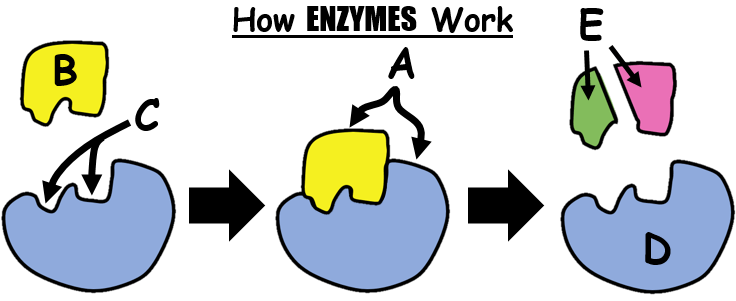
Letter B...
a)
active site
b)
enzyme
c)
substrate
d)
products
46.
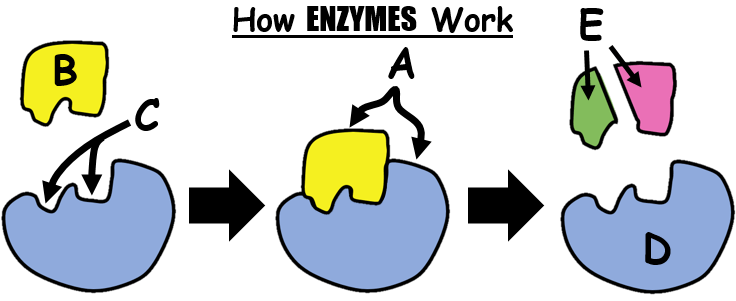
Letter C...
a)
active site
b)
enzymes
c)
substrate
d)
products
47.

Which two systems are most involved in movement of the body?

a)

skeletal

b)

muscular

c)

endocrine

d)

cardiovascular

e)

integumentary

48.

Which body system releases hormones which help to regulate body temperature as well as one's metabolism?

a)

endocrine

b)

lymphatic

c)

integumentary

d)

cardiovascular

e)

digestive

49.

Which system TRANSPORTS nutrients as well as wastes throughout the body?

a)

cardiovascular

b)

respiratory

c)

digestive

d)

urinary

e)

lymphatic

50.

Which system is the skin and your sweat glands?

a)

lymphatic

b)

integumentary

c)

nervous

d)

cardiovascular

51.

Which system are the kidneys, urinary bladder, and ureters are part of?

a)

integumentary

b)

digestive

c)

urinary

d)

lymphatic

e)

cardiovascular

52.

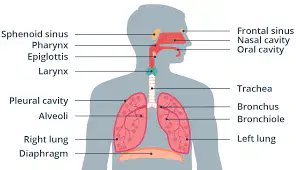
Which system is pictured?

a)

cardiovascular

b)

digestive

c)

lymphatic

d)

respiratory

e)

integumentary

53.

Which system is pictured?

a)

endocrine

b)

digestive

c)

nervous

d)

lymphatic