
 Worksheets
Physical and Chemical Properties/Changes
Total questions: 59
Worksheet time: 46mins
Name
Class
Date
1.

What is the volume of the rock? The water level is displaced from 20 mL to 23 mL with the rock.
a)
3 mL
b)
23 mL
c)
20 mL
d)
43 mL
2.

Melting a popsicle
a)
Physical
b)
Chemical
3.

Boiling some tea
a)
Physical
b)
Chemical
4.

By looking at the molecules below, what state of matter is shown?
a)
Solid
b)
Liquid
c)
Gas
d)
Matter
5.
What has to happen in order for a phase change to occur?
a)
take away heat
b)
add heat
c)
either add or take away heat
6.
What is the Law of Conservation of mass?
a)
Mass is created in a chemical reaction
b)
Mass is created in a physical change
c)
New chemicals formed from a chemical reaction have a larger overall mass than the original reactants
d)
Mass is never created or destroyed
7.
In a reaction A + B ----> C, reactant A has 5g and product C has 9g. How many grams does reactant B should have?
a)
4g
b)
5g
c)
9g
d)
14g
8.
If reaction starts with 20g of reactants it should produce
a)
a total of 40g of products
b)
a total of 10g of products
c)
a total of 80 g of products
d)
a total of 20g of products
9.
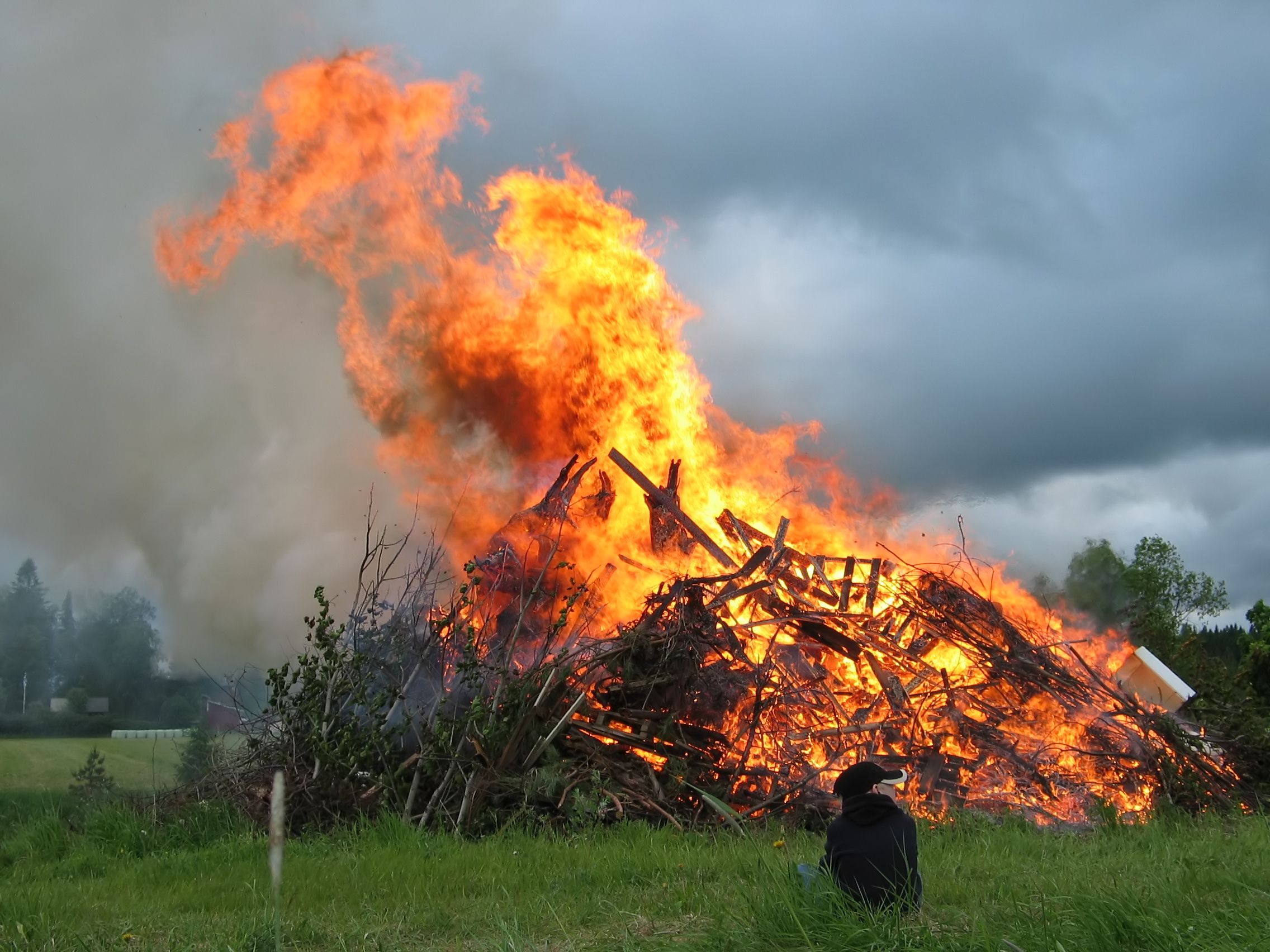
Is wood burning a physical or chemical change?
a)
Physical
b)
Chemical
10.
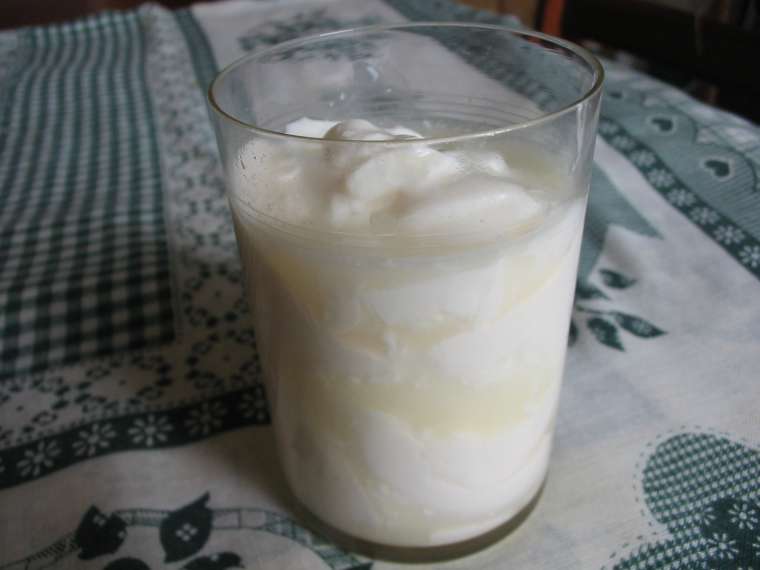
Is milk going sour a physical or chemical change?
a)
Physical
b)
Chemical
11.

Is making orange juice a physical or chemical change?
a)
Physical
b)
Chemical
12.
The Law of Conservation of Mass tells us matter can't ______________.
a)
change color
b)
change state of matter
c)
be created or destroyed
d)
change temperature
13.
Which of the following is not a clue that a chemical reaction has taken place?
a)
Changing size
b)
Changing color
c)
A gas being formed
d)
Formation of a precipitate
14.
Which of the following IS a clue that a chemical change has occurred?
a)
State of matter change
b)
Size Change
c)
Change in temperature
d)
Shape change
15.
In a chemical reaction, how do the reactants compare to the products?
a)
They are the same
b)
They are different
16.
Anything that occupies space and has mass is known as
a)
liquid
b)
air
c)
matter
d)
solid
17.

5. In the diagram, State of Matter C is a gas. This means that which of the following statements is true about this state of matter?
a)
Its particles can move freely throughout the container
b)
It has a definite volume, but no definite shape
c)
It has a definite shape and volume
d)
The particles are rigid and densely placed
18.
Which of the following tells you that a chemical change may have occurred?
a)
Change Shape
b)
Melting
c)
Vaporizing
d)
Change in color
19.
What happens in ALL chemical changes?
a)
Change in state of matter
b)
A new substance is formed
c)
Bubbles are produced
d)
An explosion
20.

Is Gatorade powder dissolving in water physical or chemical change?
a)
Physical
b)
Chemical
21.

Is mold growing on cheese a physical or chemical change?
a)
Physical
b)
Chemical
22.
Valerie and Greg want to bake a cake. They mix the cake batter and preheat the oven. Once the oven reaches the right temperature, they pour the batter in a cake pan, put it in the oven, and close the door. They know that while the cake is in the oven, a chemical change that involves energy occurs.Which of these statements describes the amount of energy in the oven while the cake is baking?
a)
The total amount of energy increases because the oven gets very hot.
b)
The total amount of energy decreases because it changes into matter.
c)
The total amount of energy stays the same, but it changes from one form to another.
d)
The total amount of energy will either increase or decrease, depending on how much cake batter there
23.
When two materials have the same volume, how can you decide which one has the greater density?
a)
The one with more mass has greater density
b)
The one with more texture has greater density.
c)
The one with the darker color has the greater density.
d)
The one with the lower melting point has the greater density.
24.
Henry is cooking dinner for his family. The butter he is using undergoes a change as he cooks with it. When are the particles in the butter closest together?
a)
when the butter is at room temperature
b)
when the butter is melted
c)
when the butter evaporates
d)
when the butter is frozen
25.
If you place an object that is less dense than water into a tank of water what will happen to the object in the water?
a)
The object will sink.
b)
The object will float
c)
The object will neither sink nor float, but will hover in the middle of the tank.
d)
The object will sink at first, but will then rise slowly.
26.
Chemical changes involve a change in the composition of a substance. Which of the following is NOT an indicator that a chemical change has occurred?
a)
color change
b)
change total in mass
c)
formation of a precipitate
d)
increase or decrease in temperature
27.
A jeweler has two blocks of gold. The first block has a mass of 60 grams (g) and a volume of 3 cubic centimeters (cm3). The second block has half the mass and half the volume of the first block.What is the density of the smaller block of gold, in grams per cubic centimeter (g/cm3)? (D=M/V)
a)
5 g/cm3
b)
10 g/cm3
c)
20 g/cm3
d)
80 g/cm3
28.
Robert is hiking through the forest and writing down his observations. He steps on a branch and it breaks into several pieces. Which of the following best describes the resulting properties of the branch?
a)
The density of the branch decreased, since it now takes up less space.
b)
The molecular arrangement of the branch changed as the broken pieces changed phase.
c)
The total mass of the branch pieces is the same, and only a physical change has occurred.
d)
The chemical composition of the branch changed as the broken pieces reacted with the environment.
29.
There is an acid that smells like sweaty socks. When alcohol is added to it and the mixture is heated, no change is visible, but a new odor of sweet apples fills the room. Which of the following is the best explanation for this observation?
a)
Aa chemical change has taken place and no new substance was produced
b)
.a physical change has taken place and no new substance was produced.
c)
a chemical change has taken place and a new substance was produced.
d)
a physical change has taken place and a new substance was produced.
30.
Jenna wants to paint her room light purple. She makes a mixture of 70% pink paint and 30% blue paint to create the shade she likes. Which of the following best describes what occurs when she mixes the paint?
a)
An energy change occurs as the paint's chemical properties change.
b)
A phase change occurs, allowing the two colors to mix evenly together.
c)
A chemical change occurs as the different color particles react with each other.
d)
A physical change occurs, since only the physical properties of the paint change.
31.
Which of the following best explains why silicon dioxide is a solid at room temperature, but water is a liquid?
a)
Silicon dioxide is soluble in water.
b)
Water has a higher density than silicon dioxide
c)
Silicon dioxide has a higher melting point than water
d)
physical Water conducts electricity, but silicon dioxide does not.
32.
Carbon and oxygen atoms can combine to form the gas called carbon dioxide.
a)
is a molecule, so it no longer has atoms
b)
is a molecule made of atoms
c)
has atoms, so it is not a molecule
d)
is a new kind of atom
33.
The basic unit of matter is
a)
a mixture
b)
a substance
c)
an atom
d)
a compound
34.
A substance that contains only one type of atom is a(n)
a)
compound
b)
element
c)
heterogeneous mixture
d)
homogeneous mixture
35.
Which of these is a pure substance?
a)
bread
b)
table salt
c)
garden soil
d)
sea water
36.
Which of these is an example of a molecule?
a)
a small nugget of pure gold
b)
the smallest grain of salt in a salt shaker
c)
a small drop of sugar water
d)
two oxygen atoms joined to a carbon atom
37.
Which of these is not an example of a molecule?
a)
CH4
b)
C
c)
C6H12O6
d)
H2O
38.
Which of these is a mixture?
a)
Uncooked chocolate chips and cookie dough blended together with a spoon.
b)
Distilled water
c)
A nugget of gold
d)
A molecule of Oxygen
39.
mixture that does NOT appear to be evenly mixed throughout:
a)
an atom
b)
a compound
c)
a homogeneous mixture
d)
a heterogeneous mixture
40.
A mixture that appears to be evenly mixed throughout:
a)
an atom
b)
a compound
c)
a homogeneous mixture
d)
a heterogeneous mixture
41.

This picture represents which of the following?
a)
Element
b)
Compound
c)
Mixture
42.

This picture represents which of the following?
a)
element
b)
compound
c)
mixture
43.

This picture represents which of the following?
a)
element
b)
compound
c)
mixture
44.
An aluminum pie plate is an example of:
a)
mixture of solids
b)
solute
c)
element
45.
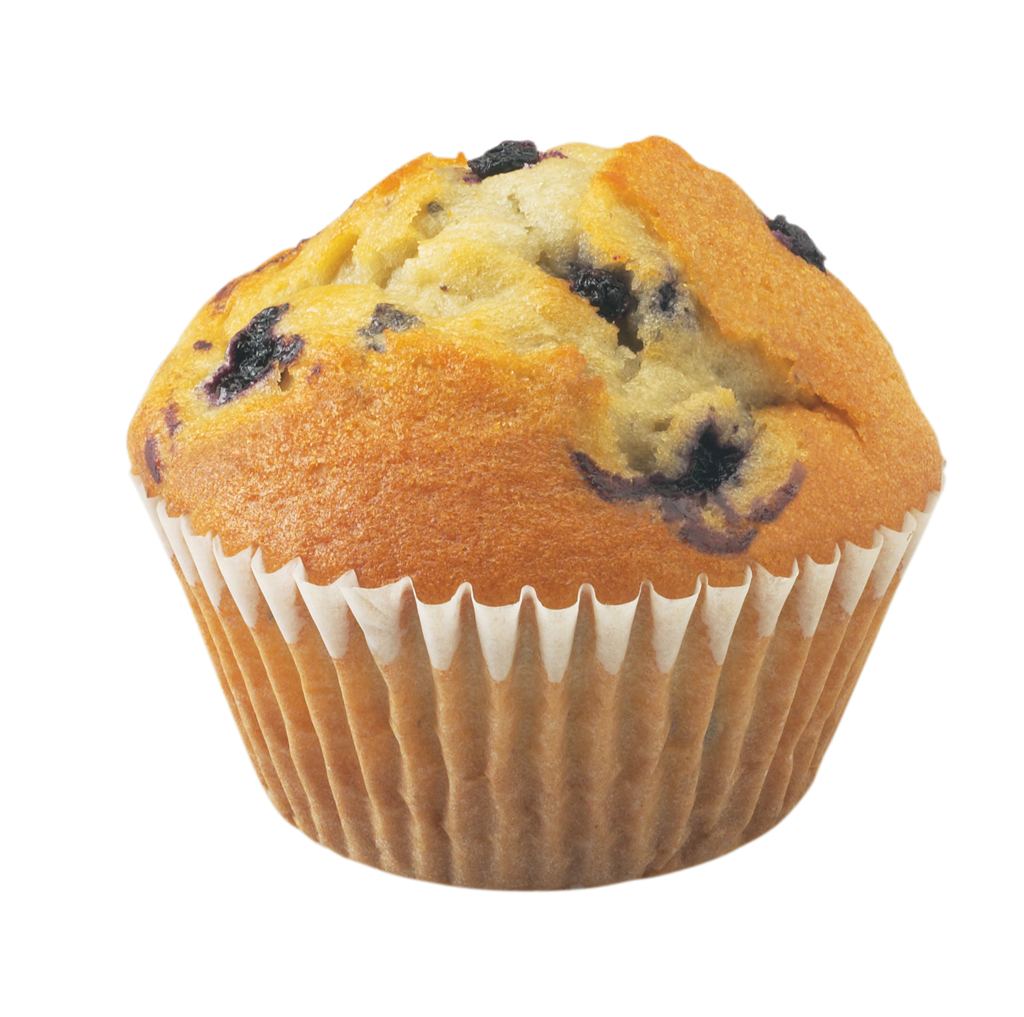
blue berry muffin
a)
heterogeneous mixture
b)
homogeneous mixture
46.
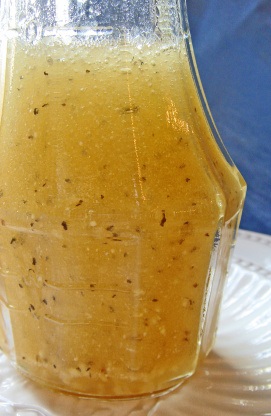
Italian Salad Dressing
a)
heterogeneous mixture
b)
homogeneous mixture
47.

Milk
a)
Heterogeneous mixture
b)
Homogeneous mixture
48.
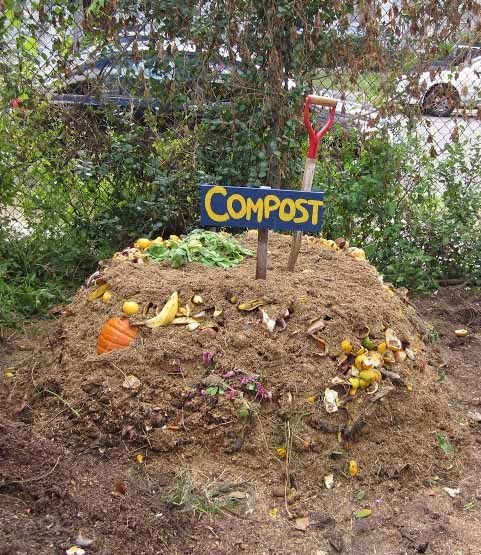
A compost pile in the backyard for the garden
a)
Heterogeneous
b)
Homogeneous
49.
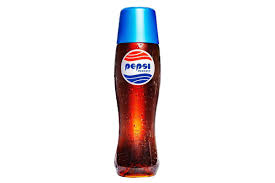
Pepsi
a)
Heterogeneous mixture
b)
homogeneous mixture
50.
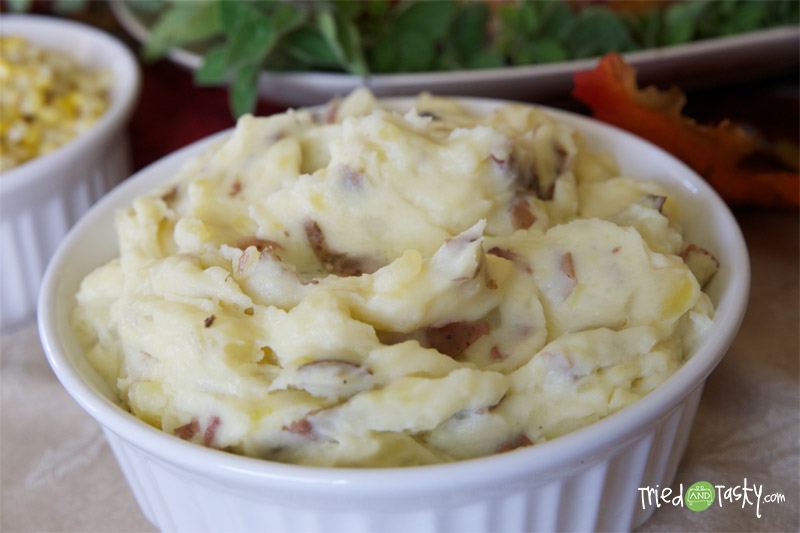
mashed, unpeeled potatoes
a)
Heterogeneous mixture
b)
Homogeneous mixture
51.
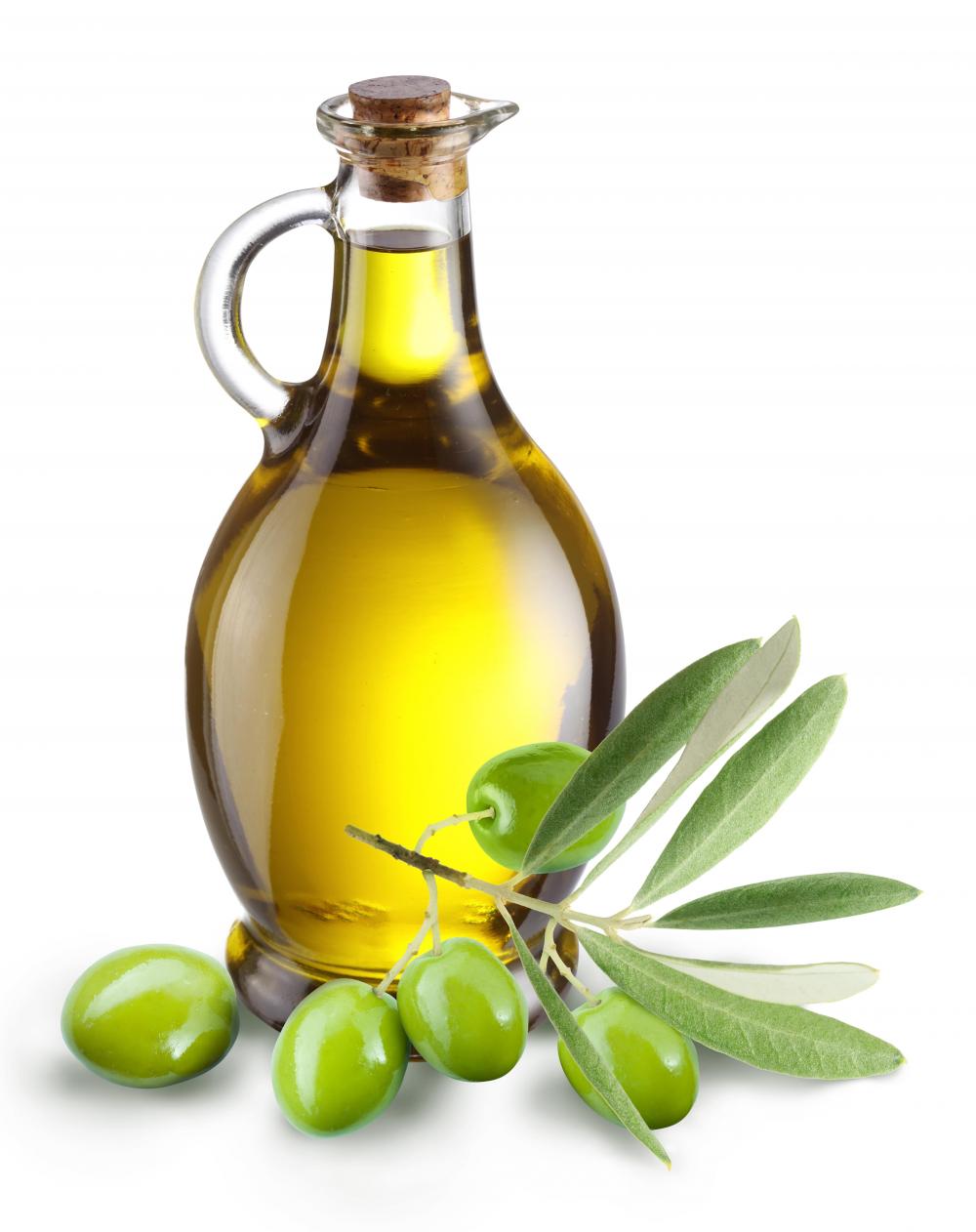
Olive Oil
a)
Heterogeneous mixture
b)
Homogeneous mixture
52.
black ink
a)
heterogeneous mixture
b)
homogeneous mixture
53.
The tool used to measure the mass of a substance or object is a ______________.
a)
balance
b)
graduated cylinder
c)
ruler
d)
thermometer
54.
Jack has a rock. The rock has a mass of 14g and a volume of 2cm3. What is the density of the rock?
a)
7 mL
b)
7 g/cm3
c)
28 g/cm3
d)
1/7 g/cm3
55.
Which units of measurement are used for volume?
a)
grams
b)
centimeters
c)
grams/milliliter
d)
milliliter
56.
Which lab tool might you use to measure the volume of a liquid?
a)
electric scale
b)
bunsen burner
c)
test tube
d)
graduated cylinder
57.

What is the volume of Object X?
a)
10.0 cm3
b)
15.0 cm3
c)
20.0 cm3
d)
25.0 cm3
58.
Frank has a paper clip. It has a mass of 9g and a volume of 3cm3. What is its density?
a)
3 g/cm3
b)
1/3 g/cm3
c)
27 g/cm3
d)
39 g/cm3
59.
Frank has an eraser. It has a mass of 4g, and a volume of 2cm3. What is its density?
a)
8 g/cm3
b)
2 g/cm3
c)
1/2 g/cm3
d)
24 g/cm3
100 %

