
NEW
Font size
S
M
L
XL
 Worksheets
Industrial Revolution: Agriculture
Total questions: 50
Worksheet time: 2hrs 41mins
Name
Class
Date
1.
This machine actually lead to an increase of slavery in the South.
a)
Revolving turret
b)
Steamship
c)
Cotton Gin
d)
Factory
2.
A building with workers and machines in which manufacturing takes place.
a)
Foundry
b)
Plantation
c)
Refinery
d)
Factory
3.
What was the greatest impact the Erie Canal had on the United States
a)
Trade with New Orleans increased
b)
Commerce benefited from faster transportation
c)
Irrigation in New York improved
4.
The use of children as labor for such long hours with little pay led to the formation of
a)
lawsuits.
b)
end of child labor.
c)
labor unions.
5.

Images such as this illustrate the position that many US companies were —
a)
requiring vocational training programs for children
b)
employing children as a source of cheap labor
c)
seeking government regulation of child labor
d)
providing safe working conditions for child laborers
6.
European countries can no longer colonize America (CAN'T TOUCH THIS)
a)
MONROE DOCTRINE
b)
MARBURY v. MADISON
c)
WAR OF 1812
7.
introduced by Samuel Slater- making goods more efficiently
a)
LOWELL MILL
b)
FACTORY SYSTEM
c)
COTTON GIN
d)
STEEL PLOW
8.
created by Eli Whitney- lead to an increase in slavery
a)
INTERCHANGEABLE PARTS
b)
ASSEMBLY LINE
c)
COTTON GIN
d)
MORSE CODE
9.
Which of the following explains how technology affected children during the late 19th and early 20th centuries
a)
Mill owners preferred hiring children because they worked for less wages than adults.
b)
Children were especially likely to work in textile mills because they could easily access and work the textile machines.
c)
Because children were not able to go to school, they could only work machines that required little education.
d)
Mill owners did not like hiring children because they could only work certain hours.
10.
Select a hardship faced by children who worked in the factories during the industrial revolution.
a)
malnutrition
b)
inability to access education
c)
lack of access to wifi
d)
physical trauma
11.

Eli Whitney came up with the idea of
a)
Interchangeable Parts
b)
Steam used as a source of energy
c)
Water used as a source of energy
d)
Solar rays used as a source of energy
12.
Describe America after the War of 1812.
a)
Brink of Civil War
b)
Utter devastation
c)
Military dictatorship
d)
High morale
13.
What did the Monroe Doctrine tell European nations?
a)
Stop colonizing in the Western Hemisphere!
b)
Stop colonizing in the Eastern Hemisphere!
c)
Get out of the USA!
d)
Stop trading with Great Britain!
14.
Which Canal was built in America during this time?
a)
Panama
b)
Suez
c)
Erie
d)
Bruges
15.
People who lived in the New England colonies most likely had which of the following jobs?
a)
Farming
b)
Raising livestock
c)
Ship building and fishing
d)
Farming tobacco
16.
Which colonists were farmers and plantation owners who grew cotton and tobacco?
a)
New England
b)
Southern
c)
Mid-Atlantic
d)
West
17.
Large farms, called ___________________, were spread throughout the Southern colonies.
a)
Trade centers
b)
Plantations
c)
Settlements
d)
Farms
18.
Why were the Mid-Atlantic colonies nicknamed "The Bread Basket?"
a)
They grew many types of grain.
b)
Making bread was a great economic opportunity.
c)
They ate bread with every meal.
d)
The colonies were shaped like bread
19.
Which group are the Southern colonies?
a)
Connecticut
New Hampshire
Rhode Island
Massachuttes
New Hampshire
Rhode Island
Massachuttes
b)
North Carolina
South Carolina
Virginia
Maryland
Georgia
South Carolina
Virginia
Maryland
Georgia
c)
Pennsylvania
Delaware
New York
New Jersey
Delaware
New York
New Jersey
d)
Florida
Georgia
Louisiana
Alabama
Georgia
Louisiana
Alabama
20.
Which crop grew well in the Middle colonies because of the climate?
a)
wheat
b)
cotton
c)
tobacco
d)
fish
21.
Interchangeable parts is making different parts of products look ___.
a)
identical
b)
interchange
c)
opposite
d)
cheaper
22.
Mass production led to:
a)
Products being more superior in quality
b)
goods became less expensive
c)
laborers received higher wages
d)
industries moved to rural areas
23.
What is the movement from rural to urban areas called?
a)
Moving
b)
colonization
c)
inflation
d)
urbanization
24.
Why did people move to the cities during the Industrial revolution?
a)
Jobs in factories
b)
Jobs on the farm
c)
Family
d)
Friends
25.
This machine allowed factories to be built anywhere, powered by coal.
a)
flying shuttle
b)
steam engine
c)
spinning jenny
d)
cotton gin
26.
Which statement is true?
a)
Children were not allowed to work in the mines during the Industrial Revolution
b)
Work conditions were closely regulated
c)
There were no labor laws that prevented children from working
d)
Children were allowed to work but they were treated fairly.
27.
Which 2 natural resources were the backbone of the Industrial Revolution?
a)
wood and peat
b)
oil and natural gas
c)
coal and iron
d)
cotton and tobacco
28.
What was the purpose of labor unions?
a)
Negotiate as a group for bigger factories
b)
Negotiate as a group for better working conditions
c)
Negotiate as a group for a political revolution
d)
Negotiate as a group for a social revolution
29.
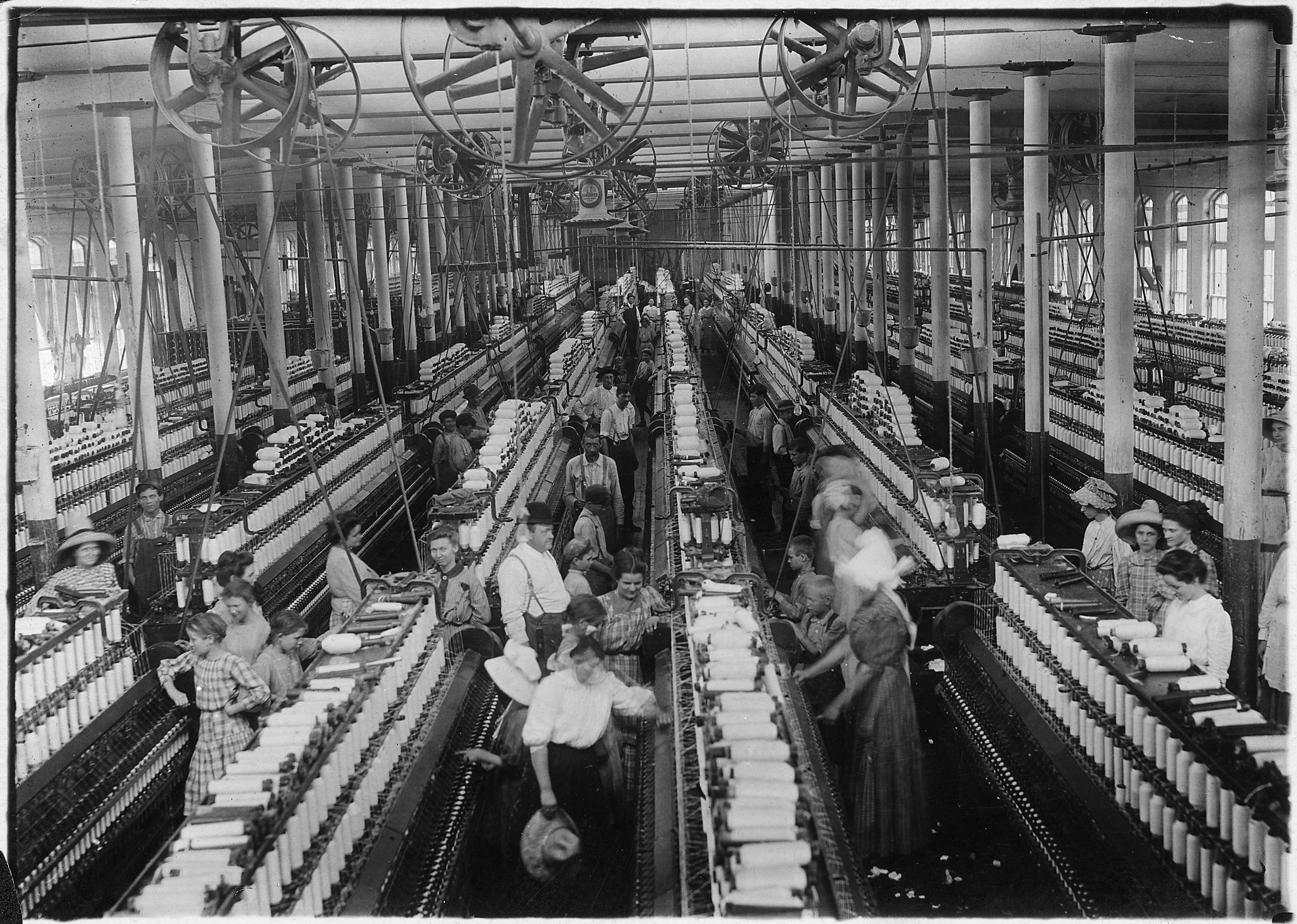
Where were most factories built before the steam engine was invented?
a)
in the mountains
b)
in the desert
c)
along rivers
d)
anywhere
30.

Who invented the steel plow?
a)
Cyrus McCormick
b)
John Deere
c)
Samuel Slater
d)
Robert Fulton
31.

Who invented the steamboat?
a)
Robert Fulton
b)
Samuel Morse
c)
Cyrus McCormick
d)
Francis Cabot Lowell
32.
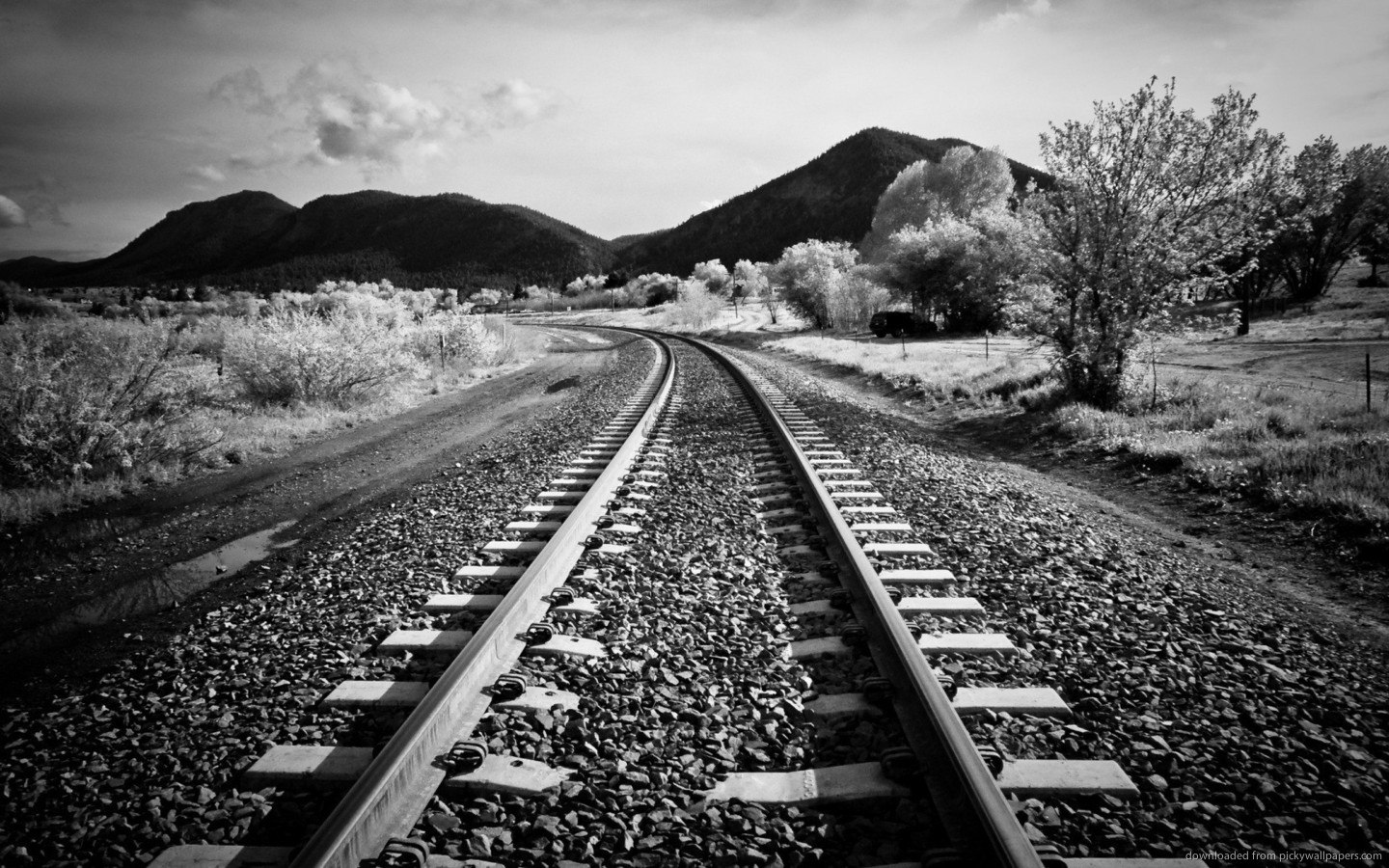
Why were railroads so important during this time?
a)
they moved goods more quickly and less expensively over greater distances
b)
they were fun to ride on to go visit family in other states
c)
people could ride on railroads to get to their jobs in another city
33.
European countries can no longer colonize America (CAN'T TOUCH THIS)
a)
MONROE DOCTRINE
b)
MARBURY v. MADISON
c)
WAR OF 1812
34.
introduced by Samuel Slater- making goods more efficiently
a)
LOWELL MILL
b)
FACTORY SYSTEM
c)
COTTON GIN
35.
created by Samuel Morse-- allowed for fast, long distance communication
a)
TELEPHONE
b)
TELEGRAPH
c)
ELECTRICITY
d)
CELL PHONE
36.
Man-made waterway in upper New York state that connected Albany to Lake Erie was called...
a)
Erie Canal
b)
Panama Canal
c)
Delaware River
d)
Aqueduct
37.
Which region of the United States industrialized first?
a)
North
b)
South
c)
West
d)
The United States never industrialized.
38.

What invention is this?
a)
Cotton Gin
b)
Spinning Jenny
c)
Steam Engine
d)
Steam Boat
39.

What invention is this?
a)
Cotton Gin
b)
Spinning Jenny
c)
Steam Engine
d)
Steam Boat
40.

Robert Fulton invented the
a)
Steam Boat
b)
Steam Engine
c)
Steam Powered Locomotive
d)
Steam Powered Reaper
41.

What invention is this?
a)
Cotton Gin
b)
Spinning Jenny
c)
Steam Engine
d)
Steam Boat
42.

One of the effects of the Industrial Revolution on society was
a)
An increase in the urban population
b)
Jobs were created in the rural areas
c)
Plantations started to pay their slaves
d)
A decrease in the urban population
43.
Most of the immigrants in the 1800s settled in this region
a)
North
b)
South
c)
East
d)
West
44.
Focusing upon the needs and issues of the region you live in.
a)
Apathy
b)
Rebellion
c)
Sectionalism
d)
Patriotism
45.
A building with workers and machines in which manufacturing takes place.
a)
Foundry
b)
Plantation
c)
Refinery
d)
Factory
46.

Look at the time line. What would be a good title for it?
a)
How the Cotton Gin Is Made
b)
How the Erie Canal Was Built
c)
Inventions from the Industrial Revolution
d)
Inventors of the Industrial Revolution
47.
Key idea- only the federal government can regulate interstate commerce
a)
Gibbons v. Ogden
b)
MARBURY V MADISON
c)
MCCOLLOCH V. MARYLAND
48.

Dots and dashes are used to stand for each letter of the alphabet in what system?
a)
Morse code
b)
Lowell system
c)
Cyrillic code
d)
Factory system
49.

How were prices of goods affected by mass production?
a)
They rose
b)
They went down
c)
They didn't change
d)
They were unpredictable
50.
What part of the country relied on cotton for a strong income and did not industrialize?
a)
North
b)
South
c)
East
d)
West
Reset

