
 Worksheets
matter and change (Amplify Phase Change)
Total questions: 191
Worksheet time: 2hrs 43mins


evaporation
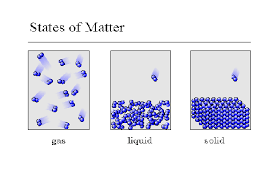


amount of matter an object contains
distillation
mass
chemical reaction
compound
homogeneous
A golf ball has more mass than a tennis ball because it ____.
takes up more space
contains more matter
has a definite composition
contains different kinds of matter
All of the following are physical properties of matter EXCEPT ____.
mass
color
melting point
ability to rust
Which of the following is NOT a physical property of water?
It has a boiling point of 1000C.
It is a colorless liquid.
It is composed of hydrogen and oxygen.
Sugar dissolves in it.
Which of the following are considered physical properties of a substance?
color and odor
malleability and hardness
malleability and hardness
all of the above
Which state of matter is characterized by having an indefinite shape, but a definite volume?
gas
liquid
solid
none of the above
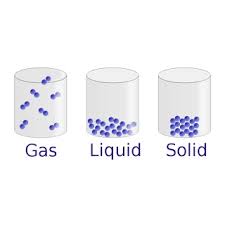
The way molecules in a substance move around relative to each other
Kinetic Energy
Molecule
Phase
Freedom of Movement

The energy that an object has because it is moving
Molecule
Refute
Density
Kinetic Energy

A pull between two molecules that is always the same for a substance
Kinetic Energy
Molecular Attraction
Molecule
Mixture

A group of atoms joined together in a particular way
Scale
Refute
Mass
Molecule
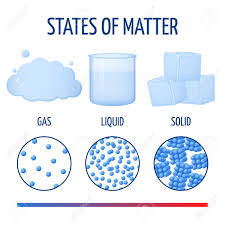
A noticeably different form or state of the same substance
Mixture
Phase
Mass
Density

A measure of how hot or cold something is
Phase
Molecule
Density
Temperature
To provide evidence that goes against a claim
Mixture
Refute
Claim
Sclae
Scientists digging in a cave found an unknown substance. The scientists found that the substance’s molecules were moving around each other. The scientists increased the speed of the substance’s molecules and caused a phase change. How did the scientists do this, and how did this affect the substance?
The scientists transferred energy . . .
into the substance, and the substance changed into a gas
into the substance, and the substance changed into a liquid.
out of the substance, and the substance changed into a solid.
out of the substance, and the substance changed into a liquid

The medicine in the diagram above has molecules that are moving around each other. The doctor needs to slow down the molecules enough to cause a phase change. How will she do this, and how will this affect the medicine?
She transfers energy . . .
into the medicine until it is a liquid.
into the medicine until it is a gas.
out of the medicine until it is a solid.
out of the medicine until it is a liquid.
Anh measured the temperature of a pond near his house. Before he left for school, the water in the pond was 18°C. When he came home from school, the temperature of the pond was higher than it was in the morning. What happened to the water molecules while he was at school?
The molecules got closer together.
The molecules started moving faster.
The water lost cold molecules.The water lost cold molecules.
The molecules became larger.
How is the kinetic energy of molecules changing when the molecules move faster?
The kinetic energy . . .
is not changing.
is increasing.
depends on the molecules.
is decreasing.

A cook had a jar containing a sweet food and a jar containing a sour food. The image above shows the sweet and sour foods. At room temperature, both foods are liquids. The same amount of energy was transferred into both substances. Later, one of the foods had changed phase while the other had not. Which food changed phase, and how did it change?
The sweet food changed because the molecules were able to move fast enough to overcome the attraction between them. Its molecules now move away from each other.
The sweet food changed because the strong attraction between molecules made their movement slower. Its molecules now move around each other.
The sour food changed because the weak attraction between molecules let them move faster. Its molecules now move away from each other.
The sour food changed because the molecules were able to move fast enough to overcome the attraction between them. Its molecules now move in place.

A student left a sealed jar of water outside her home. Water can be a solid, liquid, or gas. When she put it outside, the water was a solid. Twelve hours later, the water had changed phase and was a liquid. What happened to the water molecules?
Before the student left, the molecules were moving in place. After, the molecules were moving around each other.
Before the student left, the molecules were moving around each other. After, the molecules were moving away from each other.
Before the student left, the molecules were moving around each other. After, the molecules were moving in place.
Before the student left, the molecules were moving away from each other. After, the molecules were moving around each other.
The fuel tank of an airplane has a device that measures the fuel’s temperature. Before the airplane took off, the temperature of the fuel was 27°C. After the airplane had been flying for one hour, the temperature of the fuel had decreased to 3°C. Which of the following must have happened to the molecules of the fuel?
The molecules got farther apart.
The molecules started moving slower.
The fuel gained cold molecules.
The molecules became smaller in size.
Lily is doing a science experiment with a substance in a sealed jar. At first, the substance’s molecules are moving around each other. What will happen to Lily’s substance if she transfers energy into the substance and causes a phase change?
After the phase change, the substance’s molecules will move . . .
faster, and the substance will be a liquid.
faster, and the substance will be a gas.
slower, and the substance will be a solid.
slower, and the substance will be a liquid.

The diagram above describes the movement of molecules in a substance used to make fuel. What change did the fuel scientist observe in the substance?
Before the process, the substance was a solid. After the process, it was a liquid.
Before the process, the substance was a gas. After the process, it was a liquid.
Before the process, the substance was a liquid. After the process, it was a solid.
Before the process, the substance was a liquid. After the process, it was a gas.
Before the process, the substance was a liquid. After the process, it was a gas.
Jamil’s bicycle is made of aluminum. When are the aluminum molecules in his bicycle moving?
The aluminum molecules are . . .
only moving when Jamil is riding his bicycle.
only moving when Jamil is not riding his bicycle.
always moving.
never moving.
Divers found two substances on the bottom of the ocean. At room temperature, both substances are liquid. Scientists then transferred the same amount of energy out of both substances. When a scientist checked again, Substance 1 had changed phase, but Substance 2 had not. How are Substances 1 and 2 different?
Substance 1 has a . . .
weaker attraction between its molecules than Substance 2. Its molecules now move in place.
weaker attraction between its molecules than Substance 2. Its molecules now move around each other.
stronger attraction between its molecules than Substance 2. Its molecules now move away from each other.
stronger attraction between its molecules than Substance 2. Its molecules now move in place.

A scientist did a test to compare two substances: substance Q and substance R. At room temperature, both substances are liquid. When the scientist transferred the same amount of energy out of both substances, only one substance changed phase while the other did not. Which substance changed phase, and how did it change?
Substance Q changed phase because the attraction of the molecules was able to overcome their slower movement. Its molecules now move in place.
Substance Q changed phase because the strong attraction between molecules made their movement slower. Its molecules now move in place.
Substance R changed phase because the weak attraction between molecules let them move faster. Its molecules now move around each other.
Substance R changed phase because the attraction was able to overcome the slower molecules. Its molecules now move away from each other.

Scientists put a sample of water into a sealed tank. Water can be a solid, liquid, or gas. At first, the water was a liquid. Then, the scientists transferred energy out of the substance, and the water changed phase. What happened to the movement of the water molecules?
After the phase change, the water molecules moved . . .
faster and started moving away from each other.
faster and started moving around each other.
slower and started moving in place.
slower and started moving around each other.
How do the molecules in a gas behave?
move in place
move around each other
move away from each other
do not move
You have two substances at room temperature. Both substances are a liquid. You transfer the same amount of energy out of both substances but only one substance changes phase. What happened?
the substance with the weaker attraction will change to a gas
the substance with the stronger attraction will turn to a solid
the substance with the stronger attraction will turn to a gas
the substance with the weaker attraction will turn to a solid
How do the molecules in a solid behave?
Move around each other
move in place
Moving away from each other
Do not move
If you transfer energy into a substance how will the molecules change?
molecules will move faster
molecules will move slower
molecules will stop moving
If you transfer energy out of a substance how will the movement of the molecules change?
molecules will move faster
molecules will move slower
molecules will stop moving
molecules do not move

When a log is burned, what happens to the wood?
The mass stays the same, but becomes smoke and ash.
It disappears.
The mass changes as it goes away.
Nothing. You're imagining things.
If the temperature is below the melting point of a substance and below the boiling point of a substance what state will it be in?
Solid
Liquid
Gas
If the temperature is above the melting point of a substance and above the boiling point of a substance what state will it be in?
Solid
Liquid
Gas
A substance has a melting point of 25 oC and a boiling point of 235 oC. What state is it at 5oC?
Solid
Liquid
Gas
A substance has a melting point of -25 oC and a boiling point of 35 oC. What state is it at 25oC?
Solid
Liquid
Gas
The weaker the intermolecular forces of a substance the _____________ the boiling point
higher
lower
A student observed a liquid that boiled at 100°C. What type of liquid was boiling?
Salt water
Sugar water
Pure water
Lemon water
A property that can be observed without changing the matter being studied.
Physical property
Chemical property
Any substance that occupies space and has mass.
Matter
Density
Melting point
Rusting
Properties that include the ability to burn and the ability to rust.
Physical property
Chemical property
Scientists digging in a cave found an unknown substance. The scientists found that the substance’s molecules were moving around each other. The scientists increased the speed of the substance’s molecules and caused a phase change. How did the scientists do this, and how did this affect the substance?
The scientists transferred energy . . .
into the substance, and the substance changed into a gas
into the substance, and the substance changed into a liquid.
out of the substance, and the substance changed into a solid.
out of the substance, and the substance changed into a liquid
Scientists digging in a cave found an unknown substance. The scientists found that the substance’s molecules were moving around each other. The scientists increased the speed of the substance’s molecules and caused a phase change. How did the scientists do this, and how did this affect the substance?
The scientists transferred energy . . .
into the substance, and the substance changed into a gas
into the substance, and the substance changed into a liquid.
out of the substance, and the substance changed into a solid.
out of the substance, and the substance changed into a liquid
The medicine in the diagram above has molecules that are moving around each other. The doctor needs to slow down the molecules enough to cause a phase change. How will she do this, and how will this affect the medicine?
She transfers energy . . .
into the medicine until it is a liquid.
into the medicine until it is a gas.
out of the medicine until it is a solid.
out of the medicine until it is a liquid.
Anh measured the temperature of a pond near his house. Before he left for school, the water in the pond was 18°C. When he came home from school, the temperature of the pond was higher than it was in the morning. What happened to the water molecules while he was at school?
The molecules got closer together.
The molecules started moving faster.
The water lost cold molecules.The water lost cold molecules.
The molecules became larger.
How is the kinetic energy of molecules changing when the molecules move faster?
The kinetic energy . . .
is not changing.
is increasing.
depends on the molecules.
is decreasing.
A cook had a jar containing a sweet food and a jar containing a sour food. The image above shows the sweet and sour foods. At room temperature, both foods are liquids. The same amount of energy was transferred into both substances. Later, one of the foods had changed phase while the other had not. Which food changed phase, and how did it change?
The sweet food changed because the molecules were able to move fast enough to overcome the attraction between them. Its molecules now move away from each other.
The sweet food changed because the strong attraction between molecules made their movement slower. Its molecules now move around each other.
The sour food changed because the weak attraction between molecules let them move faster. Its molecules now move away from each other.
The sour food changed because the molecules were able to move fast enough to overcome the attraction between them. Its molecules now move in place.
A student left a sealed jar of water outside her home. Water can be a solid, liquid, or gas. When she put it outside, the water was a solid. Twelve hours later, the water had changed phase and was a liquid. What happened to the water molecules?
Before the student left, the molecules were moving in place. After, the molecules were moving around each other.
Before the student left, the molecules were moving around each other. After, the molecules were moving away from each other.
Before the student left, the molecules were moving around each other. After, the molecules were moving in place.
Before the student left, the molecules were moving away from each other. After, the molecules were moving around each other.
The fuel tank of an airplane has a device that measures the fuel’s temperature. Before the airplane took off, the temperature of the fuel was 27°C. After the airplane had been flying for one hour, the temperature of the fuel had decreased to 3°C. Which of the following must have happened to the molecules of the fuel?
The molecules got farther apart.
The molecules started moving slower.
The fuel gained cold molecules.
The molecules became smaller in size.
Lily is doing a science experiment with a substance in a sealed jar. At first, the substance’s molecules are moving around each other. What will happen to Lily’s substance if she transfers energy into the substance and causes a phase change?
After the phase change, the substance’s molecules will move . . .
faster, and the substance will be a liquid.
faster, and the substance will be a gas.
slower, and the substance will be a solid.
slower, and the substance will be a liquid.
The diagram above describes the movement of molecules in a substance used to make fuel. What change did the fuel scientist observe in the substance?
Before the process, the substance was a solid. After the process, it was a liquid.
Before the process, the substance was a gas. After the process, it was a liquid.
Before the process, the substance was a liquid. After the process, it was a solid.
Before the process, the substance was a liquid. After the process, it was a gas.
Before the process, the substance was a liquid. After the process, it was a gas.
What happens to molecules when their kinetic energy decreases?
They move slower.
They move faster.
They get heavier.
It depends on the type of molecules.
Jamil’s bicycle is made of aluminum. When are the aluminum molecules in his bicycle moving?
The aluminum molecules are . . .
only moving when Jamil is riding his bicycle.
only moving when Jamil is not riding his bicycle.
always moving.
never moving.
Divers found two substances on the bottom of the ocean. At room temperature, both substances are liquid. Scientists then transferred the same amount of energy out of both substances. When a scientist checked again, Substance 1 had changed phase, but Substance 2 had not. How are Substances 1 and 2 different?
Substance 1 has a . . .
weaker attraction between its molecules than Substance 2. Its molecules now move in place.
weaker attraction between its molecules than Substance 2. Its molecules now move around each other.
stronger attraction between its molecules than Substance 2. Its molecules now move away from each other.
stronger attraction between its molecules than Substance 2. Its molecules now move in place.
A scientist did a test to compare two substances: substance Q and substance R. At room temperature, both substances are liquid. When the scientist transferred the same amount of energy out of both substances, only one substance changed phase while the other did not. Which substance changed phase, and how did it change?
Substance Q changed phase because the attraction of the molecules was able to overcome their slower movement. Its molecules now move in place.
Substance Q changed phase because the strong attraction between molecules made their movement slower. Its molecules now move in place.
Substance R changed phase because the weak attraction between molecules let them move faster. Its molecules now move around each other.
Substance R changed phase because the attraction was able to overcome the slower molecules. Its molecules now move away from each other.
Scientists put a sample of water into a sealed tank. Water can be a solid, liquid, or gas. At first, the water was a liquid. Then, the scientists transferred energy out of the substance, and the water changed phase. What happened to the movement of the water molecules?
After the phase change, the water molecules moved . . .
faster and started moving away from each other.
faster and started moving around each other.
slower and started moving in place.
slower and started moving around each other.
The way molecules in a substance move around relative to each other
Kinetic Energy
Molecule
Phase
Freedom of Movement
The energy that an object has because it is moving
Molecule
Refute
Density
Kinetic Energy
A noticeably different form or state of the same substance
Mixture
Phase
Mass
Density
To provide evidence that goes against a claim
Mixture
Refute
Claim
Sclae
What happens to molecules when their kinetic energy decreases?
They move slower.
They move faster.
They get heavier.
It depends on the type of molecules.
How do the molecules in a solid behave?
Move around each other
move in place
Moving away from each other
Do not move
How do the molecules in a gas behave?
move in place
move around each other
move away from each other
do not move
If you transfer energy into a substance how will the molecules change?
molecules will move faster
molecules will move slower
molecules will stop moving


What do Earth and the moon Titan have in common?
Both have seasons that last 3 - 4 months
Both have liquid lakes and seas
Both have atmospheres which rain methane
Why do substances behave and look differently when they go through a phase change?
molecules change into new substances after a phase change
molecules are gained and lost during phase changes
molecules of the substance move differently in each phase
The following are examples of evidence of a chemical reaction....
ice melting into a liquid
condensation
endothermic reaction
change in color, production of gas bubbles
When we combine baking soda and vinegar, it fizzes and eventually turn into a liquid. What is actually happening?
baking soda melted into its liquid form
baking soda combined with the vinegar produced a new substance
evaporated into the air
A green powder is heated & a gas is given off while it turns to a black solid. This describes
Physical Change
Chemical Change
Change in State
Change in Temperature
The formation of a solid when two liquids combine is called?
Solidification
Freezing
Precipitate
Solubility

Identify what type of change happening in the picture below...
Chemical Reaction
Physical Change
Change in State
Change in appearance only

Identify what type of change happening in the picture below...
Chemical Change
Physical Change
Endothermic Reaction
Exothermic Reaction
Which of the following is an example of a physical change?
A glass falling and shattering on the floor.
Baking a birthday cake.
Burning a piece of paper.
Baking soda and vinegar mixing together.
When a new substance is formed with different properties than the original substance it is called a...
Chemical change
Physical change
Change in State
Change in appearance only.

