
 Worksheets
Genetics CBA Review
Total questions: 79
Worksheet time: 50mins
Name
Class
Date
1.
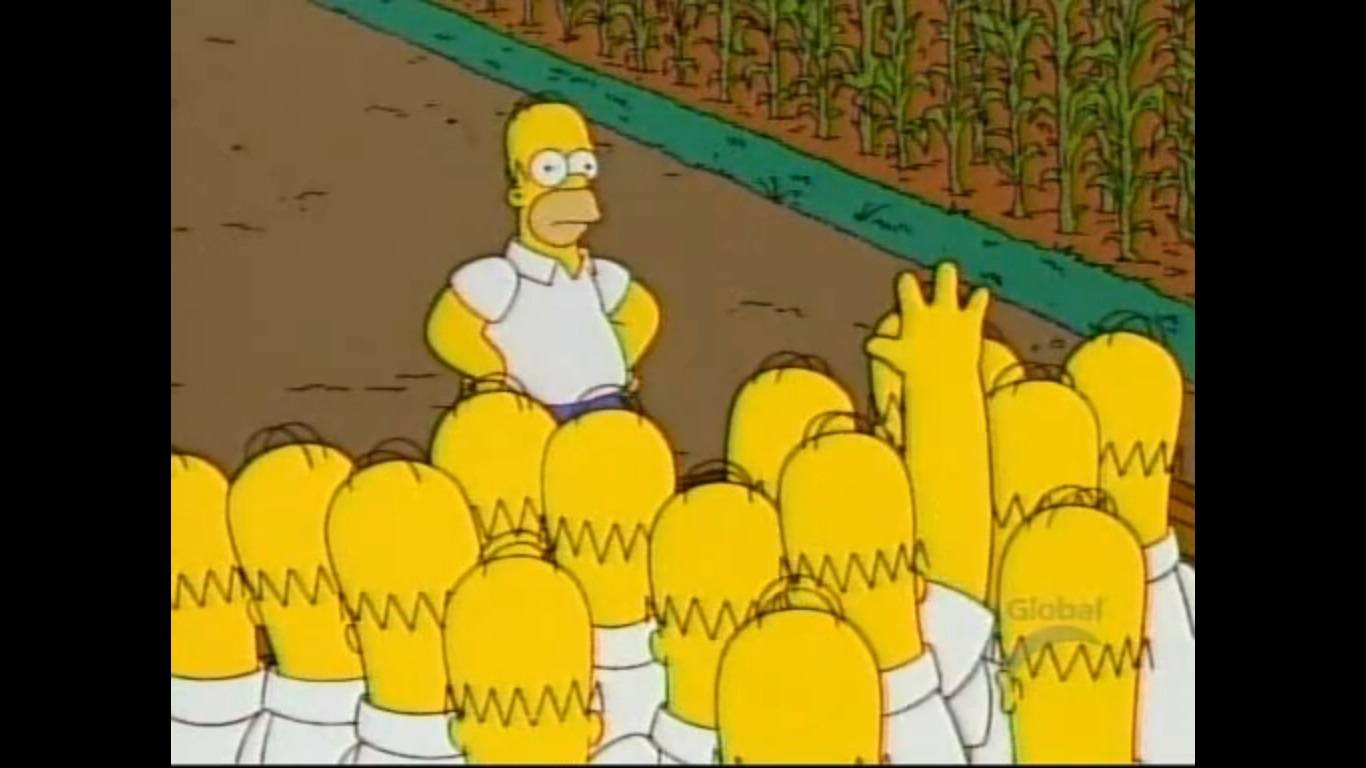
All of the offspring of an organism have the same genetic material, which is identical to the parent organism. From this, we can conclude that this organism -
a)
makes its own food
b)
is unicellular
c)
live in a marine habitat
d)
reproduces asexually
2.
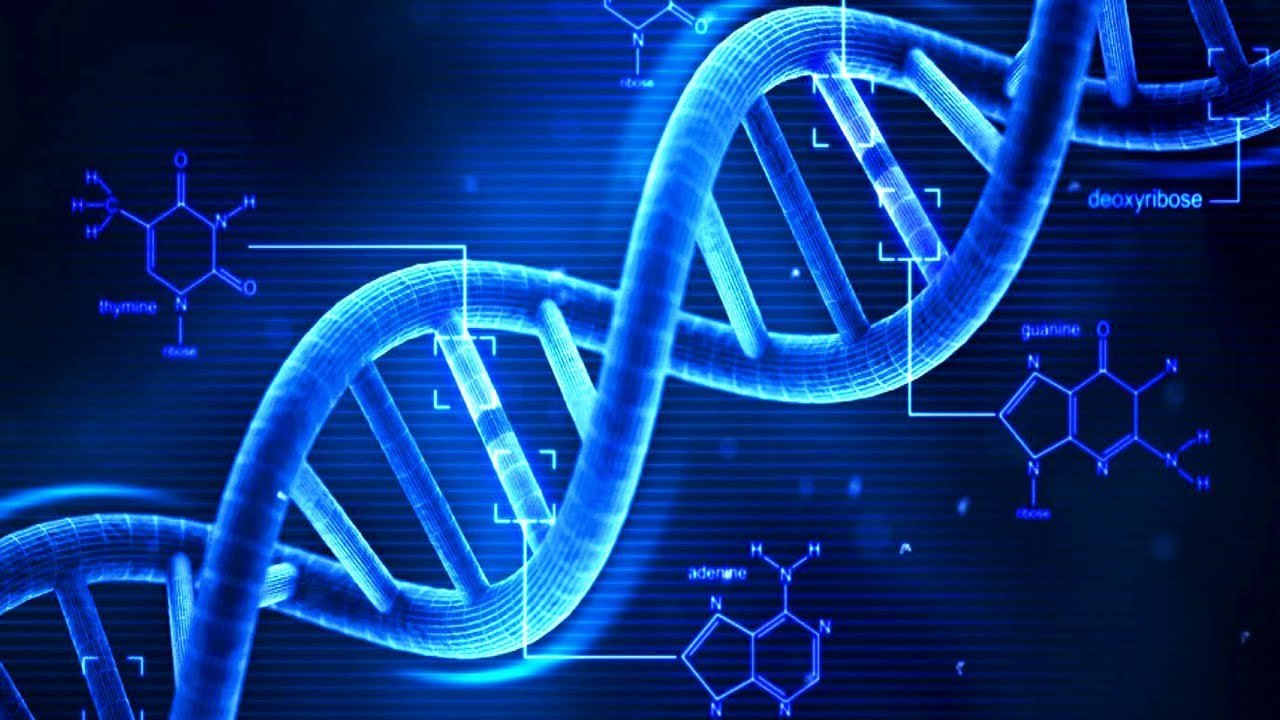
When comparing the offspring of sexually and asexually reproducing organisms, we would expect the genetic material (DNA) of the sexually reproducing organism to -
a)
contain fewer mutations
b)
be lesser in quantity
c)
be simpler overall
d)
show more variation
3.
Which is a type of Asexual Reproduction
a)
Sexual
b)
Binary fission
c)
Cells
d)
organism
4.
What are some of the facts about asexual reproduction?
a)
Takes only one mate to reproduce and takes a longer time to reproduce
b)
Takes a shorter amount of time to reproduce and it takes two mates to reproduce
c)
Reproduces diverse offspring and takes a longer time to reproduce
d)
Takes only one mate to reproduce and takes a shorter time to reproduce
5.
What are some of the facts about sexual reproduction?
a)
Takes two mates to reproduce and takes a longer time to reproduce
b)
Takes one mate to reproduce and takes a shorter amount of time to reproduce
c)
Takes two mates to reproduce and takes a shorter amount of time to reproduce
d)
Takes one mate to reproduce and takes a shorter amount of time to reproduce
6.
Where does an off spring get its traits in asexual reproduction?
a)
From both parents
b)
From only one parent
c)
From neither parent
d)
There are no traits handed down
7.
What percentage of chromosomes are handed down by a sperm cell?
a)
75%
b)
25%
c)
50%
d)
100%
8.
Sexual reproduction requires _____ parents and asexual reproduction requires ___ parents
a)
1,1
b)
2,2
c)
2,1
d)
1,2
9.
What is an advantage of sexual reproduction?
a)
Allows genetic variation
b)
Only needs one parent
c)
Happens very quickly
d)
Offspring are exact copies of parent
10.
What is one disadvantage of sexual reproduction?
a)
Only one parent needed
b)
Off spring are exact copies of parents
c)
Happens very quickly
d)
Needs two parents
11.
When a starfish grows a new body off a broken arm, what kind of reproduction is this?
a)
Sexual
b)
Differentiation
c)
Asexual
d)
Specialization
12.
Bacteria reproduce asexually by a process called
a)
replication
b)
meiosis
c)
splitting in two
d)
binary fission
13.
In binary fission how does the DNA of the daughter cells compare to the DNA of the parent cell?
a)
It is only half of the amount of DNA found in the parent.
b)
It is identical.
c)
It is a mix of the parent's DNA.
d)
It has some similarities and some differences.
14.
Production of a new plant from a portion of another plant
a)
Vegetative state
b)
Vegetative propagation
c)
Tree planting
d)
Spore formation
15.
A hydra reproduces when an outgrowth, or bud, forms and continues to develop until if falls off of the parent. This is an example of:
a)
Binary Fission
b)
Sporulation
c)
Budding
d)
Vegetative Propagation
16.

a)
budding
b)
sporulation
c)
vegetative propagation
d)
binary fission
17.

a)
budding
b)
binary fission
c)
sporulation
d)
regeneration
18.
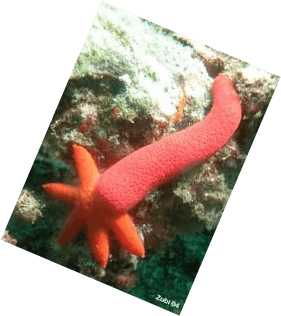
What type of asexual reproduction is taking place?
Fishermen work hard to catch and remove all the starfish that get into their favorite shell fishing beds and the “underwater farms” where they raise clams and oysters. In the past, they put the starfish into their boats, cut them up with knives, and then throw the pieces of starfish overboard. They thought this would kill the starfish. What they did not know was that each piece of starfish will grow into a whole new animal.
Fishermen work hard to catch and remove all the starfish that get into their favorite shell fishing beds and the “underwater farms” where they raise clams and oysters. In the past, they put the starfish into their boats, cut them up with knives, and then throw the pieces of starfish overboard. They thought this would kill the starfish. What they did not know was that each piece of starfish will grow into a whole new animal.
a)
Regeneration
b)
Vegetative propagation
c)
Budding
d)
Fission
19.
Heredity is the passing of traits from _____________________ to _____________________
a)
predators to prey
b)
water to rain
c)
parents to offspring
d)
fungi to protists
20.
___________________________ is the study of how traits are passed on, or inherited.
a)
dominant traits
b)
ratio
c)
phenotype
d)
genetics
21.
If a child has red hair, they inherited a certain _______________ from their parents.
a)
ratio
b)
trait
c)
probability
d)
sex chromosome
22.
One trait that is ALWAYS present and causes the other traits to disappear is a ________________________
a)
recessive trait
b)
aggressive trait
c)
absent trait
d)
dominant trait
23.
True or False: Recessive traits are ALWAYS present
a)
True
b)
False
24.
_____________________ is the appearance of an organism, or how it looks
a)
phenotype
b)
ratio
c)
recessive trait
d)
heredity
25.

A ________________________ is used to predict the possible genotype from certain parents
a)
Mendel Grid
b)
Genetic Tic Tac Toe
c)
Punnett Square
d)
Pedigree Plot
26.
Dominant or recessive?
tt
tt
a)
Dominant
b)
Recessive
27.
Dominant or recessive?
Dd
Dd
a)
Dominant
b)
recessive
c)
neither
d)
homozygous
28.
one set of instructions for an inherited trait
a)
heredity
b)
allele
c)
trait
d)
gene
29.
one of the alternative forms of a gene that governs a characteristic, such as hair color
a)
allele
b)
gene
c)
trait
d)
DNA
30.
an organism's appearance or other detectable characteristic
a)
genotype
b)
phenotype
c)
genetics
d)
heterozygous
31.
The physical appearance of a gene:
a)
Genotype
b)
Heredity
c)
Phenotype
d)
Allele
32.
Homozygous or heterozygous?
BB
BB
a)
Homozygous
b)
Heterozygous
33.
Dominant or recessive?
tt
tt
a)
Dominant
b)
Recessive
34.
Which of the following pairs is homozygous dominant?
a)
Hh
b)
pp
c)
HH
d)
aa
35.
Which of the following is heterozygous?
a)
Hh
b)
gg
c)
HH
d)
GG
36.
Jackie is homozygous recessive for having dimples (D). What is her genotype?
a)
pp
b)
Dd
c)
dd
d)
DD
37.
True or false?
Heterozygous recessive traits have two identical allels expressed as lowercase
Heterozygous recessive traits have two identical allels expressed as lowercase
a)
True
b)
False
38.
Dominant or recessive?
Dd
Dd
a)
Dominant
b)
recessive
c)
neither
d)
homozygous
39.
having two of the same genes for the trait (sometimes called purebred).
a)
homozygous
b)
hetrozygous
c)
protein
d)
chromosome
40.

He is known as the father of modern day genetics.
a)
Gregory Mendel
b)
Greg Mendel
c)
Gregor Mendel
d)
Grace Mendel
41.
Which of the following alleles is homozygous recessive?
a)
Tt
b)
tt
c)
TT
d)
T
42.
Dominant alleles are represented by a:
a)
Male gene
b)
lowercase letter
c)
recessive trait
d)
capital letter
43.
Which of the following is a phenotype?
a)
Aa
b)
red hair
c)
heterozygous
d)
DNA
44.
Which of the following is NOT a genotype?
a)
heterozygous
b)
a trait
c)
Bb
d)
homozygous recessive
45.
AA and Aa always show up as
a)
dominant
b)
recessive
46.
aa always shows up as
a)
dominant
b)
recessive
47.
Aa is
a)
homozygous
b)
heterozygous
48.
having two different genes for a trait (sometimes called hybrid).
a)
protein
b)
homozygous
c)
heterozygous
d)
genotype
49.
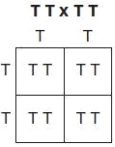
What ratio of the offspring from the cross shown will be homozygous recessive for the trait of tallness?
a)
0 in 4
b)
1 in 4
c)
2 in 4
d)
4 in 4
50.
In a flowering plant species, red flower color (R) is dominant over white flower color (r). What is the genotype of any red-flowering plant resulting from this species?
a)
rr
b)
R
c)
RR
d)
RR or Rr
51.
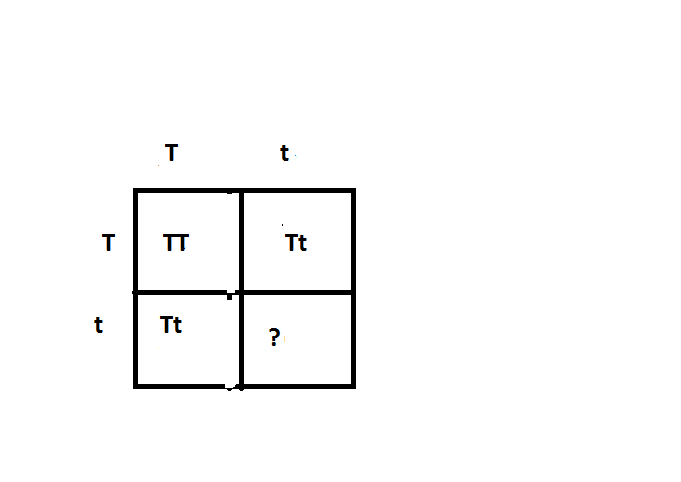
T - tall and t = short
In the punnett square below, what belongs in the missing square
In the punnett square below, what belongs in the missing square
a)
tt
b)
Tt
c)
Bb
d)
TT
52.
B = brown eyes
b = blue eyes
What is true about these two brothers that have brown eyes?
One has genotype BB the other Bb.
b = blue eyes
What is true about these two brothers that have brown eyes?
One has genotype BB the other Bb.
a)
they have same phenotype and genotype
b)
they have different genotypes and phenotypes
c)
they have same phenotype but different genotypes
d)
they have same genotype but different phenotypes
53.
T - tall and t = short
In the punnett square below, what belongs in the missing square
In the punnett square below, what belongs in the missing square
a)
tt
b)
Tt
c)
Bb
d)
TT
54.
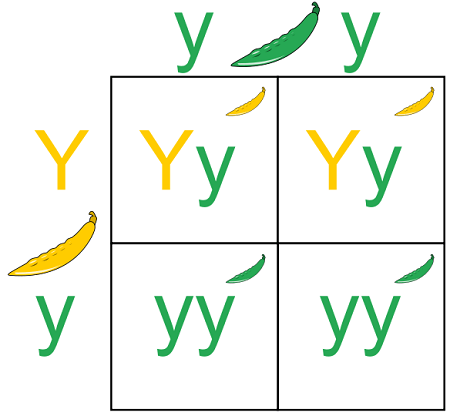
Which choice best represents the genotype of this cross?
a)
1 Yy: 2 yy: 0 YY
b)
2 Yy: 2 yy: 0 YY
c)
3 Yy: 1 yy: 0 YY
d)
1 Yy: 3 yy: 0 YY
55.
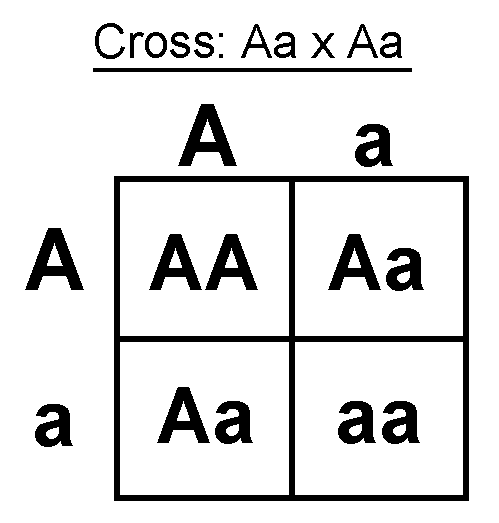
What is the phenotype of the offspring? (A-Brown hair; a-blond hair)
a)
50 % Brown Hair and 50% Blond Hair
b)
25 % Brown Hair and 75% Blond Hair
c)
75 % Brown Hair and 25% Blond Hair
d)
0% Brown Hair and 100% Blond Hair
56.
A tall plant (TT) is crossed with a tall plant (Tt). What is the genotype?
a)
2 TT: 2 Tt: 0 tt
b)
1 TT: 2 Tt: 1 tt
c)
2 TT: 1 Tt: 1 tt
d)
0 TT: 0 Tt: 4 tt
57.
A green pea plant (GG) is being crossed with a green pea plant (Gg). What is the phenotype?
a)
100 % rainbow
b)
50% yellow and 50% green
c)
100% green
d)
100% yellow
58.
A red flower (Rr) is crossed with a white flower (rr). What is the genotype?
a)
0 RR; 0 Rr: 4 rr
b)
2 RR; 0 Rr: 2 rr
c)
4 RR; 0 Rr: 0 rr
d)
0 RR; 2 Rr: 2 rr
59.
Two heterozygous red flower (white flowers are recessive) are crossed. What is the phenotype?
a)
75% red and 25% white
b)
25% red and 75% white
c)
100 White
d)
50% red 50% red
60.
A homozygous dominant brown mouse is crossed with a heterozygous brown mouse (tan is the recessive color).
a)
100 % tan
b)
100 % brown
c)
50 % brown and 50% tan
d)
75 % brown and 25 % tan
61.
Statements about natural selection start with...
a)
There is variation within the population
b)
There is variation within the species
c)
Only the fittest survive
d)
Only those with advantageous alleles survive
62.
Compared to natural selection, selective breeding is a ...
a)
beneficial process
b)
slow process
c)
quick process
d)
harmful process
63.
Natural selection relies on the fact that offspring must compete for...
a)
Predators
b)
Resources
c)
Carbon dioxide
d)
Oxygen
64.
If a species cannot adapt to their environment they may ...
a)
be killed by disease
b)
experience predation
c)
become extinct
d)
experience increased competition
65.

1. Study the picture to the left. A population of insects is sprayed with a new insecticide. Most of the insects are killed but a few survive. In the next generation, spraying continues, but many more of the insects are unaffected by the insecticide than the first spraying. Which of the following BEST explains these results?
a)
The insecticide caused a mutation in the species
b)
A few insects in the first population were immune and passed this trait to their offspring
c)
a. The insecticide caused a side effect of immunity that was passed on to the next generation of insects. The insects learned to fight off the insecticide.
66.
1. A farmer noticed that some of her sunflower plants were healthy but most of the plants were infested with worms that were killing plants. How could the farmer use selective breeding to try to produce a greater number of healthy plants next season? Choose best answer:
a)
Use plants that require less sunlight
b)
Use plants that are distasteful to bugs
c)
Plant only seeds from the healthy plants
d)
Plant only seeds that require less water from growth.
67.

Which of the following statements best describes what will most likely occur to the moth populations in the image below?
a)
The light moths will be captured by predators more easily than the dark moths, and the population of dark moths will rise.
b)
The light moths will be captured by predators more easily than the dark moths, and the population of light moths will rise
c)
The dark moths will be captured by predators more easily than the light moths, and the dark moths will probably go extinct.
d)
The light moths will change their wing color to match that of the dark moths.
68.

What is the most likely explanation of the data shown below?
a)
There has been a drought in the area that is affecting all life forms
b)
The population of natural predators of the moths has gotten smaller.
c)
The moths are living in an environment with light trees.
d)
The moths are living in an environment with dark trees.
69.
Suppose a certain species of insect lives in the lush green canopy of the rain forest. Some of the insects are bright green in color, and some are bright yellow. Assume there is a natural predator of the insect in the area. What do you expect to happen to the populations of the green and the yellow insects over time?
a)
The green insect population will increase and the yellow insect population will decrease.
b)
The green insect population will decrease and the yellow insect population will increase
c)
Both insect populations will remain constant over time.
d)
Both insect populations will increase over time.
70.

The pair of population graphs below display the results of two different five-year hunting cycles, one on light trees and one on dark trees. The population of light-colored moths is shown by the light gray dots, and the population of dark moths is shown by the dark gray dots. How do these results demonstrate natural selection?
a)
The moth populations shown here demonstrate random fluctuations over time that are not explained by tree color.
b)
On light trees, individual moths tried to become lighter in color to match the tree background. On dark trees, individual moths tried to become darker in color.
c)
The moths that were the same color as their background were more likely to survive and reproduce. Over time, the populations of these well-adapted moths increased.
d)
Small particles of tree bark became embedded in the moth’s wings, causing the moths to become darker on the dark trees and lighter on the light trees. These acquired traits were then passed down to the next generation of moths, causing the populations to change color over time.
71.
Natural selection can operate on predator populations as well as on prey. Suppose that over time trees became covered in lichen and the proportion of light moths increased to nearly 100%. What is the most likely consequence for predator populations?
a)
Bird populations will decrease, at least for a while.
b)
Over time, birds with better eyesight will become more common.
c)
Birds may change hunting strategies or seek other sources of food.
d)
All of the above.
72.
The variation among domesticated animals is due to
a)
natural selection.
b)
artificial selection.
c)
A. genetic modification.
d)
random chance
73.

Evidence shows that the wolf is the ancestor to all of the breeds of dogs shown below. How did this variation arise in a relatively short period of time?
a)
A. Genetic manipulation
b)
Natural selection
c)
Random chance
d)
Selective breeding
74.
The process of choosing parent organisms for desired characteristics is called
a)
natural selection.
b)
artificial selection.
c)
A. genetic manipulation.
d)
random chance.
75.

Use the following table to answer the next question.A farmer wants to grow a crop that is resistant to disease while producing more fruit per plant. Which plants should the farmer select to cross to get the desired combination of traits?
a)
1 and 2
b)
2 and 4
c)
1 and 3
d)
3 and 4
76.

Use the following table to answer the next question. A farmer wants to create a watermelon that is sweet tasting but has a low quantity of seeds. Which plants should the farmer select to cross to get the desired set of characteristics?
a)
1 and 2
b)
2 and 4
c)
1 and 4
d)
2 and 4
77.

Use the following table to answer the next question. A family wanted a cat but, due to allergies, they wanted a cat that shed the least amount of hair. They also wanted a cat with a calm personality. Which cats should the breeder select to be the parents of the requested cat?
a)
2 and 4
b)
2 and 3
c)
1 and 4
d)
1 and 3
78.

Use the following table to answer the next question. A farmer wants to grow extra-large, sweet oranges. Which plants should the farmer select to cross to get the desired set of characteristics?
a)
1 and 2
b)
2 and 4
c)
1 and 3
d)
4 and 5
79.
Which of the following is not a characteristic of natural selection?
a)
More offspring are born than will survive to reproduce.
b)
Mutations appear randomly.
c)
. Breeding pairs are chosen by humans.
d)
. Organisms that are better adapted are more likely to survive.
100 %

