
 Worksheets
Plant Cell Structure
Total questions: 50
Worksheet time: 44mins
Name
Class
Date
1.
Which structures are found in every living cell?
a)
cell membrane and cytoplasm
b)
chloroplasts and mitochondria
c)
a cell wall and nucleus
d)
chloroplasts and cell wall
2.
Which cell structure is found in plant and animals cells and controls what can come into or leave a cell?
a)
cell membrane
b)
cytoplasm
c)
nucleus
d)
vacuole
3.
Cell organelles that are responsible for digesting food, worn out organelles and other cellular wastes are called ___________________.
a)
Mitochondria
b)
Vacuoles
c)
Lysosomes
d)
Chlororplasts
4.
What is one basic function of the vacuoles?
a)
circulating oxygen
b)
producing food
c)
controlling cell processes
d)
storing water
5.
Chloroplasts in plant cells allow the plant to perform a function that animal cells cannot do. What is the main function of the chloroplasts found in plant cells?
a)
to absorb light energy and manufacture food
b)
to remove waste materials by active transport
c)
to manufacture chemical energy from food
d)
to control the shape of the cell
6.
What is the function of a cell wall?
a)
to protect and support the cell
b)
to perform different functions in each cell
c)
to prevent water from passing through it
d)
to prevent oxygen from entering the cell
7.
In what part of the plant cell does the process of photosynthesis take place?
a)
nucleus
b)
mitochondria
c)
chloroplasts
d)
vacuoles
8.
Cells with a nucleus and membrane-bound organelles are called ____________________.
a)
prokaryotes
b)
eukaryotes
c)
bacteria
d)
protists
9.
The site of photosynthesis
a)
ribosome
b)
mitochondria
c)
chloroplast
d)
nucleus
10.

Directs all cell activities through the DNA located there.
a)
Lysosomes
b)
Nucleus
c)
ribosomes
d)
Mitochondria
11.
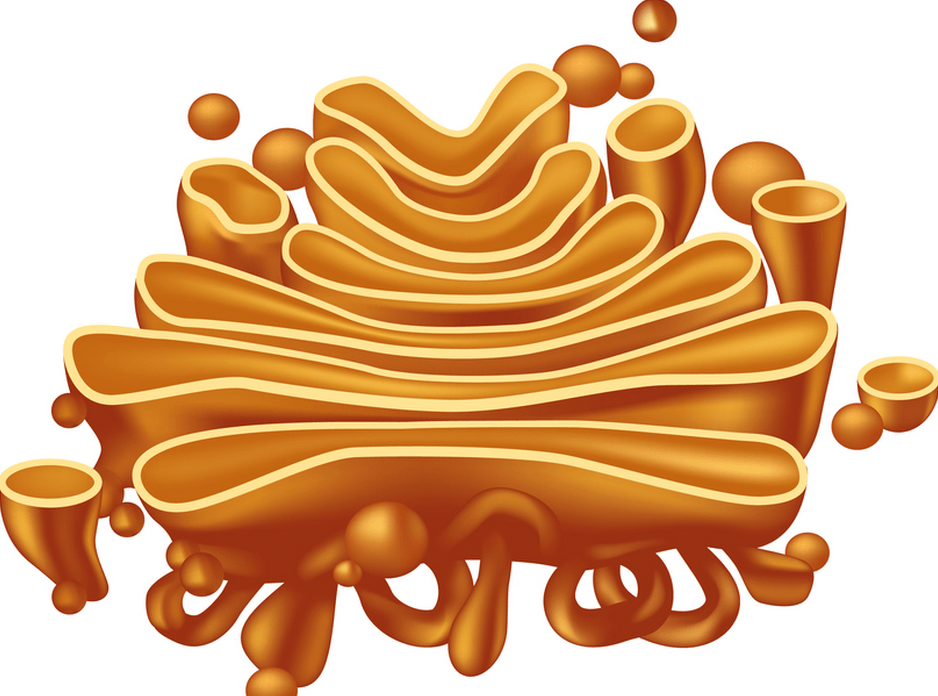
I am a protein packaging and shipping machine! Who am I?
a)
vacuole
b)
ribosome
c)
mitochondrion
d)
golgi apparatus
12.
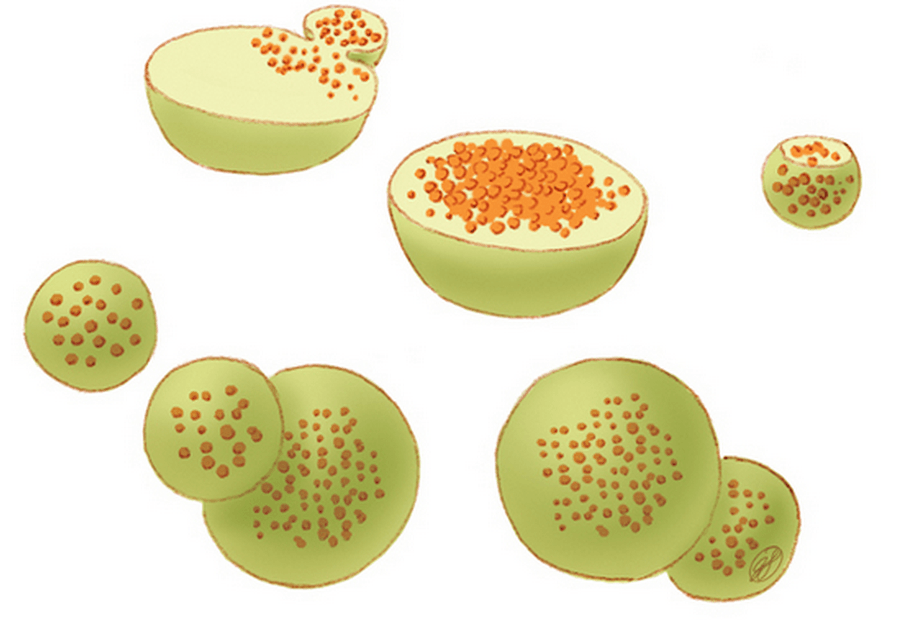
You might think of me as the trash collector, but recycler is maybe more accurate. What am I?
a)
mitochondria
b)
lysosome
c)
vacuole
d)
ribosome
13.
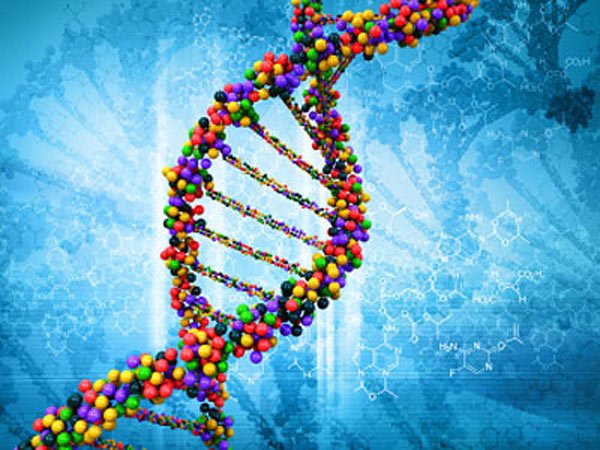
What is the name of the genetic material that is inside the nucleus?
a)
ER
b)
ATP
c)
YOLO
d)
DNA
14.
Where are proteins made?
a)
Golgi body
b)
Mitoichondria
c)
Chromosomes
d)
Ribosomes
15.
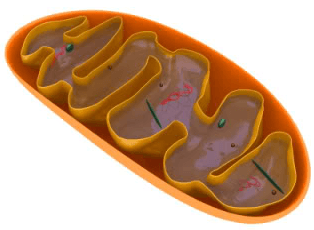
What are tiny organelles that convert glucose into energy?
a)
Ribosomes
b)
Vesicles
c)
Cytoskeleton
d)
Mitochondria
16.
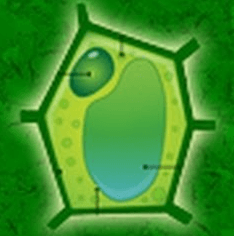
A rigid layer that lies outside the cell's membrane is...
a)
Cytoskeleton
b)
Cilia
c)
Cell Wall
d)
Flagella
17.
What organelle is called the "powerhouse" of a cell?
a)
Endoplasmic Reticulum
b)
Nucleus
c)
Mitochondria
d)
Nucleolus
18.
What is the gel-like substance inside of cells called?
a)
photoplasm
b)
photosynthesis
c)
cytoskeleton
d)
cytoplasm
19.

What kind of cell is this?
a)
animal cell
b)
bell bell
c)
plant cell
d)
vacuole
20.
Primitive
No membrane bound organelles
No membrane bound organelles
a)
Prokaryotic
b)
Eukaryotic
21.
Advanced
Membrane bound organelles
Membrane bound organelles
a)
Prokaryotic
b)
Eukaryotic
22.
Plant and animal cells
a)
Prokaryotic
b)
Eukaryotic
23.

Structure A in the diagram is the _____________
a)
vacuole
b)
nucleus
c)
mitochondria
d)
golgi
24.

Structure B in the diagram is the _________.
a)
cell wall
b)
plasma membrane
c)
vacuole
d)
nucleus
25.

Structure C in the diagram is the ____________.
a)
chloroplast
b)
mitochondria
c)
golgi
d)
ribosome
26.

Structure D in the diagram is the ___________.
a)
nucleus
b)
vacuole
c)
golgi
d)
chloroplast
27.

Structure E in the diagram is the __________.
a)
mitochondria
b)
nucleus
c)
vacuole
d)
cholorplast
28.

Structure F in the diagram is the ___________.
a)
endoplasmic reticulum
b)
golgi
c)
nucleus
d)
chloroplast
29.

Structure G in the diagram is the __________.
a)
endoplasmic reticulum
b)
golgi
c)
cell wall
d)
plasma membrane
30.

Structure H in the diagram is the ___________
a)
cell wall
b)
plasma membrane
c)
nucleus
d)
mitochondria
31.

Fruit fly body cells have 8 chromosomes. After mitosis, you would expect a resulting fruit fly daughter cell to have ...
a)
16 chromosomes.
b)
46 chromosomes.
c)
8 chromosomes.
d)
4 chromosomes.
32.
The process by which the nuclear material is divided equally between two new cells
a)
mitosis
b)
cancer
c)
spindle
d)
centromere
33.

Name the phase:
a)
Anaphase
b)
Telophase
c)
Metaphase
d)
Prophase
34.

Name the phase:
a)
Anaphase
b)
Telophase
c)
Metaphase
d)
Prophase
35.

What is the next phase of mitosis?
a)
Prophase
b)
Metaphase
c)
Anaphase
d)
Telophase
36.

What is the next phase of mitosis?
a)
Prophase
b)
Metaphase
c)
Anaphase
d)
Telophase
37.

What is the next phase of mitosis?
a)
Prophase
b)
Metaphase
c)
Anaphase
d)
Telophase
38.

Name the previous phase.
a)
Prophase
b)
Metaphase
c)
Anaphase
d)
Telophase
39.

Name the previous phase.
a)
Prophase
b)
Metaphase
c)
Anaphase
d)
Telophase
40.

Name the previous phase.
a)
Prophase
b)
Metaphase
c)
Anaphase
d)
Telophase
41.

Name the previous phase.
a)
Prophase
b)
Metaphase
c)
Anaphase
d)
Telophase
42.

Name the phase:
a)
Prophase
b)
Metaphase
c)
Anaphase
d)
Telophase
43.

Name the phase:
a)
Prophase
b)
Metaphase
c)
Anaphase
d)
Telophase
44.

Name the phase:
a)
Prophase
b)
Metaphase
c)
Anaphase
d)
Telophase
45.

Name the phase:
a)
Prophase
b)
Metaphase
c)
Anaphase
d)
Telophase
46.
The cells produced via meiosis are called:
a)
sex cells
b)
somatic cells
c)
body cells
d)
skin cells
47.

When an area of a chromatid is exchanged with the matching area on a chromatid of its homologous chromosome, _________________ occurs
a)
crossing over
b)
mutagenesis
c)
hybridization
d)
fertilization
48.

Which process and type of resulting cells are represented?
a)
mitosis, gametes
b)
mitosis, body cells
c)
meiosis, gametes
d)
meiosis, body cells
49.
A male shark has 40 chromosomes in each of its sex cells. How many would be present in its body cells?
a)
20
b)
40
c)
80
d)
160
50.
Chromosomes exchange genetic material during
a)
crossing over
b)
replication
c)
synthesis
d)
translation
100 %

