
 Worksheets
Interdependence & the Cycling of Energy and Matter
Total questions: 44
Worksheet time: 30mins
Name
Class
Date
1.

In the energy pyramid here, which organisms have the most energy available?
a)
Producers
b)
Carnivores
c)
Herbivores
d)
Top Predator
2.

In the energy pyramid below, which organism has the least amount of energy available?
a)
Producers
b)
Herbivores
c)
Carnivores
d)
Top Predator
3.

In the energy pyramid here, how much of the energy in the producers gets passed to the herbivores?
a)
10%
b)
20%
c)
80%
d)
90%
4.
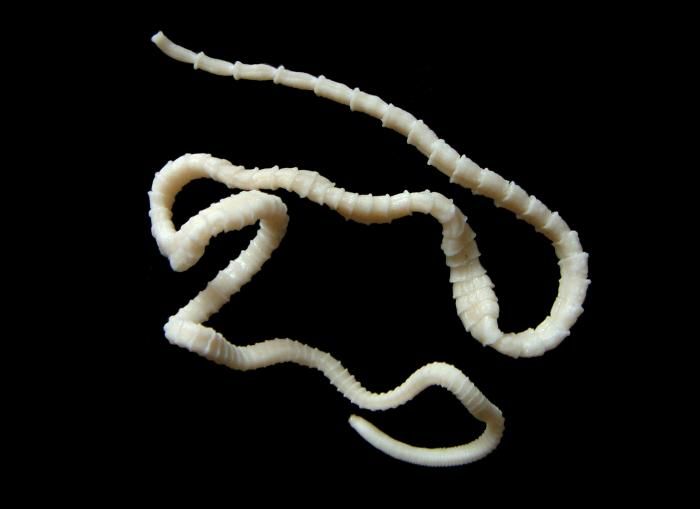
A tapeworm and a cat have this type of relationship.
a)
mutualism
b)
parasitism
c)
commensalism
d)
competition
5.
A relationship between two organisms in which one organism benefits and the other is unharmed...
a)
Mutualism
b)
Competition
c)
Parasitsm
d)
Commensalism
6.
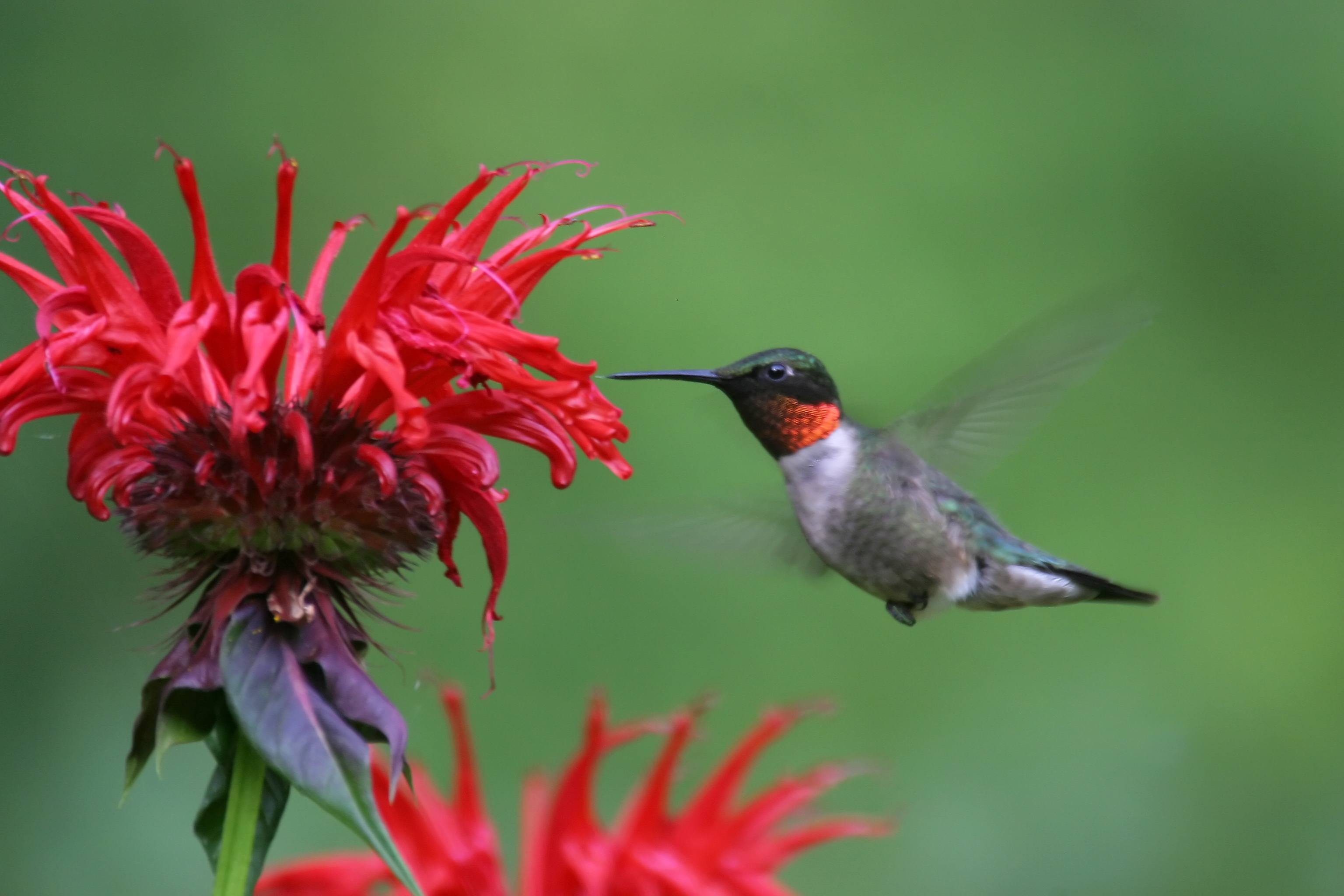
What type of symbiosis? Hummingbirds feed on nectar from flowers. The flowers are pollinated by hummingbirds as they move from flower to flower.
a)
commensalism
b)
mutualism
c)
parasitism
d)
predation
7.
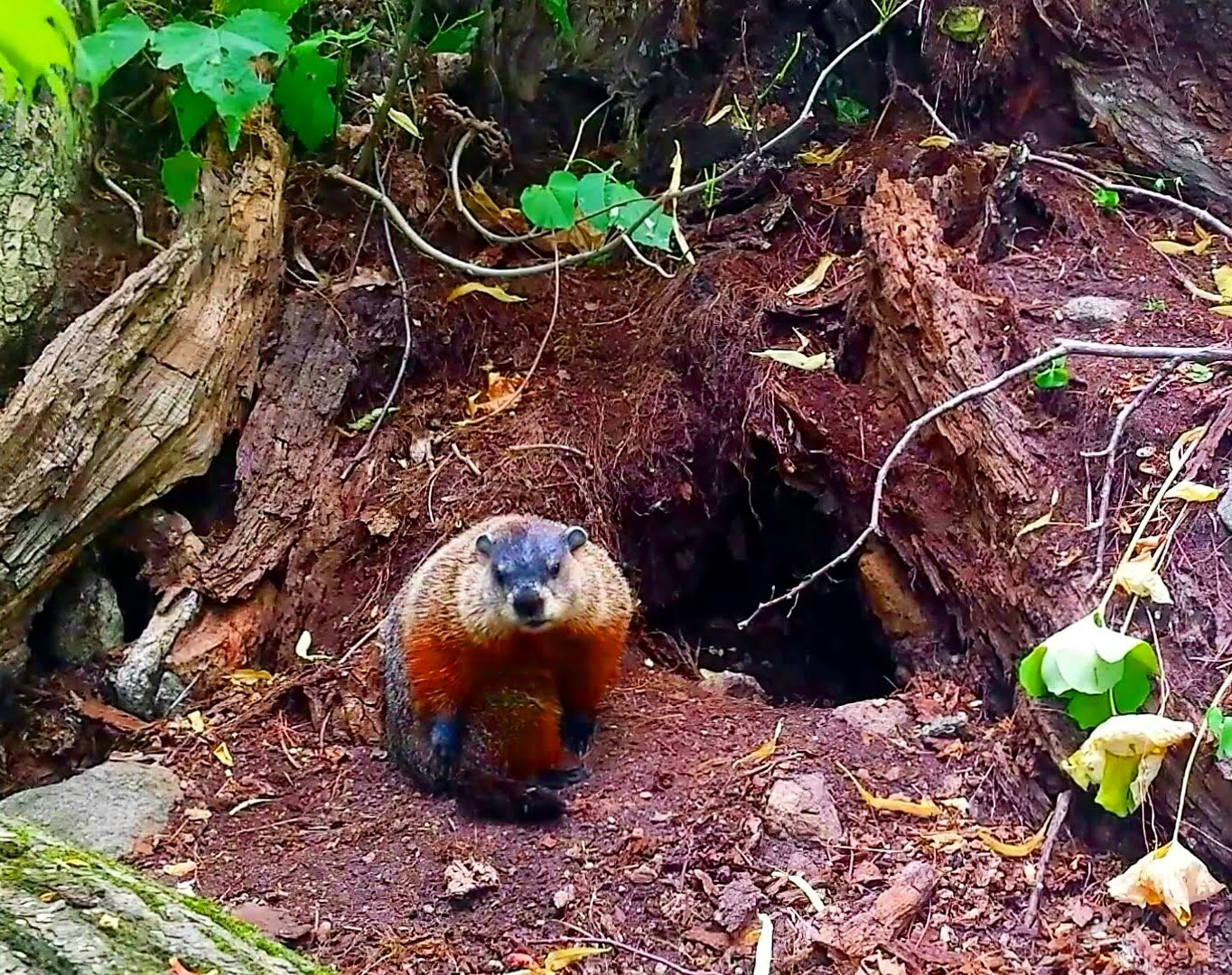
What type of symbiosis? Skunks often live in burrows that have been dug and abandoned by woodchucks.
a)
commensalism
b)
mutualism
c)
parasitism
d)
predation
8.
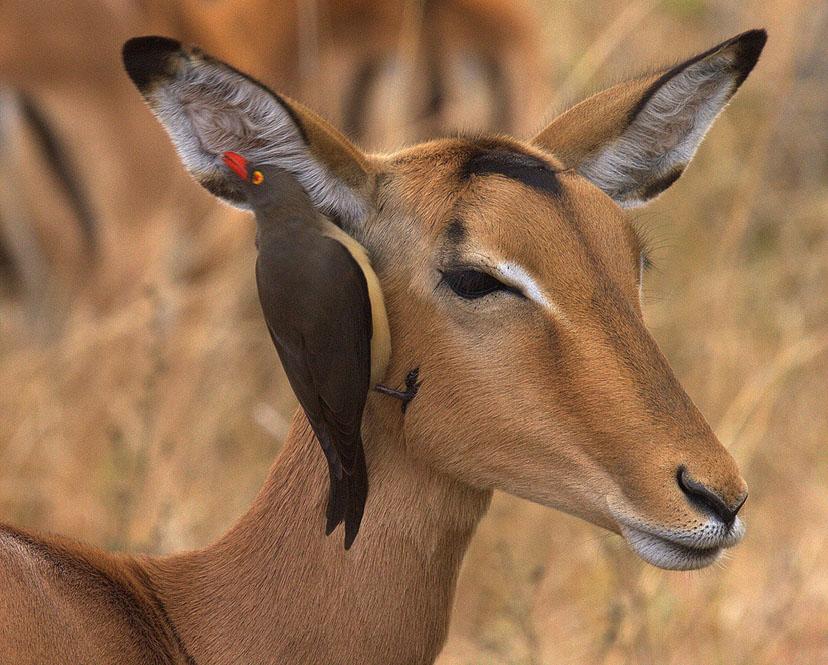
Red-billed oxpeckers are birds that often feed on parasites that infest impala. This is an example of _______.
a)
commensalism
b)
mutualism
c)
neutralism
d)
competition
9.
A relationship between two organisms in which both organisms benefit.
a)
Mutualism
b)
Competition
c)
Parasitsm
d)
Commensalism
10.
What type of symbiosis?
*Fungi form lichens by living in a close relationship with an algae. The fungus provides a protective home for the algae, and gathers mineral nutrients from rainwater and from dissolving the rock underneath.
*The algae gathers energy from the sun using photosynthesis. Both organisms share their nutrients with each other.
*Fungi form lichens by living in a close relationship with an algae. The fungus provides a protective home for the algae, and gathers mineral nutrients from rainwater and from dissolving the rock underneath.
*The algae gathers energy from the sun using photosynthesis. Both organisms share their nutrients with each other.
a)
commensalism
b)
mutualism
c)
parasitism
d)
predation
11.
How many types of symbiosis are there?
a)
5
b)
7
c)
3
d)
If you pick this you're silly
1000
1000
12.
A type of symbiosis that involves an organism getting a benefit while causing harm to the other organism
a)
mutualism
b)
predation
c)
symbiosis
d)
parasitism
13.
A symbiotic relationship that is beneficial for one organism but does not benefit or harm the other
a)
commensalism
b)
symbiosis
c)
competition
d)
mutualism
14.
In commensalism
a)
one species is killed
b)
one species is harmed
c)
one species is unaffected
d)
both species benefit
15.
In parasitism
a)
Both species benefit
b)
One species is harmed
c)
Species fight for something
d)
One species is unaffected
16.
In mutualism
a)
both species benefit
b)
one species is killed
c)
both species fight for something
d)
one species is unaffected
17.
The black bear has a tick on it's back. The Bear is HURT and the tick gets blood or food. The tick is HELPED.
a)
parasitism
b)
mutualism
c)
commensalism
18.
Energy pyramids are BEST used to represent
a)
how useful energy decreases as it flows through a food chain
b)
the carnivores need more energy than other organisms for survival
c)
the producers have less competition than other organism
d)
which organisms consume other organisms in a food web
19.
Which would BEST represent a community?
a)
bison herd
b)
hawk, snake,bison,prairie dog, grass
c)
bison
d)
hawk,snake,bison,prairie dog, grass,stream,rocks, air
20.
Producers are found at the bottom of the pyramid because producers
a)
provide energy for consumers
b)
have less mass than consumers
c)
have fewer species than consumers
d)
depend on consumers
21.

A meat-eater (eats other animals)
a)
herbivore
b)
carnivore
c)
omnivore
d)
parasite
22.

Organisms that make their own food (use sunlight to make energy)
a)
producers
b)
consumers
c)
decomposers
d)
scavengers
23.

Any organism that CANNOT make its own food internally...it has to eat or ingest other organisms!
a)
scavenger
b)
producer
c)
consumer
d)
decomposer
24.

Things in an ecosystem need each other to survive...
a)
ecosystem
b)
environment
c)
symbiosis
d)
interdependency
25.
- Interconnected food chains
- Shows all possible feeding relationships at each trophic level in a community
- Shows all possible feeding relationships at each trophic level in a community
a)
Food chain
b)
Food Web
c)
Ecosystem
d)
Community
26.
Which of the following is an example of competition?
a)
Cheetahs and lions survive by hunting antelope, warthogs, and hares.
b)
The cattle egret eats the insects pulled from the ground by grazing cows.
c)
A red robin's prey includes insects, worms, and berries.
d)
A butterfly pollinates plants as it drinks nectar from flowers.
27.

Sugar Maple Tree
a)
Heterotroph
b)
Autotroph
28.

Cat
a)
Autotroph
b)
Heterotroph
29.

Penguin
a)
Heterotroph
b)
Autotroph
30.
Another term for consumer
a)
Heterotroph
b)
Autotroph
31.
Another term for producer
a)
Heterotroph
b)
Autotroph
32.

Otter
a)
Autotroph
b)
Heterotroph
33.

Willow Tree
a)
Heterotroph
b)
Autotroph
34.

Peony Plant
a)
Heterotroph
b)
Autotroph
35.
Undergoes photosynthesis
a)
Heterotroph
b)
Autotroph
36.

White-tailed deer
a)
Autotroph
b)
Heterotroph
37.

Caterpillar
a)
Heterotroph
b)
Autotroph
38.
Which of the following lists contains only decomposers?
a)
fungi, trees, worms, insects
b)
worms, fungi, insects, bacteria
c)
bacteria, trees, fungi, worms
d)
dirt, bacteria, fungi, worms
39.
Which of the following statements is true?
a)
Decomposers are a special type of producer
b)
Worms are not decomposers
c)
Decomposers are living things
d)
None of these are true
40.
Decomposers break down waste into -
a)
nutrients and mud
b)
chemicals and dirt
c)
nutrients and chemicals
d)
oxygen and chemicals
41.
What are the two important jobs of a decomposer in an ecosystem?
a)
Keep waste from piling up and give carnivores energy
b)
Put energy back in the food chain and keep waste from piling up
c)
Put energy back in the food chain and compete against herbivores for food
d)
Supply the oxygen needed for plants to make food and keep waste from piling up
42.
Lions would be considered a
a)
Autotroph
b)
Primary Consumer
c)
Producer
d)
Tertiary Consumer
43.
Every time you move through a food web and up the energy pyramid the biomass and energy _______________.
a)
Decrease
b)
Increase
c)
Stay the same
d)
Power Mr. McNealy to be more mean!!!!!
44.
Organisms use oxygen to burn sugar and release carbon dioxide through a process called
a)
cooperation
b)
transpiration
c)
respiration
d)
nitrogen fixation
100 %

