
 Worksheets
Diffusion
Total questions: 38
Worksheet time: 30mins
What does “high concentration area” mean?
Spread out
Tightly packed together
Uncrowded
Spacious
When particles move from areas of high concentration to areas less concentrated, this has taken place.
diffusion
mitosis
endocytosis
photosynthesis
What process occurs when WATER diffuses across a membrane?
endocytosis
mitosis
osmosis
nuclear fission

Which diagram best shows the end result of diffusion?
F
G
H
J
Why is diffusion and osmosis important to cells?
It allows them to take in materials without using energy.
It allows them to reproduce.
It allows them to absorb sunlight.
It allows cells to use all energy.

The picture is an example of _________________.
isotonic
diffusion
osmosis
active transport
When both inside and outside of a cell have the same amount of water it is said that the cell has reached a state of ___________.
osmosis
equilibrium
diffusion
hypertonic
In this given scenario, corn syrup is hypertonic to an egg with a dissolved shell. What will happen to the egg when it is place in corn syrup?
It will stay the same.
It will swell- get bigger.
It will shrink- get smaller.
In the given scenario what will happen? An egg with a dissolved shell is placed in pure water for 48 hours.
Water will move in and out of the cell equally, and the cell with neither shrink nor swell.
The egg will gain water and swell.
The egg will lose water and shrink.
What does selectively-permeable mean?
The cell controls what passes in and out of the cell
Nothing gets through
The cell lets only large substances through

Which way will the water molecules move during osmosis?
Out of the cell, so the cell shrinks.
Out of the cell, so the cell swells.
Into the cell, so the cell shrinks.
Into the cell, so the cell swells.
What is diffusion?
when molecules move
when molecules move from a high concentration to a low.
no movement
molecules move everywhere
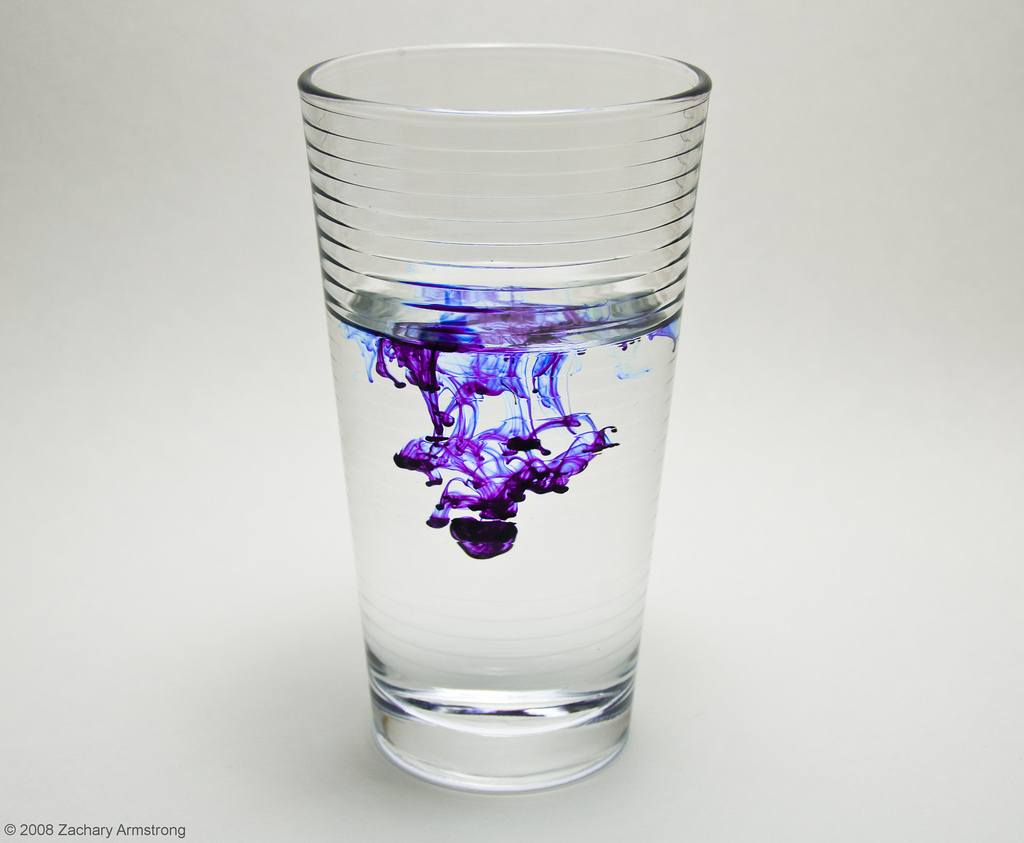
Where is there a low concentration of dye?
at the bottom of cup
in the color
at the top of cup
no concenteraion gradient
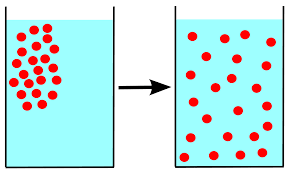
The picture below is an example of _________________.
osmosis
isotonic
diffusion
active transport
Osmosis is the movement of _____ across a membrane.
food
energy
oxygen
water
During osmosis
water moves from high to low concentration
large or oddly shaped molecules move across a cell membrane
water moves when energy is used
proteins are built
Permeable means
things can pass through
the concentration levels are different
it is permanent
things are stuck

What a cell needs to transport particles by active transport?
Sun
Wind
Energy
Channels
If there is 5 percent water inside a cell and 5 percent water outside a cell
more water will move inside the cell
more water will move outside the cell
There will be no movement of water cells
The movement of molecules against a concentration gradient
simple diffusion
facilitated diffusion
active transport
osmosis

The picture is an example of...
active tranport
passive transport
diffusion
osmosis
Sometimes, energy is required for ____ molecules to go in or out of the cell because they cannot fit into the membrane.
big
small
crunchy
water
Diffusion is the movement of molecules from an area of _____ concentration to an ______ concentration
High, low
Low, high
Low, low,
High, high
In diffusion, particles move down a _______ ________
Concentrate gradient
Conceited gradient
Concentration gradient
Concentrated orange juice
If there is more oxygen in the blood than in an organ, which direction would the oxygen move?
Out of the blood
Into the blood
Solubility is defined as
the ability to catch on fire
the ability to be dissolved
the ability to fly.
the ability to get on Mrs. D's nerves.
The substance being dissolved in a solution.
sands
solute
solvent
alloy
The substance in which a solute is dissolved
sands
solvent
alloy
negative particles
Solutions are composed of __________ .
salts and solutes
solvents and salts
solutes and alloys
solutes and solvents
If we are making Kool-aid with sugar, Kool-aid powder, and water, which part is the solvent?
water
powder
sugar
powder and sugar
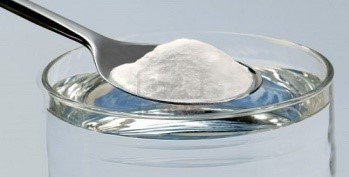
In this mixture, which of the following will be the solute?
The water in the glass
The glass that holds the final mixture
The solution containing both powder and water
The powder on the spoon
Lemonade - Water, lemon juice, and sugar
Identify the solute
water
lemon juice
sugar and lemon juice
What is a solvent?
The substance that does the dissolving in a solution.
The substance that is being dissolved in a solution.
The mixing of different substances.
The process in which neutral molecules lose or gain electrons
If a spoonful of salt is mixed in a glass of water, what is the water called?
A. solute
B. solution
C. solvent
D. element
Which is an example of a solute?
Egg whites
Sugar
Water
Acetone
You can make a solution more concentrated by adding __________.
solute
solvent
water

