
 Worksheets
weather review
Total questions: 57
Worksheet time: 49mins
Name
Class
Date
1.

What part of the illustration shows Evaporation?
a)
1
b)
2
c)
3
d)
4
2.

Which number illustrates Condensation?
a)
1
b)
2
c)
3
d)
4
3.
Which weather tool measures air pressure?
a)
thermometer
b)
barometer
c)
anemometer
d)
psychrometer
4.
This weather tool measures wind speed and direction
a)
thermometer
b)
barometer
c)
anemometer
d)
psychrometer
5.
Which weather tool measures temperature?
a)
thermometer
b)
barometer
c)
psychrometer
d)
anememeter
6.
The boundary between two air masses is known as:
a)
front
b)
storm
c)
climate
d)
flood
7.
Hot air (RISES / FALLS) __________.
a)
RISES
b)
FALLS
8.
Cold air (RISES/ FALLS) _________.
a)
RISES
b)
FALLS
9.
Which condition usually means cloudy, stormy weather?
a)
high pressure
b)
low pressure
10.

A _____ is a large, swirling, low-pressure system that forms over the Atlantic Ocean.
a)
blizzard
b)
cold front
c)
tornado
d)
hurricane
11.

A violently rotating column of air called a _____ when it comes in contact with the ground.
a)
hurrican
b)
tornado
c)
trade wind
d)
local wind
12.
Rain, snow, sleet, and hail are all forms of _____.
a)
precipitation
b)
condensation
c)
evaporation
d)
climate
13.

This weather tool is used to measure...
a)
Rainfall
b)
Wind Direction
c)
Wind Speed
d)
Temperature
14.

This weather tool is used to measure...
a)
Temperature
b)
Rainfall
c)
Wind Speed
d)
Humidity
15.

This weather tool is used to determine...
a)
Temperature
b)
Wind Vain
c)
Wind Direction
d)
Rainfall
16.

What type of clouds are pictured?
a)
Cumulous
b)
Stratus
c)
Cirrus
17.

What type of cloud is pictured?
a)
Cirrus
b)
Stratus
c)
Cumulous
d)
Nimbus
18.

What type of cloud is pictured?
a)
Cirrus
b)
Stratus
c)
Cumulous
d)
Nimbus
19.
What are the daily conditions of temperature, humidity and precipitation?
a)
weather
b)
climate
20.
What are the yearly conditions of temperature, precipitation and humidity?
a)
weather
b)
climate
22.
As your distance from the equator increases, what happens to temperature?
a)
temperature increases
b)
temperature decreases
22.
As your distance from the equator increases, what happens to temperature?
a)
temperature increases
b)
temperature decreases
23.
Which climate zone gets the least amount of direct sunlight and is the coldest?
a)
tropical
b)
temperate
c)
polar
24.
Which climate zone gets the most amount of direct sunlight and rainfall and is the warmest?
a)
tropical
b)
temperate
c)
polar
25.

This weather instrument is a...
a)
rain gauge
b)
U.F.O.
c)
satellite
d)
anemometer
26.

This weather instrument is a...
a)
thermometer
b)
wind vane
c)
anemometer
d)
rain gauge
27.
Temperature is measured in...
a)
degrees
b)
inches
c)
centimeters
d)
feet
28.
This tool is used with a wind vane to determine the direction of the wind.
a)
wrench
b)
screwdriver
c)
compass
d)
telescope
29.
What pushes weather from place to place?
a)
magic
b)
water
c)
wind
d)
clouds
30.

What is A?
a)
Evaporation
b)
Condensation
c)
Precipitation
d)
Runoff
31.

What is B?
a)
Evaporation
b)
Condensation
c)
Precipitation
d)
Runoff
32.

What is C?
a)
Evaporation
b)
Condensation
c)
Precipitation
d)
Runoff
33.

What is D?
a)
Evaporation
b)
Condensation
c)
Precipitation
d)
Runoff
34.
What source of energy evaporates the most water from Earth’s surface?
a)
volcanoes
b)
the sun
c)
lightning
d)
wind
35.
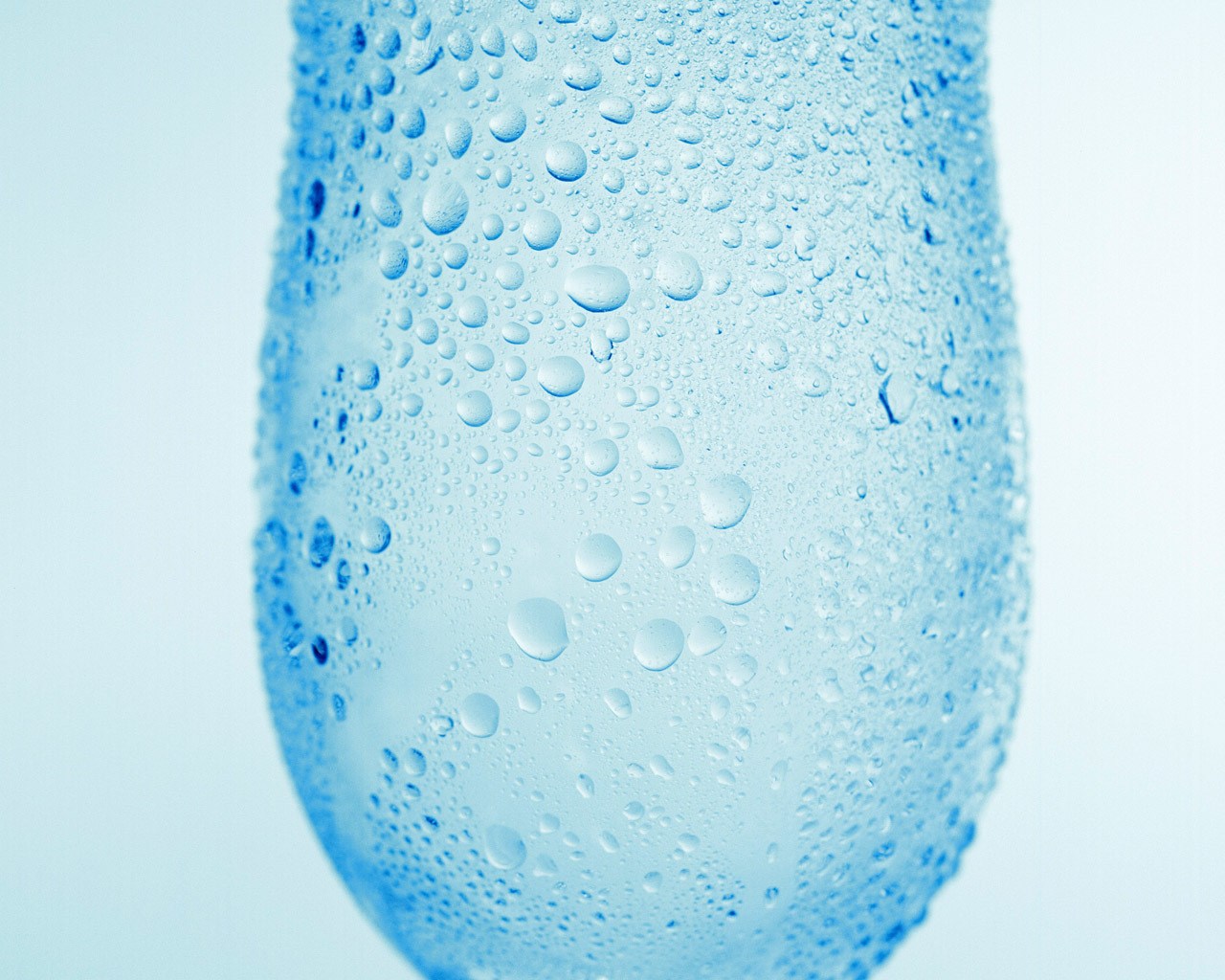
What is water vapor doing when it changes to water?
a)
evaporating
b)
condensing
c)
precipitating
d)
runoff
36.
When clouds form - what process is occurring?
a)
Meteorology
b)
Condensation
c)
Collection
d)
Runoff
37.
Suppose you are outside and see lightning strike the ground. The first thing you should do is...
a)
take cover inside
b)
avoid windows
c)
stand near metal objects
d)
listen for thunder
38.

A person who works with the weather is called ____.
a)
meterologists
b)
palentologists
c)
smarty-pants
d)
tornado chaser
39.
Moving air is known as..
a)
fog
b)
thunder
c)
wind
d)
heat
40.
What type of climate is very cold?
a)
savanna
b)
polar
c)
tropical
d)
temperate
41.
Where are the warmest climates located?
a)
near the equator
b)
near the North Pole
c)
near the South Pole
d)
in the Northern Hemisphere
42.
Where is a safe place to be during a storm?
a)
a weather station
b)
a shelter
c)
a rooftop
d)
a park
43.
Why does precipitation fall from clouds?
a)
Water on the ground is heated by the sun.
b)
Living things on the ground need water.
c)
Water droplets are get too heavy to float in air.
d)
The temperature on the ground is very warm.
44.
Average temperatures:
Winter: 32
Spring: 65
Summer: 80
Fall: 54
Which season has the highest average temperature?
Winter: 32
Spring: 65
Summer: 80
Fall: 54
Which season has the highest average temperature?
a)
winter
b)
spring
c)
summer
d)
fall
46.
What is it called when liquid water turns into water vapor?
a)
condensation
b)
evaporation
c)
sleet
d)
run-off
46.
What is it called when liquid water turns into water vapor?
a)
condensation
b)
evaporation
c)
sleet
d)
run-off
47.
What is the layer of air that surrounds Earth?
a)
water vapor
b)
condensation
c)
precipitation
d)
atmosphere
48.
Which tool is used to measure precipitation?
a)
thermometer
b)
compass
c)
rain gauge
d)
wind vane
50.
The Sun gives us all of the following except-
a)
light
b)
heat
c)
energy
d)
water
50.
The Sun gives us all of the following except-
a)
light
b)
heat
c)
energy
d)
water
51.
What does the Sun provide for the water cycle?
a)
light energy
b)
heat energy
c)
mechanical energy
d)
sound energy
53.
Energy to create weather comes from-
a)
clouds
b)
the Sun
c)
the atmosphere
d)
evaporation
53.
Energy to create weather comes from-
a)
clouds
b)
the Sun
c)
the atmosphere
d)
evaporation
54.
A student places a cup of water outside on a cold day. At what temperature will the cup of water in the cup change to ice
a)
32 °F
b)
32°C
c)
0°F
d)
100°C
55.
What happens to water vapor as it rises higher and higher into the air?
a)
it cools, and condenses
b)
it evaporates
c)
it stays as water vapor
d)
nothing
56.
What happens during the process of evaporation? Give an example.
a)
evaporation is when water changes from a liquid to a gas - example - a puddle disappearing on a hot day
b)
evaporation - changing from a gas to a liquid example - rain
c)
evaporation - water vapor cools and condenses on dust particles example - clouds
d)
evaporation - water droplets get to heavy in the clouds and fall back to earth example - snow
57.
What happens during the process of condensation? Give an example.
a)
condensation is when water changes from a liquid to a gas - example - a puddle disappearing on a hot day
b)
condensation - changing from a gas to a liquid example - rain
c)
condensation - water vapor cools and condenses on dust particles example - clouds
d)
condensation - water droplets get to heavy in the clouds and fall back to earth example - snow
100 %

