
 Worksheets
Weather
Total questions: 25
Worksheet time: 20mins
Name
Class
Date
1.
If an air mass is rising, it must be
a)
cold and less dense
b)
cold and more dense
c)
warm and more dense
d)
warm and less dense
2.
If an air mass is sinking, it must be
a)
cold and less dense
b)
cold and more dense
c)
warm and more dense
d)
warm and less dense
3.
In a high pressure area, the weather will likely be
a)
warmer and clear skies
b)
warm but cloudy
c)
cold and rainy
d)
cold and clear
4.
A front is
a)
where warm air is cooling at earth's surface
b)
a line where hot and cold air are separating
c)
a line where two different air masses meet
d)
where cold air is rising and forming rain clouds
5.
Cold air sinks causing an area of
a)
high pressure
b)
low pressure
c)
No pressure
d)
humdity
6.
Another term for air movement caused by differences in air pressure is
a)
air
b)
wind
c)
rain
d)
precipitation
7.
What flows does the Jet Stream have?
a)
West to East
b)
West to South
c)
North to West
d)
South to East
8.
What is the jet stream?
a)
Precipitation in North Carolina
b)
Weather over a long period of time
c)
Strong winds above the Earth's surface
d)
Football flying over the Earth
9.
How is climate different than weather?
a)
weather is defined by long-term climate patterns
b)
climate is defined by long-term weather patterns
c)
climate is what happens on a day-to-day basis
d)
weather is a measure of temperature and rainfall patterns
10.
If you collect data for average yearly rainfall, average yearly temperature and wind patterns, what are you measuring?
a)
ocean currents
b)
soil type
c)
climate
d)
weather
11.
Ice core samples have bubbles of atmosphere. What are scientists interested in?
a)
amount of water vapor
b)
how the ozone has changed over time
c)
the amount of ice in each layer
d)
the amount of carbon dioxide
12.
How does the air move in a sea breeze?
a)
wind moves from north to south
b)
wind moves from ocean to the land
c)
wind moves from the land to the ocean
d)
wind moves from south to north
13.
In a sea breeze, the air is warmer above the _____.
a)
land
b)
ocean
c)
sky
d)
beach
14.
How does the air move in a land breeze?
a)
From east to west
b)
From west to east
c)
From the land to the ocean
d)
From the ocean to the land
15.
When warm air rises, ______ pressure forms at the surface of the land or sea.
a)
high
b)
some
c)
low
d)
none
16.
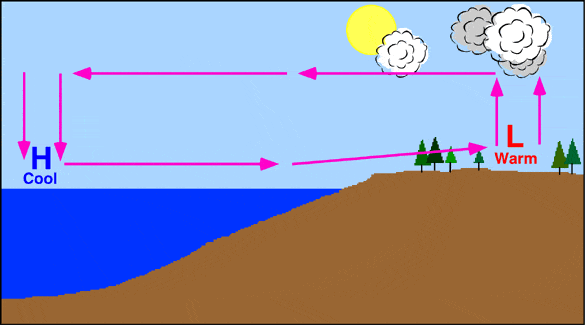
Is this a land or a sea breeze?
a)
land breeze
b)
sea breeze
17.
The jet stream usually moves from
a)
north to south
b)
west to east
c)
east to west
d)
south to north
18.

The sun shines down on this family as the play on the beach.
a)
conduction
b)
convection
c)
radiation
19.

Walking on the warm sand sand with your bare feet.
a)
conduction
b)
convection
c)
radiation
20.

Blow drying your wet hair.
a)
conduction
b)
convection
c)
radiation
21.
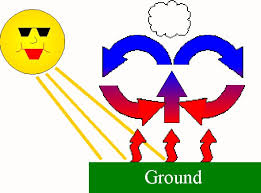
Warm air rises and the cool air sinks.
a)
conduction
b)
convection
c)
radiation
22.

Heat transfers from an area of ____temperature to an area of ___ temperature.
a)
high to low
b)
low to high
c)
high to high
23.
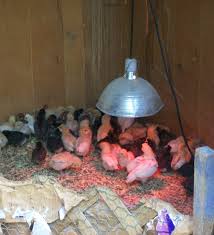
The baby chickens are kept warm from the heat lamps.
a)
conduction
b)
convection
c)
radiation
24.
How do we name air masses?
a)
Water and temperature
b)
Air pressure
c)
moisture and temperature
d)
Cold and warm
25.
4. An air mass is...
a)
A body of air with the same temperature and moisture throughout.
b)
a body of air that produces rain
c)
A body of evaporated water
d)
the weight of air
100 %

