wayground logo

Free Printable Worksheets

NEW

Font size

S
M
L
XL
Worksheets

Types of Cells and Structure EOC Review

Total questions: 62

Worksheet time: 1hrs 16mins

Name
Class
Date
1.

This organelle takes sugar (glucose) and turns it into ENERGY for cells to use.

a)

Chloroplast

b)

Mitochondria

c)

Lysosome

d)

Ribosome

2.
The site of photosynthesis
a)
ribosome
b)
mitochondria
c)
chloroplast
d)
nucleus
3.
Directs all cell activities through the DNA located there.
a)
Lysosomes
b)
Nucleus
c)
ribosomes
d)
Mitochondria
4.
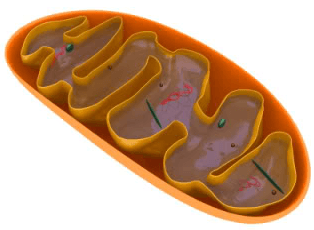
What organelle is this?
a)
Lysosomes
b)
Nucleus
c)
ribosomes
d)
Mitochondria
5.
Which of the following is directly involved in the transportation of materials (like lipids and proteins) inside/within the cell?
a)
Endoplasmic Reticulum
b)
Vacuole
c)
Lysosome
d)
Mitochondria
6.
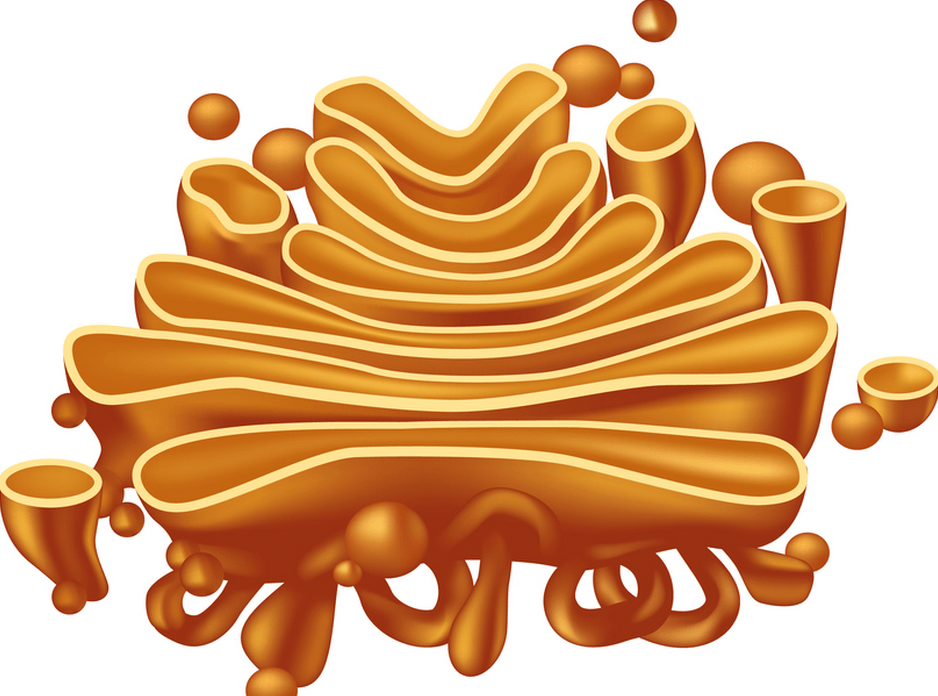
What organelle is this?
a)
vacuole
b)
ribosome
c)
mitochondrion
d)
golgi apparatus
7.
I am a protein packaging and shipping machine! Who am I?
a)
vacuole
b)
ribosome
c)
mitochondrion
d)
golgi apparatus
8.
The organelle that digests and recycles old parts of the cell.
a)
mitochondria
b)
lysosome
c)
vacuole
d)
ribosome
9.
Which part of the cell is often called "the brain of the cell"?
a)
nuclear membrane
b)
endoplasmic reticulum
c)
nucleus
d)
mitochondria
10.

What is technically found in both plant and animal cells that stores mostly water but plant cells have one large one?

a)

Nucleus

b)

Mitochondria

c)

Chloroplast

d)

Vacuole

11.
Where are proteins made?
a)
Golgi body
b)
Mitoichondria
c)
Chromosomes
d)
Ribosomes
12.
I am the outer most layer of an animal cell. What am I?
a)
cell wall
b)
nucleus
c)
cell membrane 
d)
cell skin
13.

What are tiny organelles that break down glucose into Energy (ATP)?

a)

Ribosomes

b)

Vesicles

c)

Cytoskeleton

d)

Mitochondria

14.
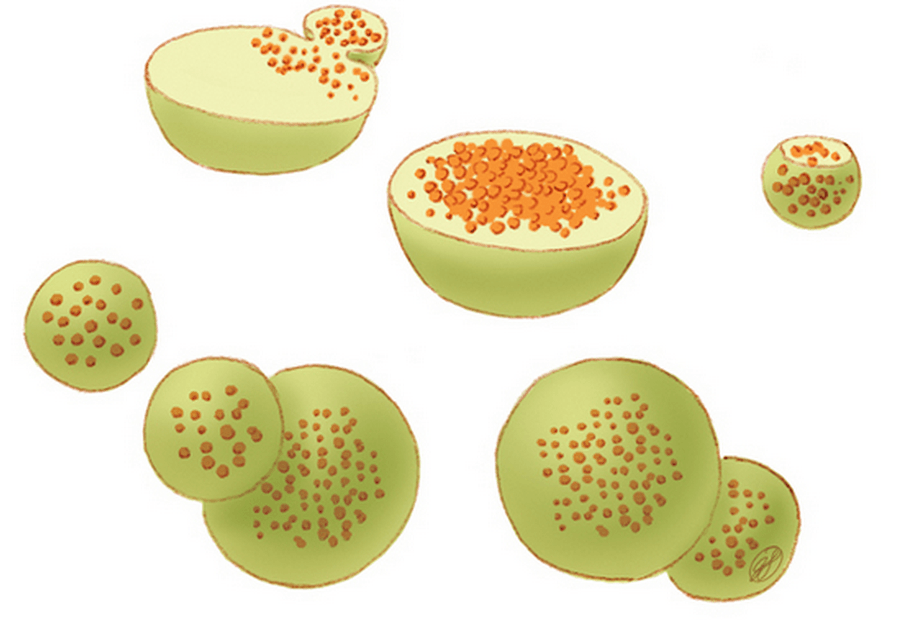
What organelle is this?
a)
Ribosomes
b)
Vesicles
c)
Cytoskeleton
d)
Mitochondria
15.
A rigid layer that lies outside the cell's  membrane is...
a)
Cytoskeleton
b)
Cilia
c)
Cell Wall
d)
Flagella
16.
What organelle is called the "powerhouse" of a cell?

a)
Endoplasmic Reticulum
b)
Nucleus
c)
Mitochondria
d)
Nucleolus
17.
What is the gel-like substance inside of cells called?

a)
photoplasm
b)
photosynthesis
c)
cytoskeleton
d)
cytoplasm
18.
This is a double layer of phospholipids that creates a barrier between the cells internal and external environments; it controls what comes in or out of the cell (selective permeable)
a)
Nucleus
b)
Cilia
c)
Cell membrane
d)
Flagella
19.
What would happen to the plant cell without the chloroplasts?
a)
There wouldn't be an organelle that performs photosynthesis
b)
There wouldn't be an organelle that serves as the resevoir for water and waste
c)
There wouldn't be an organelle that regulates what comes in and out of the cell
d)
They wouldn't be an organelle that makes necesary proteins
20.
What tool do you use to view the cells?
a)
metric ruler
b)
centrifuge
c)
microscope
d)
pipette
21.
What organelles is NOT found in a PROkaryote
a)
nucleus
b)
cell membrane
c)
Chromosomes (DNA)
DNA
d)
ribosomes
22.

Which is smallest

a)

Prokaryote

b)

Eukaryote

c)

same size

23.

Which has ribosomes?

a)

Prokaryote

b)

Eukaryote

c)

both

24.

Which has cytoplasm?

a)

Prokaryote

b)

Eukaryote

c)

both

25.

Which has nucleus

a)

Prokaryote

b)

Eukaryote

c)

both

26.
Which type of cell?
a)
Prokaryote
b)
Eukaryote
27.
Where is the DNA found in a prokaryotic cell? 
a)
floating around in the cytoplasm 
b)
in the nucleus 
28.
Plants and animal cells are examples of ___ cells 
a)
prokaryotic cells 
b)
eukaryotic cells 
29.
Has membrane bound organelles
a)
Prokaryote
b)
Eukaryote
c)
both
30.
What is this?
a)
mitochondria
b)
lysosomes
c)
chloroplast
d)
endoplasmic reticulum
31.
ER that moves mostly proteins; ER that detoxifies & moves mostly lipids
a)
Rough ER; Smooth ER
b)
Smooth ER; Rough ER
32.
The organelle that helps in cell division and produces spindle fibers.
a)
Chromosome
b)
Centriole
c)
Cytoplasm
d)
Chloroplast
33.

What organelle is NOT found in a PROkaryote

a)

nucleus

b)

cell membrane

c)

Chromosomes (DNA)

DNA

d)

ribosomes

34.

What organelle is NOT found in a PROkaryote

a)

nucleus

b)

cell membrane

c)

Chromosomes (DNA)

DNA

d)

ribosomes

35.

Which cell is smallest?

a)

Prokaryote

b)

Eukaryote

c)

same size

36.

Which cell has ribosomes?

a)

Prokaryote

b)

Eukaryote

c)

both

37.

Which cell has cytoplasm/cytosol?

a)

Prokaryote

b)

Eukaryote

c)

both

38.

Which cell has a nucleus?

a)

Prokaryote

b)

Eukaryote

c)

both

39.

Which type of cell is this?

a)

Prokaryote

b)

Eukaryote

40.
Where is the DNA found in a prokaryotic cell? 
a)
floating around in the cytoplasm 
b)
in the nucleus 
41.
Plants and animal cells are examples of ___ cells 
a)
prokaryotic cells 
b)
eukaryotic cells 
42.
Has membrane bound organelles
a)
Prokaryote
b)
Eukaryote
c)
both
43.

Which cell has a cell membrane?

a)

Prokaryote

b)

Eukarytoe

c)

both

44.

Which cell has genetic material (DNA)?

a)

Prokaryote

b)

Eukaryote

c)

both

45.

Which cell is larger?

a)

Prokaryote

b)

Eukaryote

c)

same size

46.

Which cell is more complex?

a)

Eukaryote

b)

Prokaryote

c)

both are about the same

47.

Which type of cell is this?

a)

Prokaryote

b)

Eukaryote

48.

Where is the DNA found in a eukaryotic cell?

a)

floating around in the cytoplasm

b)

in the nucleus

49.

Which table headings should the student use for the two groups?

a)
b)
c)
d)
50.

Which of these is a defining characteristic in a eukaryotic cell?

a)

presence of a membrane bound nucleus

b)

DNA is present

c)

absence of membrane bound mitochondria

d)

reproduces asexually

51.

Prokaryotes are single-celled organisms belonging to the Domains: Archaea and Bacteria. Which of the following cell structures would not be present in prokaryotic cells?

a)

cell membrane

b)

ribosome

c)

nucleus

d)

cytoplasm

52.

Four of the six kingdoms are comprised of organisms that contain eukaryotic cells. Which of the following structures in a cell would NOT be evidence that the cell is

eukaryotic?

a)

mitochondria

b)

vacuoles

c)

cell walls

d)

internal membranes

53.

Which structure can be found in both eukaryotic and prokaryotic cells?

a)

mitochondrion

b)

nucleic acid

c)

nucleus

d)

chloroplast

54.

What additional characteristic (X) belongs in the central section of the Venn diagram?

a)

mitochondrion

b)

chloroplast

c)

ribosome

d)

endoplasmic reticulum

55.

Identify the Venn diagram section(s) which includes prokaryotic cells.

a)

I

b)

II, III, IV

c)

I, II, III, IV

d)

IV

56.

Which of the following is a defining characteristic of a prokaryotic cell?

a)

absence of a membrane bound nucleus

b)

the method of cellular respiration

c)

the composition of the cell membrane

d)

the method of movement

57.

What type of cell is described below?

*contains mitochondria

*contains ribosomes

*reproduces by meiosis

*performs photosynthesis

a)

bacteria

b)

prokaryote

c)

virus

d)

eukaryote

58.

What might be the purpose of mature red blood cells being empty of most organelles?

a)

They do not need DNA. They are controlled by the bone marrow.

b)

They want to make more space for hemoglobin to carry oxygen.

c)

They produce their own energy from the cell membrane.

d)

They already served their function and are about to die.

59.

Why would nerve cells not need centrioles?

a)

They don't divide so it doesn't interrupt the signal.

b)

They don't need to make their own energy.

c)

They don't need nutrients.

d)

They don't need an internal cushion for protecting other organelles.

60.

This specialized cell is loaded with mitochondria so the cells have plenty of ATP to avoid fatigue.

a)

Fat cell

b)

Hair cell

c)

Red Blood Cell

d)

Muscle Cell

61.

These specialized cells contain a large number of chloroplasts. Why might they need that?

a)

They need to fill up their cytoplasm.

b)

They are absorbing the most light for photosynthesis.

c)

They are protecting the plant.

d)

They are getting ready to divide.

62.

Specialized plant cells that absorb water by osmosis from the ground would need to have which of the following characteristics?

a)

No cell wall

b)

No mitochondria

c)

No cell membrane

d)

A large vacuole