wayground logo

Free Printable Worksheets

NEW

Font size

S
M
L
XL
Worksheets

Circulatory/ Lymphatic System

Total questions: 66

Worksheet time: 58mins
Name
Class
Date
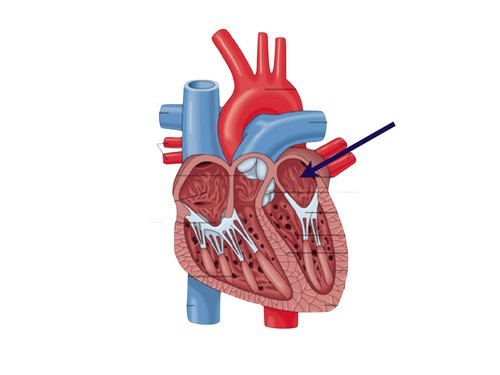
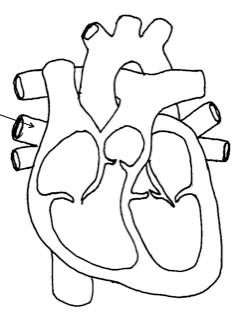
1.
Identify
a)
Left atrium
b)
Right atrium
c)
Left ventricle
d)
Right ventricle
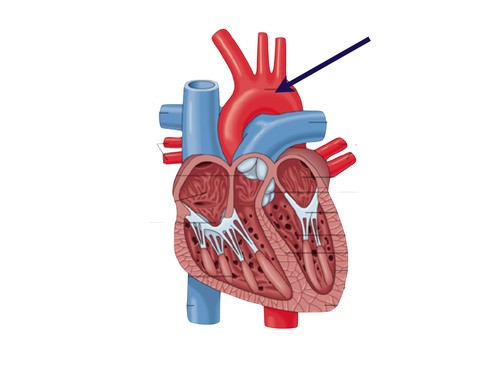
2.
Identify
a)
Pulmonary veins
b)
Pulmonary artery
c)
Aorta
d)
Vena cava
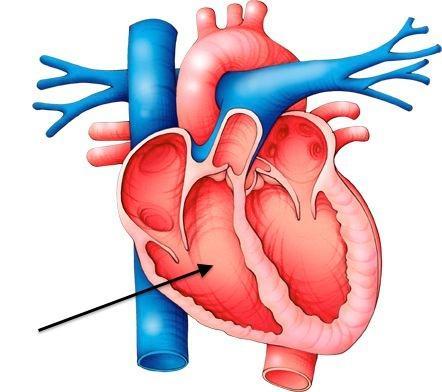
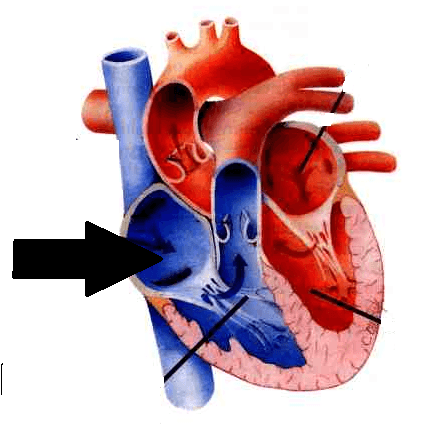
3.
Identify
a)
Left atrium
b)
Right atrium
c)
Left ventricle
d)
Right ventricle
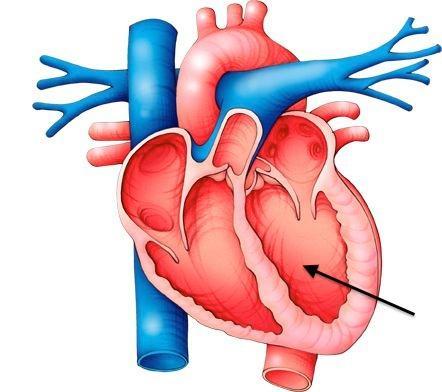
4.
Identify
a)
Left atrium
b)
Right atrium
c)
Left ventricle
d)
Right ventricle
5.
Identify
a)
Left atrium
b)
Right atrium
c)
Left ventricle
d)
Right ventricle
6.
The heart has ___ chambers.
a)
1
b)
2
c)
3
d)
4
7.
This chamber of the heart RECEIVES blood returning from the body
a)
Right Atrium
b)
Right Ventricle
c)
Left Atrium
d)
Left Ventricle
8.
True or False: There are four chambers in the heart.
a)
True
b)
False
9.
The aorta is the largest artery in the body. The blood leaving the aorta is full of?
a)
Oxygen 
b)
Carbon Dioxide 
c)
White blood Cells 
d)
Potassium 
10.
What does Deoxygenated mean?
a)
Oxygen-rich
b)
Blood flow
c)
Oxygen-poor
d)
Water Flow
11.
A flap of tissue that prevents blood from flowing backward
a)
Aorta
b)
Atrium
c)
Septum
d)
Valve
12.
Carry blood away from heart; mostly oxygen-rich
a)
Arteries
b)
Veins
c)
Capillaries
13.
Which is the correct definition of the Circulatory system?
a)
The system fights disease so the body stays healthy.
b)
The system that circulates blood and oxygen through the body, consisting of the heart,blood vessels,and blood.
c)
Breaks down food into smaller pieces and absorbs those nutrients into the body.
d)
Provides shape and structure for the body.
14.
What function does the heart do?
a)
Protects organs and produces red blood cells.
b)
Generates heat.
c)
Breaks down food into nutrients.
d)
The heart is a pump, which moves the blood. The arteries and veins are the pipes where the blood flows.
15.
What is the main function of the artery?
a)
It controls your brain and your thought process.
b)
They carry oxygen- poor blood BACK to the heart.
c)
Arteries carry oxygen- rich blood AWAY from the heart.
d)
It receives information (senses) and sends messages to the body about how to react to things.
16.
Structure(s) that keep the blood flowing in one direction.
a)
Valve(s)
b)
Septum(s)
c)
Neuron(s)
d)
Bronchiole(s)
17.
What does the Circulatory System do?
a)
Circulates the Blood throughout the body
b)
Circulates Water throughout the body
c)
Excretes Waste
d)
Controls all parts of the body
18.

What is the main organ of the circulatory system?

a)

small intestine

b)

bone

c)

lungs

d)

heart

19.

Arteries carry oxygen rich blood away from the heart.

a)

True

b)

False

20.

The job of the heart is to . . .

a)

pump blood around the body.

b)

send food to the small intestines.

c)

break down food.

d)

give energy to the body.

21.
The circulatory system works with the ___________ system to provide our body with oxygen.
a)
respiratory
b)
digestive
c)
muscular
d)
skeletal
22.
The heart is a muscular organ that pumps blood throughout the body. 
a)
True 
b)
False
23.
White blood cells
a)
help fight disease
b)
take up oxygen and deliver to cells 
c)
help form blood clots 
d)
helps carries nutrients
24.
What is the main organ of the circulatory system?
a)
heart
b)
brain
c)
lungs
d)
fingers
25.
Blood vessels that carry oxygen poor blood to the heart are 
a)
veins
b)
arteries
c)
capillaries
26.
What is something both the arteries and veins do?
a)
Transport Blood
b)
have thicker walls
c)
Bring blood away from the heart
d)
Study for Science tests
27.
inflammation of tonsils - can be caused by bacteria or virus •Symptoms: swollen tonsils, sore throat, difficulty swallowing, tender lymph nodes, fever
a)
tonsillitis 
b)
lupus
c)
scleroderma
d)
mononucleosis 
28.
What is the purpose of antibodies?
a)
To pump lymph through the vessels
b)
To create lymph
c)
To fight infection
d)
To remove old red blood cells
29.
Which term means "cell eating?"
a)
Pinocytosis
b)
Phagocytosis
c)
Leukocyte
d)
Leukosis
30.
What is the function of the lymphatic system?
a)
To remove waste from the body
b)
to control the bodys activities via chemicals
c)
to defend the body against pathogens
31.
A pathogen is
a)
a sick cell
b)
an organism that can cause disease
c)
only bacteria cells
d)
A cell that fights disease
32.
A substance that provokes an immune response
a)
antigen
b)
antibody
c)
NK cell
d)
lymph
33.
proteins that are produced in response to exposure to a specific antigen
a)
antibodies
b)
pyrogen
c)
thyrosin
d)
neutrophils
34.
After falling to the floor with breathing problems and severe facial swelling the emergency medical team treated Lisa with?
a)
Antibotics
b)
Chemo
c)
Epipen
35.
Someone who is allergic to bees is stung, and experiences facial swelling, headache and falling blood pressure. What type of reaction is this?
a)
Asthma
b)
Anaphylaxis
c)
Lymphyadenitis
36.
lymphatic system
a)
a type of white blood cell
b)
defense against infection and disease
c)
circulates blood cells
d)
transports nutrients throughout the body
37.
Defense against infection and disease
a)
lymphatic system
b)
lymph nodes
c)
red blood cells
d)
none of the above
38.
Proteins that recognize specific harmful agents and targets them for removal
a)
antibodies
b)
immunity
c)
lymph nodes
d)
lymphocytes
39.
Where does blood go after the right atrium?
a)
left atrium
b)
left ventricle
c)
right ventricle
d)
aorta
40.
Where does the blood go after it goes into the pulmonary arteries?
a)
lungs
b)
heart
c)
head
d)
hands
41.
Which blood vessels carry blood to the heart?
a)
capiliaries
b)
veins
c)
arteries
d)
arterioles
42.
Which blood vessels carry blood away from the heart?
a)
capillaries
b)
veins
c)
arteries
d)
venules
43.
2?
a)
Heart
b)
Right Ventricle
c)
Left Atrium
d)
Left Ventricle
44.
1?
a)
Septum
b)
Right Pulmonary Vein
c)
Superior Vena Cava
d)
Inferior Vena Cava
45.
7?
a)
Left Atrium
b)
Left Ventricle
c)
Aortic Valve
46.
9?
a)
Left Ventricle
b)
Left Atrium
c)
Left Pulmonary Vein
d)
Left Pulmonary Artery
47.
A flap of tissue that prevents blood from flowing backward
a)
Aorta
b)
Atrium
c)
Septum
d)
Valve
48.
Carries the blood from the ventricle to the body
a)
Aorta
b)
Atrium
c)
Valve
d)
Septum
49.
Identify
a)
Aorta
b)
Pulmonary Vein
c)
Superior Vena Cava
d)
Inferior Vena Cava
50.
Name this part.
a)
Pulmonary veins
b)
Left atrium
c)
Aorta
d)
Pulmonary artery
51.
Name this part.
a)
Left ventricle
b)
Pulmonary artery
c)
Right atrium
d)
Pulmonary veins
52.
From the right atrium blood blood travels through this valve.
a)
Mitral valve
b)
Tricuspid valve
c)
Aortic Valve
d)
Pulmonary valve
53.
From the right ventricle blood is pushed through this valve
a)
Pulmonary valve
b)
Mitral valve
c)
Aortic valve 
d)
Tricuspid valve
54.
What structure of the heart is this?
a)
Tricuspid Valve
b)
Bicuspid Valve
c)
Aortic Semilunar Valve
d)
Pulmonar Semilunar Valve
55.
The right side of the heart delivers blood to the ________ while the left side delivers blood to the __________.
a)
Lungs;Body
b)
Body;Lungs
c)
Lungs;Brain
d)
Brain;Lungs
56.

Identify the aorta.

a)

1

b)

2

c)

3

d)

4

57.

Identify #11.

a)

Left atrium

b)

right atrium

c)

left ventricle

d)

right ventricle

58.

What is # 6?

a)

Aortic semilunar valve

b)

pulmonary semilunar valve

c)

bicuspid (left atrioventricular) valve

d)

tricuspid (right atrioventricular) valve

59.

Identify #2

a)

aorta

b)

superior vena cava

c)

left pulmonary veins

d)

chordae tendenae

60.

Identify the left atrium.

a)

5

b)

8

c)

11

d)

15

61.

Identify the left pulmonary artery.

a)

2

b)

1

c)

7

d)

9

62.

#7

a)

right ventricle

b)

right atrium

c)

aorta

d)

vena cava

63.
What do antibodies attach to on the pathogen?
a)
Anti inflammatory
b)
Antigens
c)
Antiseptic
d)
Antibodies
64.
All foreign materials that cause a response from the immune system are called _____________________.
a)
Antigens
b)
Active Immunity
c)
Antibodies
d)
Antibiotics
65.

pertaining to an organism that lives in or on another organism, taking nourishment from it

a)

Antigen

b)

Antibody

c)

Parasitic

d)

Plasma

66.

cells that surround, ingest, and digest microorganisms and cellular wastes

a)

Macrophages

b)

Phagocytes

c)

Parasites

d)

Antigen