
NEW
Font size
S
M
L
XL
 Worksheets
QA 3 REVIEW GAME
Total questions: 62
Worksheet time: 1hrs 20mins
Name
Class
Date
1.

Which way is the box moving?
a)
to the right
b)
to the left
c)
going up
d)
going down
2.

Which way is the object moving?
a)
left
b)
right
c)
down
d)
up
3.

What is the net force?
a)
40 N left
b)
0 N Balalnced
c)
400 N right
d)
40 N right
4.

What is the net force
a)
10 N
b)
0 N
c)
25 N
d)
1 N
5.

What is the name of the force for the arrow going upwards in the picture.
a)
applied force
b)
tension force
c)
normal force
d)
buoyant force
6.

Name the missing force...
a)
applied force
b)
weight force
c)
tension force
d)
drag
7.
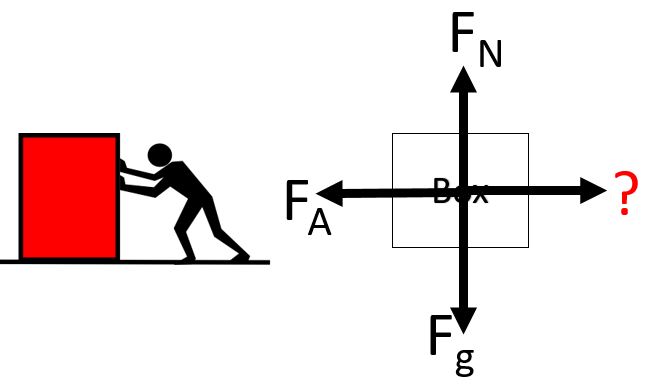
Name the missing force...
a)
frictional force
b)
weight force
c)
thrust
d)
buoyant force
8.
What is the unit of measurement for force?
a)
AMP
b)
Seconds
c)
Newtons
d)
Miles
9.

Landon drops a bowling ball and a feather at the same time. She sees that the feather falls slower than the bowling ball. What is most likely the reason this is true?
a)
A. The bowling ball has more gravity in it, making it heavier.
b)
B. Gravity works faster on the bowling ball because it is heavier
c)
C. Air pushes up on the falling feather, working against gravity.
d)
D. The feather is not affected by gravity because it is too light
10.
A push or pull that causes a change in motion
a)
Friction
b)
Gravity
c)
Force
d)
Mass
11.

If an object is not moving the forces acting upon it are _____________
a)
unbalanced
b)
weak
c)
balanced
d)
Hulk Smash!
12.

This is an example of what kind of force?
a)
Balanced Force
b)
Pushing Force
c)
Gravity Force
d)
Unbalanced Force
13.
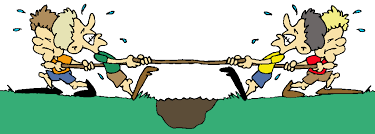
If these teams are pulling with the same amount of force what will happen?
a)
The boy in blue will win.
b)
They will not move at all.
c)
The boy in red will win.
d)
Both will fall down.
14.

This is an example of a _______ circuit
a)
open
b)
series
c)
parallel
d)
square
15.
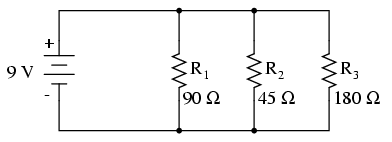
This is an example of a ______ circuit
a)
Series
b)
Parallel
c)
Open
d)
Dihexihedral
16.
wood is a _____?
a)
conductor
b)
insulator
17.
brass is a _____?
a)
insulator
b)
conductor
18.
A material in which electrons are able to move easily
a)
Circuit
b)
Insulator
c)
Resistance
d)
Conductor
19.
A material in which electrons are not able to move easily
a)
Circuit
b)
Insulator
c)
Resistance
d)
Conductor
20.
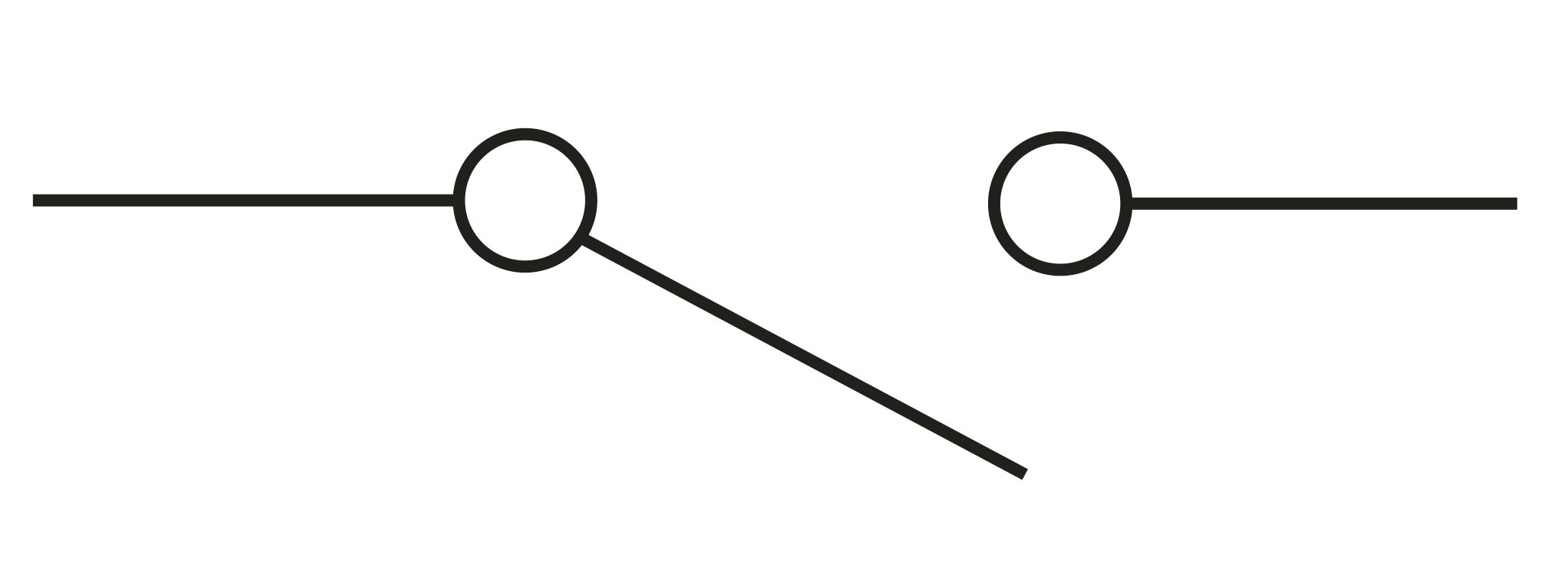
this is the symbol for a _____?
a)
switch
b)
light
c)
battery
d)
wires
21.
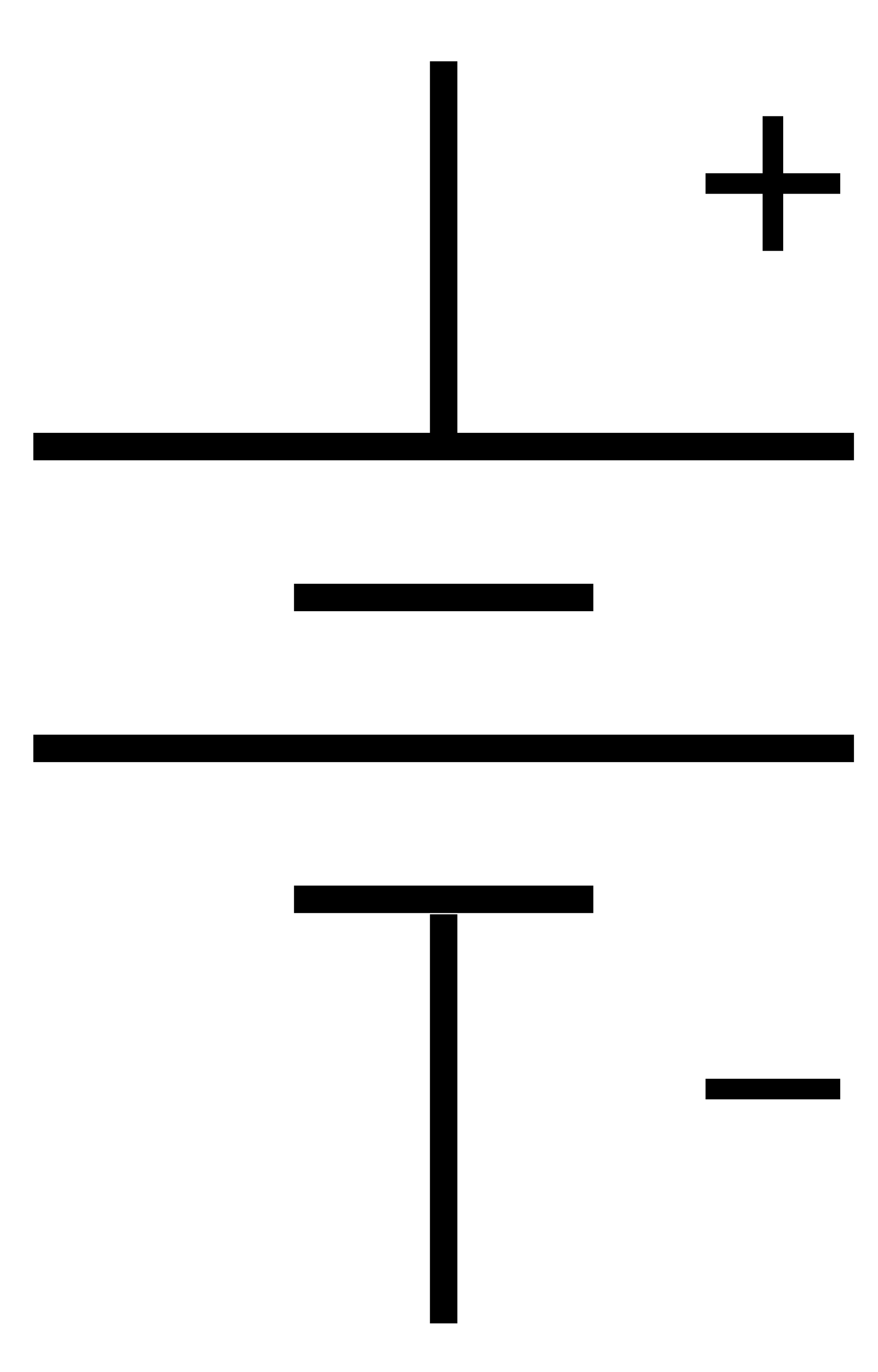
what is this symbol for?
a)
light bulb
b)
switch
c)
battery
d)
resistor
22.

Pick the correct sentence.
a)
This circuit will work because it is a closed circuit.
b)
Energy will freely flow in this circuit.
c)
This circuit will not work because there is no energy source.
d)
This circuit will not work because there is no switch.
23.

when the switch is closed.....
a)
both bulbs TURN ON
b)
both bulbs STAY ON
c)
both bulbs TURN OFF
d)
both bulbs STAY OFF
24.

In a parallel circuit if one of the light bulbs burns out the rest _________.
a)
stop the flow of electricity
b)
can still light up
c)
will go out
d)
of the light bulbs burn out also
25.

A class prepared some electrical circuits using battery, connecting wires, and three light bulbs. Which of these circuits can make the three bulbs light?
a)
A
b)
B
c)
C
d)
D
26.
Ms Jo Jo rubbed two balloons with a piece of wool. What will happen when the balloons are brought near each other?
a)
The balloons will repel each other.
b)
The balloons will attract each other.
c)
The balloons will become positively (+) charged.
d)
The balloons will pop.
27.
When socks get stuck to towels in your dryer, this is an example of________________
a)
current electricity
b)
static electricity
28.
What types of charges attract?
a)
Positive and Positive
b)
Positive and Neutral
c)
Negative and Neutral
d)
Positive and Negative
29.
What would have to happen for an atom to become positively charged?
a)
Gain protons
b)
Gain electrons
c)
Lose protons
d)
Lose electrons
30.
What would have to happen for an atom to become negatively charged?
a)
Gain protons
b)
Gain electrons
c)
Lose protons
d)
Lose electrons
31.
If an object has the same number of positive and negative charges, its electrical charge is...
a)
positive
b)
negative
c)
neutral or no charge
d)
opposite
32.
What happens when you touch a metal doorknob after rubbing your shoes on the carpet?
a)
The doorknob sends a burst of electric current into your body
b)
Millions of electrons go from your finger into the doorknob
c)
The doorknob sends millions of electrons into your finger
d)
Your finger becomes negatively charged
33.
What is the major difference between static electricity and current electricity?
a)
Current electricity involves a continuous flow of neutrons; static electricity is a sudden transfer of protons
b)
Current electricity can be deadly; static electricity is almost always safe
c)
In current electricity, there's a single transfer of electrons; in static electricity, there's a steady flow of electrons
d)
Current electricity involves a flow of electrons; static
electricity involves a single transfer of electrons
34.

What does this symbol represent in circuit diagrams?
a)
Battery
b)
Light Bulb
c)
Resistor
d)
Switch
35.
Current only flows in a circuit if the circuit is ___________.
a)
closed
b)
open
c)
full
d)
charged
36.

This picture shows a
a)
Schematic Diagram
b)
Integrated Circuit
c)
Pictorial Diagram
d)
Wiring Diagram
37.
What is the metal center of an electromagnet called?
a)
The current
b)
the wire
c)
the coil
d)
the core
38.
How do you make an electromagnet stronger?
a)
Add a motor and/or lightbulbs
b)
Add more light bulbs and/or wire coils
c)
add more wire coils and/or a switch
d)
add more wire coils and/or batteries
39.

How are electromagnets different from magnets?
a)
magnets can be turned on/off
b)
you can turn an electromagnet on/off
c)
magnets are more powerful
d)
magnets have a North and South pole
40.
Which of the following is NOT part of an electromagnet?
a)
Wire
b)
Iron
c)
Toothpick
d)
Power source
41.
You are making an electromagnet and can choose from a copper, iron or steel rivet. Which sentence is true?
a)
You can use all of them because they are all made of metal
b)
You can use either iron or steel.
c)
You can only use the iron rivet.
d)
You can only use the copper rivet.
42.

Bits of paper are attracted to the surface of this balloon. What attracts the paper pieces to the balloon?
a)
Friction
b)
Static Electricity
c)
Magnetism
d)
Potential Energy
43.
Which of these can most easily produce magnetic fields?
a)
sunlight
b)
wind
c)
electricity
d)
flowing water
44.

Will the light bulb in this circuit light and why/why not?
a)
yes, because it has two batteries
b)
no, because the switch is open
c)
yes, because it is in a circuit
d)
no, because the bulb is burned out
45.

Which light will be brighter and why?
a)
Bulb A because its circuit is closed
b)
Bulb B because its circuit is closed
c)
Bulb B because it has more volts
d)
Bulb A because it has less volts
46.
Current is referred to as:
a)
flow of electricity
b)
circuits
c)
flow of electrons
d)
batteries
47.
What is current measured in?
a)
Inches
b)
Amperes
c)
Centimeters
d)
Newtons
48.
Which word means how hard it is for electrons to flow?
a)
Current
b)
Voltage
c)
Resistance
d)
Power
49.
If the Voltage is increased and the resistance stays the same, Current will
a)
Increase
b)
Decrease
c)
Stay the same
d)
Not enough info
50.
If the Voltage stays the same and Resistance is increased, Current will
a)
Increase
b)
Decrease
c)
Stay the same
d)
Not enough info
51.
In a series circuit, which of the following is the same throughout the circuit?
a)
Resistance
b)
Voltage
c)
Current
d)
Power
52.
What is resistance measured in?
a)
Ω (Ohms)
b)
V (Volts)
c)
A (Amps)
d)
W (Watts)
53.
An electric bell works on the ____ effect of electric current.
a)
electric
b)
heating
c)
magnetic
d)
chemical
54.
What is an electromagnet?
a)
a temporary magnet made from current carrying wire around a magnetic metal core.
b)
a permanent magnet with a north and south pole
55.

"For every action, there is an equal and opposite reaction."
a)
Newton's 1st Law
b)
Newton's 2nd Law
c)
Newton's 3rd Law
d)
Newton's 4th Law
56.

Force = Mass x Acceleration
a)
Newton's 1st Law
b)
Newton's 2nd Law
c)
Newton's 3rd Law
d)
Newton's 4th Law
57.

"An object in motion (or at rest) will to stay in motion (or at rest) until an outside force acts upon it."
a)
Newton's 1st Law
b)
Newton's 2nd Law
c)
Newton's 3rd Law
d)
Newton's 4th Law
58.

The tendency of an object to resist changes in its motion is...
a)
inertia
b)
force
c)
acceleration
d)
velocity
59.

Any push or pull on an object.
a)
force
b)
velocity
c)
inertia
d)
momentum
60.

A force that opposes motion between a surface in contact with the atmosphere.
a)
air resistance
b)
gravity
c)
momentum
d)
terminal velocity
61.

The combination of all the forces acting on an object is the...
a)
net force
b)
action force
c)
reaction force
d)
balance force
62.

A cannonball with a mass of 0.5 kg is flying at an acceleration of 10 m/sec/sec. What is it's force?
a)
50 Newtons
b)
5 Newtons
c)
20 Newtons
d)
9.5 Newtons
Reset

