wayground logo

Free Printable Worksheets

Font size

S
M
L
XL
Worksheets

Cells

Total questions: 65

Worksheet time: 33mins

Name
Class
Date
1.
Which of the following is the smallest unit of life that can carry out all life functions?
a)
the mitochondria
b)
the vacuoles
c)
the nucleus
d)
the cell
2.
Which structures are found in every living cell?
a)
cell membrane and cytoplasm
b)
chloroplasts and mitochondria
c)
a cell wall and nucleus
d)
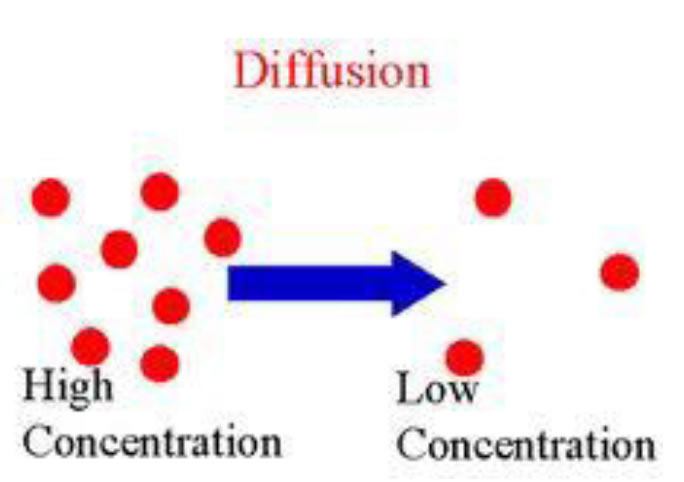
chloroplasts and cell wall
3.
Which cell structure is found in plant and animals cells and controls what can come into or leave a cell?
a)
cell membrane
b)
cytoplasm
c)
nucleus
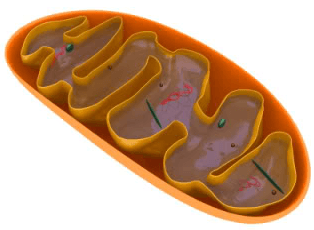
d)
vacuole
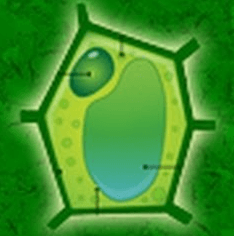
4.
What is the function of the cell nucleus found in both plant and animal cells?
a)
to produce energy
b)
to control cell activity
c)
to remove waste products
d)
to allow molecules to enter the cell
5.
Cell organelles that are responsible for digesting food, worn out organelles and other cellular wastes are called ___________________.
a)
Mitochondria
b)
Vacuoles
c)
Lysosomes
d)
Chlororplasts
6.
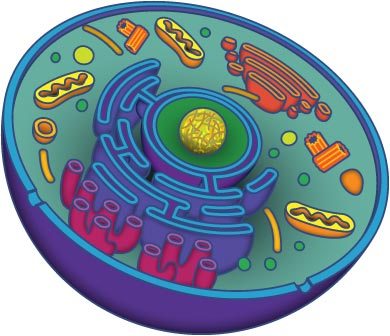
What is one basic function of the vacuoles?
a)
circulating oxygen
b)
producing food
c)
controlling cell processes
d)
storing water
7.
Chloroplasts in plant cells allow the plant to perform a function that animal cells cannot do.  What is the main function of the chloroplasts found in plant cells?
a)
to absorb light energy and manufacture food
b)
to remove waste materials by active transport
c)
to manufacture chemical energy from food
d)
to control the shape of the cell
8.
All cells need energy to function.  Which cell organelle is responsible for producing energy in the cell?
a)
chloroplasts
b)
mitochondria
c)
nucleus
d)
vacuoles
9.
What is the function of a cell wall?
a)
to protect and support the cell
b)
to perform different functions in each cell
c)
to prevent water from passing through it
d)
to prevent oxygen from entering the cell
10.
In what part of the plant cell does the process of photosynthesis take place?
a)
nucleus
b)
mitochondria
c)
chloroplasts
d)
vacuoles
11.
Cells with a nucleus and membrane-bound organelles are called ____________________.
a)
prokaryotes
b)
eukaryotes
c)
bacteria
d)
protists
12.
Which of the following is not part of the cell theory?
a)
cells must contain DNA 
b)
all living things are made from cells
c)
cells can only come from other cells
d)
cells are the basic unit of life
13.
Who was the first  person to see cells under the microscope and give them their name?
a)
Mattias Schleiden
b)
Robert Hooke
c)
Theordor Schwann
d)
Anton van Leeuwenhoek
14.
The basic unit of structure and function in a living things.
a)
chloroplast
b)
nucleus
c)
cell
d)
cell membrane
15.
Which organelle is only found in a plant cell? 
a)
nucleus
b)
chloroplast
c)
mitochondria
d)
cell membrane
16.
Directs all cell activities through the DNA located there.
a)
Lysosomes
b)
Nucleus
c)
ribosomes
d)
Mitochondria
17.
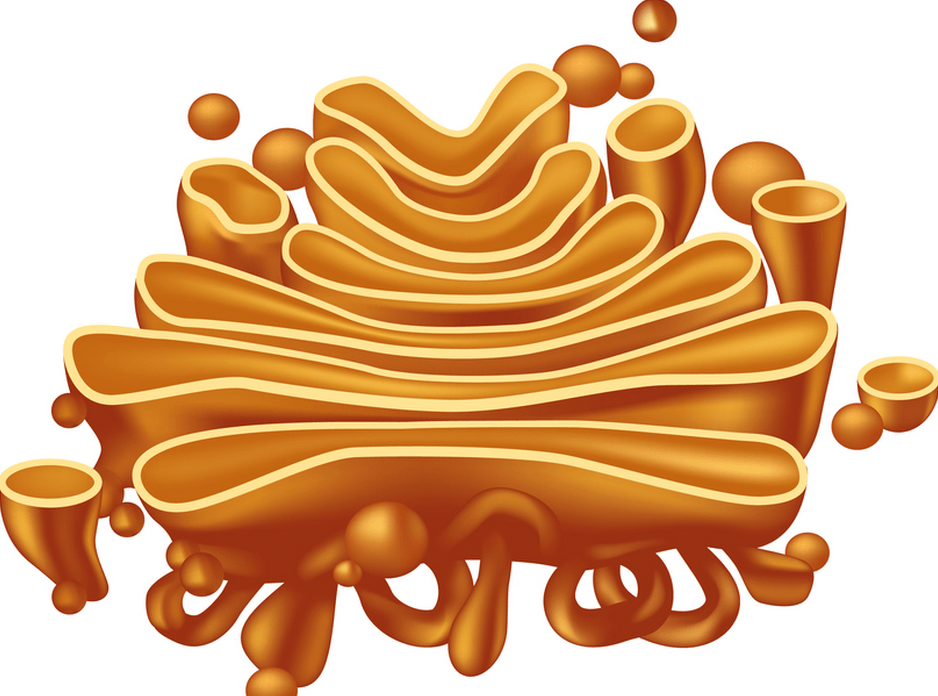
I am a protein packaging and shipping machine! Who am I?
a)
vacuole
b)
ribosome
c)
mitochondrion
d)
golgi apparatus
18.
You might think of me as the trash collector, but recycler is maybe more accurate. What am I?
a)
mitochondria
b)
lysosome
c)
vacuole
d)
ribosome
19.
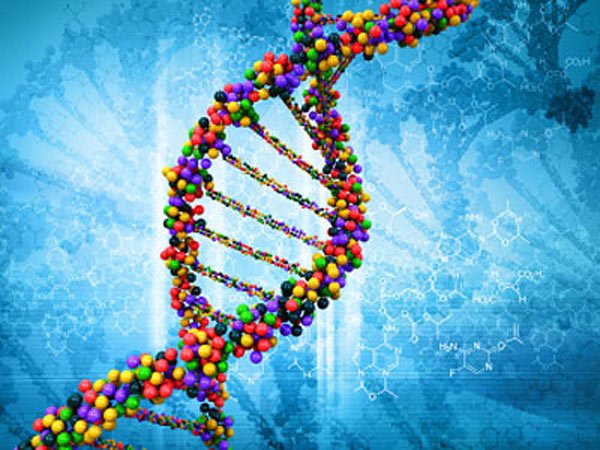
What is the name of the genetic material that is inside the nucleus?
a)
ER
b)
ATP
c)
YOLO
d)
DNA
20.
Where are proteins made?
a)
Golgi body
b)
Mitoichondria
c)
Chromosomes
d)
Ribosomes
21.
I am the outer most layer of an animal cell. What am I?
a)
cell wall
b)
nucleus
c)
cell membrane 
d)
cell skin
22.
What are tiny organelles that convert glucose into ATP?
a)
Ribosomes
b)
Vesicles
c)
Cytoskeleton
d)
Mitochondria
23.
A rigid layer that lies outside the cell's  membrane is...
a)
Cytoskeleton
b)
Cilia
c)
Cell Wall
d)
Flagella
24.
What is the gel-like substance inside of cells called?

a)
photoplasm
b)
photosynthesis
c)
cytoskeleton
d)
cytoplasm
25.
A tiny cell structure that carries out a specific function within a cell.
a)
organelle
b)
cell
c)
nucleus
d)
ribosomes
26.
Prokaryotic
a)
are single celled organisms that do not have a nucleus or membrane bound organelles
b)
a protective layer that covers the the cells surface and acts as a barrier
c)
is the smallest unit that can preform all he processes necessary for life
27.
Which organism listed below is a prokaryote?
a)
dog
b)
human
c)
sunflower
d)
bacterial cell
28.
Animal and plant cells are both this type of cell.
a)
Eukaryote
b)
Prokaryote
29.
What tool do you use to view cells?
a)
metric ruler
b)
magnifying glass
c)
microscope
d)
petri dish
30.
Bacteria cells are this type of cell.
a)
Eukaryote
b)
Prokaryote
31.
A typical plant cell is rectangular in shape.
a)
True
b)
False
32.
The network of passageways carries materials from one part of the cell to another.
a)
endoplasmic reticulum
b)
golgi bodies
c)
vacuole
d)
cell
33.

The movement of particles from an area of high to low concentration is known as--

a)

Passive Transport

b)

Active Transport

34.

Cell membrane transport that occurs without energy is called--

a)

active transport

b)

endocytosis

c)

passive transport

d)

exocytosis

35.

What is the name of the process in which small molecules move from an area of high concentration to an area of low concentration across the cell membrane

a)

Diffusion

b)

Osmosis

c)

Active Transport

d)

Facilitated Diffusion

36.

The movement of molecules from low to high is known as

a)

simple diffusion

b)

facilitated diffusion

c)

active transport

d)

osmosis

37.
Osmosis is the movement of _____ across a membrane.
a)
food
b)
energy
c)
oxygen
d)
water
38.
Which is true about active transport?
a)
It requires energy
b)
It does not require energy
c)
It moves substances down the concentration gradient
d)
it moves material from high to low concentration
39.

Which of the following is only found in EUKARYOTIC cells?

a)

nucleus

b)

DNA

c)

cell membrane

d)

ribosomes

40.

Bacteria is an example of a(n)

a)

prokaryotic cell.

b)

eukaryotic cell.

41.

What happens to a cell in salt solution

a)

the cell will swell

b)

the cell will shrivel

c)

the cell will remain the same

d)

the cell will dissolve

42.

The energy in this molecule is stored

a)

in the bonds between atoms

b)

when the carbon atom breaks off

c)

in the oxygen found in the molecule

d)

when water breaks this molecule

43.

Which of the following statements best describes the general direction of diffusion across the membrane?

a)

sugar would diffuse into the cell

b)

water would diffuse into the cell

c)

there would be no movement of water

d)

the sugar molecule would not move

44.

One possible conclusion that can be drawn about the activity of this cell is that

a)

more active transport occurs

b)

no active transport occurs

c)

the cell uses some of the extra mitochondria to make food

d)

the cell is a plant cell since it has a cell wall

45.

What term describes a solution that has the same solute concentration inside of and outside of the cell?

a)

Hypertonic

b)

Hypotonic

c)

Isotonic

46.

What part of the cell regulates what can enter and leave the cell?  

a)
Cell Membrane
b)
Nucleus
c)
Mitochondria
d)
Cytoplasm
47.

Which characteristic of a cell membrane allows it to control materials entering and leaving a cell?

a)

A cell membrane is surrounded by fluid.

b)

A cell membrane is semi-permeable.

c)

A cell membrane holds organelles in place.

d)

A cell membrane is found in plant and animal cells.

48.

Passive Transport

a)

Does require cell energy

b)

Does NOT require cell energy

49.
Robert Hooke, Anton van Leeuwenhoek, Theodor Schwann, Rudolf Virchow, and Matthias Schliden were all responsible for what theory?
a)
The Theory of Gravity
b)
The Theory of Relativity
c)
The Cell Theory
d)
The Theory of Continental Drift
50.
What tool do you use to view the cells?
a)
metric ruler
b)
centrifuge
c)
microscope
d)
telescope
51.
All living things are made up of...
a)
cells
b)
cell tissues
c)
organ
d)
organ systems
52.
All cells come from___________ cells.
a)
pregnant
b)
pre-existing
c)
paternal
d)
pin size
53.
what is a cell classified as?
a)
a basic unit of structure and function of all living organisms
b)
a unit based on only plants and animals that are living
54.
Who looked at cork and named the cell?
a)
Robert Hooke
b)
Van Leeuwenhoek
c)
Robert Brown
d)
Francesco Redi
55.
Which scientist did NOT contribute to the cell theory?
a)
Anton Van Leeuwenhoek
b)

Robert Hooke
c)
Albert Einstein 
d)

Matthias Schleiden
56.
Cells are often called "the ____ of life."
a)
bread
b)
road map
c)
building blocks
d)
meaning
57.
A plant and an animal are both living things. According to the Cell Theory, what can you conclude about these two very different organisms?
a)
Plants have cells but animals do not.
b)
They are both made of one or more cells. 
c)
They both come from the same kind of cell.
d)
They both come from a non-living organism.
58.

  There are three parts to the cell theory. Which is NOT one of those parts?

a)

All organisms are composed of one or more cells.

b)

The cell is the basic unit of structure and organization in organisms.

c)

Cells spontaneously arise from carbon and nutrients carried in the bloodstream.

d)

All cells come from pre-existing cells.

59.
Which of the following scientists was the first to observe bacteria?
a)
Anton van Leuwenhoek
b)
Matthais Schleiden
c)
Robert Hooke
d)
Theodor Schwann
60.

A cell without a true nucleus

a)

Prokaryotic

b)

Eukaryotic

61.

A cell that has a true nucleus

a)

Prokaryotic

b)

Eukaryotic

62.
Which of the following is not a characteristic of a Prokaryotic cell?
a)
unicellular
b)
floating DNA
c)
very small
d)
complex
63.
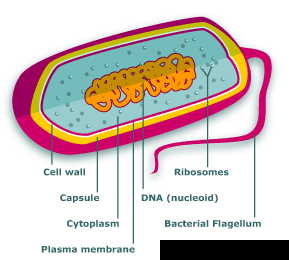
Which type of cell?
a)
Prokaryote
b)
Eukaryote
64.

Plants and animal cells are examples of ___ cells

a)

prokaryotic cells

b)

eukaryotic cells

c)

both eukaryotic and prokaryotic

d)

neither

65.
This is a picture of:
a)
Prokaryote
b)
Eukaryote