
 Worksheets
Unit 2 1/2 Benchmark #2
Total questions: 84
Worksheet time: 1hrs 7mins
Name
Class
Date
1.
What is the opening in Earth's crust through which molten rock, gases, and ash erupt?
a)
Divergent Boundary
b)
Magma
c)
Subduction Boundary
d)
Volcano
2.
What is molten rock that has formed deep within the Earth?
a)
Hot Spot
b)
Magma
c)
Lava
d)
Volcano
3.
What is the resistance of a liquid, such as lava, to flow?
a)
Elasticity
b)
Pyroclasticity
c)
Silica
d)
Viscosity
4.
What type of volcano has steep slopes made of alternating layers of ash and silica rich lava?
a)
Caldera
b)
Cinder Cone
c)
Composite Volcano
d)
Shield Volcano
5.
What type of volcano is made of lava fragments that have been ejected from a volcanic vent?
a)
Caldera
b)
Cinder Cone
c)
Composite Volcano
d)
Shield Volcano
6.
What type of volcano is Kilauea, which is located in Hawaii?
a)
Caldera
b)
Cinder Cone
c)
Composite Volcano
d)
Shield Volcano
7.
Where are most volcanoes found?
a)
Southern Hemisphere
b)
Ring of Fire
c)
Mid-Atlantic Ridge
d)
Hot Spots
8.
What is molten rock that has reached the Earth's surface?
a)
Aa
b)
Lava
c)
Magma
d)
Pahoehoe
9.
What type of volcano is Mount St. Helens?
a)
Caldera
b)
Cinder Cone
c)
Composite Volcano
d)
Shield Volcano
10.
What do you call a large crater formed by the collapse of a volcano?
a)
Caldera
b)
Cinder Cone
c)
Composite Volcano
d)
Shield Volcano
11.
Where do volcanoes come from?
a)
Places where plates move apart
b)
Places where plates are moving together
c)
Hot Spots
d)
All of these options
12.
Which type of volcano is Paricutin in Mexico?
a)
Caldera
b)
Cinder Cone
c)
Composite Volcano
d)
Shield Volcano
13.
The color of a mineral in powder form is called the mineral's
a)
hardness
b)
specific gravity
c)
luster
d)
streak
14.
How light reflects off of a mineral is called the mineral's
a)
luster
b)
streak
c)
cleavage
d)
fracture
15.
Dull, silky, waxy, pearly, and earthy are terms that best describe which property of minerals?
a)
luster
b)
color
c)
streak
d)
cleavage
16.

By definition, a mineral has which of the following characteristic(s)?
a)
definite chemical composition
b)
crystal structure
c)
naturally occuring
d)
all of the above
17.
How do you test the hardness of a mineral?
a)
Throw it against a wall
b)
Step on it
c)
Scratch Test
d)
Kick it until it breaks
18.

What mineral is used for pencils?
a)
Graphite
b)
Galena
c)
Magnetite
d)
Quartz
19.

What mineral is salt?
a)
quartz
b)
sulfur
c)
halite
d)
calcite
20.
A naturally occurring, inorganic solid with a crystal structure and a definite chemical composition is referring to
a)
density
b)
streak
c)
mineral
d)
non silicate mineral
21.
The solid, geometric form of a mineral produced by a repeating pattern of atoms
a)
crystal
b)
density
c)
element
d)
fracture
22.
A mineral's resistance to being scratched is called?
a)
streak
b)
luster
c)
hardness
d)
heft
23.
Which type of rock results from melting and cooling of magma?
a)
Igneous
b)
Metamorphic
c)
Sedimentary
d)
Extrusive
24.
Which type of rock forms from extreme heat and pressure?
a)
Igneous
b)
Sedimentary
c)
Organic
d)
Metamorphic
25.
A metamorphic rock changes into an igneous rock by what two processes?
a)
Melting and cooling
b)
Extreme heat and pressure
c)
Compaction and cementation
d)
Weathering and erosion
26.
Wind, water, and ice breaking down rock is called
a)
Erosion
b)
Deposition
c)
Compaction
d)
Weathering
27.
What is the MAIN way rocks are classified?
a)
Their color and shapes
b)
How they form
c)
Mineral bands
d)
Where they form
28.
True/False: Igneous rocks can only turn into metamorphic rocks.
a)
True
b)
False
29.
The process in which dissolved minerals crystallize and glue sediment together.
a)
compaction
b)
deposition
c)
organic rock
d)
cementation
30.

When sediments are pressed together tightly, this is called ____________.
a)
Compaction
b)
Cementation
c)
Weathering
d)
Erosion
31.
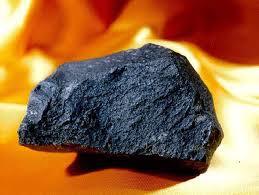
This rock was found near the mouth of a volcano. What type of rock is this?
a)
Sedimentary
b)
Igneous
c)
Metamorphic
32.
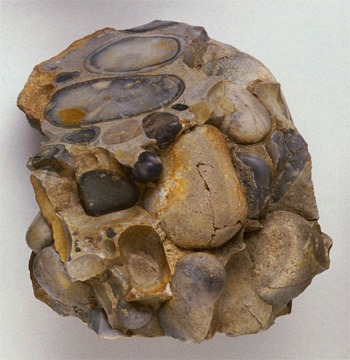
This rock was formed by smaller pieces of rock that settled at the bottom of a lake millions of years ago. What type of rock is this?
a)
Sedimentary
b)
Igneous
c)
Metamorphic
33.
What are the 3 major types of rocks?
a)
Igneous, Metamorphic, Sedimentary
b)
Metamorphic, Igneous, Cementation
c)
Brown, Red, Gray
d)
Streak, Hardness, Breakage
34.

This rock started as lava that cooled and then was heated and put under pressure over time. What type of rock is this?
a)
Sedimentar
b)
Igneous
c)
Metamorphic
35.

This rock started as molten magma. What type of rock is this?
a)
Sedimentary
b)
Igneous
c)
Metamorphic
36.

This rock is made from tiny pieces of other rocks that settled to the bottom of a valley millions of years ago. What type of rock is this?
a)
Sedimentary
b)
Igneous
c)
Metamorphic
37.

This rock was molten magma that slowly cooled under the ground. What type of rock is this?
a)
Sedimentar
b)
Igneous
c)
Metamorphic
38.

This rock cooled on the outside of a volcano and contained air bubbles when it was forming. What type of rock is this?
a)
Sedimentary
b)
Igneous
c)
Metamorphic
39.

Each rock type can follow only one pathway of the rock cycle.
a)
True
b)
False
40.
Fossils are often found in ____________ because it is formed from the remains of once living things.
a)
metamorphic
b)
magma
c)
igneous
d)
sedimentary
41.

This rock was formed by lots of fossils that settled on top of each other over time. What type of rock is this?
a)
Sedimentary
b)
Igneous
c)
Metamorphic
42.
_________ is the breaking/cracking/wearing down of rock into sediment.
a)
Erosion
b)
Weathering
43.
____________ is the movement of sediment.
a)
Erosion
b)
Weathering
44.
Weathering or Erosion?
The movement of weathered rock.
The movement of weathered rock.
a)
Weathering
b)
Erosion
45.
Weathering or Erosion?
The way rocks are broken down into smaller pieces.
The way rocks are broken down into smaller pieces.
a)
Weathering
b)
Erosion
46.
Which process happens FIRST?
a)
Weathering
b)
Erosion
47.
Weathering or Erosion?
Wind carries sand from the beach.
Wind carries sand from the beach.
a)
Weathering
b)
Erosion
48.
Weathering or Erosion?
Water freezes in concrete and cracks it.
Water freezes in concrete and cracks it.
a)
Weathering
b)
Erosion
49.
Weathering or Erosion?
Plant roots grow in cracks between the spaces in a sidewalk and widen them.
Plant roots grow in cracks between the spaces in a sidewalk and widen them.
a)
Weathering
b)
Erosion
50.
Weathering or Erosion?
Rivers carry soil downstream.
Rivers carry soil downstream.
a)
Weathering
b)
Erosion
51.
Weathering or Erosion?
Water slowly wears down jagged rock edges into smooth, rounded shapes.
Water slowly wears down jagged rock edges into smooth, rounded shapes.
a)
Weathering
b)
Erosion
52.
Weathering or Erosion?
Rocks are broken down into sand by ocean waves.
Rocks are broken down into sand by ocean waves.
a)
Weathering
b)
Erosion
53.
Occurs AFTER the rock has been broken down.
a)
Weathering
b)
Erosion
54.

What land form is this?
a)
valley
b)
canyon
c)
mountain
d)
plain
55.

What land form is this?
a)
valley
b)
plain
c)
volcano
d)
canyon
56.
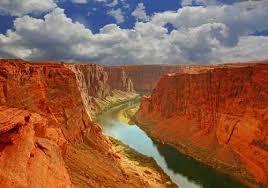
What land form is this?
a)
plain
b)
valley
c)
mountain
d)
canyon
57.

What land form is this?
a)
valley
b)
canyon
c)
plain
d)
mountain
58.

What land form is this?
a)
valley
b)
plain
c)
volcano
d)
mountain
59.
What land form is land completely surrounded by water?
a)
plain
b)
canyon
c)
mountain
d)
island
60.
Which of the following is a nonrenewable resource?
a)
water
b)
wind
c)
sunlight
d)
oil
61.
Which of the following is a renewable resource?
a)
oil
b)
coal
c)
sunlight
d)
natural gas
62.
Both land and water cover the Earth. Which one covers more of the Earth?
a)
water
b)
air
63.
This force causes the movement of glaciers
a)
pressure
b)
ice age
c)
gravity
d)
firn
64.
What is an enormous mass of ice moving over land?
a)
glacier
b)
iceberg
c)
ice wedging
d)
dune
65.
unsorted rock material deposited directly by ice as it melts
a)
glacial drift
b)
stratified drift
c)
till
d)
glacier
66.

Define the word GLACIER.
a)
A small mass of ice that moves.
b)
Cold water that moves.
c)
A big mass of ice that moves.
67.
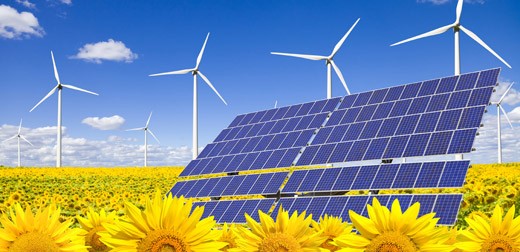
__________ is an energy resource that WILL NOT run out in the next several hundred years.
a)
Renewable Energy Resource
b)
Nonrenewable Energy Resource
68.
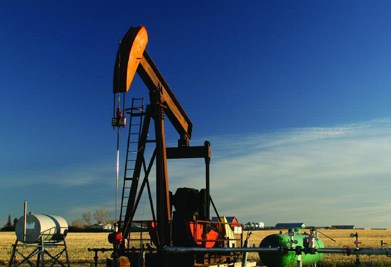
__________ is an energy resource that WILL run out in the next several hundred years.
a)
Renewable Energy Resource
b)
Nonrenewable Energy Resource
69.
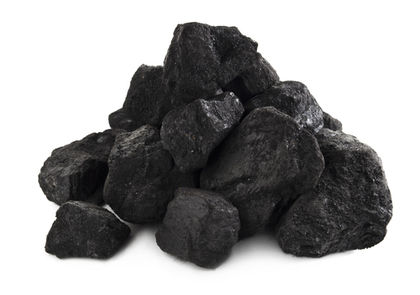
Coal is a __________ energy resource.
a)
Renewable
b)
Nonrenewable
70.
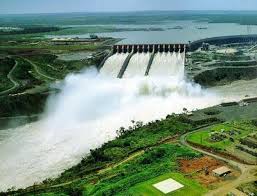
Hyrdo Power is a __________ energy resource.
a)
Renewable
b)
Nonrenewable
71.
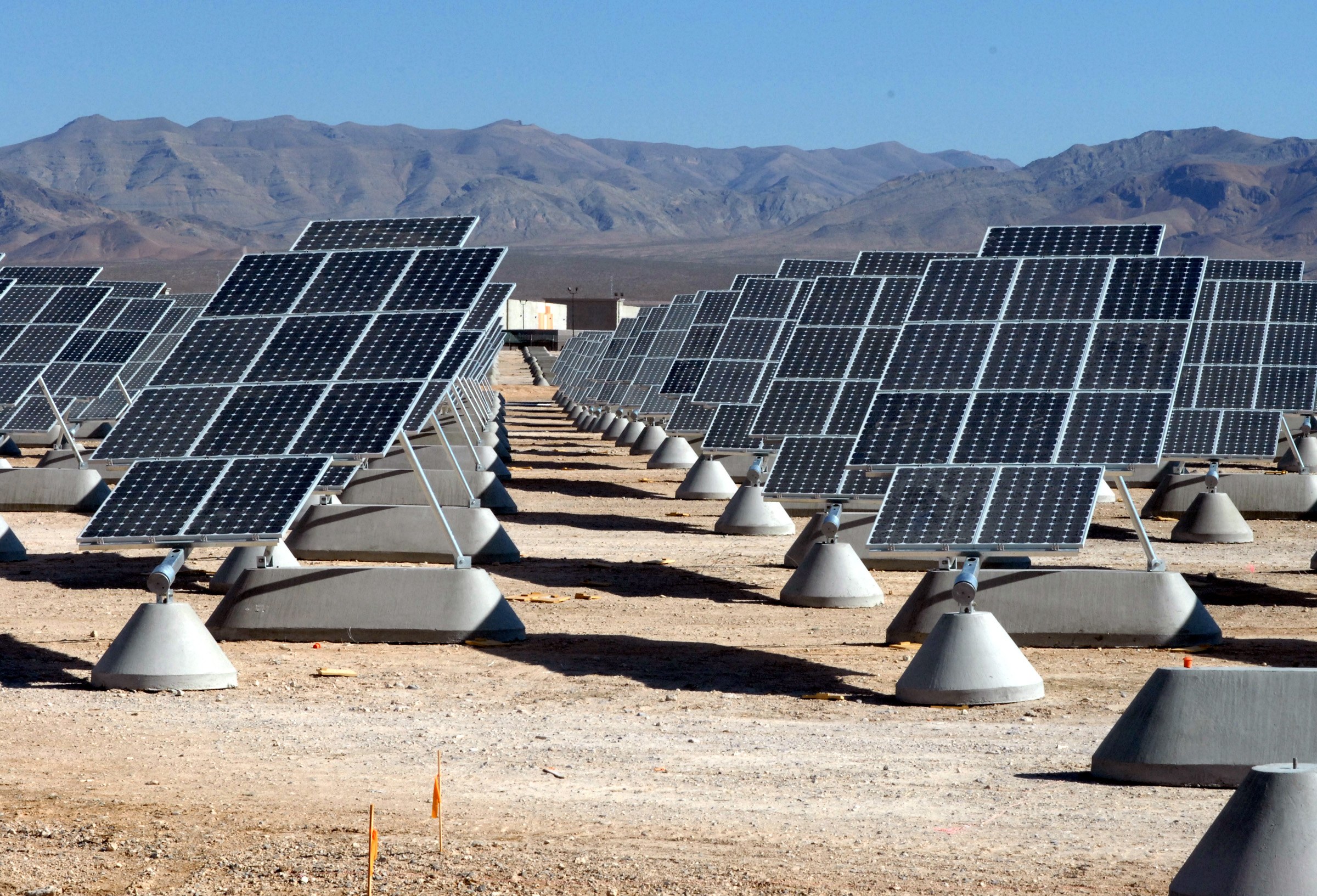
Solar Power is a __________ energy resource.
a)
Renewable
b)
Nonrenewable
72.
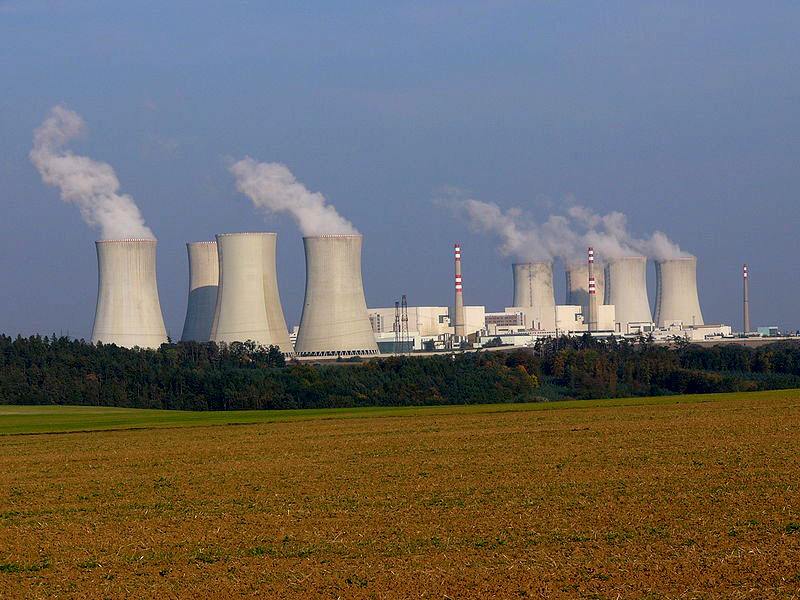
Nuclear Power is a __________ energy resource.
a)
Renewable
b)
Nonrenewable
73.
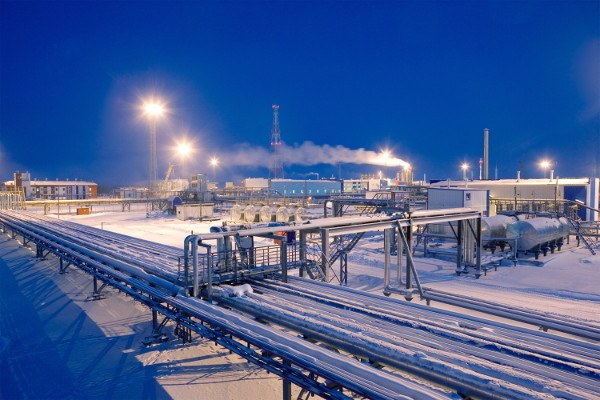
Natural Gas is a __________ energy resource.
a)
Renewable
b)
Nonrenewable
74.

Oil is a __________ energy resource.
a)
Renewable
b)
Nonrenewable
75.

The sun is the source of all energy on Earth.
a)
true
b)
false
76.
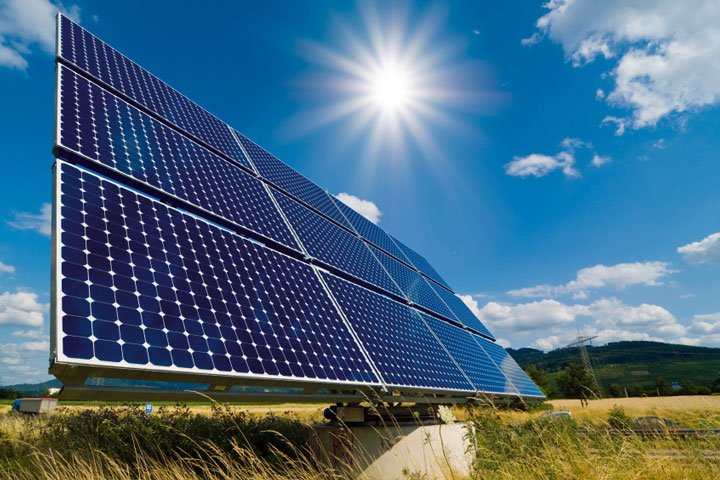
__________is the energy generated from the sun by using solar panels.
a)
Wind
b)
Hydro
c)
Nuclear
d)
Solar
77.

The energy of nuclear reactions between atoms that creates heat and turns turbines is _________.
a)
Coal
b)
Wind
c)
Hydro
d)
Nuclear
78.

__________is the energy created by wind turning wind turbines.
a)
Geothermal
b)
Hydro
c)
Wind
d)
Nuclear
79.
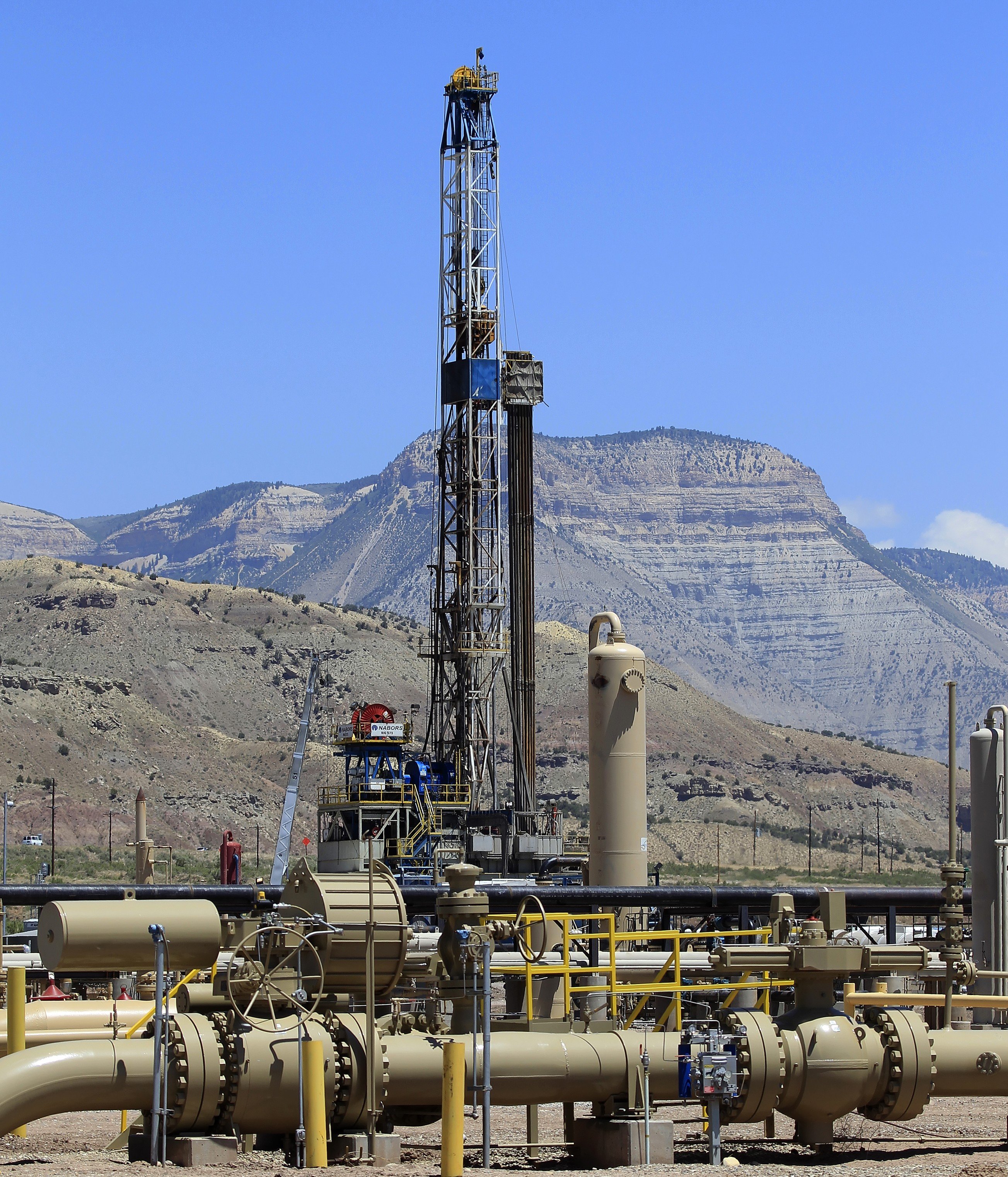
__________is a gas found under the Earth’s surface and is used to produce energy by burning it.
a)
Geothermal
b)
Natural Gas
c)
Coal
d)
Nuclear
80.

_________is energy generated when moving water turns turbines.
a)
Wind
b)
Hydro
c)
Geothermal
d)
Solar
81.
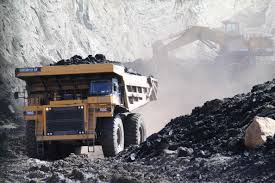
_________is compacted matter dug from under the Earth’s surface that is used to provide energy by burning it.
a)
Hydro
b)
Coal
c)
Nuclear
d)
Geothermal
82.
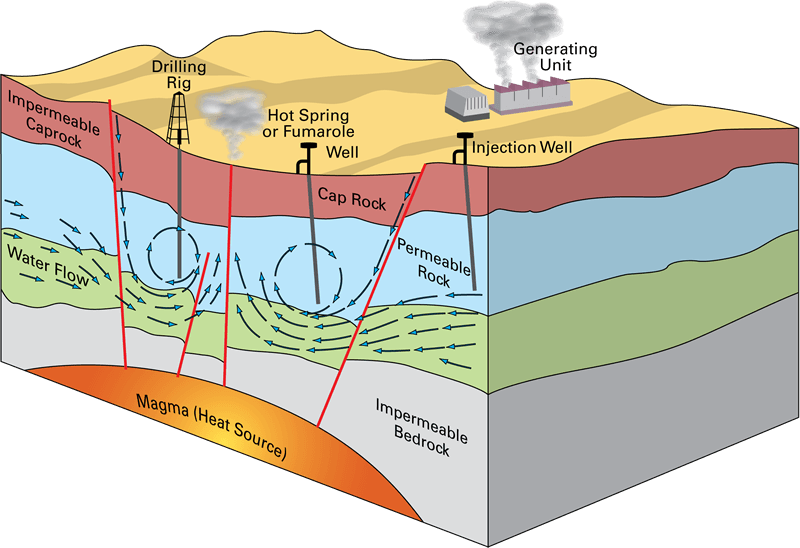
__________uses heat from the interior of the Earth. We will be using this at our new school!
a)
Solar
b)
Geothermal
c)
Nucler
d)
Wind
83.
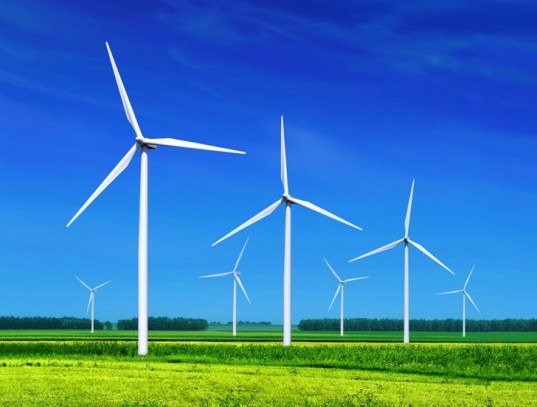
Wind is a __________ energy resource.
a)
Renewable
b)
Nonrenewable
84.

Geothermal Power is a __________ energy resource.
a)
Renewable
b)
Nonrenewable
100 %

