
 Worksheets
2nd Semester Final Review
Total questions: 83
Worksheet time: 2hrs 24mins
Name
Class
Date
1.
Plants perform photosynthesis through this organelle. It captures energy from the sun and uses it to produce food for the cell.
a)
Chlorophyll
b)
Chloroplasts
c)
Mitochondria
d)
Golgi Apparatus
2.
This structure is in plant cells but not animal cells. It is outside of the cell membrane and adds more support/structure/rigidity to the plant.
a)
Cell membrane
b)
Cell Nucleus
c)
Cell Wall
d)
Endoplasmic Reticulum
3.
Behavioral changes of individuals of a species that allow for better survival. (Acquired traits)
a)
Variation
b)
Adaptation
c)
Behavior
d)
Environment
4.
Where the better adapted organisms survive to pass traits along to offspring.
a)
Evolution
b)
Natural Selection
c)
Extinction
d)
Artifical Selection
5.
Why are advantageous traits more likely to be passed onto offspring?
a)
Because they are more likely to survive and reproduce.
b)
Because they come from dominant alleles.
c)
Because they come from recessive alleles.
d)
Because the trait is an acquired phenotype.
6.

Two horses pull in opposite directions, but together move in the direction shown. Which of the following best describes the forces being applied in this situation?
a)
The forces are balanced, and the net force is zero
b)
The forces are unbalanced, and the force of Horse 1 is greater
c)
The forces are unbalanced, and the force of Horse 2 is greater
d)
The forces are balanced, and the force of Horse 1 is greater
7.
Relative dating of rock layers tells us that the deeper we dig, _______.
a)
the younger the rocks get
b)
the smellier the rocks get
c)
the harder the rocks get
d)
the older the rocks get
8.
The Geologic Time Scale is a record of what?
a)
old geologists
b)
sweet geology music
c)
the known history of rocks and fossils
d)
a list of every living thing ever
9.
What type of rock do fossils form in?
a)
Igneous
b)
Sedimentary
c)
Metamorphic
d)
Classic
10.

According to the law of superposition, which layer is the youngest?
a)
A
b)
B
c)
C
11.

What law proves Layer 1 is younger than 2.
a)
superposition
b)
crosscutting
c)
inclusions
d)
horizonality
12.
Timeline which traces events from older to more recent dates.
a)
Geological Timeline
b)
Relative Dating
c)
Absolute Dating
d)
Fossil Record
13.
An organization of all fossils by time and type.
a)
Geological Time Scale
b)
Relative Dating
c)
Absolute Dating
d)
Fossil Record
14.

Rock made of layers of compressed sediments
a)
metamorphic rock
b)
igneous rock
c)
sedimentary rock
d)
school house rock
15.
Small pieces of rock are also called
a)
sediment
b)
coal
c)
organic matter
d)
erosion
16.

The breakdown of rock into smaller particles from the effects of wind, water and ice
a)
erosion
b)
cementation
c)
pressure
d)
weathering
17.

Wind, water, ice and gravity carry sediments away
a)
weathering
b)
deposition
c)
erosion
d)
cementation
18.

When the weight of new sediment layers is deposited on top of older layers
a)
erosion
b)
compaction
c)
pressure
d)
weathering
19.
Force of objects pushing on other objects
a)
erosion
b)
pressure
c)
fighting
20.
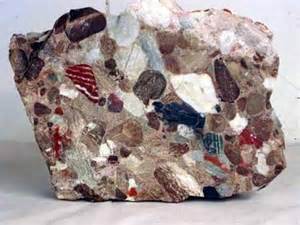
The process of layers become stuck together forming sedimentary rocks
a)
sticking
b)
pressuring
c)
cementation
d)
deposition
21.
When metamorphic rocks are formed, the extreme heat is usually caused by the _______.
a)
gravity in the atmosphere
b)
collision of tectonic plates
c)
the fiery hot magma in the Earth's mantle
d)
weight of the mountains
22.
How do metamorphic rocks form?
a)
Heat and Pressure
b)
Compaction & Cementation
c)
Cooling of Magma
d)
Sediments & Glue
23.
Metamorphic rocks are formed by ___.
a)
existing rocks are baked and squeezed by pressure
b)
small pieces of rock are compacted and cemented together
c)
magma or lava cools and hardens
d)
igneous rocks are broken into pieces
24.
Metamorphic rocks form from ___.
a)
igneous rocks
b)
other metamorphic rocks
c)
sedimentary rocks
d)
all types of rocks
25.
A type of rock that forms from the cooling of molten rock at or below the surface of the earth
a)
Igneous Rock
b)
Metamorphic Rock
c)
Sedimentary Rock
d)
chemical Rock
26.
Igneous Rocks form by what process?
a)
Weathering
b)
Metamorphism
c)
Crystallization
d)
Evaporation
27.
What are the three main categories of rocks found in the rock cycle?
a)
compound, atomic, and neutral
b)
igneous, metamorphic, and sedimentary
c)
organic, inorganic, and man-made
d)
intrusive, extrusive, and obtusive
28.
A type of rock that forms from the cooling of molten rock at or below the surface of the earth
a)
Igneous Rock
b)
Metamorphic Rock
c)
Sedimentary Rock
d)
chemical Rock
29.
The process by which igneous rocks are formed...
a)
heat and pressure deep underneath earth's surface
b)
melting and cooling of magma
c)
compaction and cementation of sediments
30.
Which of the following is where one plate slides under another plate?
a)
submarine zone
b)
divergence zone
c)
subduction zone
d)
lower zone
31.
Which of the following land formation occurs at a divergent continental/continental boundary?
a)
mid-ocean ridge
b)
deep ocean trench
c)
Pacific hot spot
d)
rift valley
32.
Mountains form from....
a)
Plates sliding past one another
b)
collision of plates
c)
plates moving away from each other
d)
none of these
33.
Earth's plates are....
a)
Constantly moving and changing the face of the Earth
b)
Never moved
c)
Move seldom and very fast
d)
move when they feel like it
34.
Plate movement is caused by _____
a)
The rotation of the Earth
b)
Ocean tides
c)
Convection current in the mantle
d)
The moon's gravity
35.
Plates moving apart would be...
a)
convergent
b)
divergent
c)
transform
36.

Which is subducted in an ocean-continental convergent boundary?
a)
continental plate
b)
oceanic plate
37.
What type of boundary creates a new seafloor?
a)
convergent continental to continental
b)
convergent ocean to continental
c)
convergent ocean to ocean
d)
divergent
38.
What are some physical features found along convergent continental-oceanic plate boundaries?
a)
volcanoes & deep ocean trenches
b)
beaches
c)
earthquakes
d)
flat marine terraces
39.
Why do volcanoes form at convergent continental-oceanic plate boundaries?
a)
scientists still aren't sure
b)
colliding plates form steep mountain ranges
c)
as the oceanic plate subducts, it is partially melted, resulting in magma that rises up through the continental crust
d)
because this is the Ring of Fire
40.
Which of the following causes Earth's tectonic plates to move?
a)
Energy from the Sun
b)
Magnetic Pole Reversal
c)
Convection currents in the mantle
d)
Faults in Mountain Ranges
41.
Mountains are created when....
a)
Two continental plates collide
b)
Two oceanic plates pull apart
c)
An Oceanic plate subducts under a Continental Plate
d)
Two continental plates pull apart
42.
Earth is divided into 4 layers. Which answer gives the correct order of the layers?
a)
Inner Core, Mantle, Outer Core, Crust
b)
Crust, Inner Core, Outer Core, Mantle
c)
Crust, Mantle, Outer Core, Inner Core
d)
Crust, Mantle, Inner Core, Outer Core
43.
Which layer on Earth is made up molten rock rich in oxygen, magnesium, and silicon?
a)
Crust
b)
Mantle
c)
Inner Core
d)
Outer Core
44.
Which layer is made up of a solid ball of iron due to extreme pressure from the above layers?
a)
Crust
b)
Mantle
c)
Inner Core
d)
Outer Core
45.
Which layer is the outer most layer where we live?
a)
Inner Core
b)
Crust
c)
Mantle
d)
Outer Core
46.
There are two different types of crust. What are they?
a)
Oceanic and Continental
b)
Oceanic and Mountain
c)
Sea and Continental
d)
None of these are Correct
47.
A giant landmass that existed 200 million years ago
a)
Wegener
b)
Pangaea
c)
Archyopteryx
d)
Ammonite
48.
Which piece of evidence did Wegener use to prove continental drift?
a)
The shape of the continents
b)
Similar fossils found on separate continents
c)
Tree fossils found in odd places
d)
All of the above
49.
What does the theory of continental drift state?
a)
The continents were once joined in a super-continent and have moved over time
b)
Continents are stationary and do not move
c)
The Earth is broken into lithospheric plates that move due to convection currents
d)
none of the above
50.
Why did no one believe Wegener's thoery?
a)
He could not explain HOW the continents moved
b)
He didn't have evidence
c)
His data was wrong
d)
He didn't use the right technology to gather data
51.
The Theory of Continental Drift states that the continents drifted together to form Pangaea
a)
True
b)
False
52.
Which piece of evidence did Wegener use to prove continental drift?
a)
The shape of the continents
b)
Similar fossils found on separate continents
c)
Tree fossils found in odd places
d)
All of the above
53.
A collision between two pieces of continental crust at a converging boundary produces a
a)
mid ocean ridge
b)
deep ocean trench
c)
rift valley
d)
mountain range
54.
Which answer best explains what creates our solid iron center?
a)
The inner core has the lowest density of all the Earth's layers.
b)
The inner core is the most dense of the all of the layers.
c)
The inner core is the outer most layer causeing it to have little amounts of pressure
d)
The inner core is not a solid ball of iron so this statement is false.
55.
The crust is less dense then all of the other layers of Earth. Chose which answer best explains how we know this.
a)
This statement is false
b)
The crust is the most dense of all the layers.
c)
Material that is less dense will stay on top of more dense materials
d)
The crust is below the mantle
56.
The measure of how much mass is in a volume is known as...
a)
Volume
b)
Mass
c)
Weight
d)
Density
57.
A __________ includes all living and non-living things in an environment.
a)
population
b)
niche
c)
abitotic
d)
ecosystem
58.
Which organism make their own food through the process of photosynthesis?
a)
decomposer
b)
consumer
c)
herbivore
d)
producer
59.
All food chains_____________________
a)
have more consumers than producers
b)
produce and use same amount of energy
c)
begin with a producer
d)
are unhealthy
60.
How does energy enter an ecosystem?
a)
sunlight
b)
soil
c)
animals
d)
invasive species
61.
What is a destructive force?
a)
A natural process that destroys land
b)
A natural process that creates land
c)
A natural process where areas that are normally dry is covered in water
62.
A constructive force is defined as
a)
a natural occurrence that can build up or break down
b)
an earthquake or a volcano
c)
a natural force that builds up and creates new land
d)
a destructive force that has been controlled
63.

Match the following words to the pictures
a)
Constructive Forces
b)
Destructive Forces
c)
Weathering
d)
Human Intervention
64.

Match the following words to the pictures
a)
Constructive Forces
b)
Destructive Forces
c)
Weathering
d)
Human Intervention
65.
Which explains the formation of Hawaii?
a)
hotspot on a continental plate
b)
hotspot on an oceanic plate
c)
convergent boundary between 2 oceanic plates
d)
convergent boundary between a oceanic and one continental plate
66.
What caused the Grand Canyon?
a)
Erosion and Weathering
b)
A divergent boundary
c)
A convergent boundary
d)
A transform boundary
67.
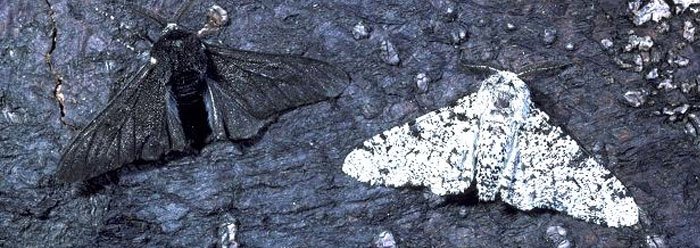
The trees these moths used to live on were white, but have been covered in soot from coal factories. Which moth will be more successful in this environment?
a)
Dark moth
b)
Light moth
c)
Both will be equally successful
d)
Neither will be successful
68.
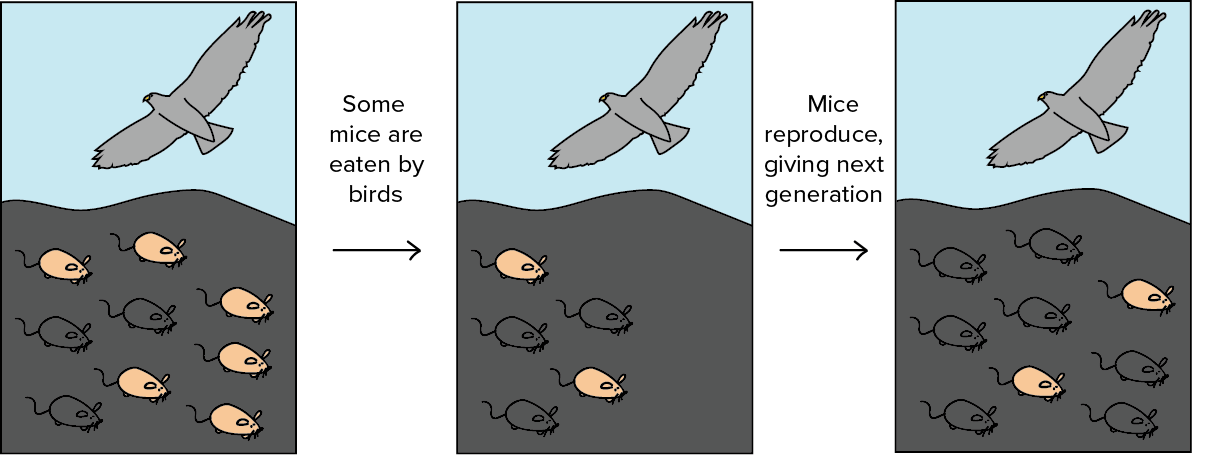
Why is the mouse population changing over time?
a)
The light mice can reproduce more successfully than the dark mice
b)
The hawks eat more dark mice than light mice because the dark mice taste better
c)
The hawks eat more light mice than dark mice because they can see the light mice more easily
d)
The hawks eat more dark mice than light mice because they can see the dark mice more easily
69.
Where do adaptations come from?
a)
The individual organism decides to adapt
b)
Mutations that give an organism an advantage in its environment
70.
Organisms that are better adapted to the environment survive to pass traits to their offspring
a)
Natural Selection
b)
Homeostasis
c)
Selective Breeding
d)
Extinction
71.

The adaptations of the peppered moth are an example of:
a)
Natural Selection
b)
Selective Breeding
72.
Energy due to motion is ____________ energy.
a)
Potential
b)
Energy
c)
Kinetic
d)
Friction
73.
__________ is stored energy.
a)
Potential
b)
Kinetic
c)
None of the above
d)
All of the above
74.
Gravitational potential energy depends on the ________ and ________ of the object.
a)
Height and mass
b)
Friction and movement
c)
Mass and Movement
d)
Height and Friction
75.

What kind of energy is in a moving skateboard?
a)
Potential
b)
Kinetic
76.

What kind of energy is in a rock at the edge of a cliff?
a)
Potential
b)
Kinetic
77.

At which point is potential energy greatest?
a)
W
b)
X
c)
Y
d)
Z
78.
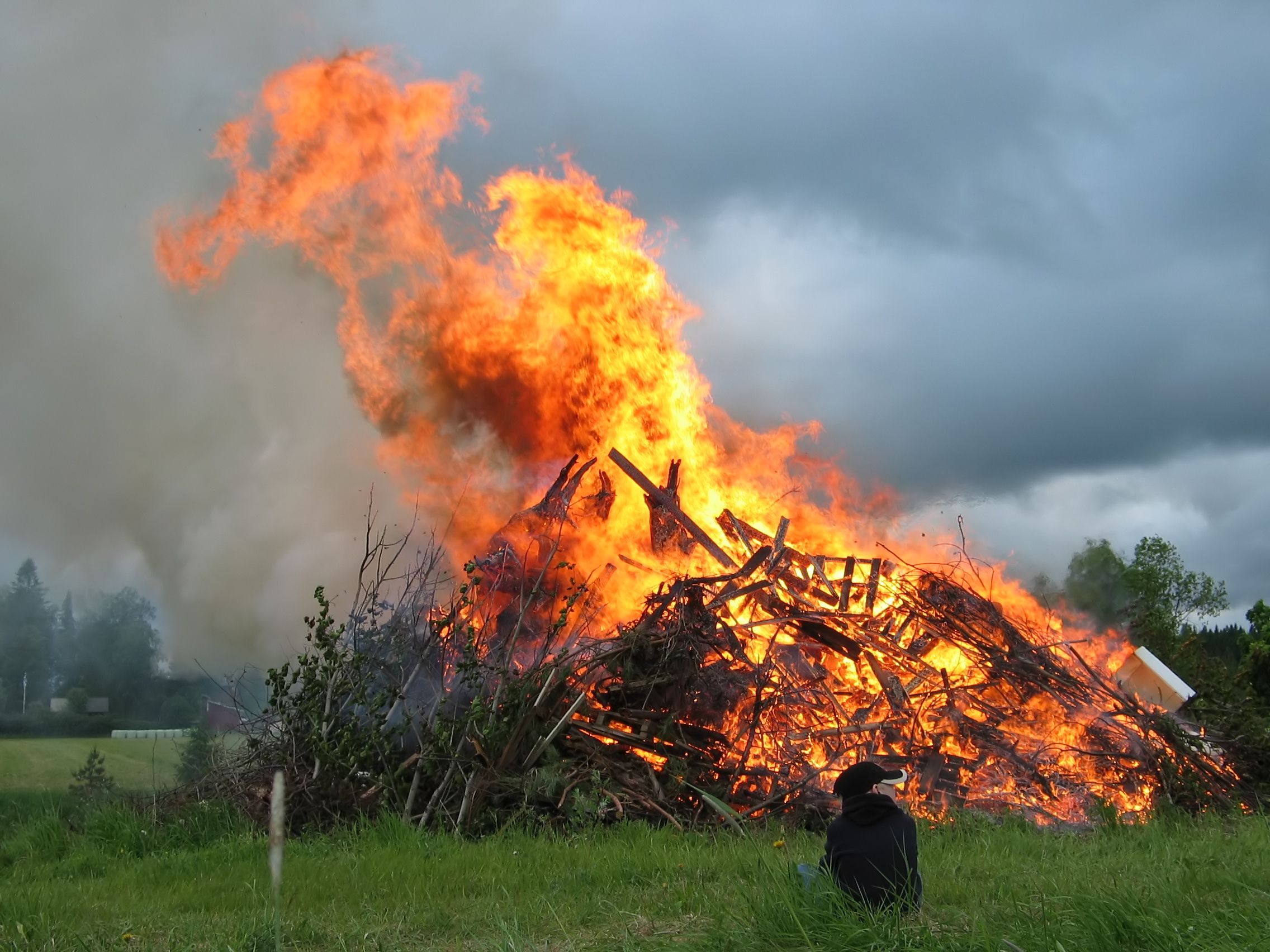
Is wood burning a physical or chemical change?
a)
Physical
b)
Chemical
79.
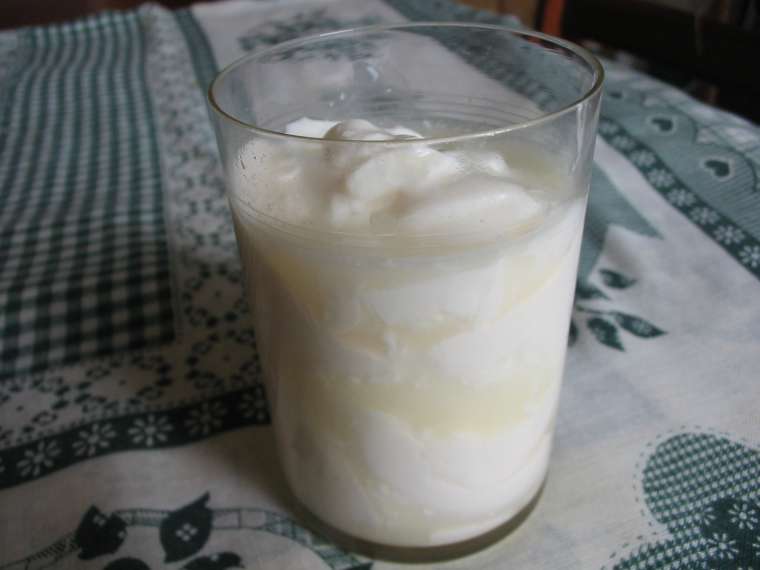
Is milk going sour a physical or chemical change?
a)
Physical
b)
Chemical
80.

Is Gatorade powder dissolving in water physical or chemical change?
a)
Physical
b)
Chemical
81.
A living or once-living organisms in an ecosystem is a
a)
population
b)
biotic factor
c)
abiotic factor
d)
community
82.
A nonliving element in an ecosystem is an
a)
animal
b)
abiotic factor
c)
biotic factor
d)
organism
83.
Is sunlight an abiotic or biotic factor?
a)
abiotic
b)
biotic
100 %

