
 Worksheets
Space
Total questions: 67
Worksheet time: 52mins

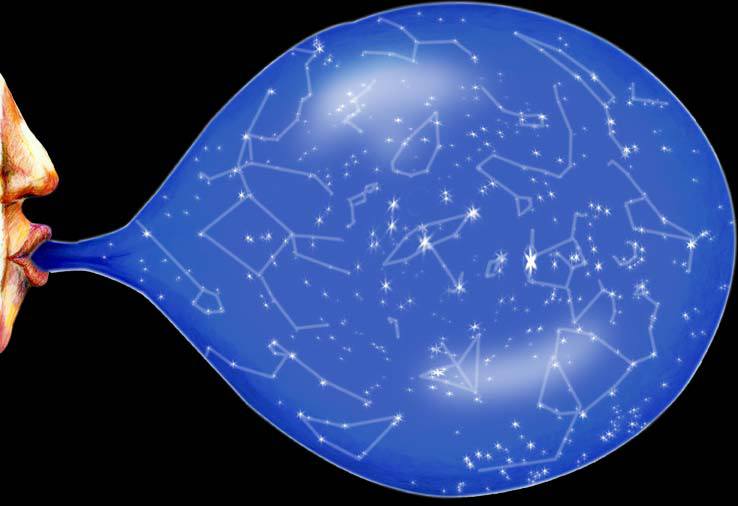
The Milky Way galaxy we live in is a/an ..........
elliptical galaxy
spiral galaxy
irregular galaxy
Planets that are closer to the sun
take more time to orbit/revolve
take less time to orbit/revolve

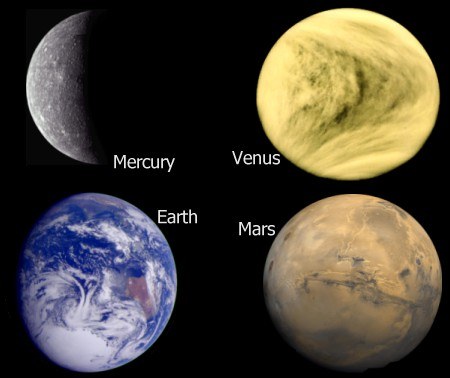
Examining the Solar System, a pattern arises when describing the distance between each planet. Which of the following BEST describes that pattern?
As a planet's distance from the sun increases, its period of revolution doesnt change.
As a planet's distance from the sun increases, its period of revolution decreases
As a planet's distance from the sun increases, its period of revolution also increases
The sun and all of the planets and other bodies that travel around it make up our...
Universe
Galaxy
Star
Solar System

Why does the sun seem so much larger than other stars?
It is farther away than other stars.
It is brighter than other stars.
It is closer to Earth than the other stars.
It is the largest star in the universe.
Star's spend most of their lives as __________________. This is where our Sun is now.
Nebulas
Main Sequence
Red Giants
White Dwarfs


main sequence>
red giant >
white dwarf>black dwarfs
main sequence>
white dwarf>
red giant
protostar>
white dwarf>
red giant
red giant >
main sequence>
white dwarf

Compared to the Jovian planets, the Terrestrial planets are
cooler, smaller, more dense
hotter, smaller, more dense
cooler , bigger, more dense
hotter, bigger, less dense
Compared to Earth, Jupiter is
less massive and has a longer period of rotation
more massive and has a longer period of rotation
more massive and has a shorter period of rotation
less massive and has a shorter period of rotation
Which star is hotter and brighter than the Sun?
Procyon B
Barnard's star
Proxima Centuari
Deneb

