Wayground logo

Free Printable Worksheets

Font size

S
M
L
XL
Worksheets

Mollusca, Bivalves, Gastropod, Cnidaria, Symbiotic Relationships

Total questions: 67

Worksheet time: 3615secs

Name
Class
Date
1.
What type of symmetry do Molluscs have?
a)
Asymmetrical
b)
Bilateral
c)
Radial
2.
What is the meaning of Gastropod?
a)
Soft-bodied
b)
Stomach foot
c)
Head-footed
d)
Two-shelled
3.
Which group of Molluscs does the picture belong to?
a)
Gastropod
b)
Bivalve
c)
Cephalopod
4.
How do Bivalves eat?
a)
Filter feeders
b)
Radula
c)
Tentacles
5.
Which class of Molluscs include clams, scallops, and mussels?
a)
Gastropods
b)
Bivalves
c)
Cephalopods
6.
Which part of the Mollusk body is the tissue covering the body and secretes the shell?
a)
Mantle
b)
Trochophore
c)
Foot
d)
Visceral Mass
7.
Which of these bivalves have eyes along the edge of their mantle?
a)
scallop
b)
oyster
c)
mussel
d)
clam
8.
What type of gastropod is pictured? 
a)
tulip snail
b)
cowry snail
c)
abalone
d)
nudibranch
9.
What does the prefix bi- mean?
a)
two
b)
leaf
c)
shell
d)
foot
10.
Which of the following does not belong to the class Bivalvia?
a)
Scallop
b)
Snail
c)
Oyster
d)
Mussel
11.
What structure do bivalves use to extract oxygen from the water?
a)
gills
b)
lungs
c)
siphons
d)
mantle
12.
What do all bivalves have in common?
a)
2 shells
b)
radula
c)
head
d)
bivalves possess all of the other traits
13.
Gastropoda, Bivalva, Cephalapoda are all classes within the Phylum _______. 
a)
Arthropoda
b)
Mollusca
c)
Porifera 
d)
Cnidaria
14.
Bivalves don't have radula because they_____. 
a)
have two shells
b)
use gills instead
c)
are filter feeders
d)
don't eat meat
15.
Which class of Mollusks include clams, oysters, and mussels?
a)
Gastropods
b)
Bivalves
c)
Cephalopods
16.
Mollusk's tongue-like strip covered with teeth that point backward is called the ____
a)
trochopore
b)
radula
c)
gills
d)
visceral mass
17.
Which of the types of Molluska translates to "stomach-foot?"
a)
Gastropoda
b)
Bivalva
c)
Cephalapoda
d)
Nematoda
18.
Radula is used to _________. 
a)
scrape food from surfaces
b)
regulate water flow
c)
digest food
d)
gas exchange
19.

What does Bivalve stand for?

a)

Head Foot

b)

Stomach Foot

c)

2 valves

20.

What does Mollusc mean?

a)

Hard Body

b)

Soft Body

c)

2 Valves

21.

Sea slugs are only found in the?

a)

River

b)

Ocean

c)

Lakes

22.

Which of the following is not a gastropod?

a)

Snail

b)

Sea Slug

c)

Slug

d)

Scallop

23.

Snails are found on?

a)

Land

b)

Fresh water

c)

Salt Water

d)

Land, Freshwater and Salt Water

24.

Which of the following are reasons for harvesting Bivalves?

a)

Food

b)

Jewelry

c)

Decoration

d)

Fuel

25.
What is an invasive species?
a)
A native (naturally found) species which are added to an area. 
b)
A non-native (not naturally found) species added to an area. 
c)
A keystone species in an environment
d)
none of the above
26.
Invasive species alter the ecosystem by a___________in number quickly,this leads to _____ food for the native  species. 
a)
increasing  less
b)
decline  decreasing
27.
Invasive species grow quickly due to the lack of predators, this leads to a decline or extinction of the native population. True or false? 
a)
false
b)
true
28.

An organism that lives in or on another organism (its host); it gets energy (food) from the host

a)

Molecule

b)

Virus

c)

Gestation

d)

Parasite

29.

A One-Way Gut is?

a)

You have 2 opening, a mouth and an anus

b)

You have one opening that acts as a mouth and an anus

30.

A Two-Way Gut is?

a)

You have 2 opening, a mouth and an anus

b)

You have one opening that acts as a mouth and an anus

31.

Which of the following organisms has a one-way gut?

a)

Anemone

b)

Coral

c)

Shark

32.

Which of the following organisms has a two-way gut?

a)

Anemone

b)

Human

c)

Shark

33.

Reproduction involving a single organism where genetic copies of itself are made.

a)

Sexual Reproduction

b)

Asexual Reproduction

c)

Budding

d)

Pollination

34.

Reproduction that combines genetic material of two organisms

a)

Sexual Reproduction

b)

Asexual Reproduction

c)

Fertilization

d)

Budding

35.

Action or process of fertilizing an egg

a)

Fertilization

b)

Budding

c)

Pollination

d)

Zygote

36.
Which of the following is true of all mollusks?
a)
They have shells.
b)
They have soft bodies.
c)
They have segments.
d)
They have a closed circulatory system.
37.
A bivalve obtains food by
a)
using a radula.
b)
filtering it from water.
c)
trapping it between two shells.
d)
grabbing it with its muscular foot.
38.
A gastropod's radula enables it to
a)
reproduce.
b)
remove oxygen from water.
c)
move.
d)
scrape food from a surface.
39.
Snails and slugs belong to which group of mollusks?
a)
gastropods
b)
arthropods
c)
bivalves
d)
cephalopods
40.
Which class of Mollusks include clams, oysters, and mussels?
a)
Gastropods
b)
Bivalves
c)
Cephalopods
41.
What type of mollusk is this
a)
bivalve
b)
cephalopod
c)
gastrapod
d)
segmented worm
42.
An invertebrate with a soft, unsegmented body; most are protected by a hard outer shell.
a)
mollusk
b)
arthropod
c)
cnidarian
d)
flatworm
43.
What type of symmetry do mollusks have?
a)
Bilateral
b)
Radial
c)
Circular
d)
Asymmetrical
44.

How many shells do have bivalves have?

a)

2

b)

1

c)

3

d)

they have not got shells

45.

Do bivalves have head or radula?

a)

No

b)

yes

46.

Which of bivalve has a row of small blue eyes?

a)

scallops

b)

clams

c)

shipworms

d)

oysters

47.

The Incurrent siphons is used to pump water through the organism for:

a)

Filter feeding, jet propulsion

b)

eating

c)

running

d)

swimming

48.

The Excurrent siphon is used to?

a)

Filter feeding, jet propulsion

b)

Releasing waste products

c)

running

49.
Cattle egrets forage (feed) in fields among cattle. The egret gets easy access to flying insects stirred up by the cattle, and the cattle don't care if they are there or not.
a)
mutualism
b)
commensalism
c)
competition
d)
parasitism
50.
A relationship between two organisms in which one organism benefits and the other is unharmed...
a)
Mutualism 
b)
Competition
c)
Parasitsm 
d)
Commensalism 
51.
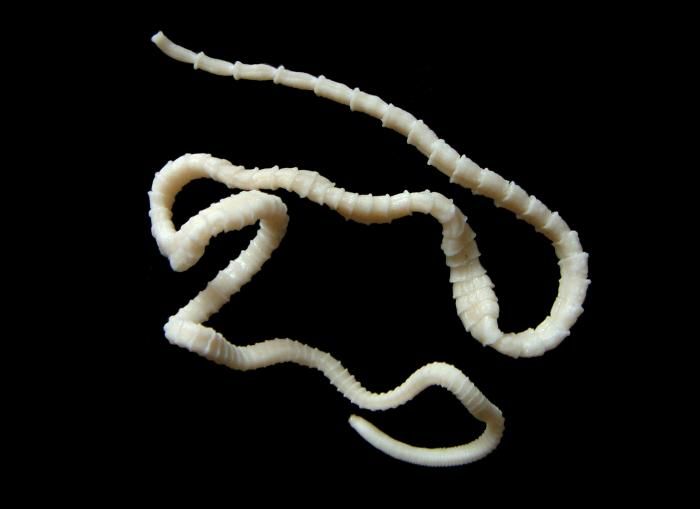
A tapeworm and a cat have this type of relationship.
a)
mutualism
b)
parasitism
c)
commensalism
d)
competition
52.
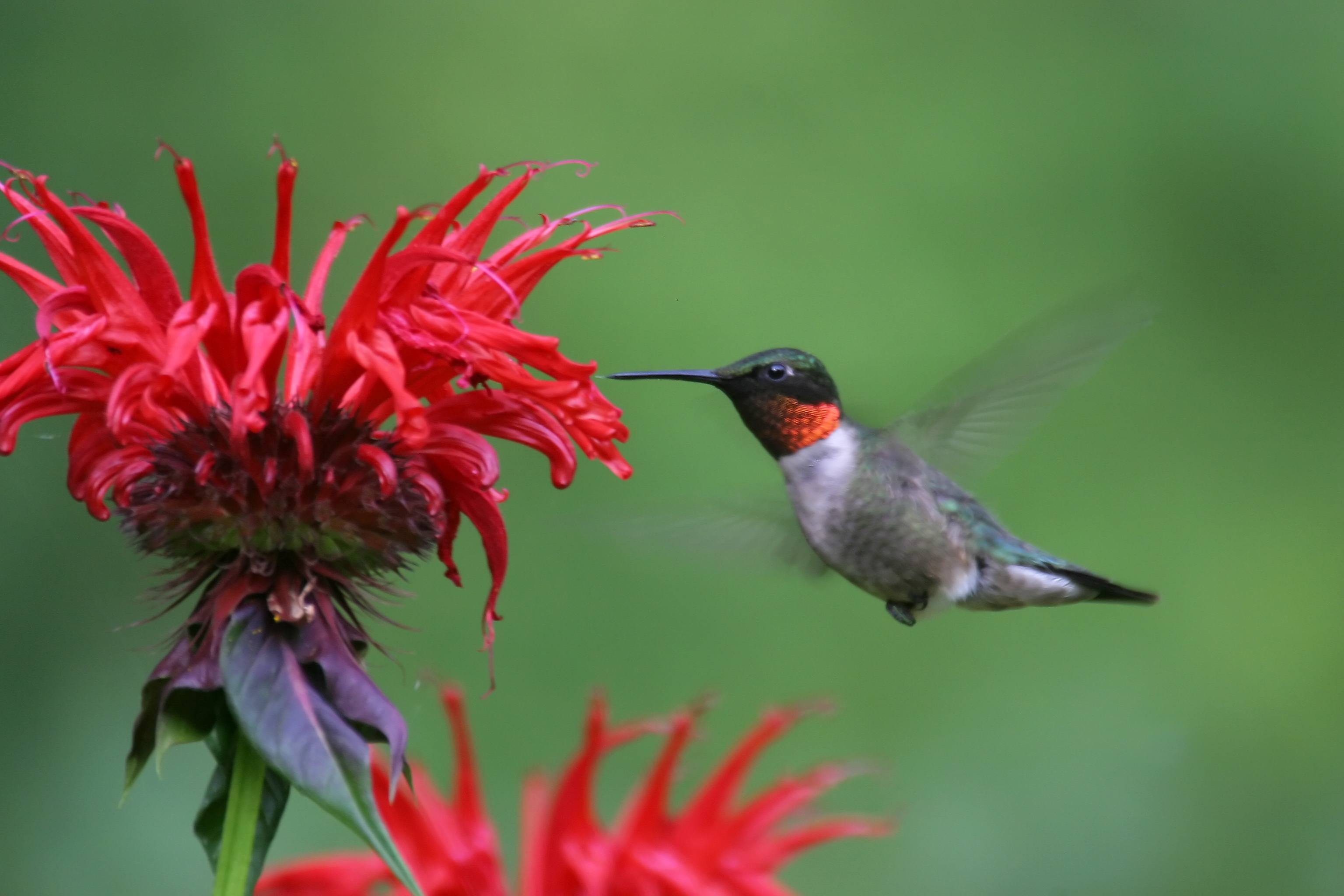
What type of symbiosis?  Hummingbirds feed on nectar from flowers.  The flowers are pollinated by hummingbirds as they move from flower to flower.
a)
commensalism
b)
mutualism
c)
parasitism
d)
predation
53.
A relationship between two organisms in which both organisms benefit. 
a)
Mutualism 
b)
Competition
c)
Parasitsm 
d)
Commensalism 
54.
A frog eats a fly. The frog and fly are demonstrating ________.
a)
mutualism
b)
competition
c)
predator/prey
d)
parasitism
55.
Barnacles create home sites by attaching themselves to whales. This neither harms nor benefits the whales.  What kind of relationship is this?
a)
Mutualism 
b)
Parasitism 
c)
Commensalism 
56.
Which symbols best describe mutualism?
a)
+,+
b)
+,-
c)
+,0
d)
-,0
57.
Which symbols best describe parasitism?
a)
+,+
b)
+,-
c)
+,0
d)
-,0
58.
Two male Giraffes are fighting over the last green leaf of a tree that is dying.  
a)
Competition
b)
Mutualsim
c)
Predation
d)
Commensalism
59.
Remoras attach themselves to a shark's body. They then travel with the shak and feed on the left over scraps from the shark's meals.
a)
commensalism
b)
mutualism
c)
predation
d)
competition
60.
Identify this animal.
a)
sponge
b)
cnidarian
c)
roundworm
d)
flatworm
61.
A characteristic the organisms in the phylum Porifera possess:
a)
Stinging cells.
b)
The ability to photosynthesize.
c)
Have asymmetrical symmetry.
d)
Have radial symmetry.
62.
Which of the following are classified as a mollusks?
a)
Bees
b)
Slugs
c)
Frogs
d)
Monkeys
63.

Coral polyps have what type of symbiotic relationship with zooxanthellae?

a)

Mutualistic

b)

Predator/Prey

c)

Commensual

d)

Parasitic

64.

Coral polyps secrete what mineral?

a)

carbon calciate

b)

calcium carbonate

c)

calcium hydroxide

d)

carbon hydroxide

65.

Coral are related to what other organism?

a)

Jellyfish

b)

Squid

c)

oysters

d)

lobsters

66.

Corals tolerate variation in the ocean environment easily.

a)

True

b)

False

67.

What is coral bleaching?

a)

when the coral gets sick and loses its color

b)

when the coral dies

c)

the zooxanthellae turns white

d)

when the coral turns white during spawning