
 Worksheets
A&P 102, Lymphatics, Immunity, & Respiratory practice questions
Total questions: 67
Worksheet time: 55mins
Name
Class
Date
1.
WHICH TYPE OF IMMUNITY INVOLVES MAINLY THE REACTIONS OF ANTIBODIES?
a)
ACTIVE IMMUNITY
b)
PASSIVE IMMUNITY
c)
CELLULAR IMMUNITY
d)
HUMORAL IMMUNITY
2.
WHICH PROCESS IS ALSO KNOWN AS CELL SUICIDE?
a)
PHAGOCYTOSIS
b)
EXOCYTOSIS
c)
APOPTOSIS
3.
___________ antibodies make up about 75 percent of all immunoglobulins in the body and are the only immunoglobulin class that crosses the placenta and provides fetal immunity?
a)
Immunoglobulin A
Immunoglobulin A
Immunoglobulin A
b)
Immunoglobulin E
c)
Immunoglobulin G
d)
Immunoglobulin M
4.
Which lymphocytes specifically target cells infected by cancer viruses?
a)
Helper Cells
b)
Natural Killer Cells
c)
Cytotoxic Cells
d)
Suppressor Cells
5.
An antibiotic fights or prevents __________ infections.
a)
bacterial and viral
b)
fungal
c)
bacterial
d)
antibody
6.
Lymphocytes and monocytes are both_________.
a)
granulocytes
b)
agranulocytes
c)
thrombocytes
d)
erythrocytes
7.
What are white blood cells?
a)
lymph
b)
leukocytes
c)
hemoglobin
d)
antigen
8.
What is a disease-causing microorganism?
a)
antigen
b)
pathogen
c)
antibody
d)
plasma
9.
What is a naturally occurring healing process that the body undergoes; characterized by erythema, edema, and pain?
a)
hemolysis
b)
inflammatory response
c)
coagulation
d)
spleen
10.
What is a colorless liquid containing leukocytes and plasma that helps removes waste, toxins, or other harmful substances?
a)
thrombocytes
b)
thymus
c)
lymph
d)
leukocytes
11.
Class of lymphocytes, derived from the thymus gland:
a)
B-Cells
b)
Antigens
c)
Antibodies
d)
T-Cells
12.
A substance that stimulates an immune response--especially the production of antibodies.
a)
Antigens
b)
Antibodies
c)
Pathogens
d)
Natural Immunity
13.
what is the dendritic cell?
a)
Antigen-presenting cell
b)
lymphocyte that directly kills antigens
c)
lymphocyte that aids B cells and stimulates T cells
d)
red blood cells
14.
What is a plasma cell?
a)
it is a lymphocyte that secretes antibodies
b)
secretes hormones to start puberty
c)
kills antigens
d)
aids B cells and simulates T cells
15.
Lymphatic vessels contain one way valves.
a)
true
b)
false
16.
Which lymphatic duct drains lymph from most of the body (with exception to the right upper quadrant)
a)
right lymphatic duct
b)
thoracic duct
17.
Where are B cells made?
a)
bone marrow
b)
spleen
c)
lymph nodes
d)
thymus
18.
Which lymphatic organ cleans and filters lymph?
a)
lymph node
b)
thymus
c)
spleen
d)
capillary
19.
Which mucosa-associated lymph tissue (MALT) is found in the oral cavity?
a)
tonsil
b)
peyer patch
c)
vermifrom appendix
20.
Which is an example of a pathogen barrier
a)
skin
b)
coughing
c)
inflammation
d)
phagocytosis
21.
A macrophage phagocytizing bacteria is an example of
a)
acquired immunity
b)
innate immunity
22.
Which white blood cell releases histamine and other chemicals to initiate inflammation
a)
Mast cell
b)
interferon
c)
natural killer cells
d)
B cells
23.
This protein is released by WBCs to defend against viral infections
a)
Mast cell
b)
interferon
c)
natural killer cells
d)
B cells
24.
CD4+ and CD8+ are a type of ___________
a)
B cell
b)
T cell
25.
An accumulation of excess fluid between cells is called?
a)
Edema
b)
Lymphangitis
c)
Lymphoma
d)
Ankylosing Spondylitis
26.
Which cell primes B AND T cells?
a)
Macrophages
b)
Helper T cells
c)
Cytotoxic T cells
d)
Humoral cells
27.
What is the antigen presenting receptor on the surface of T cells called?
a)
MHC
b)
TLR
c)
GPCR
d)
None of the above
28.
A secondary immune response will be faster when...
a)
The individual has encountered the pathogen already
b)
The individual's macrophages are on high alert
c)
The individual has encountered the pathogen and has memory B cells circulating
d)
All of the above
29.
Which of the following is an example of an autoimmune disease?
a)
Lupus
b)
Rheumatoid Arthritis
c)
MS
d)
All of the above
30.
HIV attacks and kills which of the following?
a)
Plasma B cells
b)
Memory B cells
c)
Helper T cells
d)
Cytotoxic T cells
31.
This protein protects cells from a viral invasion.
a)
myelin
b)
pilus
c)
interferon
d)
neutrophil
32.
The body’s nonspecific defenses against invading pathogens include
a)
antibiotics.
b)
mucus, sweat and tears.
c)
antibodies.
d)
Killer T cells.
33.
Some staphylococcal infections result from direct contact with infected wounds.
Which of the following cells is a first line of defence against staphylococcal bacteria?
Which of the following cells is a first line of defence against staphylococcal bacteria?
a)
B cells
b)
Skin cells
c)
Killer T cells
d)
Helper T cells
34.
A protein with antibody activity is called?
a)
Humoral response
b)
Surface proteins
c)
Immunoglobulin
d)
Homeostasis
35.
A dead or weakened pathogen introduced into the body to produce immunity is called?
a)
Antibiotics
b)
Vaccine
c)
Antibodies
d)
Antigens
36.
How do breathing passages help keep pathogens out of the body?
a)
Chemicals kill some pathogens.
b)
Mucus and cilia trap pathogens.
c)
Phagocytes in the breathing passages destroy pathogens.
d)
They produce antibodies that kill pathogens.
37.
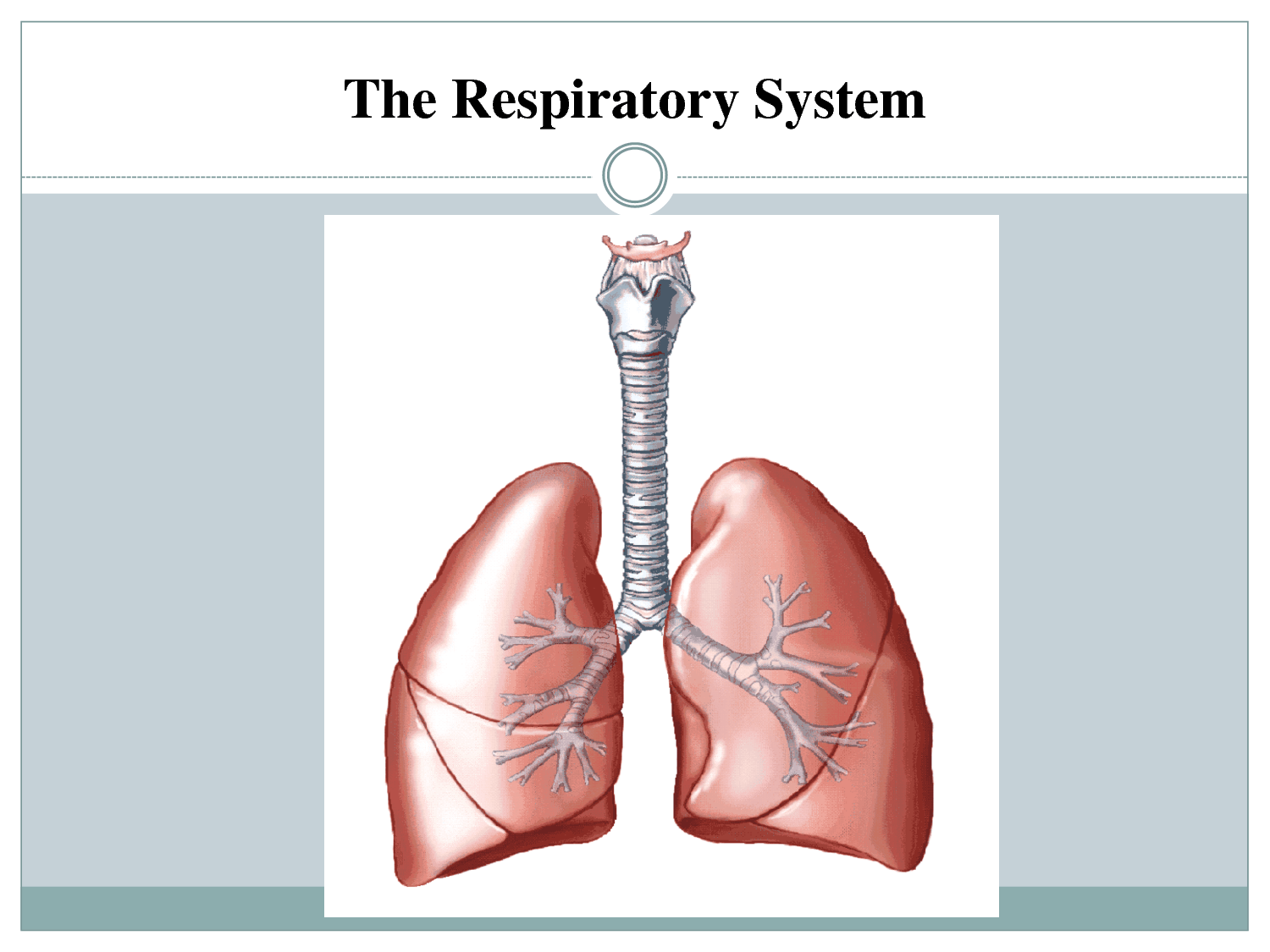
What is the main function of the respiratory system?
a)
to provide oxygen and remove carbon dioxide from the body
b)
to bring oxygen to the body
c)
to break down food and absorb nutrients
d)
to remove oxygen from the body and deliver carbon dioxide
38.
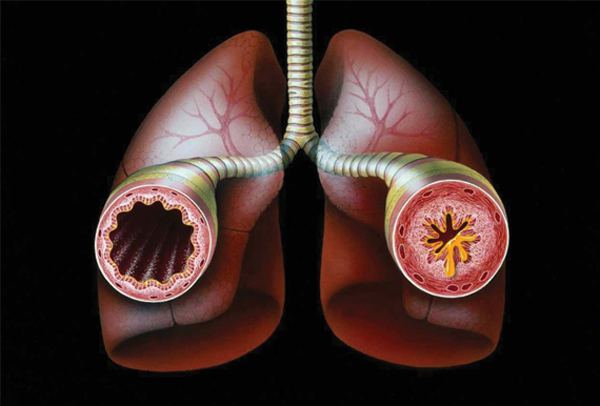
A disorder of the lungs called ____ causes the bronchi to become restricted (get smaller) so air can't get to the lungs.
a)
asthma
b)
cold
c)
influenza
d)
bronchitis
39.
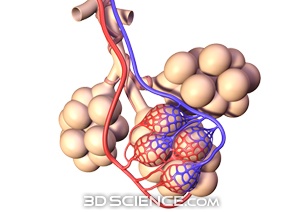
The air sacs that are covered with capillaries where gas exchange takes place
a)
bronchi
b)
lungs
c)
oxygen
d)
alveoli
40.
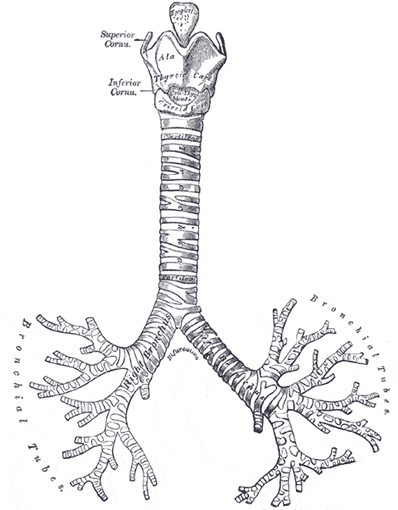
What is tube that is also known as your wind pipe?
a)
esophogus
b)
bronchi
c)
trachea
d)
alveoli
41.
The passageway that is shared by both the digestive and respiratory system is the....
a)
larynx
b)
pharynx
c)
trachea
d)
nose
42.
What does the Larynx hold ?
a)
The larynx holds the whole sub system
b)
The larynx is part of the plant cells.
c)
The larynx holds the vocal chords.
d)
The larynx is part of animal tissues.
43.
What is the small flap of tissue called that covers the air-only passage when we swallow?
a)
Bronchioles
b)
Larynx
c)
Alveoli
d)
Epiglottis
44.
Internal gas exchange occurs between
a)
alveoli and pulmonary capillary
b)
alveoli and body tissue
c)
body tissue and pulmonary capillary
d)
body tissue and systemic capillary
45.
Exchange of oxygen and carbon dioxide through respiratory membranes is caused by
a)
osmosis
b)
simple diffusion
c)
active transport
d)
facilitated diffusion
46.
Oxygen binds to hemoglobin in the blood to form
a)
bicarbonate ion
b)
carbonic acid
c)
carbon dioxide
d)
oxyhemoglobin
47.
70% of carbon dioxide is transferred as
a)
oxyhemoglobin
b)
carbaminohemoglobin
c)
bicarbonate ion
d)
dissolved in plasma
48.
Most of carbon dioxide is transported within blood in
a)
red blood cells
b)
plasma
c)
white blood cells
d)
in alveoli
49.
science word for "breathing"
a)
cellular respiration
b)
apnea
c)
eupnea
d)
pulmonary ventilation
50.
Which is the correct order of structures that air passes through?
a)
Trachea --> bronchi --> bronchioles --> alveoli
b)
Bronchi ---> trachea--> bronchioles --> alveoli
c)
Bronchioles --> bronchi --> trachea --> alveoli
d)
Trachea --> bronchioles --? bronchi --> alveoli
51.
What happens to the volume and pressure inside the thorax when the external intercostal muscles contract?
a)
Volume increases, pressure decreases
b)
Volume increases, pressure increases
c)
Volume decreases, pressure decreases
d)
Volume decreases, pressure increases
52.
Which of the following is not a characteristic of human lungs?
a)
Both right and left lungs are composed of three lobes.
b)
Bronchi divide to form bronchioles.
c)
Capillary supply is abundant to facilitate gas exchange with the blood.
d)
The alveoli are tiny air sacs arranged in clusters.
53.
The upper section of the pharynx is called:
a)
oropharynx
b)
nasopharynx
c)
laryngopharynx
d)
hypopharynx
54.
Complex of lipids and proteins that prevent collapse and resist expansion of the alveoli.
a)
surfactant
b)
oxygen
c)
carbon dioxide
d)
water
55.
Surfactant...
a)
decreases the surface tension of fluid in the alveoli
b)
increases the energy required to keep the lungs inflated
c)
makes the lungs tend to collapse
d)
traps foreign particles that enter the lungs
56.
The role of the mucus and and cilia in the respiratory system is to....
a)
warm the air.
b)
clean the air.
c)
humidify the air.
d)
All of the choices are true.
57.
When the diaphragm contracts...
a)
the volume of the thoracic cavity increases and the pressure decreases, causing air to rush into the lungs.
b)
the volume of the thoracic cavity decreases and the pressure increases causing air to rush out of the lungs.
58.
this condition is hereditary. it causes the body to produce too much mucus and it clogs the bronchial tubes
a)
cancer
b)
emphysema
c)
asthma
d)
cystic fibrosis
59.
Bony ridges on the lateral walls of the nasal cavity that increase surface area are known as...
a)
paranasal sinuses
b)
nasal septa
c)
conchae
d)
nostrils
60.
What is the space between the vocal cords?
a)
glottis
b)
carina
c)
mediastinum
d)
septum
61.
What carries oxygen in the bloodstream?
a)
hemoglobin
b)
acetate (C2H3O2)
c)
white blood cells
d)
bicarbonate (HCO3)
62.
Largest lymphoid organ that removes damaged and old RBCs and houses lymphoid tissues.
a)
Thymus
b)
Bone marrow
c)
Tonsil
d)
spleen
63.
which one is not part of cell mediated immunity
a)
Helper T cells
b)
Cytotoxic T cells
c)
Suppressor T cells
d)
Macrophages
64.
defenses that are present at birth
a)
Strong immunity
b)
Innate immunity
c)
acquired immunity
d)
artificial immunity
65.

The structure of a lymphatic vessel is most similar to that of a(n)
a)
Artery
b)
arteriole
c)
vein
d)
capillary
66.

A primary immune response is ____; and a secondary immune response is___.
a)
very important; less important
b)
very rapid; very slow
c)
slower; faster
d)
none of these is correct
67.
adenoids
a)
acquired immunity
b)
mass of lymphatic tissue in the nasopharynx
c)
mass of lymphatic tissue in the oropharynx
d)
protein produced by b cells
100 %

