

wayground logo

Free Printable Worksheets

NEW

Font size

S
M
L
XL
Worksheets

Human Impacts on the Environment

Total questions: 67

Worksheet time: 6hrs 35mins

Name
Class
Date
1.

Which statement about the effects of natural events and human activities is true?

a)

The environment is not usually affected by natural events.

b)

All human activities change the environment in a negative way.

c)

Natural events always have a positive impact on the environment.

d)

Human activities and natural events can damage the environment.

2.

The burning of coal releases sulfur dioxide gas. How might the burning of coal lead to damaged plant life?

a)

Sulfur dioxide can combine with drops of water to form acid rain.

b)

Sulfur dioxide causes the remains of animals to decompose at a faster rate.

c)

Sulfur dioxide gives off heat that raises the temperature of bodies of water.

d)

Sulfur dioxide is a radioactive material that is dangerous for many years.

3.
The build up of toxins in the upper levels of a food chain is called
a)
autrophism
b)
biomagnification
c)
heterotrophy
d)
respiration
4.
Base you answer on the table below.
(Click Here To View)
Which inference can be made from the graphs?
a)
A) The increase in sewage waste from 1950 to 1970 was due to a decreasing human population.
b)
B)The decrease in sewage waste shows that the environmental problems associated with land pollution have been solved.
c)
C)Sewage waste is a good source of nutrients for most fish.
d)
D)Increases in sewage waste were responsible for decreasing oxygen levels in the lake.
5.
A change in the acidity of mountain lakes would most likely be a result of
a)
A) ecological succession of the area at the top of the mountain
b)
B) the introduction of new species into the lakes
c)
C) air pollution from smoke stacks miles away
d)
D) planting grasses and shrubs around the lakes
6.
Water from nearby rivers or lakes is usually used to cool down the reactors in nuclear power plants. The release of this heated water back into the river or lake would most likely result in
a)
A) an increase in the sewage content in the water
b)
B) a change in the biodiversity in the water
c)
C) a change in the number of mutations in plants growing near the water
d)
D) a decrease in the amount of sunlight necessary for photosynthesis in the water
7.
Many homeowners and businesses are installing solar electric systems. Greater use of solar electric systems benefits the environment because it
a)
A) depends on the greater use of fossil fuels
b)
B) conserves nonrenewable resources
c)
C) produces gases that cause global warming
d)
D) reduces the need for the ozone shield
8.
Some time ago, there were thousands of California condors in North America. Large numbers were poisoned from lead in bullets that were used to kill the animals the condors fed on. An effort was made to help save this large scavenger. There are now more than 350 California condors in North America. The condors most likely increased in number because humans decided to
a)
A) produce lead-resistant condors through asexual reproduction
b)
B) pass laws against using lead bullets to kill animals used by condors for food
c)
C) introduce plants that didn't absorb the lead from discharged bullets
d)
D) produce lead-resistant prey for the condors through genetic engineering
9.
Nonrenewable resources are
a)
A) not finite and are not depleted over time
b)
B) not finite and are depleted over time
c)
C) finite and are not depleted over time
d)
D) finite and are depleted over time
10.
Car manufacturers have begun to explore the use of biofuels, such as biodiesel, ethanol, and cooking oils made from plant material. The desired outcome of using these biofuels would be
a)
A) a decrease in the use of fossil fuels
b)
B) a decrease in the release of oxygen gas
c)
C) an increase in abiotic resources
d)
D) an increase in global warming
11.
People living in and around the Amazon rain forest have used parts of the gaviola tree to prepare medicines. Research is being conducted to determine if this tree can provide cures for many types of cancer. Continued destruction of rain forests might
a)
A) reduce biodiversity and remove organisms with the potential to help humans
b)
B) increase biodiversity and remove damaged and diseased trees
c)
C) reduce biodiversity and increase the reproductive rates of all organisms
d)
D) increase biodiversity and ecosystem stability where humans plant crops
12.
The overuse of chemical fertilizers has resulted in the growth of some lawns in which decomposers cannot live. This would interfere most directly with the ability of the lawn ecosystem to
a)
A) recycle energy
b)
B) recycle nutrients
c)
C) maintain atmospheric pH
d)
D) reduce biodiversity
13.
Which farming practice causes the least harm to the environment?
a)
A) using natural predators to reduce insect numbers
b)
B) adding chemical fertilizers to all the crops in the area
c)
C) planting the same crop for 1 year on all the fields in the area
d)
D) planting the same crop in the same field each year for 10 years
14.
The diagram below represents a food pyramid.
(Click Here To View)
The concentration of the pesticide DDT in individual organisms at level D is higher than the concentration in individuals at level A because DDT is
a)
A) synthesized by organisms at level D
b)
B) excreted by organisms at level A as a toxic waste
c)
C) produced by organisms at level C which are eaten by organisms at level D
d)
D) passed through levels A, B, and C to organisms at level D
15.
The diagram below represents how air pollution may move across the eastern United States.
In order to reduce the amount of air pollution in Pennsylvania, which change is necessary?
a)
A) Laws must be passed to protect endangered species.
b)
B) The use of natural resources must be increased.
c)
C) More coal-burning power plants must be built.
d)
D) The cooperation between the different states must be improved.
16.
In New York State, cars are inspected to be sure they are not releasing excessive amounts of several gases into the atmosphere. This is done in an effort to
a)
A) recycle more nutrients
b)
B) reduce biodiversity
c)
C) reduce global warming
d)
D) increase the growth rates of forests
17.
Some data suggest that the average global temperature will increase by  1°C - 2°C by the year 2050. If this occurs, a major concern for humans would most likely be that
a)
A) sea levels might rise enough to flood some coastal areas
b)
B) long-term stability of the climate will benefit ecosystems
c)
C) the availability of salt water for agricultural use will increase
d)
D) the threat of extinction of land organisms will decrease
18.
Which action by humans could improve the quality of the air?
a)
A) building homes that use only oil furnaces for heat
b)
A) building homes that use only solar energy for heat
c)
C) increasing the number of coal-burning power plants that generate electricity
d)
D) cutting down forests to clear land for factories
19.
Global warming has been linked to a decrease in the
a)
A) size of the polar ice caps
b)
B) temperature of the Earth
c)
C) rate of species extinction
d)
D) rate of carbon dioxide production
20.
As water flows downhill, its energy can be used to generate electricity. Later, this water may evaporate, fall as rain, and be used again to generate electricity in the same way. This explains why electricity generated with water is considered
a)
A) a source of water pollution
b)
B) a renewable form of energy
c)
C) more expensive than nuclear energy
d)
D) responsible for global warming
21.
The graph below shows how the level of carbon dioxide in the atmosphere has changed over the last 150,000 years.
Which environmental factor has been most recently affected by these changes in carbon dioxide level?
a)
A) light intensity
b)
B) types of decomposers
c)
C) size of consumers
d)
D) atmospheric temperature
22.
The graph shows the number of species that have become extinct since 1800. It also shows the change in the size of the human population for the same period of time. 
The rapid increase in human population between 1960 and 2010 is most likely the direct result of advances in
a)
A) medical technology
b)
B) space exploration
c)
C) communication technology
d)
D)  transportation technology
23.
The graph shows the number of species that have become extinct since 1800. It also shows the change in the size of the human population for the same period of time.
(Click Here To View) 
The graph indicates that the number of species that have become extinct
a)
A) has increased with increasing human population
b)
B) has decreased with increasing human population
c)
C) is not affected by the size of the human population
d)
D) is greater than the size of the human population
24.
The diagram below represents a process that occurs in nature.
(Click Here To View)
If the oak and hickory trees were burned in a forest fire, leaving bare soil, which group of plants would most likely be the first to grow back?
a)
A) crabgrass and horseweed
b)
B) oak and hickory trees
c)
C) broomsedge and pine seedlings
d)
D) mature pine and young deciduous trees
25.
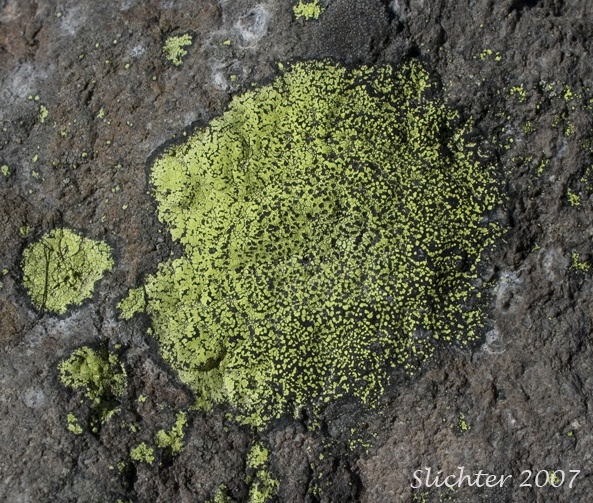
Lichens are composed of two organisms, a fungus that cannot make its own food and algae that contain chlorophyll. Lichens may live on the bark of trees or even on bare rock. They secrete acids that tend to break up the rock they live on, helping to produce soil. As soil accumulates from the broken rock and dead lichens, other organisms, such as plants, may begin to grow.
a)
A) biological evolution
b)
B) ecological succession
c)
C) maintenance of cellular communication
d)
D) differentiation in complex organisms
26.
Base your answer on the chart below.
(Click Here To View)
Which stage represents a pioneer community?
a)
A
b)
B
c)
C
d)
D
27.
The first living things to grow successfully on a newly formed sand dune are known as
a)
A) saprophytes
b)
B) pioneer organisms
c)
C) carnivorous plants
d)
D) heterotrophs
28.
A biome is......
a)
Like a snowglobe that you shake and can see different types of animals.
b)
A large region of earth with a certain type of climate
c)
An area of earth only found in the United States.
d)
A community of living things.
29.

Which biome's climate is characterized by hot temperatures and the least amount of precipitation?

a)

Desert

b)

Taiga

c)

Tundra

d)

Tropical Grasslands (Savanna)

30.

Humans have an effect on ecosystems when they use native grasslands or forested areas for farming or urban use. One negative effect of these changes on the ecosystem is that there will be

a)

Less biodiversity

b)

More homes

c)

Successful economic growth

d)

Increased food production

31.

The organisms represented by X are

a)

Decomposes

b)

Producers

c)

Carnivores

d)

Scavengers

32.

Which group of organisms in an ecosystem fills the niche of recycling organic matter back to the environment?

a)

carnivores

b)

decomposers

c)

producers

d)

predators

33.

The governments of many countries have regulations that are designed to prevent the accidental introduction of nonnative insects into their countries. This is because, in these new habitats, the nonnative insects might

a)

become food for birds

b)

not survive a cold winter

c)

not have natural predators

d)

add to the biodiversity

34.

Which action could humans take to slow the rate of global warming?

a)

Cut down trees for more efficient land use.

b)

Increase the consumption of petroleum products.

c)

Use alternate sources of energy such as wind.

d)

Reduce the use of fuel-efficient automobiles.

35.
Which type of organism helps to reduce atmospheric carbon dioxide?
a)
Carnivores
b)
Producers
c)
Decomposers
d)
Herbivores
36.
In some parts of the world, forests are being cut down and burned to clear land for new homes and new farmland. A negative effect of these activities might be
a)
an increase in global warming
b)
destruction of the ozone shield
c)
 a decrease in the average temperature of the atmosphere
d)
 an increase in biodiversity of the deforested areas
37.
What is the first thing that would happen in this food chain if the grass died?
Sun -> Grass -> Mouse -> Snake -> Hawk
a)
The snake population would increase
b)
the mouse population would increase
c)
the mouse population would decrease
d)
the hawk population would decrease
38.
What is the name given to lichen or algae after a primary succession?
a)
pioneer species
b)
volunteer species
c)
founder species
d)
conqueror species
39.

Knowing the type of food consumed by an organism helps to identify the role of the organism in the community. This role is known as its

a)

nesting site

b)

territorial range

c)

biomass

d)

niche

40.

Energy for this ecosystem originally comes from

a)

water

b)

consumers

c)

sunlight

d)

plants

41.

An environment can support only as many organisms as the available energy, minerals, and oxygen will allow. Which term is best described by this statement?

a)

biological feedback

b)

carrying capacity

c)

homeostatic control

d)

biological diversity

42.

What impact do the amounts of available energy, water, and oxygen have on an ecosystem?

a)

They act as limiting factors.

b)

]They are used as nutrients.

c)

They recycle the residue of dead organisms.

d)

They control environmental temperature.

43.

Great horned owls and red-tailed hawks have similar requirements for food, space, and nesting materials. What would most likely be the result of great horned owls and red-tailed hawks living in the same community?

a)

ecological succession

b)

competition

c)

habitat destruction

d)

parasitism

44.

Organisms that can make their own food are called

a)

consumers

b)

heterotrophs

c)

detrivores

d)

autotrophs

45.

An organism that eats both plants and animals is a

a)

carnivore

b)

herbivore

c)

omnivore

d)

detrivore

46.

Which of these is an abiotic factor?

a)

Bacteria

b)

Sunlight

c)

Worms

d)

Algae

47.
All of the living and nonliving things in an area that interact with each other are called a/an ______.
a)
community
b)
habitat
c)
population
d)
ecosystem
48.
The living part of an ecosystem
a)
Biotic
b)
Abiotic
c)
Mother Earth
d)
Flowers
49.
What is a herbivore?
a)
an animal that gets energy from eating other animals
b)
an organism that gets energy from eating only plants
c)
an animal that gets energy by eating both plants and other animals
d)
an animal that eats only herbs
50.
The shrew provides energy for the _______?
a)
cricket
b)
grasshopper
c)
frog
d)
snake
51.
Another name for a consumer is a
a)
heterotroph
b)
autotroph
c)
producer
d)
plant
52.
An animal that eats other animals is a....
a)
carnivore
b)
omnivore
c)
herbivore
d)
decomposer
53.
The study of how living things interact in an environment is called
a)
Ecosystem
b)
Biology
c)
Ecology
54.
Organisms that breaks down and absorbs nutrients from dead organisms 
a)
consumer
b)
trophic level
c)
decomposer
d)
species
55.
An organism that is killed and eaten by another organism
a)
Predator
b)
Prey
c)
Competition
d)
Adaptation
56.

Which statement concerning an ecosystem is correct?

a)

It can exist with or without a constant source of energy input.

b)

It must contain consumers but can exist without producers.

c)

It involves interactions between biotic and abiotic factors

d)

It can exist on land, but it cannot exist in lakes, rivers, or oceans.

57.

Which statement best explains why the population stabilized?

a)

Interbreeding between members of the population increased the mutation rate.

b)

The population size became limited due to factors such as availability of food.

c)

An increase in the chipmunk population caused an increase in the producer population.

d)

A predator species came to the area and occupied the same niche as the chipmunks

58.

An ecosystem will most likely remain stable if

a)

it has more predators than prey

b)

it has a high level of biodiversity

c)

biotic factors decrease

d)

finite resources decrease

59.

The greatest amount of available energy is transferred from level

a)

A to level B

b)

A to level C

c)

B to level A

d)

D to level A

60.

If the population of mice is reduced by disease, which change will most likely occur in the food web?

a)

The cricket population will increase.

b)

The snake population will increase.

c)

The grasses will decrease.

d)

The deer population will decrease.

61.

Vultures, which are classified as scavengers, are an important part of an ecosystem because they

a)

hunt herbivores, limiting their populations in an ecosystem

b)

feed on dead animals, which aids in the recycling of environmental materials

c)

cause the decay of dead organisms, which releases usable energy to herbivores and carnivores

d)

are the first level in food webs and make energy available to all the other organisms in the web

62.

In a certain ecosystem, rattlesnakes are predators of prairie dogs. If the prairie dog population started to increase, how would the ecosystem most likely regain stability?

a)

The rattlesnake population would start to decrease.

b)

The rattlesnake population would start to increase.

c)

The prairie dog population would increase rapidly.

d)

The prairie dog population would begin to prey on the rattlesnakes.

63.

Many years ago, a volcanic eruption killed many plants and animals on an island. Today the island looks much as it did before the eruption. Which statement is the best possible explanation for this?

a)

Altered ecosystems regain stability through the evolution of new plant species.

b)

Destroyed environments can recover as a result of the process of ecological succession.

c)

Geographic barriers prevent the migration of animals to island habitats.

d)

Destroyed ecosystems always return to their original state

64.

Cutting down a rain forest and planting agricultural crops, such as coffee plants, would most likely result in

a)

a decrease in biodiversity

b)

an increase in the amount of energy recycled

c)

a decrease in erosion

d)

an increase in the amount of photosynthesis

65.
An organism's _________ is defined as the environment in which it lives.
a)
habitat
b)
niche
c)
social structure
d)
ecosystem
66.
All of the following are examples of decomposers EXCEPT
a)
snakes.
b)
bacteria.
c)
fungi.
d)
worms.
67.

An example of recycling is

a)

using a paper cup instead of a mug

b)

turning off the lights when leaving a room

c)

using plastic from a soda bottle to make a certain type of clothing

d)

using two paper towels rather than fi ve to clean up a spill
