
 Worksheets
CH. 15 & 17 ~ Civil Rights & Landmark Supreme Court Cases
Total questions: 48
Worksheet time: 29mins
In the 1960s, which issue was the focus of the Supreme Court decisions in Mapp v. Ohio, Gideon v. Wainwright, and Miranda v. Arizona?
freedom of the press
racial segregation
rights of the accused
interstate commerce
The Supreme Court decision in Roe v. Wade (1973) was based on the constitutional principle of
protection of property rights
freedom of speech
right to privacy
freedom of religion
“We conclude that in the field of public education the doctrine of ‘separate but equal’ has no place. Separate educational facilities are inherently unequal.”
—Brown v. Board of Education (1954)
Which constitutional idea was the basis for this Supreme Court decision?
protection against double jeopardy
equal protection of the law
freedom of speech
right of assembly

What is the main idea of this cartoon from the Watergate era?
The Supreme Court presides over a presidential impeachment trial.
Congress has to obey the Constitution.
The president has the final word involving constitutional issues.
No person or group is above the law.
What was the significance of the 1954 Supreme Court decision in Brown v. Board of Education?
It outlawed the use of poll taxes.
It prohibited the use of racial quotas.
It outlawed segregation in public schools.
It prohibited discrimination by teachers unions.
“Jackie Robinson Breaks Color Barrier in Major League Baseball”
“President Truman Issues Executive Order Desegregating Armed Forces”
“NAACP Challenges School Segregation”
These headlines are most closely associated with
a decline in African American participation in political activities
the beginning of the modern civil rights movement
Southern resistance to the Civil Rights Act of 1964
the effects of affirmative action programs
…You express a great deal of anxiety over our willingness to break laws. This is certainly a legitimate concern. Since we so diligently urge people to obey the Supreme Court’s decision of 1954 outlawing segregation in the public schools, at first glance it may seem rather paradoxical for us consciously to break laws. One may want to ask: “How can you advocate breaking some laws and obeying others?” The answer lies in the fact that there are two types of laws: just and unjust. I would be the first to advocate obeying just laws. One has not only a legal but a moral responsibility to obey just laws. Conversely, one has a moral responsibility to disobey unjust laws. I would agree with St. Augustine that “an unjust law is no law at all.”…
— Dr. Martin Luther King Jr.,
“Letter from Birmingham Jail,” April 16, 1963
Which type of action against unjust laws is Dr. Martin Luther King Jr. supporting in this passage?
militant resistance
civil disobedience
judicial activism
affirmative action
…You express a great deal of anxiety over our willingness to break laws. This is certainly a legitimate concern. Since we so diligently urge people to obey the Supreme Court’s decision of 1954 outlawing segregation in the public schools, at first glance it may seem rather paradoxical for us consciously to break laws. One may want to ask: “How can you advocate breaking some laws and obeying others?” The answer lies in the fact that there are two types of laws: just and unjust. I would be the first to advocate obeying just laws. One has not only a legal but a moral responsibility to obey just laws. Conversely, one has a moral responsibility to disobey unjust laws. I would agree with St. Augustine that “an unjust law is no law at all.”…
— Dr. Martin Luther King Jr.,
“Letter from Birmingham Jail,” April 16, 1963
Which statement most accurately summarizes the main idea of the passage?
People must obey Supreme Court decisions.
You can never break some laws while obeying others.
Violence brings faster results than peaceful protest.
Following moral principles is sometimes more important than following the law.
Lunch counter sit-ins and the actions of freedom riders are examples of
steps taken in support of the Americans with Disabilities Act
programs dealing with affirmative action
violent acts by the Black Panthers
nonviolent attempts to oppose segregation
"Separate educational facilities are inherently unequal."
-Brown v. Board of Education
The effect of this Supreme Court ruling was to
establish affirmative action programs in higher education
require the integration of public schools
desegregate the armed forces and the military academies
force states to spend an equal amount on each public school student
Cesar Chavez created the United Farm Workers Organization Committee (UFWOC) in 1966 primarily to
secure voting rights for Mexican Americans
improve working conditions for migrant laborers
provide legal assistance to illegal aliens
increase farm income

The data included in the table suggest that since 1971
boys are losing interest in participating in sports
participation in sports by boys and girls is nearly equal
girls’ participation in sports equals that of boys
girls’ participation in sports is increasing at a faster rate than that of boys

The information on the map supports the conclusion that African American migration between 1940 and 1970 was mainly from the
urban areas to rural areas
south to the north
Mountain states to the West Coast
Sun Belt to the Great Plains

The data in this chart support the conclusion that between 1960 and 1990
government failed to pass laws that granted women equal access to jobs
the earnings gap between men and women was only slightly improved
women’s earnings consistently increased faster than those of men
most higher paying jobs were still not legally open to women

The changes shown in the chart were most directly the result of the
enactment of voting-reform laws by these southern states
Supreme Court decision in Brown v. Board of Education
passage of the Voting Rights Act of 1965
executive branch’s resistance to protecting the civil rights of minorities
The statement below was made during the 1960s by Jackie Robinson, the first African American to play Major League Baseball in the United States.
It is up to us in the north to provide aid and support to those who actually bearing the brunt of the fight for equality down south. America has its iron curtain too.
Based on this statement, how did Jackie Robinson influence the civil rights movement?
by encouraging social activism
by promoting racial segregation
by collecting political contributions
by organizing educational programs
Which of the following was most associated with the "Black Power" movement?
the Black Panthers
the Congress of Racial Equality (CORE)
the Southern Christian Leadership Conference (SCLC)
the National Association for the Advancement of Colored People (NAACP)

The experience of the Little Rock Nine demonstrated what social aspects of the Civil Rights movement?
integration of public transportation
integration of public schools was met with severe opposition by southern whites.
integration of public schools would prove to be impossible
integration was complete in one week


Which of the following affirmed the legality of racial segregation and prompted the passage of the Jim Crow Laws?
The Fourteenth Amendment
The Civil Rights Act of 1875
The decision in Plessy v. Ferguson
The decision in Morgan v. Virginia
What is the main type of pressure exerted by the Montgomery Improvement Association in response to segregation on buses?
Social
Economic
Political
Physical Force
One accomplishment of the __________ was bringing about a federal ban on segregation in all interstate travel facilities.
Little Rock Nine
Freedom Riders
Black Panthers
Montgomery Bus Boycott
Appealing to many African Americans' anger and frustration over lack of social and economic power, _____ preached a militant approach to civil rights.
Martin Luther King, Jr
Malcolm X
Medgar Evars
Fannie Lou Hammer
President Dwight D. Eisenhower reacted to the Little Rock Nine situation by
forcing the governor of Arkansas to resign
allowing the people of Arkansas to resolve the problem
asking the Supreme Court to speed up racial integration
sending federal troops to enforce integration
The Black Panthers were focused on:
Protecting African Americans
Providing for the community
Standing up to the government
All of the above


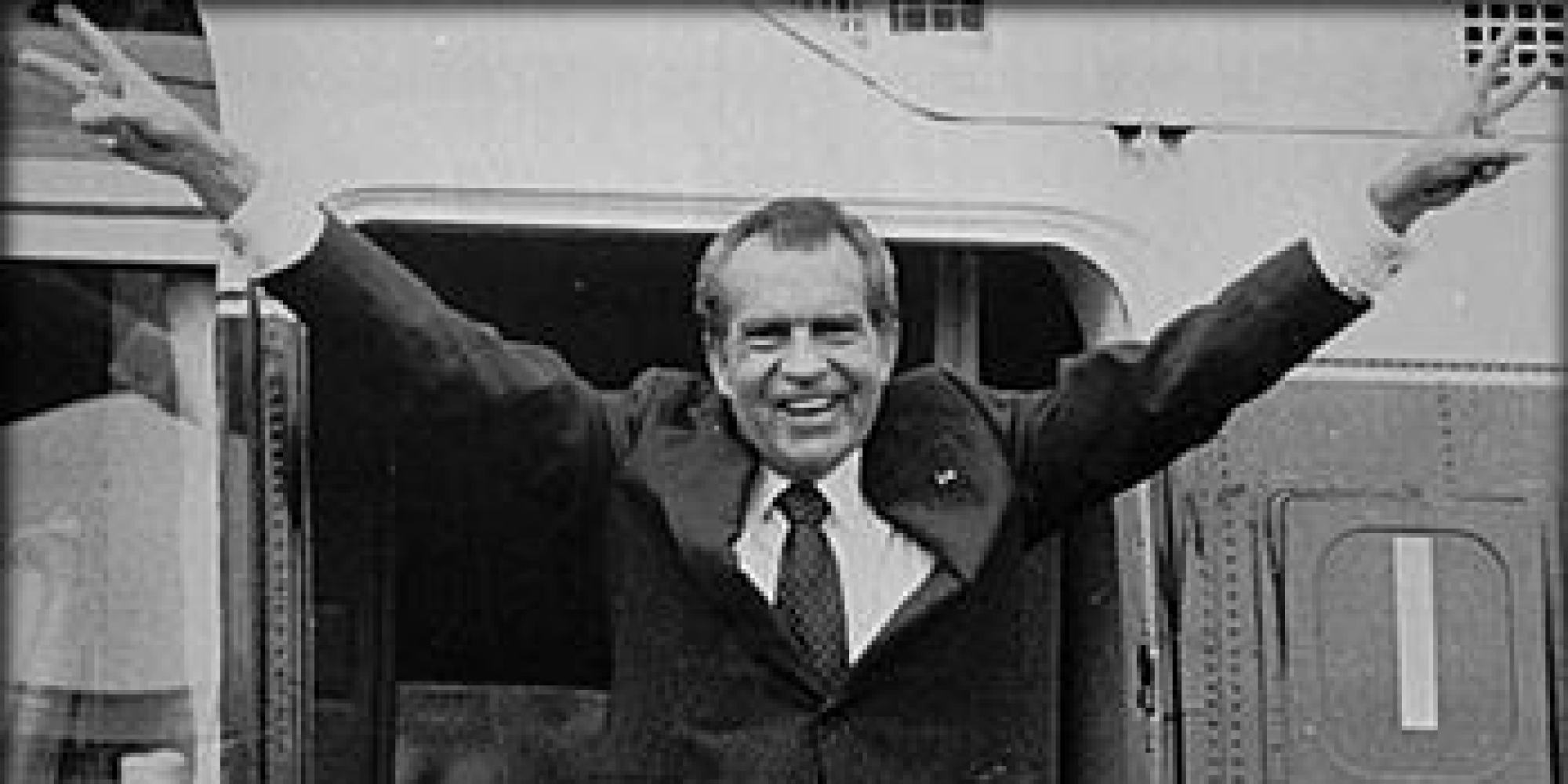
No one is above the law...not even the president.
Bush v. Gore
Marbury v. Madison
Miranda v. Arizona
U.S. v. Nixon
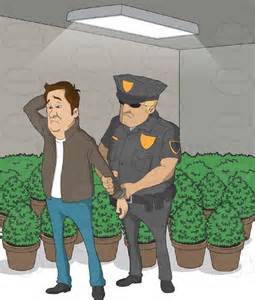
Suspects cannot be questioned (interrogated) until they are informed of their rights (right to remain silent, right to an attorney, etc.)
Brown v Board of Education
Miranda v Arizona
Tinker v Des Moines
Bush v Gore
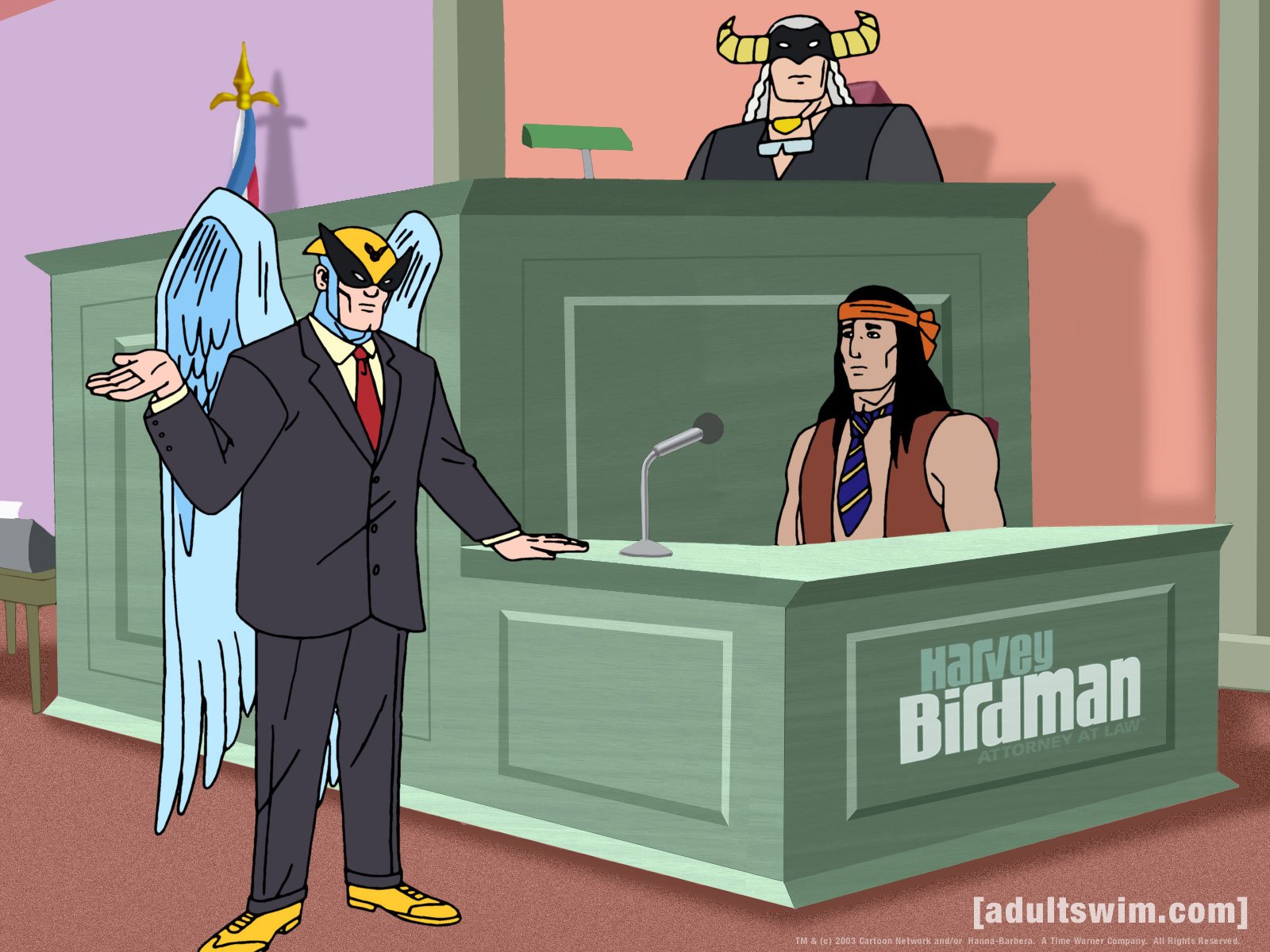
A person accused of a crime no matter how poor has the right to an attorney during trial. Enforces the 6th Amendment.
Tinker v Des Moines
Gideon v Wainwright
Miranda v Arizona
United States v Nixon

