
Font size
S
M
L
XL
 Worksheets
Chapter 16
Total questions: 124
Worksheet time: 2hrs 29mins
Name
Class
Date
1.
Contrast how the geosphere is different from the cryosphere?
a)
The geosphere is icy and the cryosphere is rocky
b)
The geosphere is air and gases and the cryosphere is all the living things on Earth
c)
The geosphere is rocky and the cryosphere is icy
d)
The geosphere is made up of water and the cryosphere is made up of water
2.
Which answer best describes the biosphere interacting with the hydrosphere?
a)
An animal swimming in water
b)
A bug flying in the air
c)
Rocks falling in water
d)
A mountain higher than the clouds
3.
Nitrogen is part of the atmosphere.
a)
True
b)
False
4.
How does the atmosphere protect Earth?
a)
It blocks out harmful radiation.
b)
It holds in heat and keeps the Earth from freezing.
c)
Both of these
d)
Neither of these
5.
What type of heat transfer is involved when a beaker is being heated on a hot plate?
a)
Radiation
b)
Conduction
c)
Convection
d)
Liberation
6.
What type of heat transfer is involved when a beaker is being heated on a hot plate?
a)
Radiation
b)
Conduction
c)
Convection
d)
Liberation
7.
Suppose you wanted to heat an object without having it touched by anything. What type of energy transfer would you need to use?
a)
Radiation
b)
Conduction
c)
Convection
d)
Imitation
8.
What does condensation mean?
a)
Liquid becoming a gas
b)
Gas becoming a liquid
c)
Liquid turning into a solid
d)
None of the above
9.
Mr. Rys has 2 cups of water. He brings them outside when it's cold out and leaves them outside. The next day he comes back to see his 2 cups of water are now ice. What happened when he put the cups outside and left them overnight?
a)
They evaporated
b)
They sublimed
c)
They froze
d)
They condensed
10.
What is the Coriolis effect?
a)
The curving of the path of a moving object
b)
Small breezes
c)
High pressure
d)
Low pressure
11.
What causes wind?
a)
Evaporation
b)
High and low areas of pressure
c)
Denser water
d)
None of the above
12.
Surface currents are NOT affected by...
a)
...the Coriolis effect
b)
...water density
c)
...global winds
d)
...continents
13.
Which of Earth's spheres benefits from upwelling?
a)
Biosphere
b)
Geosphere
c)
Hydrosphere
d)
Atmosphere
14.
What could you expect to find in an area with very low precipitation?
a)
The ground will be very dry
b)
The wind will blow to the north
c)
It will be very windy
d)
It will snow
15.
What is air pressure?
a)
The amount of water vapor in the air
b)
The speed of the wind
c)
How hot or cold something is
d)
The force of air molecules pushing on an area
16.
What type of front is formed when two air masses collide and stop moving?
a)
Cold front
b)
Warm front
c)
Stationary front
d)
Occluded front
17.
What type of pressure system produces stormy weather?
a)
Low pressure system
b)
High pressure system
c)
Medium pressure system
d)
No pressure system
18.
What areas should you avoid during a thunderstorm?
a)
The top of a hill
b)
A low ditch
c)
Both of these
d)
Neither of these
19.
You see a narrow, funnel-shaped cloud with very high wind speeds. What are you seeing?
a)
Hurricane
b)
Tornado
c)
Storm surge
d)
Muck fire
20.
It is cool and sunny today in Cape Coral. What am I describing?
a)
Weather
b)
Climate
c)
Both of these
d)
Neither of these
21.
In Cape Coral, it is hot and rainy almost every summer. What am I describing?
a)
Weather
b)
Climate
c)
Both of these
d)
Neither of these
22.

What does symbol # 1 mean?
a)
Occluded Front
b)
Stationary Front
c)
Warm Front
d)
Cold Front
23.

What does symbol # 4 mean?
a)
Stationary Front
b)
Occluded Front
c)
Warm Front
d)
Cold Front
24.

What does symbol # 3 mean?
a)
Cold Front
b)
Warm Front
c)
Stationary Front
d)
Occluded Front
25.
What type of of air mass is dry and warm?
a)
cP
b)
cT
c)
mP
d)
mT
26.
_________ fronts are associated with more violent weather
a)
cold
b)
warm
c)
stationary
d)
occluded
27.
rapidly moving cold air mass runs into a warm air mass the cold air pushes up under the warm air. This is called a .....
a)
cold front
b)
warm front
c)
stationary front
d)
occluded front
28.
What type of front moves quickly and can produce severe thunderstorms?
a)
Stationary
b)
Warm
c)
Cold
d)
Occluded
29.
What's the humidity and temperature of a continental tropical air mass?
a)
Wet and cold
b)
Dry and warm
c)
Wet and warm
d)
Dry and cold
30.
What's the humidity and temperature of a maritime tropical air mass?
a)
Wet and cold
b)
Dry and warm
c)
Wet and warm
d)
Dry and cold
31.
What's the humidity and temperature of a continental polar air mass?
a)
Wet and cold
b)
Dry and warm
c)
Wet and warm
d)
Dry and cold
32.
What's the humidity and temperature of a maritime polar air mass?
a)
Wet and cold
b)
Dry and warm
c)
Wet and warm
d)
Dry and cold
33.
A dry and cold air mass would be...
a)
Maritime polar
b)
Continental polar
c)
Maritime tropical
d)
Continental tropical
34.
A wet and cold air mass would be...
a)
Maritime polar
b)
Continental polar
c)
Maritime tropical
d)
Continental tropical
35.
A dry and warm air mass would be...
a)
Maritime polar
b)
Continental polar
c)
Maritime tropical
d)
Continental tropical
36.
A wet and warm air mass would be...
a)
Maritime polar
b)
Continental polar
c)
Maritime tropical
d)
Continental tropical
37.

What type of air mass is the highlighted arrow?
a)
continental polar
b)
maritime polar
c)
continental tropical
d)
maritime tropical
38.
An ____ is a large body of air that has the same properties as the Earth's surface over which it develops.
a)
front
b)
air mass
c)
cloud
d)
tornado
39.
What type of weather would a continental tropical air mass bring?
a)
dry and cold weather
b)
wet and cold weather
c)
dry and warm weather
d)
wet and warm weather
40.
What type of weather follows a warm front?
a)
warm and humid weather
b)
fair (clear) and cool weather
c)
very stormy weather
d)
cool and humid weather
41.

What does this symbol represent?
a)
High Pressure
b)
Warm Front
c)
Cold Front
d)
Mountains
42.
The boundary between two air masses is called a
a)
flood
b)
front
c)
climate
d)
storm
43.
If a cold front is currently passing through the city of Denver, what type of weather conditions is Denver most likely experiencing?
a)
warm, foggy weather
b)
cooler, dry weather
c)
hot, dry weather
d)
thunderstorms
44.
What type of weather would you expect to see after a cold front has passed through an area?
a)
cool and clear skies
b)
warm and humid
c)
thunderstorms
d)
foggy
45.

Which front is this?
a)
Warm front
b)
Cold front
c)
Occluded front
d)
Stationary Front
46.

What part of the illustration shows Evaporation?
a)
1
b)
2
c)
3
d)
4
47.

Which number illustrates Condensation?
a)
1
b)
2
c)
3
d)
4
48.

What does this symbol on a weather map indicate?
a)
High pressure system
b)
Low pressure system
c)
Cold front
d)
Warm front
49.

What does this symbol indicate on a weather map?
a)
High pressure system
b)
Low pressure system
c)
Cold front
d)
Warm front
50.
Which weather tool measures air pressure?
a)
thermometer
b)
barometer
c)
anemometer
d)
psychrometer
51.
What kind of weather is usually associated with a high pressure system?
a)
Sunny weather
b)
Precipitation (rain, snow, etc.)
52.
This weather tool measures wind speed and direction
a)
thermometer
b)
barometer
c)
anemometer
d)
psychrometer
53.
Which weather tool measures temperature?
a)
thermometer
b)
barometer
c)
psychrometer
d)
anememeter
54.
Hot air (RISES / FALLS) __________.
a)
RISES
b)
FALLS
55.
Cold air (RISES/ FALLS) _________.
a)
RISES
b)
FALLS
56.

name this front
a)
warm front
b)
cold front
c)
stationary front
d)
occluded front
57.
What does this symbol on a weather map indicate?
a)
High pressure system
b)
Low pressure system
c)
Cold front
d)
Warm front
58.

A _____ is a large, swirling, low-pressure system that forms over the Atlantic Ocean.
a)
blizzard
b)
cold front
c)
tornado
d)
hurricane
59.

A violently rotating column of air called a _____ when it comes in contact with the ground.
a)
hurrican
b)
tornado
c)
trade wind
d)
local wind
60.
Rain, snow, sleet, and hail are all forms of _____.
a)
precipitation
b)
condensation
c)
evaporation
d)
climate
61.

The amount of water vapor present in the air is called ________________.
a)
weather
b)
humidity
c)
air mass
d)
dew point
62.
Large body of air with the same temperature, pressure, and moisture characteristics is called?
a)
warm front
b)
cold front
c)
air mass
d)
jet stream
63.
______ affects weather and climate because it heats the Earth unevenly.
a)
latitude
b)
altitude
c)
atmosphere
d)
sunlight
64.
______ is the average pattern for weather over a long period of time.
a)
climate
b)
weather
c)
forecast
d)
sunlight
65.
Earth is unevenly heated due to its?
a)
oceans and moon
b)
tilt and shape
c)
gravity and clouds
d)
climate and weather
66.
The boundary between two air masses that meet is called?
a)
front
b)
back
c)
side
d)
air mass
67.

The layer of the atmosphere where weather occurs is the _.
a)
thermosphere
b)
stratosphere
c)
mesosphere
d)
troposphere
68.
How hot or cold something is -
a)
friction
b)
temperature
c)
gravity
69.
What are the 3 major climate zones in order from equator to the poles?
a)
polar, temperate, tropical
b)
tropical, temperate, polar
c)
temperate, polar, tropical
70.
What are the two main factors that determine the climate of an area?
a)
precipitation and humidity
b)
temperature and air pressure
c)
wind conditions and humidity
d)
temperature and precipitation
71.
The biggest factor in determining climate is?
a)
elevation
b)
an ocean
c)
latitude
d)
mountain
72.
A polar climate is?
a)
warm and cool
b)
consistently moderate
c)
consistently cool
d)
consistently warm
73.
A polar climate is?
a)
warm and cool
b)
consistently moderate
c)
consistently cool
d)
consistently warm
74.
A temperate climate is?
a)
consistently cool
b)
consistently warm
c)
consistently moderate
d)
warm and cool
75.
The temperature of a tropical climate is?
a)
consistently warm
b)
consistently cool
c)
consistently moderate
d)
warm and cool
76.
_____ climate is described as cold all year long and located in high latitudes.
a)
Polar
b)
Continental
c)
Dry
d)
Highland
77.
_______ climate is described as hot and wet, and is located in low latitudes.
a)
Tropical
b)
Dry
c)
Continental
d)
Moderate
78.
Describes the condition of the air outdoors
a)
climate
b)
weather
c)
average temperature
79.
Condition of the air such as temperature, cloud cover, wind and rain describe
a)
climate
b)
gravity
c)
weather
80.
The average weather conditions of a region
a)
daily temperature
b)
weather
c)
climate
81.
A rule or pattern based on limited information is a generalization.
a)
True
b)
False
82.
Precipitation is
a)
rain, sleet, snow, or hail.
b)
only rain.
c)
only snow, sleet, or hail.
83.
Pieces of information
a)
data
b)
hypothesis
c)
investigation
84.
The amount of water vapor in the air
a)
humidity
b)
climate
c)
generalization
85.
What is the water cycle?
a)
the 3 forms of water
b)
the movement of water on, above, or below the surface of the Earth
c)
when water melts
d)
when clouds form
86.

What part of the water cycle does this picture show?
a)
condensation
b)
precipitation
c)
evaporation
87.
Which of these is an example of precipitation?
a)
snow
b)
air
c)
clouds
d)
vapor
88.
Which is the opposite of condensation?
a)
runoff
b)
evaporation
c)
precipitation
d)
transpiration
89.
Which best explains why runoff is important?
a)
It returns water to other locations on Earth
b)
It increases the chance of flooding
c)
It makes evaporation occur faster
d)
It increases condensation
90.
Snow, sleet, hail, and rain are all examples of ________________.
a)
evaporation
b)
condensation
c)
accumulation
d)
precipitation
91.

Does evaporation happen before or after condensation?
a)
before
b)
after
c)
during
92.

What is it called when WATER is FORMED from an LIQUID to a WATER VAPOR Oor an [GAS]?
a)
EVAPORATION
b)
PRECIPITATION
c)
TRANSPIRATION
93.

What is the next stage after EVAPORATION in the water cycle?
a)
CONDENSTATION
b)
GROUNDWATER
94.

What does groundwater do?
a)
It sends water to our buildings, houses, and water transplant places
b)
to the sky
c)
to the sun
d)
To the Earth's surfaces
95.

After the rain falls down onto Earth's surface, what most likely happens? What is it called?
a)
1. The remains of the water is soaked into the ground.
2.Groundwater
2.Groundwater
b)
1. Groundwater
2. The remains of the water is soaked into the ground.
2. The remains of the water is soaked into the ground.
c)
1. Groundwater
2. Transpiration happens to the plants.
2. Transpiration happens to the plants.
d)
1. The liquid turns into an gas or an water vapor
2. Evaporation
2. Evaporation
96.

What is it called when plants give off water vapor as a waste product?
a)
condensation
b)
evaporation
c)
sublimation
d)
transpiration
97.
When water _________, dew forms.
a)
Melts
b)
Evaporates
c)
Condenses
d)
Precipitates
98.

What is the water cycle?
a)
the 3 forms of water
b)
the movement of water on, above, or below the surface of the Earth
c)
when water melts
d)
when clouds form
99.
What is the energy source for the water cycle?
a)
the sun
b)
the earth
c)
water
d)
the moon
100.
What is evaporation?
a)
The part of the water cycle when the sun heats up water, turning it from a liquid into water vapor or steam. It rises from the ground into the air.
b)
The part of the water cycle when the water vapor in the air gets cold. The water turns back into a liquid and forms clouds.
c)
The part of the water cycle when clouds get heavy and can no longer hold the liquid water. This causes the water to fall from the sky to the earth as rain, snow, sleet, or hail.
101.
What is condensation?
a)
The part of the water cycle when the sun heats up water, turning it from a liquid into water vapor or steam. It rises from the ground into the air.
b)
The part of the water cycle when the water vapor in the air gets cold. The water turns back into a liquid and forms clouds.
c)
The part of the water cycle when clouds get heavy and can no longer hold the liquid water. This causes the water to fall from the sky to the earth as rain, snow, sleet, or hail.
102.
What is precipitation?
a)
The part of the water cycle when the sun heats up water, turning it from a liquid into water vapor or steam. It rises from the ground into the air.
b)
The part of the water cycle when the water vapor in the air gets cold. The water turns back into a liquid and forms clouds.
c)
The part of the water cycle when clouds get heavy and can no longer hold the liquid water. This causes the water to fall from the sky to the earth as rain, snow, sleet, or hail.
103.
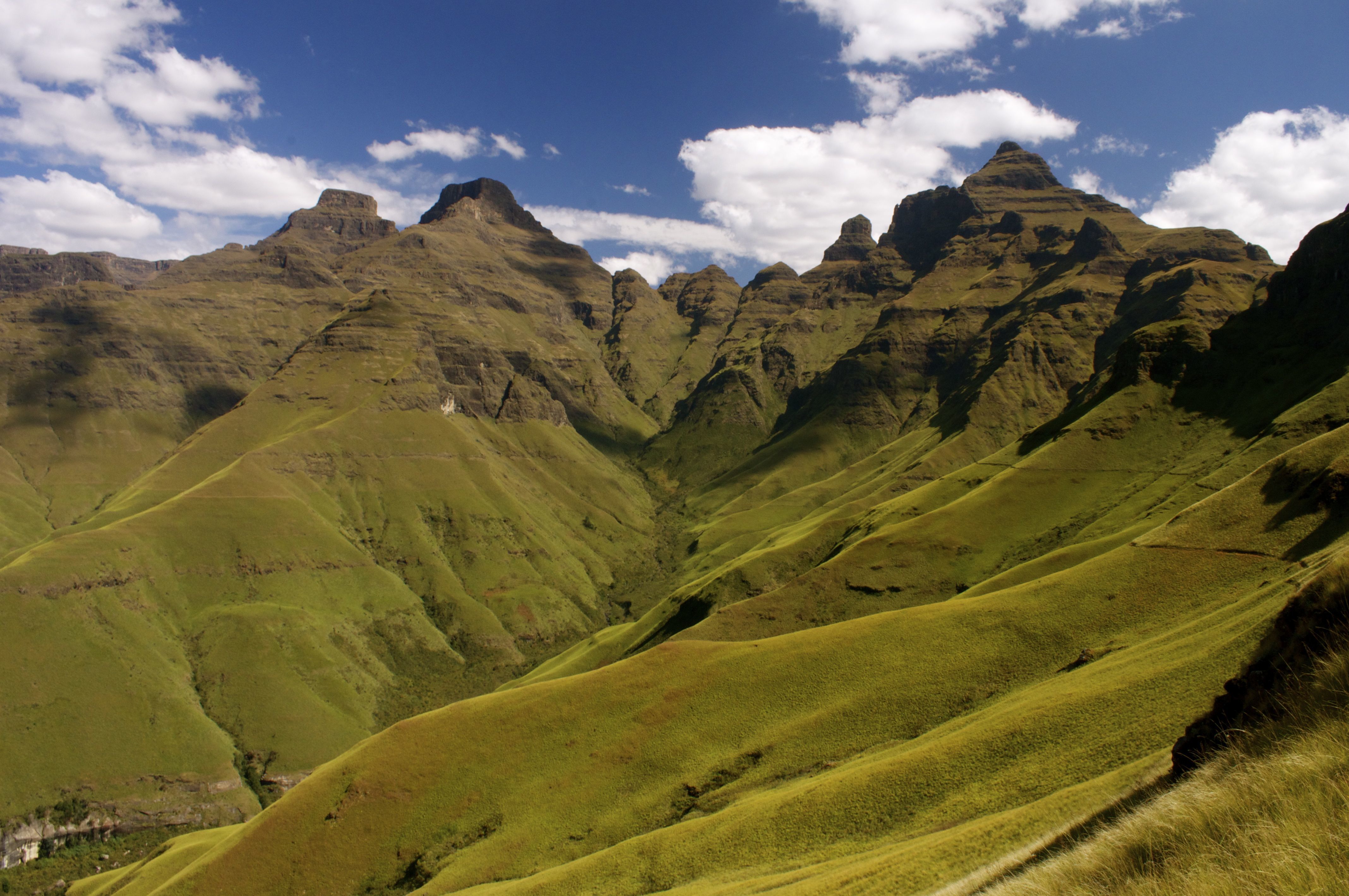
This sphere includes the continents, the ocean floor, all the rocks on the surface, and all of the sand in the deserts.
a)
Hydrosphere
b)
Biosphere
c)
Atmosphere
d)
Geosphere
104.

Composed of all the water on or near the earth
a)
Hydrosphere
b)
Biosphere
c)
Atmosphere
d)
Geosphere
105.
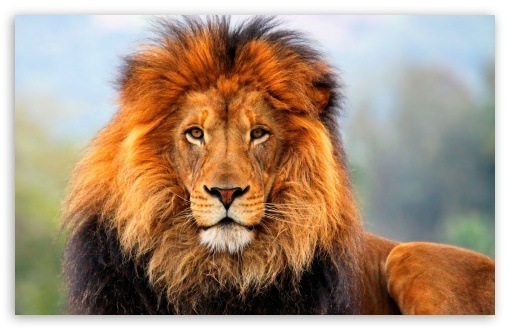
This sphere is composed of all the living things
a)
Hydrosphere
b)
Biosphere
c)
Atmosphere
d)
Geosphere
106.

Body of air surrounding our planet.
a)
Hydrosphere
b)
Biosphere
c)
Atmosphere
d)
Geosphere
107.
Water evaporating from the surface of a lake moves from the...
a)
Atmosphere to the geosphere
b)
Geosphere to the hydrosphere
c)
Hydrosphere to the atmosphere
d)
Atmosphere to the hydrosphere
108.
When living things breathe, they interact with which of Earth's spheres?
a)
Geosphere
b)
Hydrosphere
c)
Atmosphere
d)
Biosphere
109.
When dead plants decompose and nitrogen is returned to the soil, the interaction is between which two spheres?
a)
The biosphere and atmosphere
b)
The atmosphere and geosphere
c)
The geosphere and atmosphere
d)
The biosphere and geosphere
110.
What might happen if the earth didn't have an atmosphere?
a)
Everything would go flying off into space
b)
The seasons would be longer
c)
The earth's rotation would stop
d)
We wouldn't be able to breathe
111.
When carbon dioxide dissolves from the air into the ocean- the interaction is between...
a)
The atmosphere and geosphere
b)
The atmosphere and hydrosphere
c)
The atmosphere and biosphere
d)
The atmosphere and atmosphere
112.
Oceans, rivers, lakes, and the moisture in the air are all part of which of Earth's spheres?
a)
Hydrosphere
b)
Biosphere
c)
Atmosphere
d)
Geosphere
113.

When a plants takes carbon dioxide from the air which two spheres are interacting?
a)
Biosphere and atmosphere
b)
Geosphere and atmosphere
c)
Hydrosphere and atmosphere
d)
Atmosphere and atmosphere
114.
When volcanoes erupt, dust and ash particles spread through much of the air blocking the sun. Which two spheres are interacting?
a)
Hydrosphere and atmosphere
b)
Geosphere and atmosphere
c)
Biosphere and atmosphere
d)
Atmosphere and atmosphere
115.
Energy from the sun is stored by plants. When animals eat the plants, they acquire the energy originally captured by the plants. Between which two spheres is the above interaction?
a)
Hydrosphere and biosphere
b)
Atmosphere and biosphere
c)
Biosphere and biosphere
d)
Geosphere and biosphere
116.
When plants draw nutrients from the soil, the interaction is between which two spheres?
a)
The atmosphere and the geosphere
b)
The geosphere and the hydrosphere
c)
The hydrosphere and atmosphere
d)
The biosphere and the geosphere
117.
When plants draw nutrients from the soil, the interaction is between which two spheres?
a)
The atmosphere and the geosphere
b)
The geosphere and the hydrosphere
c)
The hydrosphere and atmosphere
d)
The biosphere and the geosphere
118.
This sphere includes the continents, the ocean floor, all the rocks on the surface, and all of the sand in the deserts.
a)
Hydrosphere
b)
Biosphere
c)
Atmosphere
d)
Geosphere
119.
Composed of all the water on or near the earth
a)
Hydrosphere
b)
Biosphere
c)
Atmosphere
d)
Geosphere
120.
This sphere is composed of all the living things
a)
Hydrosphere
b)
Biosphere
c)
Atmosphere
d)
Geosphere
121.
Which of the following statements about air pressure is true?
a)
Air pressure increases as altitude increases.
b)
Air pressure decreases as altitude increases.
c)
The atmosphere's air pressure does not vary
d)
Warm air tends to have higher air pressure than cold air
122.
Which illustrates an energy transfer between the atmosphere and the hydrosphere?
a)
Polar ice reflecting the Sun's light back toward space
b)
Loss of heat from a geothermal vent to the surrounding cooler water
c)
Convection currents in the ocean mixing warmer and cooler water together
d)
Plant roots absorbing water from the soil
123.
Which accurately describes the atmosphere?
a)
Composed of masses of air particles that are constantly circulating.
b)
Composed entirely of nitrogen and oxygen which react to form ozone.
c)
Comoposed of masses of air particles that move very little, if at all.
d)
Composed of several layers that increase in density as altitude increases.
124.
Which correctly shows the 4 most abundant gasses in order from most abundant to least abundant?
a)
Nitrogen, Oxygen Argon, Carbon Dioxide
b)
Oxygen, Nitrogen, Carbon Dioxide, Argon
c)
Nitrogen, Oxygen, Carbon Dioxide, Argon
d)
Oxygen, Nitrogen, Argon, Carbon Dioxide
Reset

