
 Worksheets
THIS IS AN IPC MAJOR GRADE
Total questions: 72
Worksheet time: 1hrs 19mins
Name
Class
Date
1.
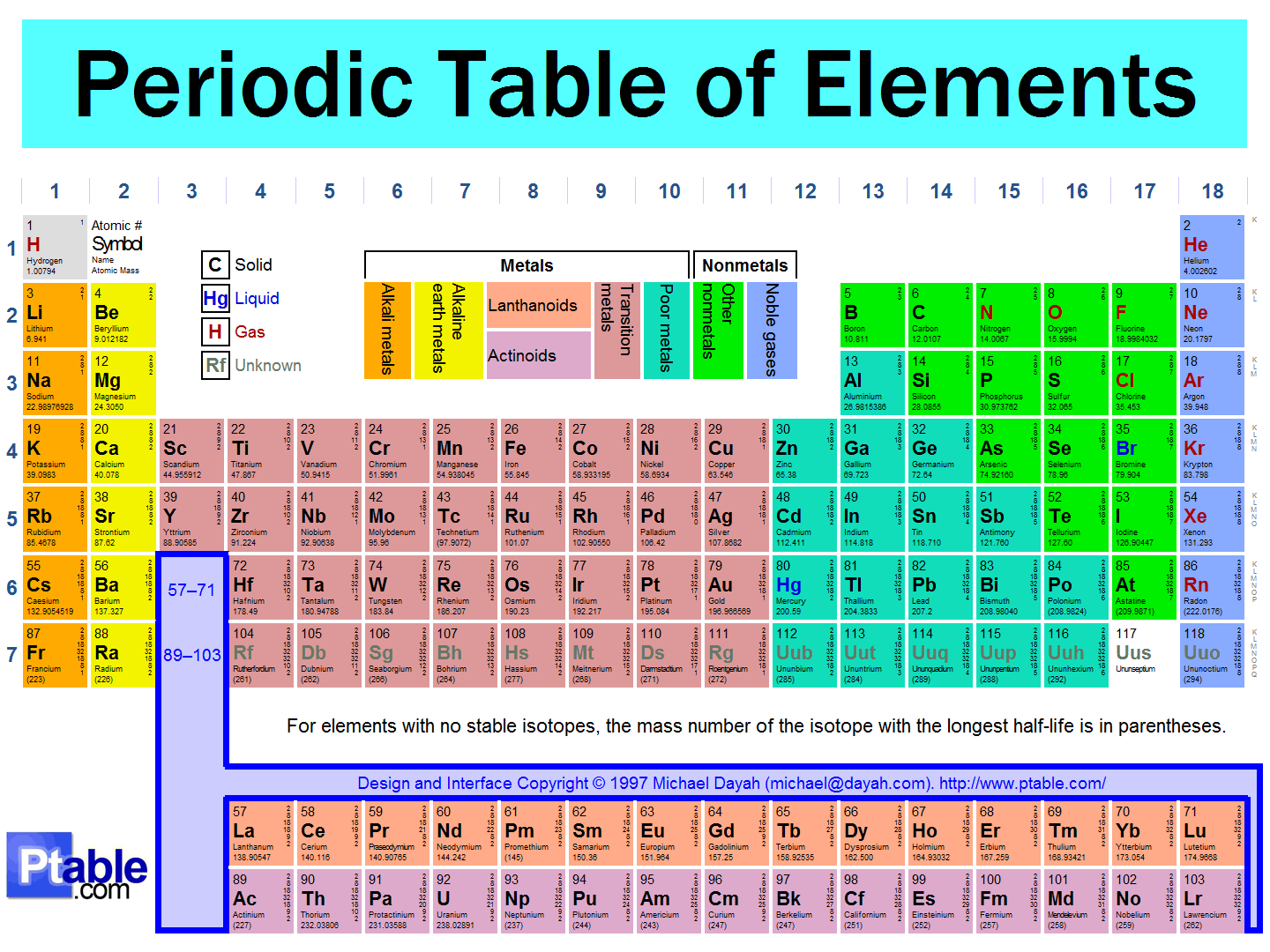
The horizontal row on the periodic table is called a
a)
group
b)
family
c)
period
d)
atomic number
2.
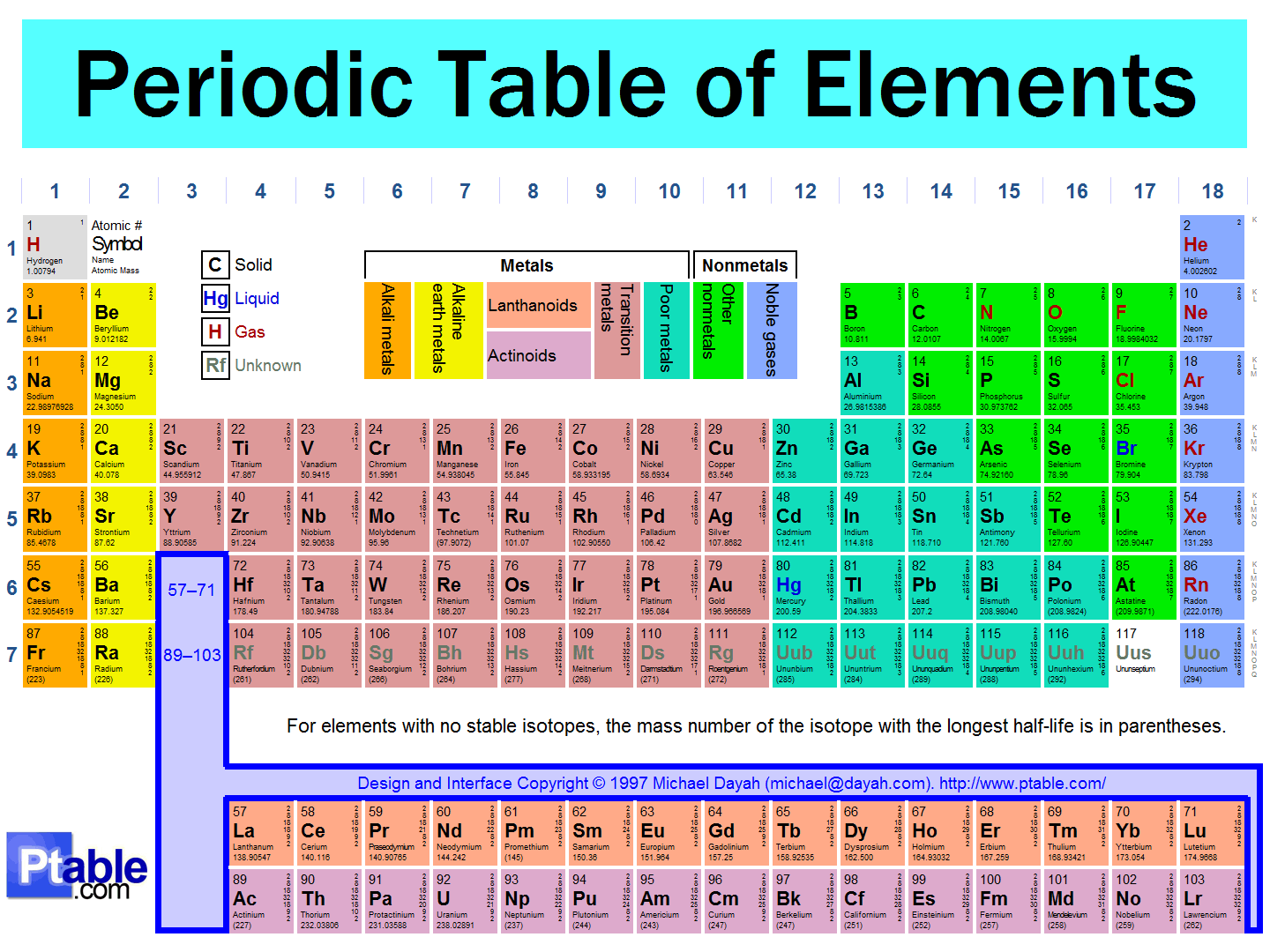
A vertical column is called...
a)
group
b)
tower
c)
period
d)
crew
3.
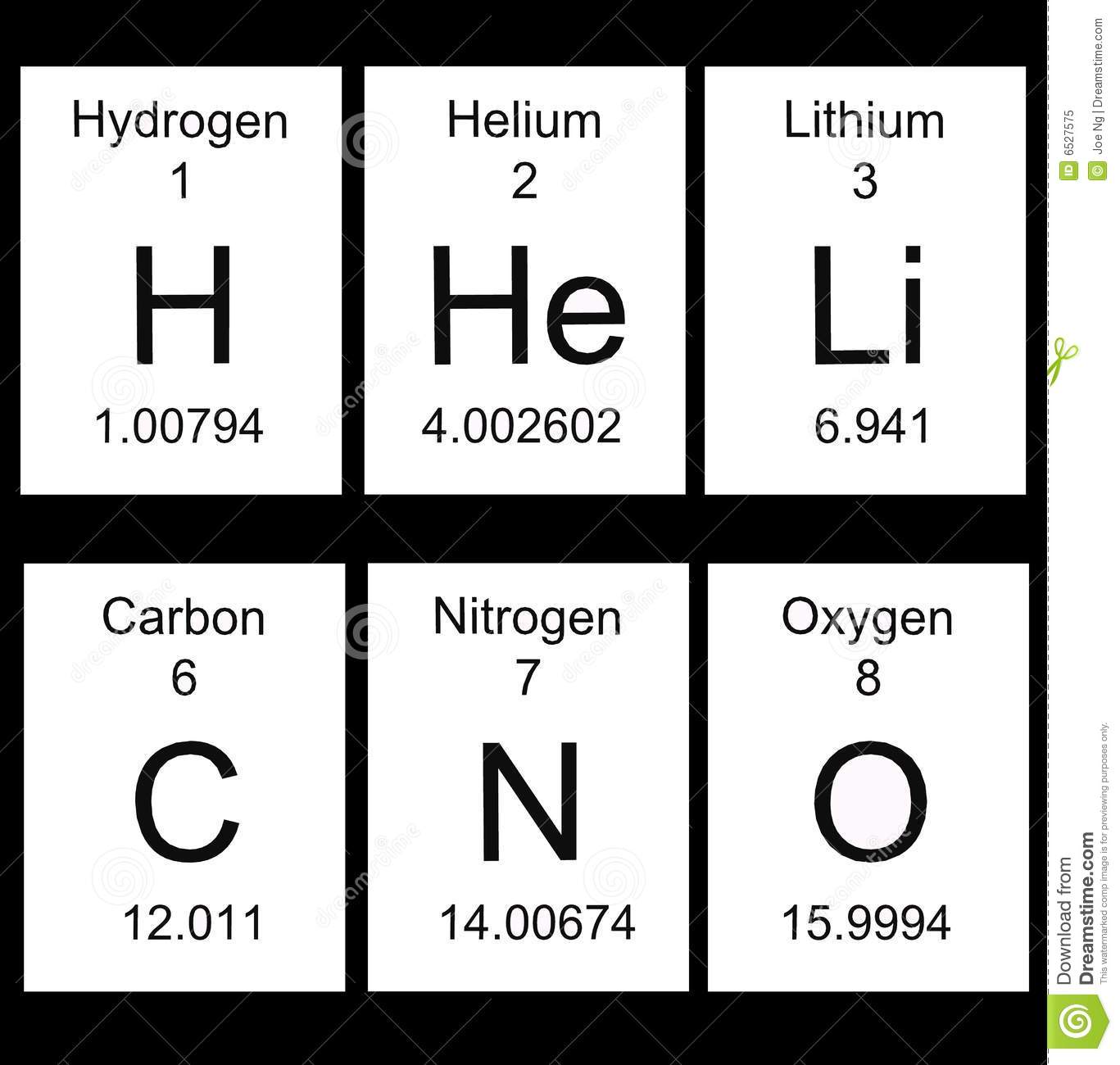
The number at the bottom of each square on the periodic table is the ...
a)
atomic number
b)
atomic mass
c)
chemical symbol
d)
element name
4.
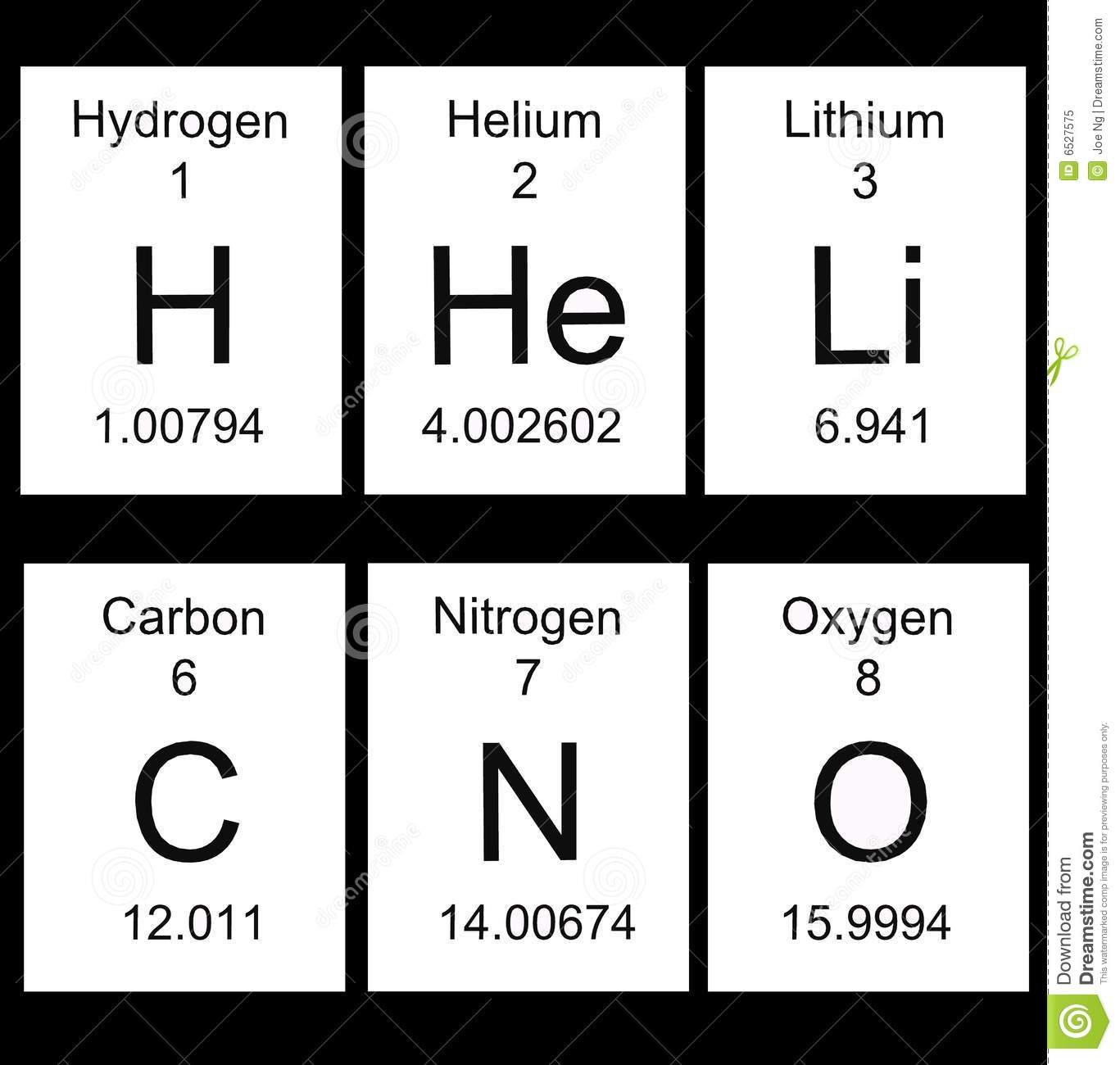
The number at the top of each square on the periodic table is the ...
a)
atomic number
b)
atomic mass
c)
Chemical Symbol
d)
Element Name
5.
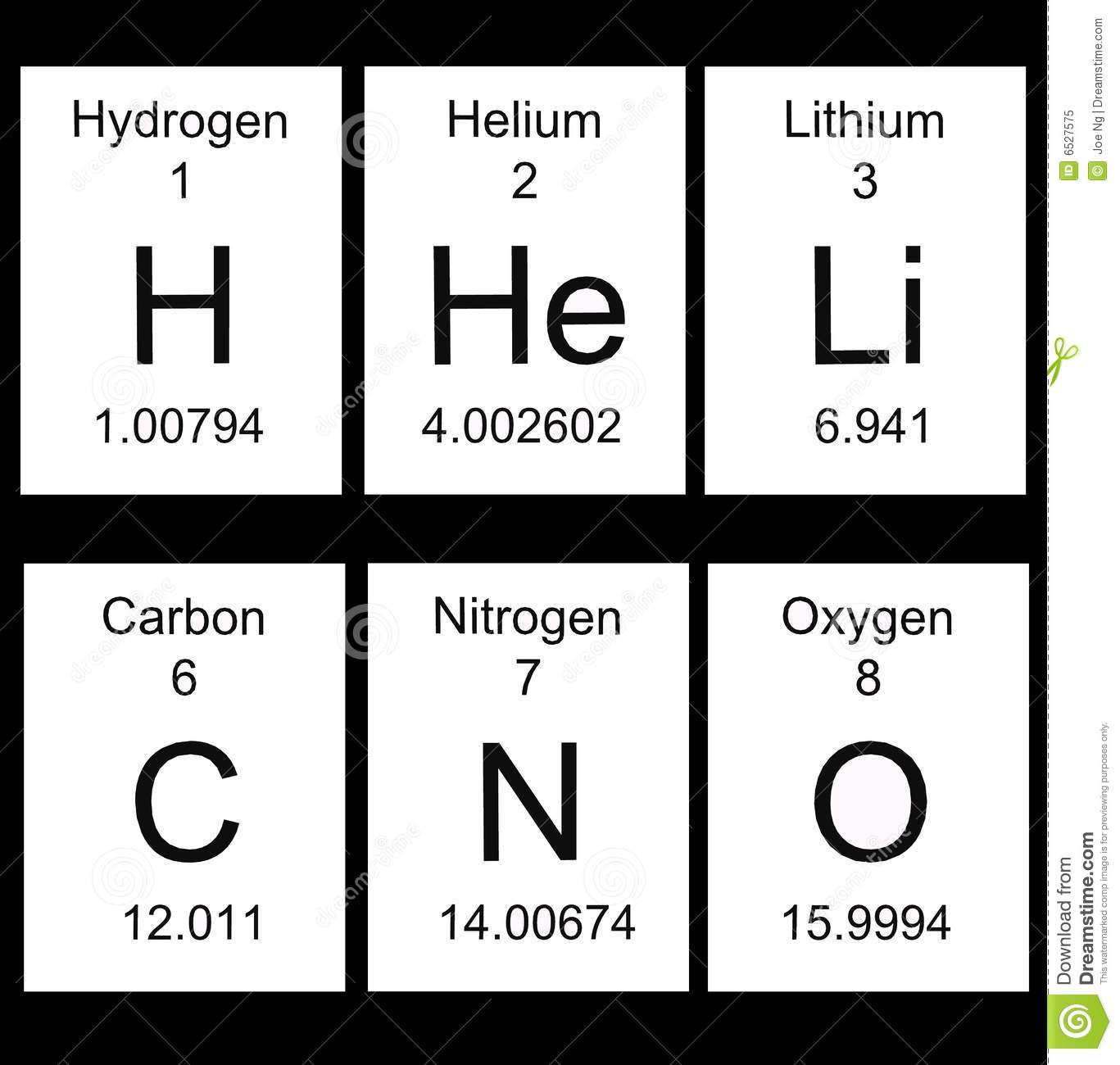
What is the chemical symbol for Lithium?
a)
H
b)
He
c)
Li
d)
N
6.

Pure forms of these elements are stored in oil so they won't react with oxygen and water in the air.
a)
Alkali Metals
b)
Alkaline-earth metals
c)
Halogens
d)
Noble Gases
7.
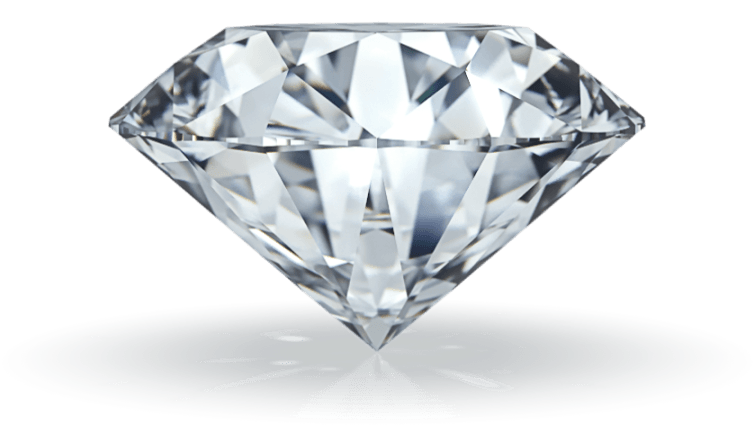
Diamonds are a pure form of what element?
a)
Carbon
b)
Oxygen
c)
Silicon
d)
Silver
8.

What element is used in light bulbs to help them last longer?
a)
Xenon
b)
Argon
c)
Helium
d)
Krypton
9.

Most of the elements on the periodic table are classified as _____.
a)
Metals
b)
Nonmetals
c)
Metalloids
d)
Periods
10.
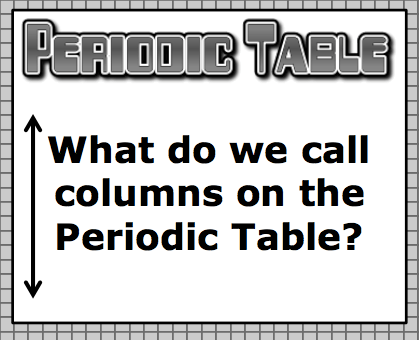
a)
Periods
b)
Groups
11.
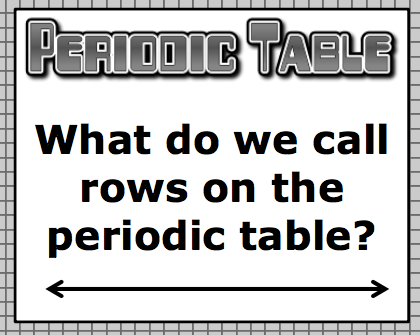
a)
Periods
b)
Groups
12.

a)
energy levels
b)
valence electrons
c)
protons
d)
neutrons
13.
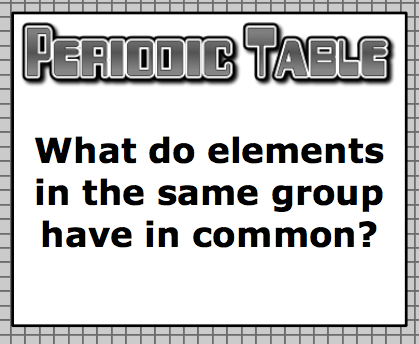
a)
energy levels
b)
valence electrons
c)
protons
d)
neutrons
14.
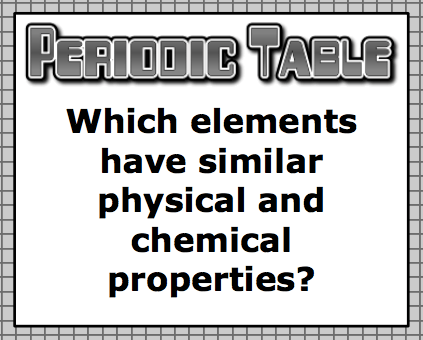
a)
Same group
b)
Same period
15.
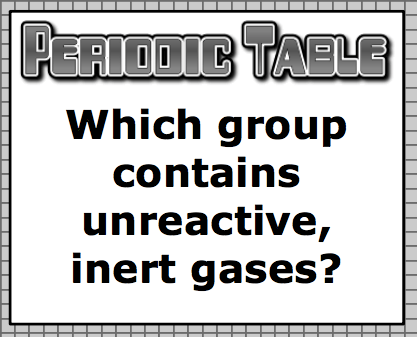
a)
Group 1
b)
Group 17
c)
Group 2
d)
Group 18
16.
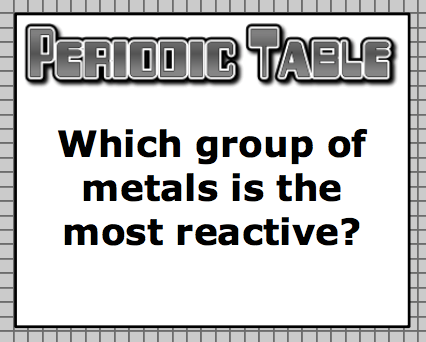
a)
Group 1
b)
Group 17
c)
Group 18
d)
Group 2
17.
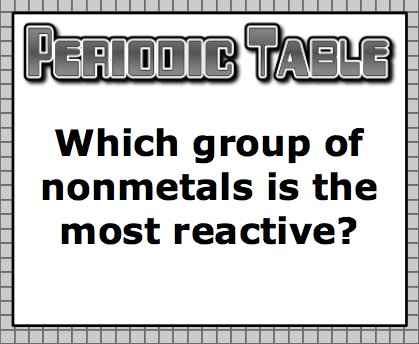
a)
Group 1
b)
Group 17
c)
Group 18
d)
Group 2
18.
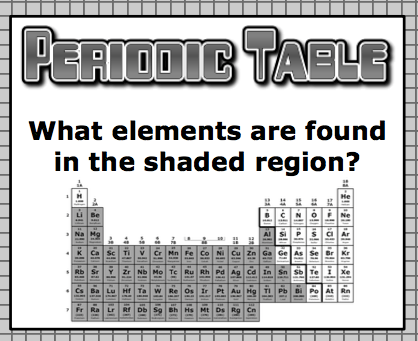
a)
Metals
b)
Nonmetals
c)
Metalloids
19.
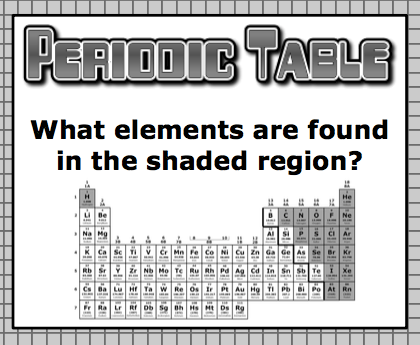
a)
Metals
b)
Nonmetals
c)
Metalloids
20.
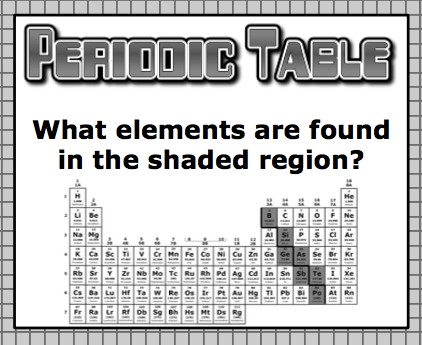
a)
Metals
b)
Nonmetals
c)
Metalloids
21.
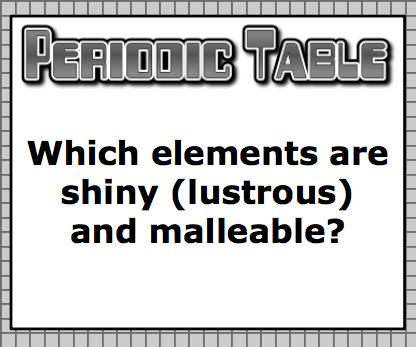
a)
Metals
b)
Nonmetals
c)
Metalloids
22.
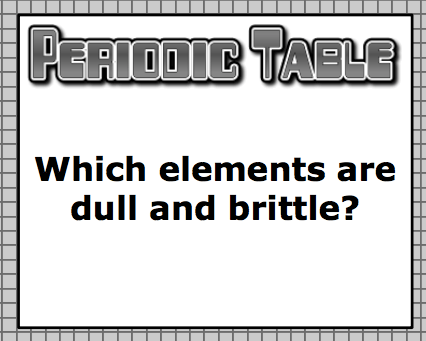
a)
Metals
b)
Nonmetals
c)
Metalloids
23.
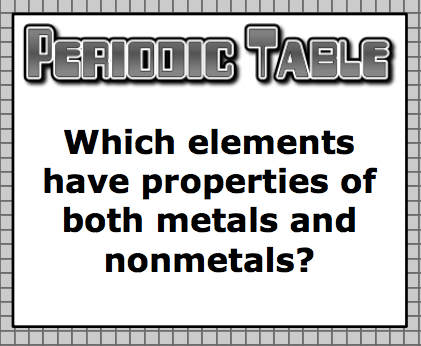
a)
Metals
b)
Nonmetals
c)
Metalloids
24.
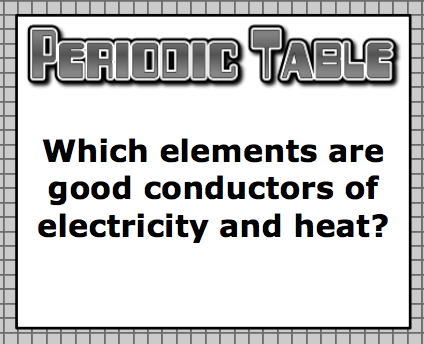
a)
Metals
b)
Nonmetals
c)
Metalloids
25.
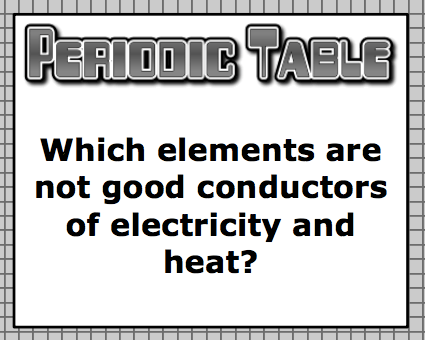
a)
Metals
b)
Nonmetals
c)
Metalloids
26.
What is the atomic number?
a)
the number of protons
b)
the number of protons and neutrons
c)
the number of neutrons
d)
the number of protons and electrons
27.
What is the mass number?
a)
the number of protons
b)
the number of protons and neutrons
c)
the number of neutrons
d)
the number of protons and electrons
28.

What is the atomic number of this nucleus?
a)
1
b)
3
c)
4
d)
7
29.

What is the mass number of this nucleus?
a)
1
b)
3
c)
4
d)
7
30.
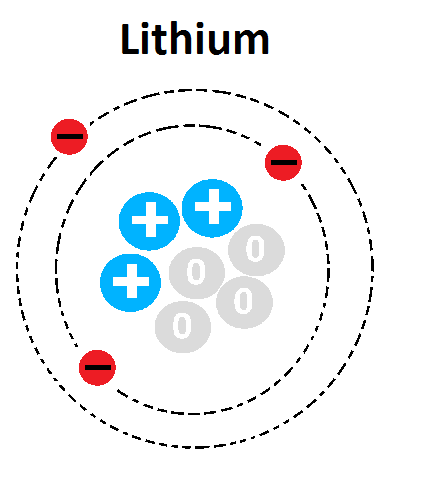
What is the atomic number of this atom?
a)
1
b)
3
c)
4
d)
7
31.
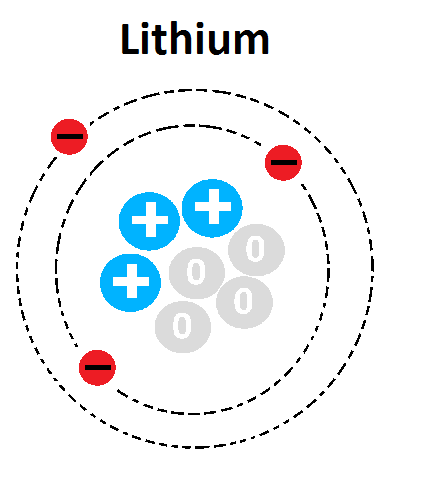
What is the atomic mass of this atom?
a)
1
b)
3
c)
4
d)
7
32.
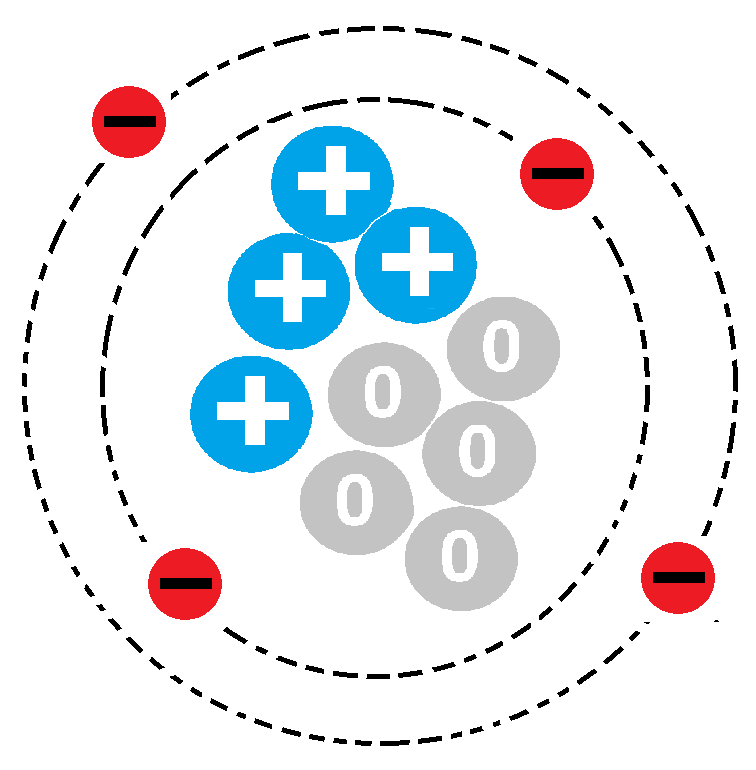
What is the atomic number of this atom?
a)
4
b)
5
c)
9
d)
none of the above
33.

What is the mass number of this atom?
a)
4
b)
5
c)
9
d)
none of the above
34.

What is the atomic number of this atom?
a)
9
b)
10
c)
19
d)
27
35.

What is the mass number of this atom?
a)
9
b)
10
c)
19
d)
27
36.

What is the mass number of this atom?
a)
2
b)
4
c)
6
d)
none of the above
37.

What is the atomic number of this atom?
a)
1
b)
2
c)
3
d)
4
38.

What is the mass number of this atom?
a)
1
b)
2
c)
3
d)
4
39.

What is the atomic number of this atom?
a)
7
b)
14
c)
21
d)
none of the above
40.

What is the mass number of this atom?
a)
7
b)
14
c)
21
d)
none of the above
41.

What is an ion?
a)
A Charged Atom
b)
A Large Atom
c)
A Small Atom
d)
A Cute Atom
42.

Barium atoms want to form...
a)
an anion
b)
a cation
c)
an onion
d)
a cuddly kitten friend
43.

An Arsenic atom wants to form...
a)
An anion
b)
A cation
c)
An onion
d)
A cuddly kitten friend
44.

Cations are...
a)
Positive
b)
Negative
c)
Neutral
d)
Purring
45.

Anions are...
a)
Positive
b)
Negative
c)
Neutral
d)
Crying
46.

An atom becomes _________ when it gains electrons.
a)
Positive
b)
Negative
c)
Neutral
d)
Invinsible
47.

An atom becomes _______ when it loses electrons.
a)
Positive
b)
Negative
c)
Neutral
d)
Invinsible
48.

A Silicon atom wants...
a)
3 more electrons
b)
3 less electrons
c)
4 more or less electrons
d)
2 more electrons
49.

A Radium atom wants...
a)
One more electron
b)
One less electron
c)
Two more electrons
d)
Two less electrons
50.

Which particles change the charge in atoms when ions are formed?
a)
Protons
b)
Electrons
c)
Neutrons
d)
Kittens
51.

What is a Rubidium ion's symbol?
a)
Rb-
b)
Rb+
c)
Rb-2
d)
Rb+2
52.

What is the ionic symbol for a phosphorus atom?
a)
P-3
b)
P+3
c)
P-2
d)
P+2
53.

The charge of an electron is:
a)
Positive.
b)
Negative.
c)
Electrons have no charge
54.

Two like charges:
a)
neutralize each other.
b)
repel each other.
c)
must be neutrons.
d)
attract each other.
55.

Protons are located in the nucleus of the atom.
A proton has _______________.
A proton has _______________.
a)
No charge
b)
A negative charge
c)
A positive charge
56.

Which of these is the proton?
a)
A
b)
B
c)
C
57.

Which of these is the electron?
a)
A
b)
B
c)
C
58.
An atom gains an electron. What type of charge does it have now?
a)
positive
b)
negative
c)
No charge
59.
The subatomic particle with a neutral charge is:
a)
protons
b)
electrons
c)
neutrons
d)
cloud
60.
Which two subatomic particles are found in the NUCLEUS of at atom?
a)
protons & nuetrons
b)
protons & electrons
c)
neutrons & electrons
d)
electrons & protons
61.
Opposite charges ...
a)
attract each other
b)
repel each other
c)
stabilize each other
d)
are not attracted or repelled
62.
When objects have equal numbers of positive and negative charges, they are
a)
positively charged
b)
negatively charged
c)
neutral
d)
unbalanced
63.
How many neutrons in C-14?
a)
6
b)
7
c)
14
d)
8
64.

What do these isotopes of carbon all have in common?
a)
neutrons & mass number
b)
atomic number and neutrons
c)
atomic number and electrons
d)
protons, atomic number, and mass number
65.
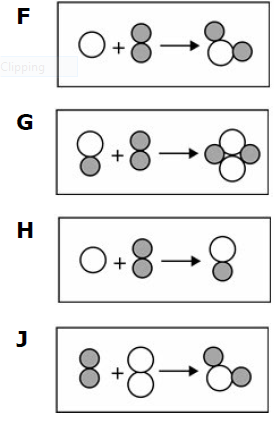
Which of the following models best demonstrates a balanced chemical equation?
a)
F
b)
G
c)
H
d)
J
66.

Which of the following equations demonstrates an actual chemical reaction that forms a new substance?
a)
A
b)
B
c)
C
d)
D
67.
The reactants are on the left side of the chemical equation.
a)
True
b)
False
68.

The equation below represents a chemical reaction that occurs in living cells. How many atoms are represented in the reactants of this equation?
a)
6
6
6
b)
12
12
12
c)
24
24
24
d)
36
36
36
69.
In which of these compounds are there twice as many oxygen atoms as hydrogen atoms?
a)
H3PO4
b)
H2SO4
c)
HCIO3
d)
H20
70.

How many atoms in all are in a molecule of serotonin?
C10H12N2O
a)
22
b)
24
c)
25
d)
4
71.
The Law of Conservation of Mass states
a)
that matter exists in all states and reacts the same
b)
that matter can only be changed into new substances by introducing a catalyst
c)
that matter exists in the same state throughout any chemical change
d)
that matter cannot be created or destroyed and that the mass of the products must equal the mass of the reactants
72.
How many Al atoms are in this compound? 4Al2O3
a)
2
b)
8
c)
6
d)
4
100 %

