wayground logo

Free Printable Worksheets

Font size

S
M
L
XL
Worksheets

Unit 4 - Body Systems

Total questions: 44

Worksheet time: 1hrs 1mins

Name
Class
Date
1.

What are the two kinds of bones? (Choose two)

a)

Hard

b)

Spongy

c)

Compact

d)

Soft

2.
What are the 3 types of muscles?
a)
Cardiac, smooth and skeletal
b)
Cardiac, skeletal, prime
c)
Flexion, extension, smooth
d)
Skeletal, smooth, stringy
3.
Name the two major parts of the central nervous system.
a)
The brain and the skull. 
b)
The brain and the body.
c)
The spinal cord and the brain.
d)
The spinal cord and the body. 
4.
What is the place where two bones meet?
a)
hinge
b)
bone
c)
spot
d)
joint
5.
How many bones are there in the human body?
a)
208
b)
126
c)
206
d)
80
6.
What is the flexible rubbery tissue that helps cushion bones where they meet called?  
a)
ligaments
b)
cartilage
c)
tendons
d)
knee pads
7.
The bands of tissue that connect bones to muscle?
a)
tendons
b)
cartilage
c)
ligaments
d)
muscle
8.
A tough band of fibrous, slightly elastic connective tissue that attaches one bone to another.   
a)
Ligaments
b)
Tendons
c)
Joints
9.

Which of the following is not a function of bones?

a)

Protection

b)

Blood cell formation

c)

Storage

d)

Absorption

10.
These blood cells are the protectors and help fight off disease.
a)
Red blood cells
b)
White blood cells
c)
Plasma
d)
Platelets 
11.
This part of blood helps it clot, when you get cut.
a)
Red blood cells
b)
Plasma
c)
Platelets
d)
White blood cells
12.
These blood cells deliver oxygen to the parts of the body.
a)
Red
b)
White
c)
Patelets
d)
Plasma
13.
_______ is made mostly of water and makes up about 55% of the blood
a)
Plasma
b)
Platelets 
c)
Red blood cells
d)
White blood cells
14.
The cheerios in this picture are representing?
a)
Red blood cells
b)
White blood cells
c)
Pasma
d)
Platelets
15.

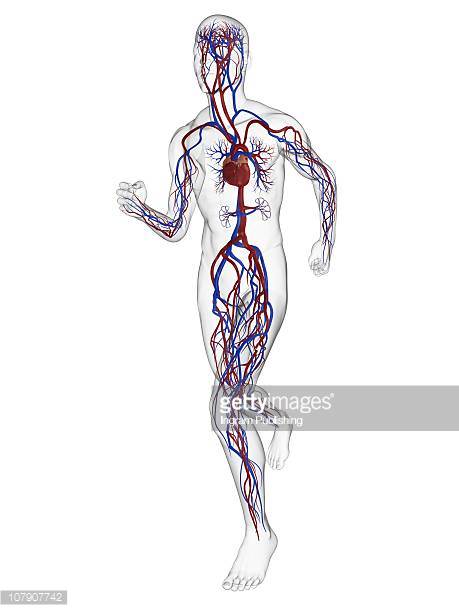
What is the main organ of the circulatory system?

a)

small intestine

b)

bone

c)

lungs

d)

heart

16.

Arteries carry oxygen rich blood away from the heart.

a)

True

b)

False

17.

Veins carry oxygen poor blood back to the heart.

a)

False

b)

True

18.
______________ are the smallest blood vessels.
a)
Arteries
b)
Veins
c)
Capillaries
19.
The circulatory system works with the ___________ system to provide our body with oxygen.
a)
respiratory
b)
digestive
c)
muscular
d)
skeletal
20.

Normal blood pressure is...

a)

119/79 mmHg

b)

80/120 mmHg

c)

140/90 mmHg

d)

80/140 mmHg

21.
For a blood pressure reading, the number on top measures...
a)
Diastolic Pressure
b)
Systolic Pressure
c)
Diastemic Pressure
d)
Systemic Pressure
22.

Which blood type is the universal donor (all people can receive it)?

a)

O

b)

AB

c)

A

d)

B

23.

Which blood type is the universal recipient (a person with this blood type can get blood from any other type)?

a)

O

b)

AB

c)

A

d)

B

24.
Which of the TWO nervous systems contains motor and sensory neurons?
a)
central nervous system
b)
peripheral
c)
motor
d)
sensory
25.
What is the LARGEST of the 3 parts of your brain?
a)
cerebellum
b)
cerebrum
c)
spinal cord
d)
medulla
26.
Temporary or permanent loss of voluntary movement (motor function).
a)
paralysis
b)
hemiparesis
c)
hemiplegia
d)
paresthesia
27.
A traumatic brain injury (TBI) resulting from a blow to the head or violent shaking of the head or upper body.  May cause partial or complete loss of brain functions, which can result in memory loss, impaired coordination, balance deficit, and dizziness.
a)
cerebral contusion
b)
coma
c)
cerebral aneurysm
d)
concussion
28.

Muscles that you control are known as....

a)

Involuntary

b)

Fast Twitch

c)

Voluntary

d)

Slow Twitch

29.

Muscles that you DO NOT control are known as ...

a)

Involuntary

b)

Fast Twitch

c)

Voluntary

d)

Slow Twitch

30.
Muscles always work in _____
a)
pairs
b)
groups of 3
c)
bones
d)
joints
31.
Cardiac muscles are ONLY located in the heart
a)
TRUE
b)
FALSE
32.
Hypertension means _______.
a)
low blood pressure
b)
high blood pressure
c)
low hemoglobin
d)
high hemoglobin
33.
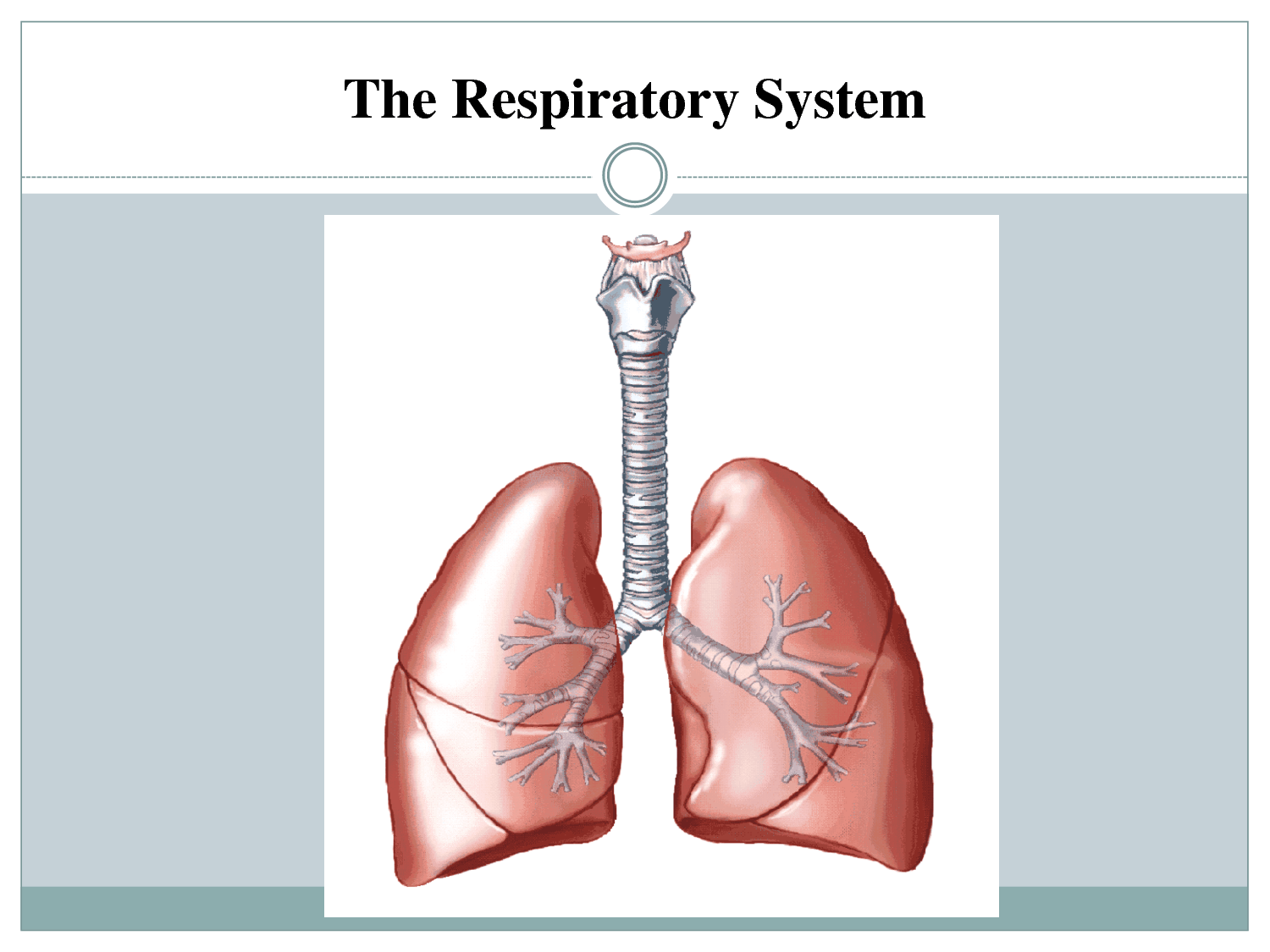
What is the main function of the respiratory system?
a)
to provide oxygen and remove carbon dioxide from the body
b)
to bring oxygen to the body
c)
to break down food and absorb nutrients
d)
to remove oxygen from the body and deliver carbon dioxide
34.
When you breathe, your lungs take in ___ and remove ___. 
a)
air/oxygen
b)
oxygen/carbon dioxide 
c)
carbon dioxide/waste 
d)
waste/air 
35.
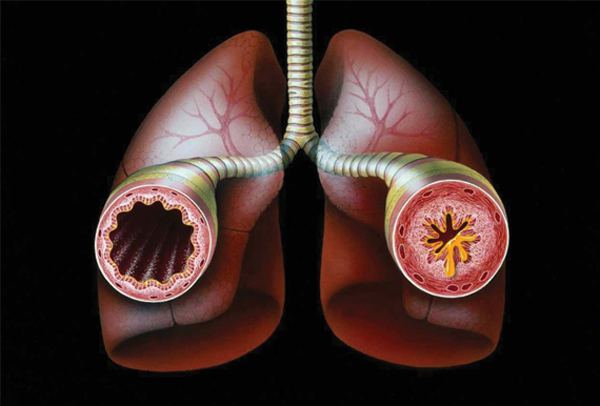
A disorder of the lungs called ____ causes the bronchi to become restricted (get smaller) so air can't get to the lungs.
a)
asthma 
b)
cold
c)
influenza 
d)
bronchitis 
36.
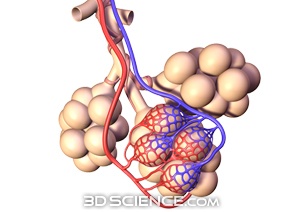
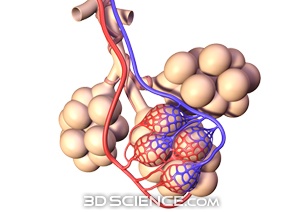
The air sacs that are covered with capillaries where gas exchange takes place
a)
bronchi
b)
lungs
c)
oxygen
d)
alveoli
37.
What is the dome-shaped muscle that works with your lungs?
a)
biceps
b)
triceps
c)
diaphragm
d)
rectus abdominus
38.
Which system works closely with the respiratory system?
a)
skeletal system
b)
circulatory system
c)
excretory system
d)
digestive system
39.
The right side of the heart carries oxygenated blood
a)
True
b)
False
40.
The right side of the heart carries oxygenated blood
a)
True
b)
False
41.
What is the name of the problem that happens when brain cells are starved of oxygen and die?
a)
Atherosclerosis
b)
Heart failure
c)
Heart attack
d)
Stroke
42.

Mr. Johnson has a BP of 140/90. As an MA, you know Mr. Johnson's BP is....(according to American Heart Association)

a)

too high

b)

too low

c)

just right

43.

What is "normal" blood pressure

a)

120/110 mmHg

b)

119/79 mmHg

c)

100/80 mmHg

d)

140/80 mmHg

44.

Normally, the lowest pressure in the arteries of the body. Blood pressure when heart is at rest

a)

diastolic pressure

b)

systolic pressure

c)

hypotension

d)

hypertension