
 Worksheets
Physical Activity Test
Total questions: 49
Worksheet time: 43mins

An injury to ligaments is a...
(a)
anaerobic
aerobic

An injury to a muscle is...
(a)
aerobic
heatstroke

Dangerously low body temperature is...
(a)
heatstroke
strain
sprain

Any exercise or movement that makes your body use energy is...
target heart rate
physical activity
resting heart rate
heatstroke

Lifestyle with little or no physical exercise is...
sedentary
heatstroke
strain
resting heart rate

The ability to carry out daily tasks easily, and have enough reserve energy to respond to unexpected demands is called...
exercise
maximum heart rate
physical fitness
strain

Rhythmic activities that use large muscle groups for an extended period of time are...
aerobic
anaerobic
exercise heart rate
resting heart rate

Intense short bursts of activity are...
(a)aerobic
physical fitness
strain

Beats per minute when you are inactive is your...
resting heart rate
target heart rate
maximum heart rate
exercise

The most beats per minute we estimate your heart can reach is your...
target heart rate
resting heart rate
maximum heart rate
strain

The best/optimal range of beats per minute for effective exercise is your...
(a)maximum heart rate
resting heart rate
exercise

Planned activity that improves physical fitness is (a) .

The loss of the body's ability to cool itself is...
strain
sprain
exercise
heatstroke

How does physical activity benefit your cardiovascular system?
Reduces the risk of developing fragile bones as you age
Stimulates your body ot produce chemicals called endorphins
Strengthens the heart muscle so that it pumps blood more efficiently
Causes your lungs to work more effeciently

Which is NOT a mental or emotional benefit provided by being physically active?
(a)
Better sleep
Mood enhancement
Improved self esteem

Which of the following is an example of anaerobic exercise?
Lifting a 50 pound weight off the floor
Jogging 1600 meters on a track
Dancing in an hour long ballet
Freestyle swimming 800 meters

Which of the following is not a symptom of heat exhaustion?
Heavy sweating
Cold, clammy skin
Very slow pulse
Shortness of breath

Severe headache, unconsciousness, and memory loss are possible symptoms of....
(a)
Hypothermia
Frostbite
Concussions

A ______________ lifestyle is bad for your health.
resting heart rate
heatstroke
sedentary
strain

The most important exercise for building cardiorespiratory endurance is (a) .

Weight bearing exercises are good for lowering your risk of (a) .

Which steps are a part of the P.R.I.C.E. procedure in treating a muscle strain?
protect
ice
rest
compress
energize

According to the F.I.T.T. formula you should make sure that you...
Never do more than two sessions of exercise a week
Push yourself hard enough to create overload on your body
Only do one activity throughout a week
Aim to keep your heart rate within your target range for at least five minutes

How do you calculate your maximum heart rate?
After exercising, count your number of beats you feel in 15 seconds and multiply by four.
Subtract your age from 220
Multiply your heart rate by .8
Multiply your heart rate by .6

Which of the following steps is not used to calculate your resting heart rate?
Rest for at least 5 minutes
Find your pulse in your neck or wrist
Count the number of beats you feel in 15 seconds and multiply by 4
Subtract your age from 220

How do you calculate your target heart rate?
Multiply your maximum heart rate by .6 and .8
After exercising, count your number of beats you feel in 15 seconds and multiply by 4
After exercising, count your number of beats you feel in 10 seconds and multiply by 6
Subtract your age from 220
Match the following vocabulary to the definitions:
heartbeat
the sound of the valves in your heart
heart rate
the number of times the heart beats
pulse
the beat of the heart that you can feel
artery
the tube that blood flows through
chamber
room of the heart
BPM stands for (a) (b) (c) .
Match the following exercises to the area of fitness:
Cardiorespiratory Fitness
Dancing
Muscular Strength
Weight lifting
Muscular Endurance
Sit ups
Flexibility
Yoga
What are social benefits of physical activity?
make new friends
motivation
stronger bones
better body composition
Match the following mental and emotional benefits of physical activity to the pictures:

better sleep

stress relief

mood enhancement

improved self esteem
Match the definitions to the type of skill related fitness.
a continuous aerobic activity
ability to respond quickly
ability to move with muscle force
ability to move fast
the use of muscle tension to improve
change and control direction of the body
control or stabilize body
use the senses together with body
exert resistance against a muscle
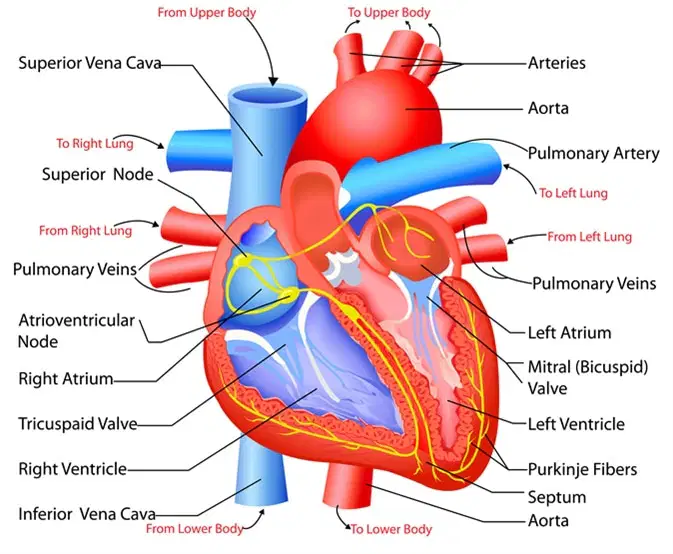
What is the primary function of the heart in the human body?
To produce hormones
To digest food
To filter waste from the blood

What is the average resting heart rate for a healthy teenage student?
30-40 beats per minute
60-100 beats per minute
120-150 beats per minute
180-200 beats per minute

Which blood vessels carry blood away from the heart?
Veins
Arteries
Capillaries
Lymph vessels
What is the term for the rhythmic expansion and contraction of an artery as blood is pumped through it?
Pulse
Blood pressure
Heartbeat
Respiration

Which of the following is NOT a factor that can affect heart rate?
Exercise
Stress
Temperature
Hair color
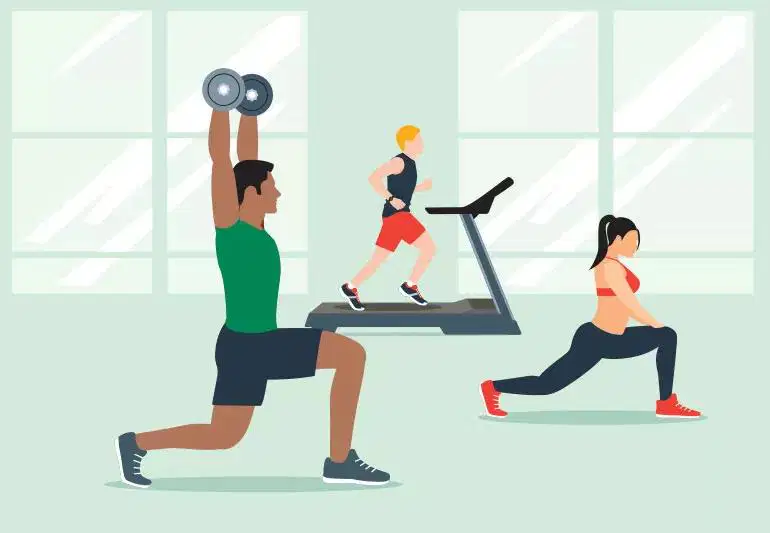
What does calculating your heart rate help you figure out?
If you're exercising at the right intensity.
If you're having fun.
If you're tired.
If you're lazy.

Common places to find heart rate
Neck and wrist
Tongue and armpit
Thigh and bicep
Ear and temple

What should your heart rate be when exercising ?
Resting heart rate
Max heart rate
In your target heart rate zone
Minimum heart rate

What is Target Heart Rate?
An easy way to count your heartbeats
The optimal heart rate at which a person should exercise
Number of times your heart beats per minute while at rest
Is the number of heartbeats per unit of time
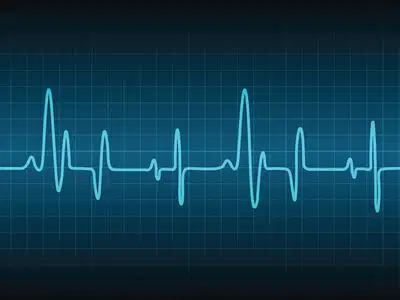
What does "resting heart rate" mean?
How fast your heart is beating while exercising.
How fast your heart is beating while recovering from exercise.
How fast your heart is beating anytime.
How fast your heart is beating while resting, such as sleeping or sitting.
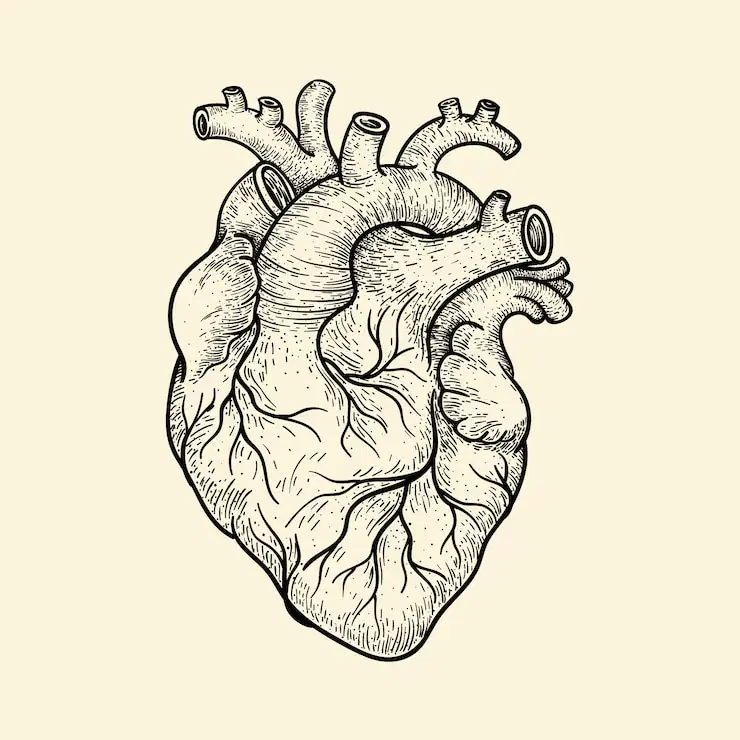
As you consistently continue to exercise, over time, your resting heart rate will:
increase
decrease
stay the same
consistent exercise has nothing to do with your resting heart rate.

Having to do with the heart
Ortho
Derma
Neuro
Cardio

How to find your maximum heart rate
220 - your age = MHR
230 - your age = MHR
Resting heart rate x 2 = MHR
300 - working heart rate = MHR

Which fingers do you use to measure your pulse?
Match the word to the definition:
Physical Activity
any form of movement
Physical Fitness
energy to respond to life
Exercise
planned structured movement
Organize these options into the right categories
stress relief
mood enhancement
better sleep
improved self-esteem
make new friends
spend time with friends
others can motivate you

