
 Worksheets
Periodic Table Part 1
Total questions: 36
Worksheet time: 28mins
Name
Class
Date
1.
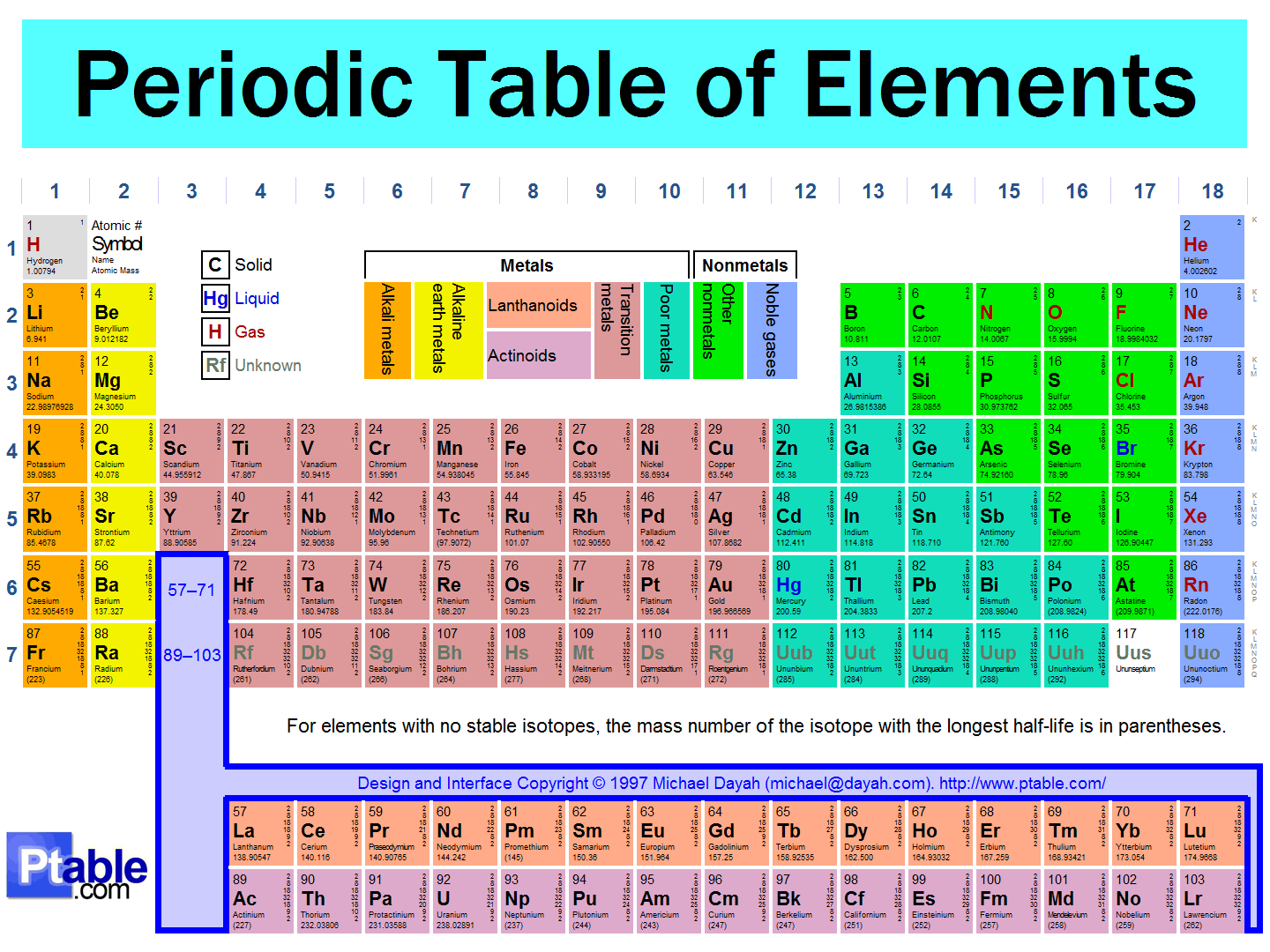
The horizontal row on the periodic table is called a
a)
group
b)
family
c)
period
d)
atomic number
2.
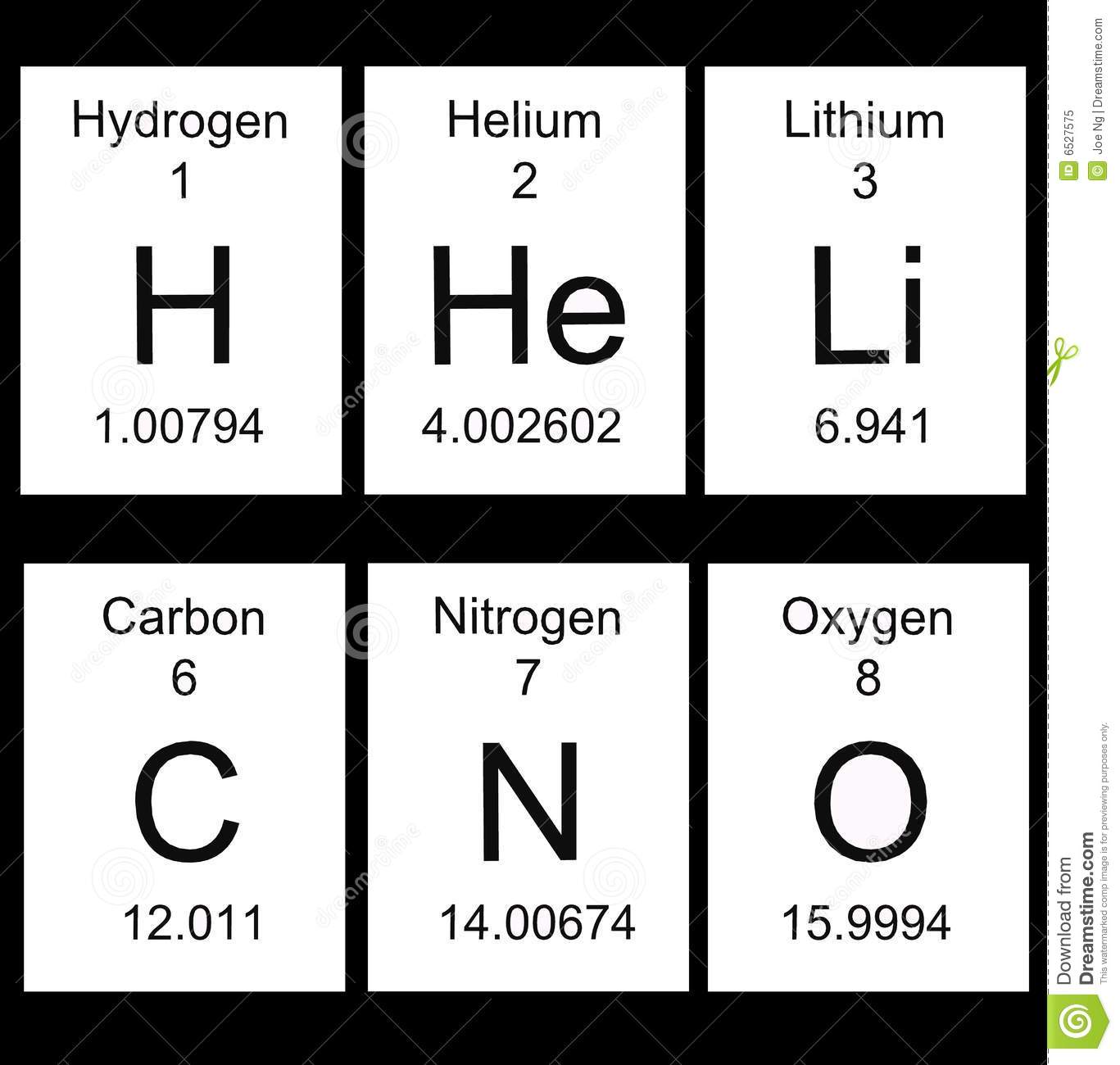
The number at the bottom of each square on the periodic table is the ...
a)
atomic number
b)
atomic mass
c)
chemical symbol
d)
element name
3.
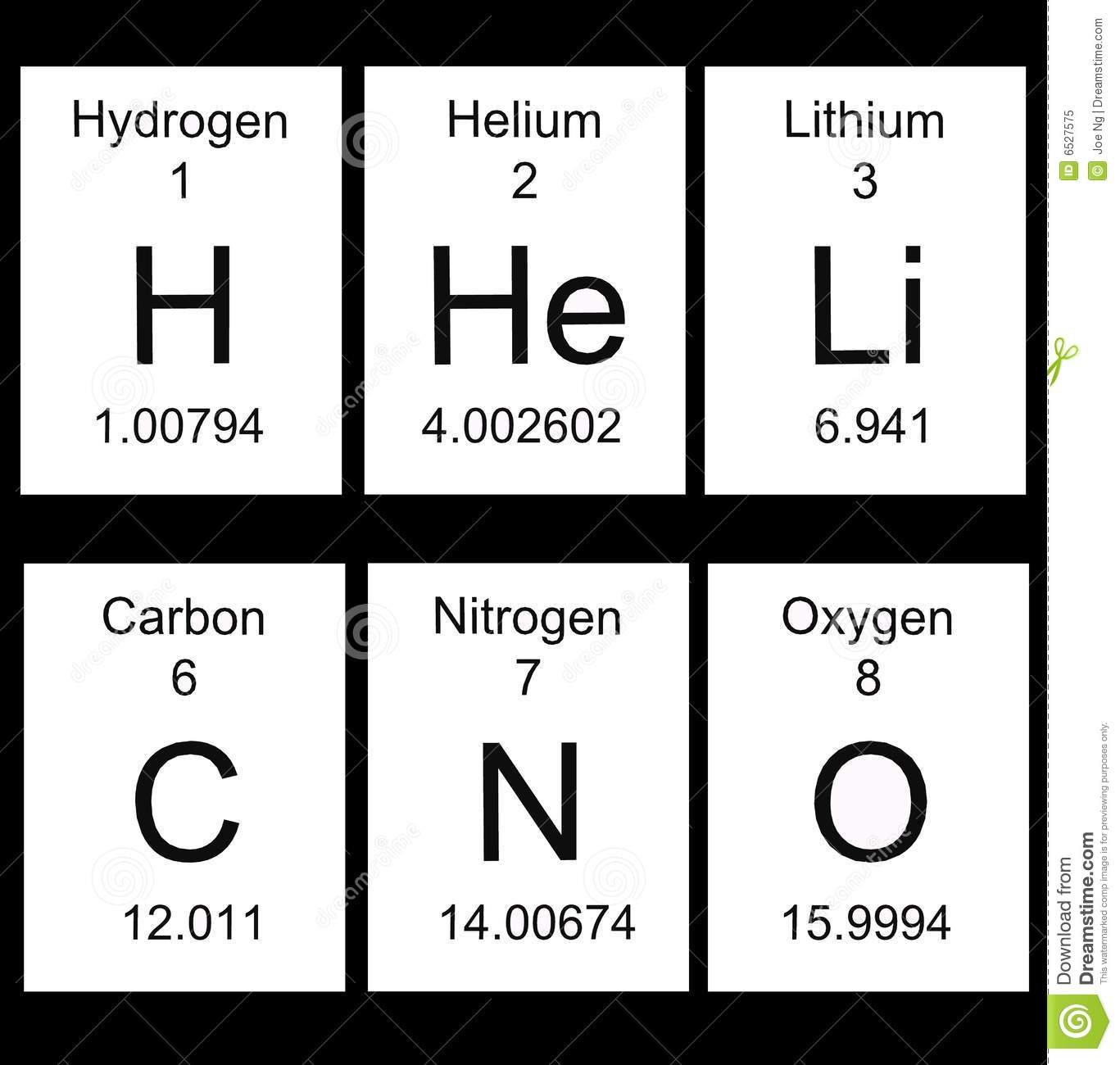
The number at the top of each square on the periodic table is the ...
a)
atomic number
b)
atomic mass
c)
Chemical Symbol
d)
Element Name
4.
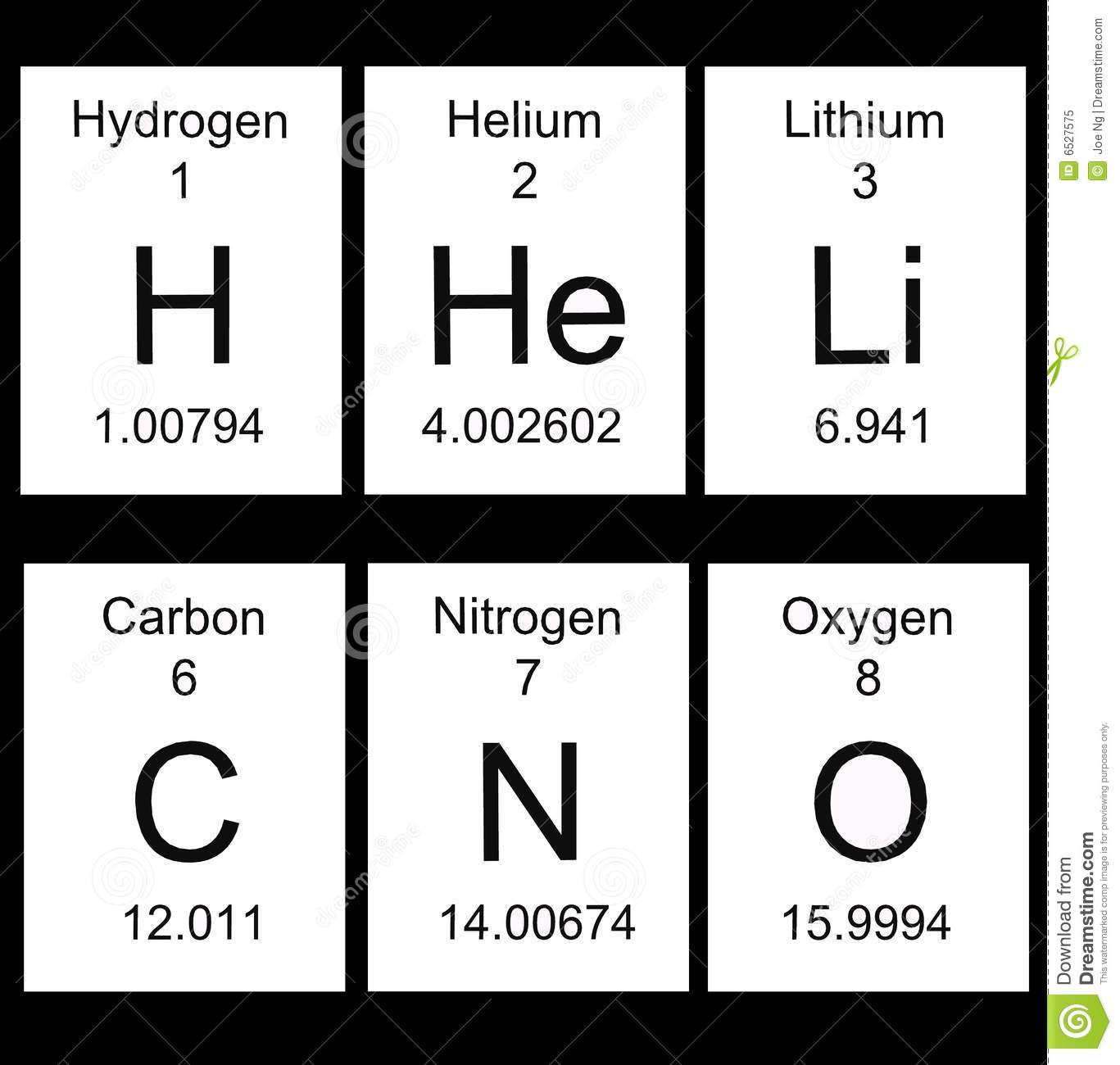
What is the chemical symbol for Lithium?
a)
H
b)
He
c)
Li
d)
N
5.
The atomic number tells you what?
a)
number of electrons
b)
number of protons and electrons in an atom
c)
number of neutrons
6.
Which element is not a metal?
a)
H
b)
Re
c)
Al
7.

The atoms along the staircase are called
a)
metals
b)
nonmetals
c)
metalloids
d)
noble gases
8.
A proton is....
a)
A negatively charged subatomic particle
b)
A positively charged subatomic particle
c)
A neutrally charged subatomic particle
d)
The only subatomic particle located in the nucleus
9.
A neutron has a charge of
a)
+2
b)
No charge
c)
-1
d)
+1
10.
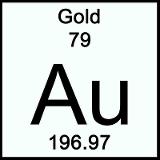
Which number is the atomic mass?
a)
79
b)
196.97
11.

The yellow atoms are called
a)
metals
b)
nonmetals
c)
metalloids
d)
noble gases
12.
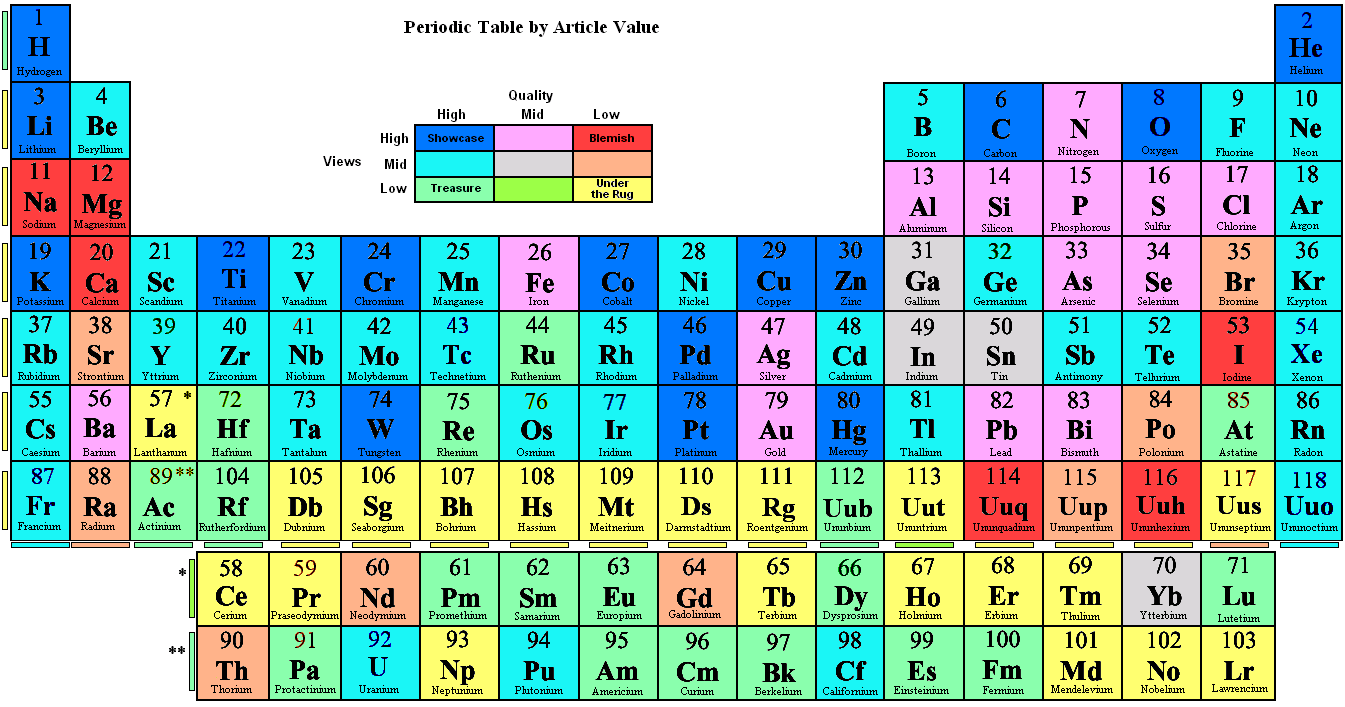
The period for Bromine is ___________.
a)
3
b)
2
c)
4
13.
The periodic table has __ periods.
a)
18
b)
8
c)
2
d)
7
14.
An element's identity is determined by the number of
a)
electrons.
b)
protons.
c)
neutrons.
d)
valence.
15.

The atomic number of this pictured element is
a)
28
b)
58.6934
c)
Ni
d)
Nickel
16.
A negatively charged particle that moves around the nucleus is a(n)
a)
proton
b)
neutron
c)
electron
d)
quark
17.

How many neutrons are in a Gold atom?
a)
79
b)
196
c)
118
d)
275
18.
The electrons of an atom are found...
a)
in the outer "cloud" surrounding the atom.
b)
in the nucleus of the atom.
c)
in the cloud and in the nucleus.
19.
What is the atomic mass equal to?
a)
the number of protons
b)
the number of protons and neutrons
c)
the number of neutrons
d)
the number of protons and electrons
20.
Choose the answer which contains ONLY elements.
a)
carbon dioxide, carbon, boron
b)
water, calcium, bromine
c)
hydrogen, carbon dioxide, paper
d)
gold, silver, iron
21.
Which subatomic particles are found in nucleus?
a)
Proton and electron
b)
Proton and neutron
c)
neutron and electron
d)
neutron, electron and proton
22.
Which subatomic particles are found in shells?
a)
Proton
b)
neutron
c)
electron
23.
1st shell of an atom can hold maximum of
a)
2
b)
4
c)
6
d)
8
24.
What do we call the columns on the periodic table?
a)
Periods
b)
Families (Groups)
25.

a)
2
b)
3
c)
5
26.
Valence electrons are:
a)
Electrons farthest away from the nucleus
b)
Electrons closest to the nucleus
c)
Electrons that just come and go - they don't stay with the atom
d)
Electrons in the second shell
27.

a)
1
b)
2
c)
3
d)
4
28.
Which of these is a property of metals?
a)
It's malleable
b)
It can't conduct electricity
c)
They are used in food
d)
It's very brittle
29.
Which of the following is NOT a characteristic of most metals?
a)
Brittle
b)
Good conductor
c)
Ductile
d)
Malleable
30.
Which of these grouping of elements could have the characteristic of luster (shiny)?
a)
Metal
b)
Nonmetal
c)
metalloids
d)
Both metals and metalloids
31.
All of the following would classify an element as a metal except?
a)
Dull
b)
Luster
c)
Malleable
d)
Hard
32.

Describe what luster means
a)
How an object reflects light
b)
How soft an object is
c)
If an object floats
d)
If an object can be dug out of the earth.
33.
I have an object that is dull, brittle, and an insulator, what is it?
a)
metalloid
b)
non-metal
c)
metal
d)
matter
34.
If you have a material that can conduct electricity well it is probably a...
a)
Metalloid
b)
Matter
c)
Non-metal
d)
Metal
35.

When an object changes shape when struck by a hammer.
a)
luster
b)
malleable
c)
brittleness
d)
ductile
36.
What physical properties are used to classify elements as metals, non-metals, or metalloids?
a)
Color, smell, physical state
b)
Reactivity, streak, hardness
c)
Ability to burn, mass, density
d)
Luster, conductivity, malleability
100 %

