wayground logo

Free Printable Worksheets

Font size

S
M
L
XL
Worksheets

Geography

Total questions: 95

Worksheet time: 1hrs 24mins

Name
Class
Date
1.
Islands are bodies of land surrounded by water on how many sides?
a)
one
b)
two
c)
three
d)
all
2.
Which continent is farthest to the south?
a)
Africa
b)
Australia
c)
South America
d)
Antarctica
3.
Latitude lines measure...
a)
north and south
b)
east and west
4.
0o latitude is called the...
a)
Prime Meridian
b)
equator
c)
International Date Line
d)
Tropic of Capricorn
5.
0o longitude is called the...
a)
Prime Meridian
b)
equator
c)
International Date Line
d)
Tropic of Capricorn
6.
Which hemisphere is shaded dark on the map?
a)
northern hemisphere
b)
southern hemisphere
c)
eastern hemisphere
d)
western hemisphere
7.
Which ocean is east of the United States?
a)
Atlantic
b)
Pacific
c)
Indian
d)
Arctic
8.
Look at the map. Which continent is located at 45oN, 120oE?
a)
North America
b)
South America
c)
Africa
d)
Asia
9.
Which side of this map is west?
a)
top
b)
bottom
c)
left
d)
right
10.
the term for one-half of a globe or one-half of the planet Earth
a)
Sphere
b)
Legend
c)
Prime Meridian
d)
Hemisphere
11.
Largest continent in the world
a)
Africa
b)
United States
c)
Asia
d)
Europe
12.
What is the continent that is pink?
a)
North America
b)
South America
c)
Asia
d)
Australia
13.
What is the continent that is red?
a)
North America
b)
Europe
c)
Africa
d)
Australia
14.
What is the continent that is dark green?
a)
North America
b)
South America
c)
Europe
d)
Australia
15.
What is the continent that is yellow?
a)
Africa
b)
Australia
c)
Asia
d)
Antarctica
16.
What is the continent that is orange?
a)
Africa
b)
Australia
c)
Antarctica
d)
Asia
17.
What is the continent that is light green?
a)
North America
b)
South America
c)
Africa
d)
Australia
18.
The average weather in an area.  The average temperature in a region.  The typical wind conditions that may occur.  These three statements all describe? 
a)
Weather
b)
Physical Maps
c)
Climate
d)
Landforms
19.
Mountains, rivers, lakes, deserts are all types of?
a)
Landforms
b)
Water
c)
Maps
d)
Climates
20.
What type of map would you need to use to see a country's boundaries?
a)
Physical Map
b)
Robinson Projection Map
c)
Political Map
d)
Globe
21.
Which is more specific when discussing location?
a)
Command
b)
Relative
c)
Scientific
d)
Absolute
22.

Look at the map of North America. Then answer the question that follows. Callie and her family live in Atlanta, GA, which is represented by the star on the map. They are flying to Pearl Harbor, HI, for vacation in the summer. In which direction will they be flying?

a)

north

b)

south

c)

east

d)

west

23.

In which time zone is the Chisholm Trail located?

a)

Eastern

b)

Central

c)

Mountain

d)

Pacific

24.

Jorge is traveling around the United States and visiting sites of historical significance. He first visits the site of the Wright Brothers' first successful flight. From there he will be traveling to the city were Rosa Parks was arrested from refusing to give up her seat on a public bus. Based on the map and your knowledge of social studies, in which direction will Jorge travel?

a)

northwest

b)

southwest

c)

northeast

d)

southeast

25.
Name Ocean #1!
a)
Indian
b)
Pacific
c)
Atlantic
26.
Name Ocean #2!
a)
Arctic
b)
Atlantic
c)
Pacific
27.
Which continent is EAST of Europe?
a)
North America
b)
Africa
c)
Antarctica
d)
Asia
28.
Which continent is South of Europe?
a)
North America
b)
South America
c)
Africa
d)
Asia
29.
Map scale shows what?
a)
directions
b)
cities
c)
distance
d)
time
30.
We live on which continent?
a)
North America
b)
South America
c)
Europe
d)
Australia
31.
The migration of people is an example of what theme of geography
a)
place
b)
movement
c)
location
d)
region
32.
Which two hemispheres do you live in?
a)
Northern/Southern
b)
Northern/Western
c)
Southern/Western
d)
Southern/Eastern
33.
I live in the country of...
a)
United States of America
b)
Pennsylvania
c)
Mifflin County
d)
Canada
34.
How many continents are in the world?
a)
3
b)
5
c)
7
d)
9
35.
What is this landform?
a)
valley
b)
hills
c)
river
d)
lake
36.
What is this landform?
a)
ocean
b)
bay
c)
coast
d)
river
37.
What country is shown here?
a)
Indian
b)
Vietnam
c)
Japan
d)
China
38.
What country is shown here? 
a)
China
b)
India
c)
Nepal
d)
Japan
39.
a)
China
b)
India
c)
Pakistan
d)
Sri Lanka
40.
a)
North Korea
b)
South Korea
c)
China
d)
Japan
41.
What is this?
a)
Vietnam
b)
South Korea
c)
China
42.
Name the highlighted state.
a)
New Mexico
b)
Oklahoma
c)
Texas
d)
Neveda
43.
Name the highlighted state.
a)
Missouri
b)
Illinois
c)
Iowa
d)
Ohio
44.
Name the highlighted state.
a)
Idaho
b)
North Dakota
c)
Massachusetts
d)
New York
45.
The African country of ___ is highlighted
a)
California
b)
Oregon
c)
Wymoning
d)
Arizona
46.
The African country of ___ is highlighted.
a)
Egypt
b)
Kenya
c)
Morocco
d)
South Africa
47.
The African country of ___ is highlighted.
a)
Lesotho
b)
Madagascar
c)
Nigeria
d)
Kenya
48.
The European country in red is ___?
a)
Russia
b)
Italy
c)
France
d)
Greece
49.
The European country in red is ___?
a)
France
b)
Italy
c)
Greece
d)
Spain
50.
The European country in red is ___?
a)
Italy
b)
Germany
c)
Noraway
d)
Poland
51.
What is the tilt of the Earth?                                                    
a)
66.5 degrees  
b)
23.5 degrees       
c)
0 degrees  
d)
 45 degrees
52.
The largest desert in the world is
a)
Gobi
b)
Namibia
c)
Sahara
d)
Great Sandy 
53.
What river is considered the longest in the world?
a)
Rio Grande
b)
Mississippi
c)
Amazon
d)
Nile
54.
Which continent is the largest in land mass? 
a)
Africa
b)
Asia
c)
North America
d)
Antarctica
55.
Which continent is the smallest in land mass? 
a)
Australia
b)
Europe
c)
South America
d)
Antarctica
56.
Which continent has the smallest population? 
a)
Europe
b)
South America
c)
Australia
d)
Antarctica
57.
Which continent contains the world's longest river? 
a)
Africa
b)
Asia
c)
Australia
d)
North America
58.
The Sahara Desert covers nearly one-third of this continent. 
a)
Asia
b)
Africa
c)
South America
d)
Australia
59.
This ocean covers more than 30% of the earth's surface. 
a)
Pacific
b)
Atlantic
c)
Indian
d)
Southern
60.
Which of these sets are examples of water physical features?
a)
Dead Sea, Amazon River, Deccan Plateau
b)
Mississippi River, Strait of Gibraltar, Atlantic Ocean
c)
Rocky Mountains, Korean Peninsula, Sahara Desert
d)
Mississippi River, Arabian Peninsula, Indian Ocean
61.
#1
a)
United States
b)
Mexico
c)
Cuba
d)
Canada
62.
#3
a)
Canada
b)
Mexico
c)
Peru
d)
Argentina
63.
#5
a)
Canada
b)
Mexico
c)
Peru
d)
Cuba
64.
#6
a)
Brazil
b)
Mexico
c)
Peru
d)
Cuba
65.
#19
a)
Italy
b)
France
c)
Ukraine
d)
Netherlands
66.
#39
a)
Australia
b)
New Zealand
c)
Nepal
d)
China
67.
The names of the oceans are:
a)
Antarctica, Africa, Europe, Asia, and North America
b)
Antic, North America, Australia, Indian, and Arctic
c)
Pacfic, Arctic, Atlantic, Indian, and Southern
d)
Michigan, Superior, Erie, Huron, Ontario
68.
In geography, what are things that move?
a)
People
b)
Products
c)
Ideas
d)
All of the above 
69.
What are reasons people move? 
a)
Environmental factors
b)
Social factors
c)
Economic factors
d)
All of the above
70.
An Imaginary line running East to West through the middle of the Earth at 0 degrees.
a)
Equator
b)
Prime Meridian
c)
Trump's wall
d)
Spotify
71.
what is relative location?
a)
where the place is around
b)
the exact location 
72.
what are human features?
a)
culture
b)
food
c)
religion
d)
all of the above
73.
what are physical features?
a)
geography
b)
pizza
c)
the white house 
d)
all of the above
74.
the term for one-half of a globe or one-half of the planet Earth
a)
Sphere
b)
Legend
c)
Prime Meridian
d)
Hemisphere
75.
The Five Themes of Geography are the Following:
a)
Place, Region, Interaction, Land-forms, Movement
b)
Place, Region, Interaction, Location, Movement
c)
People, Race, Interaction, Location Movement
d)
Power, Region, Interaction, Location Movement
76.
 A person who studies the earth, our home.
a)
historian
b)
astronaut
c)
eaducator
d)
geographer
77.
Maps that show things like coal, forests, iron ore, oil, etc .
a)
physical
b)
natural resource
c)
political
d)
historical
78.
Which country contains the coordinates 15 degrees S, 45 degrees W?
a)
Brazil
b)
Italy
c)
Madagascar
d)
Australia
79.
A geographic area that is located outside towns and cities is called a ______ environment.
a)
urban
b)
deciduous 
c)
tundra
d)
rural
80.
height above a given level best defines what??
a)
latitude
b)
elevation
c)
diffusion
d)
equinox 
81.
Which continent is home of the Sahara Desert and is considered the hottest?
a)
South America
b)
Europe
c)
Africa
d)
Australia
82.
Which of the following is an archipelago?
a)
Japan
b)
China
c)
North Korea
d)
India
83.
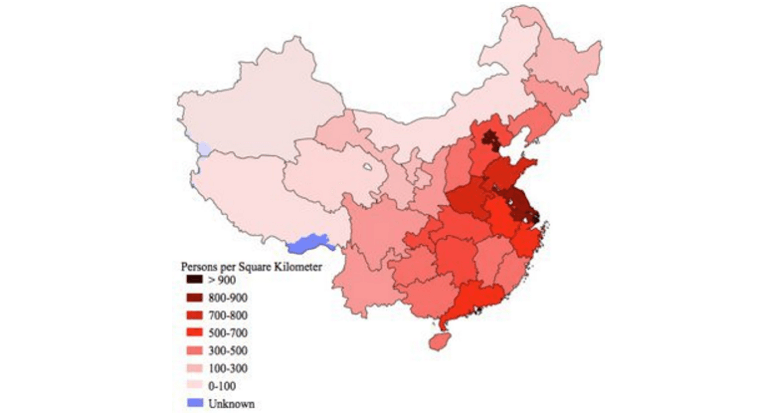
Most people in China live in the __________.
a)
Deserts
b)
Mountains
c)
Far West
d)
East
84.
Which of these best explains the high population density in China's eastern region?
a)
The region is not capable of supporting large scale farming
b)
The region is close to the ocean and has favorable climate
c)
The region is home to the emperor 
d)
The region is located near active volcanoes
85.
What is the largest country in terms of population?
a)
Russia
b)
United States
c)
India
d)
China
86.
Which feature is labeled C?
a)
Indian Ocean
b)
Africa
c)
Asia
d)
Southern Ocean
87.
What country is highlighted on the map?
a)
Canada
b)
United States
c)
Mexico
d)
Brazil
88.
Which country is highlighted on the map?
a)
United States
b)
Brazil
c)
Mexico
d)
Canada
89.
Which country is highlighted on the map?
a)
Canada
b)
Mexico
c)
Greenland
d)
United States
90.
There are _____ states in the United States of America.
a)
48
b)
49
c)
50
d)
Too many to count
91.
Which of the following is not a continent?
a)
Nebraska
b)
Africa
c)
North America
d)
Australia
92.
We live on planet ____________.
a)
Earth
b)
Mars
c)
Jupiter
d)
Saturn
93.
There are ____ Great Lakes.
a)
2
b)
3
c)
4
d)
5
94.
What is the abbreviation for the United States of America?
a)
US of A
b)
USOA
c)
USA
d)
U.S.A
95.
Geography means ________________________________________________________________.
a)
the study of school systems
b)
the study of the Earth's surface (water, land, plants)
c)
the study of geometry
d)
the study of how the Earth revolves around the sun