wayground logo

Free Printable Worksheets

Font size

S
M
L
XL
Worksheets

Life Science Ohio State Test Review

Total questions: 47

Worksheet time: 55mins

Name
Class
Date
1.
A producer?
a)
Eats other plants and animals
b)
Makes its own food
c)
Eats dead plants or animals
d)
Makes toys for kids
2.
A decomposer?
a)
Eats dead plants or animals and breaks down to put nutrients in the soil
b)
Eats plants or other animals for food
c)
Makes its own food
d)
Machine that gathers trash
3.
This is a chart listing some of the organisms in the Tundra ecosystem. Which food chain correctly identifies the flow of energy?
a)
berries --> arctic fox --> ringed seal --> salmon
b)
polar bear --> caribou --> grasses --> sun
c)
lichen --> lemming --> arctic fox --> polar bear
d)
wold --> arctic hare --> berries
4.
The process of using sunlight, carbon dioxide, and water to make sugar and oxygen is called _________?
a)
chlorophyll
b)
evaporation
c)
photosynthesis
d)
transportation
5.
This organism is microscopic and
lives in soil. It feeds off of dead
and dying organisms, creating
carbon and nitrogen, which is
sent back into the soil to be used
over. Is it a...
a)
Producer
b)
Consumer
c)
Decomposer
6.
The snake is a predator to what prey in this food chain?
a)
frog
b)
grass
c)
grasshopper
d)
hawk
7.
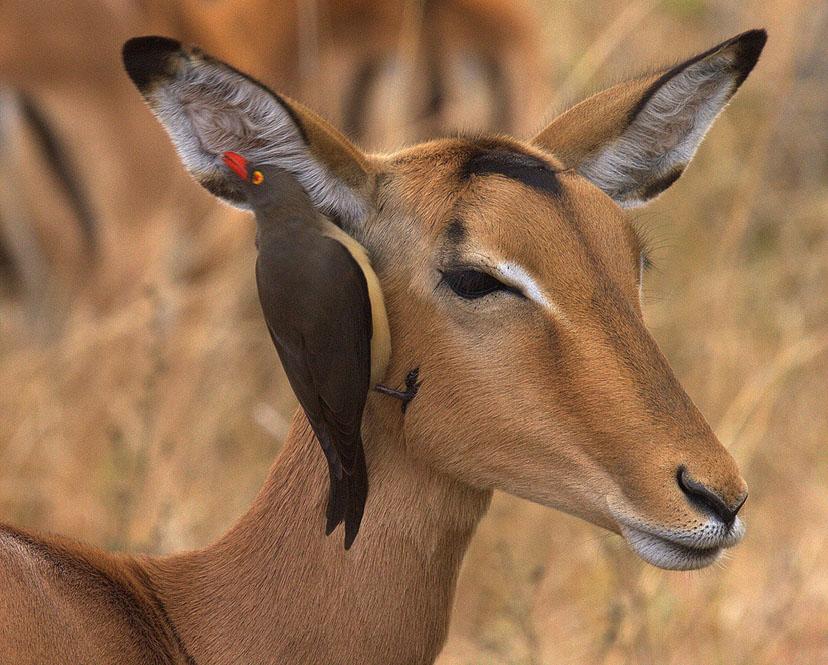
Red-billed oxpeckers are birds that often feed on parasites that infest impala.  This is an example of _______.
a)
commensalism
b)
mutualism
c)
neutralism
d)
competition
8.
Barnacles create home sites by attaching themselves to whales. This neither harms nor benefits the whales.  What kind of relationship is this?
a)
Mutualism 
b)
Parasitism 
c)
Commensalism 
9.
A relationship between two species where one benefits while the other is harmed.
a)
Mutualism
b)
Commensalism
c)
Parasitism
d)
Naturalism
10.
A relationship between two organisms in which one organism benefits and the other is unharmed
a)
Mutualism 
b)
Competition
c)
Parasitsm 
d)
Commensalism 
11.
A relationship between two organisms in which one organism benefits and the other is unharmed...
a)
Mutualism 
b)
Competition
c)
Parasitsm 
d)
Commensalism 
12.

A symbiotic relationship that benefits both members of two different species.

a)

Predator-Pray

b)

Commensalism

c)

Mutualism

d)

Parasitism

13.
What is an invasive species?
a)
A native (naturally found) species which are added to an area. 
b)
A non-native (not naturally found) species added to an area. 
c)
A keystone species in an environment
d)
none of the above
14.
A __________ includes all living and non-living things in an environment. 
a)
population
b)
niche
c)
abitotic
d)
ecosystem
15.
_______ are consumers that eat only meat.
a)
Herbivore
b)
Omnivore
c)
Carnivore
16.
________ are consumers that eat plants and meat.
a)
Herbivore
b)
Omnivore
c)
Carnivore
17.
What are interconnected food chains called?
a)
consumers
b)
predators
c)
food web
18.
Which describes a decomposer?
a)
an organism that eats only plants
b)
an organism that makes its own food
c)
an organism that breaks down dead matter
d)
an organism that recieves energy from the sun
19.
Which organism do the owl and the weasel compete for in the food web?
a)
Hawk
b)
Spider
c)
Grasshopper
d)
Shrew
20.
What is an example of a biotic factor?
a)
skunk
b)
rocks
c)
soil
d)
water
21.
What is the ultimate ORIGINAL source of energy for living things
a)
Sugar
b)
Sun
c)
Moon
d)
Carbon Dioxide
22.
Which statement about photosynthesis is correct?
a)
Plants get the energy they need for photosynthesis from water.
b)
Plants get the energy they need for photosynthesis from soil.
c)
Plants get the energy they need for photosynthesis from sunlight.
d)
Plants do not require energy to perform photosynthesis.
23.
Why are plants important to life on Earth?
a)
They make our world more beautiful
b)
They make the planet look green
c)
They use carbon dioxide and give us oxygen
d)
They provide shade for insects
24.
An endangered species is
a)
One whose numbers are so small that it is at risk of extinction
b)
One whose not been spotted after many years.
c)
One whose numbers are abundant.
25.
An organism that uses sunlight to create its own food is known as a:
a)
Producer
b)
Heterotroph
c)
Consumer
d)
Decomposer
26.
The arrows in a food chain or web represents what?
a)
They point to the organism that is being eaten.
b)
It shows how sunlight flows within an ecosystem.
c)
They show what direction the energy is flowing between organisms. 
d)
They represent how water is transferred within a habitat.
27.
The rabbit in this food web would be considered a:
a)
Decomposer
b)
Producer
c)
Secondary Consumer
d)
Primary Consumer
28.
The image provided is an example of a(n):
a)
Carnivore
b)
Herbivore
c)
Producer
d)
Autotroph
29.
The animals that predators eat
a)
Predators
b)
Consumer
c)
DOODOO
d)
Prey
30.
The mouse in this food web would be considered a:
a)
Primary Consumer
b)
Producer
c)
Tertiary Consumer
d)
Secondary Consumer
31.

What is the definition of commensalism?

a)

A relationship where both organisms benefit from each other.

b)

A relationship where one organism benefits and the other is harmed

c)

A relationship where one organism benefits and the other is not affected.

d)

A relationship where both organisms are harmed.

32.

Mutualism is a symbiotic relationship where organisms........

a)

benefit from each other

b)

harm each other for food

c)

eat only other carnivores

d)

use photosynthesis as a way of creating energy

33.

Which of the organisms in this food web are herbivores?

a)

foxes, owls, birds

b)

carrots, grains, grasses

c)

rabbits, mice, grasshoppers

d)

birds, mice, owls

34.

How would you describe foxes in this food web?

a)

producers

b)

herbivores

c)

omnivores

d)

carnivores

35.

Which of the following statements is true about this food web?

a)

Owls get their energy needs from mice and grasshoppers

b)

Rabbits have 3 energy sources

c)

grasshoppers prey on birds

d)

foxes are the top producers

36.

What is the foundation of a food chain?

a)

consumers

b)

producers

c)

nutrients

37.
Fungi. Is it a...
a)
Producer
b)
Consumer
c)
Decomposer
38.
All the living parts of an ecosystem
a)
biotic
b)
abiotic
c)
cell
d)
atom
39.
All members of one kind of organism that live in the same area
a)
population
b)
microorganism
c)
communit
d)
organism
40.
Is sunlight a biotic or abiotic factor?
a)
biotic
b)
abiotic
41.
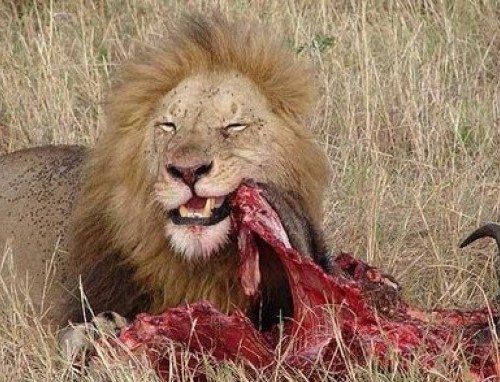
This animal is an .......
a)
Producer
b)
Consumer
c)
Decomposer
42.
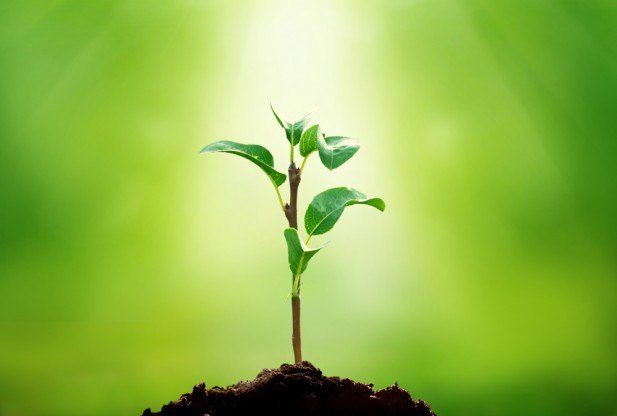
This tree is a......
a)
Producer
b)
Primary Consumer
c)
Secondary/Tertiary Consumer
d)
Decomposer
43.
A tapeworm inside a dog is
a)
competition
b)
predation
c)
commensalism
d)
parasitism
44.
A frog eats a fly. The frog and fly are demonstrating ________.
a)
mutualism
b)
competition
c)
predator/prey
d)
parasitism
45.
**USE MAP**
Squirrels depend on trees for food and shelter. What has happened to the squirrel population since 1620?
a)
The squirrels have increased
b)
The squirrels have decreased
c)
The squirrels have stayed the same
46.
What is the relationship between squirrels and forested areas?
a)
When forests increase, squirrels increase
b)
When forests increase, squirrels decrease
c)
When forests decrease, squirrels increase
d)
They have no relationship
47.
During winter in Ohio, daylight hours are shorter and less energy is available.
Which statement explains why less energy is available during winter?

a)
Consumers hunt less prey
b)
Producers make less food
c)
Consumers are less active
d)
Decomposers break down less waste