wayground logo

Free Printable Worksheets

Font size

S
M
L
XL
Worksheets

8th Grade Science Accumulative Review

Total questions: 203

Worksheet time: 3hrs 41mins

Name
Class
Date
1.

What is the systematic study of natural events and conditions?

a)

Psychology

b)

Science

c)

Math

d)

Pseudoscience

2.

To set aside your personal feelings, moods, and beliefs while you evaluate something.

a)

Logic

b)

Skepticism

c)

Objectivity

d)

Curiosity

3.

To reason through information and make conclusions supported by the evidence

a)

Logic

b)

Skepticism

c)

Objectivity

d)

Careful Observation

4.

When you don't accept everything you hear or read immediately

a)

Logic

b)

Skepticism

c)

Objectivity

d)

Creativity

5.
What is a factor, usually being measured or observed, that responds to, or depends on, another factor.
a)
Independent Variable
b)
Dependent Variable
c)
Controlled Variable
d)
Hypothesis
6.
What is the reproduction of a scientific investigation by another person to ensure accuracy.
a)
Replication
b)
Repetition
7.
What are making multiple sets (trials) of measurements or observations in a scientific investigation.
a)
Repetition
b)
Replication
8.
What is the variable manipulated by the experimenter in order to study changes in the outcome variable?
a)
Independent Variable
b)
Dependent Variable
c)
Controlled Variable
d)
Hypothesis
9.
What is a statement that can be tested scientifically through experiments and/or other scientific investigations.
a)
Independent Variable
b)
Dependent Variable
c)
Controlled Variable
d)
Hypothesis
10.
We tested the effect of water temperature on how fast a sugar cube dissolves. What was the independent variable?
a)
Time to Dissolve
b)
Amount of Water
c)
Water Temperature
d)
Beaker Size
11.
We tested the effect of water temperature on how fast a sugar cube dissolves. What was the dependent variable?
a)
Amount of Water
b)
Temperature of Water
c)
Time for Sugar cube to Dissolve
d)
Type of Beaker
12.
What are the three states of matter?
a)
solid, volume, mass
b)
density, volume, mass
c)
solid, liquid, gas
d)
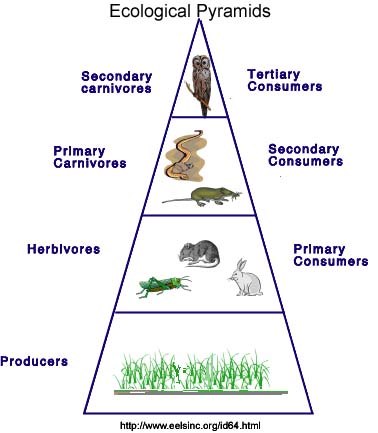
density, gas, volume
13.
Something that takes up space and has mass.
a)
volume
b)
matter
c)
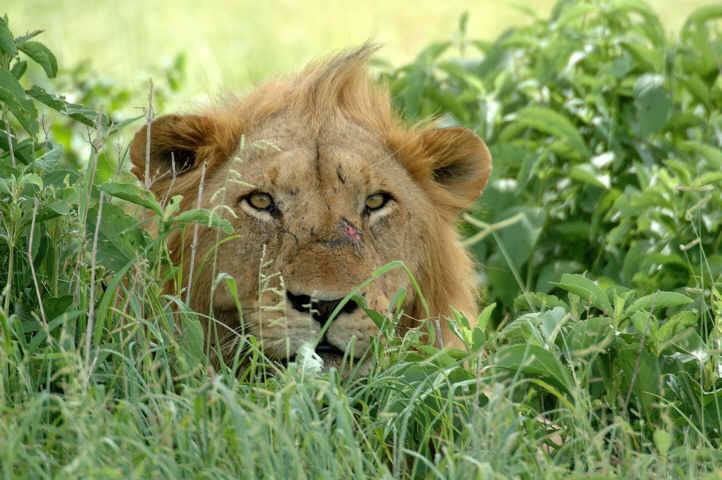
mass
d)
density
14.
A state of matter that has a definite volume and shape.
a)
solid
b)
liquid
c)
gas
d)
matter
15.
A measure of how much mass is contained in a given unit of volume.
a)
mass
b)
density
c)
volume
d)
matter
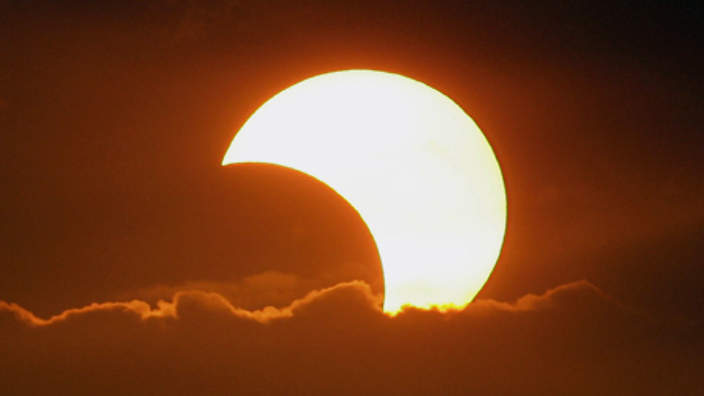
16.
The amount of space something takes up
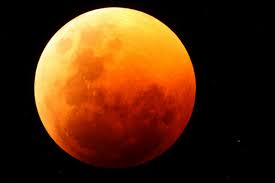
a)
density
b)
volume
c)
mass
d)
matter
17.
Iron + oxygen = rust is an example of a ___________.
a)
physical property/change
b)
chemical property/change
c)
mass
d)
volume
18.
Shape is a ____ that helps identify an object.
a)
physical property
b)
chemical property
c)
mass
d)
matter
19.
A watermelon has more matter than a grape, so it has more
a)
mass
b)
eat
c)
solid
d)
greater
20.
You can measure ______ with grams.
a)
mass
b)
volume
c)
conductivity
d)
melting point
21.
A description of objects that can be measured and observed.
a)
gas
b)
mustangs
c)
physical properties
d)
melting point
22.
Example for Physical Property
a)
Taste
b)
explodes
23.
A physical property can be observed with your
a)
Eyes
b)
Ears
c)
Tastes
d)
All of the above
24.
Cutting an orange is a physical change.
a)
True
b)
False
25.
An example of a physical property is 
a)
flammability
b)
acidic
c)
color
d)
ability to rust
26.
Chopping wood is an example of a:
a)
Physical change
b)
Chemical change
27.
Water freezing to ice is an example of a:
a)
Physical change
b)
Chemical change
28.
Burning wood to ash is an example of a:
a)
Physical change
b)
Chemical change
29.
Smashing a piece of candy into smaller pieces is an example of a:
a)
Physical change
b)
Chemical change
30.
Adding HEAT to matter causes its particles to:
a)
move faster and farther apart
b)
Move slower and farther apart
c)
Move faster and closer together
d)
Move slower and closer together
31.
A student was asked to help pass out cups of hot chocolate to two other students.  A teacher poured the steaming liquid into cups.  Once cup was made of stainless steel and the other was made of thick plastic.  As the student walked across the room, he suddenly put one of the cups on a desk and exclaimed "Ouch".  Which cup did he put down and why?
a)
He put down the plastic cup because the contents were spilling everywhere.
b)
He put down the steel cup because it was conducting thermal energy from the liquid to his hand.
c)
He put down the steel cup because it was insulating thermal energy from the liquid to his hand.
d)
He put down the plastic cup because it was insulating thermal energy from the liquid to his hand.
32.
A fifth grade class has collected empty cans for recycling.  They have several large bins with aluminum and steel cans, all mixed together.  The two types of can must be separated.  Which of the following techniques could the students use to separate the two types of cans?
a)
Put the cans in water, the steel cans with float.
b)
Crush the cans, the aluminum cans will be a different shape.
c)
Test the cans for their ability to conduct electricity.
d)
Use a magnet to find and remove the steel cans.
33.
Which statement is true?
a)
Oil is the most dense substance.
b)
Corn syrup is less dense than water.
c)
Oil is less dense than water.
d)
Oil and corn syrup have the same density but different masses.
34.
What is the volume of the rock? The water level is displaced from 20 mL to 23 mL with the rock.
a)
3 mL
b)
23 mL
c)
20 mL
d)
43 mL
35.
Two objects are placed in water.  One sinks and the other floats.  Which conclusion can be drawn from this data?
a)
one object is magnetic and the other is not
b)
one object is solid and the other is a liquid
c)
one object has a greater density than the other
d)
one object is much larger than the other
36.
A metal spoon was left in a pot of boiling soup.  The cook burned a finger by touching the spoon.  Why did the finger get burned?
a)
The metal spoon chemically reacted with the cook's hand
b)
the metal spoon conducted electricity to the cook's hand
c)
the metal spoon conducted heat to the cook's hand
37.
Why are electrical wires usually covered with plastic?
a)
to insulate the electrical wire
b)
to keep the wire warm
c)
to make the wire more conductive
38.
If an ice cube is left out in  room it will change from one state of matter to another.  Which is the correct order of State of Matter that the ice cube will go through?
a)
Gas, Solid, Liquid
b)
Liquid, Solid, Gas
c)
Liquid, Gas, Solid
d)
Solid, Liquid, Gas
39.
Which is true?
a)
Material A is a liquid
b)
Material C is a solid
c)
Material B is a gas
d)
Material B is  a liquid
40.
What type of substance is shown in the picture below? 
a)
compound 
b)
mixture 
c)
element 
41.
What type of substance is shown in the picture? 
a)
element
b)
compound
c)
mixture 
42.
Boiling an egg is an example of what type of change? 
a)
chemical change
b)
physical change 
43.
Carbon dioxide is a gas made up of carbon and oxygen.  Carbon dioxide is  a 
a)
a compound
b)
an element
c)
physical change 
d)
a property 
44.
Which process occurs when a solid changes to a liquid?
a)
condensation
b)
evaporation
c)
freezing
d)
melting 
45.
Mass is measured on a _________________. 
a)
test tube 
b)
graduated cylinder 
c)
balance scale 
46.
The measure of the gravitational force of an object is called?
a)
mass
b)
weight
c)
matter
d)
volume
47.
The amount of matter in an object is called?
a)
mass
b)
weight
c)
density
d)
volume
48.
T/F? Your weight is different on the moon.
a)
true
b)
false
49.
T/F? Your mass is different on the moon.
a)
true
b)
false
50.
The formula for density is mass divided by volume. (D=m/v)
a)
true
b)
false
51.
What is matter?
a)
Energy
b)
Anything that has mass and volume
c)
Everything
d)
Only solid things
52.
What is the volume?
a)
5mm3
b)
125mm3
c)
25mm3
d)
15mm3
53.
What is the volume of the rock?
a)
30cm3
b)
10cm3
c)
40cm3
d)
20cm3
54.
What is the volume?
a)
20mL
b)
60mL
c)
80mL
d)
10mL
55.
Dean used a triple beam balance to find out that the mass of a rock was 40 g. Dean then used a graduated cylinder to find out the volume is 5 ml. What is the density of the rock?
a)
6g/mL
b)
9g/mL
c)
8g/mL
d)
10g/mL
56.

Is energy made of matter?

a)

Yes it is made of matter

b)

No it is made of energy

57.
Two factors effecting the magnitude of the force of gravity between 2 objects are...
a)
mass and distance 
b)
mass and matter
c)
distance and weight 
d)
weight and mass
58.
all matter is made of what 
a)
energy 
b)
atoms 
c)
electrons 
d)
compounds 
59.
The positive particles of an atom are 
a)
electrons 
b)
positrons 
c)
neutrons 
d)
protons 
60.
the central region of an atom where its neutrons and protons are is its 
a)
nucleus 
b)
electron cloud
c)
core 
d)
center 
61.
an atom with atomic number 6 would have how many protons 
a)
6
b)
12
c)
3
d)
cannot be determined 
62.
Particles in an atom that are neutral and have no charge are 
a)
negatrons 
b)
electrons 
c)
neutrons 
d)
protons 
63.
What is the atomic number for an element with three protons?
a)
2
b)
1
c)
3
d)
6
64.
A particle that moves around the nucleus is a(n)...
a)
Proton
b)
Neutron
c)
Electron
d)
Quark
65.
In the modern periodic table elements are arranged by:
a)
atomic mass
b)
atomic number
c)
valence electrons
d)
number of isotopes
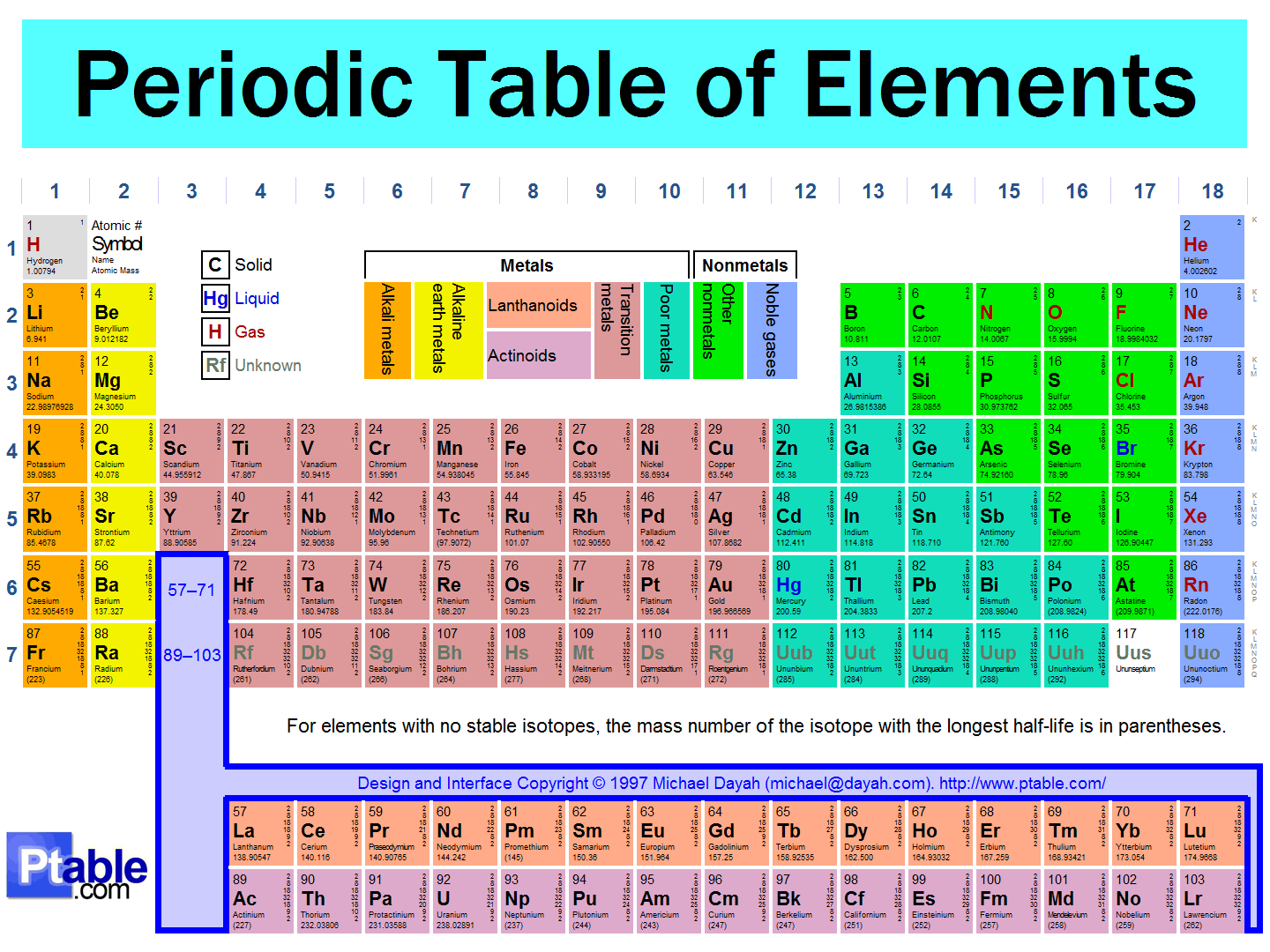
66.
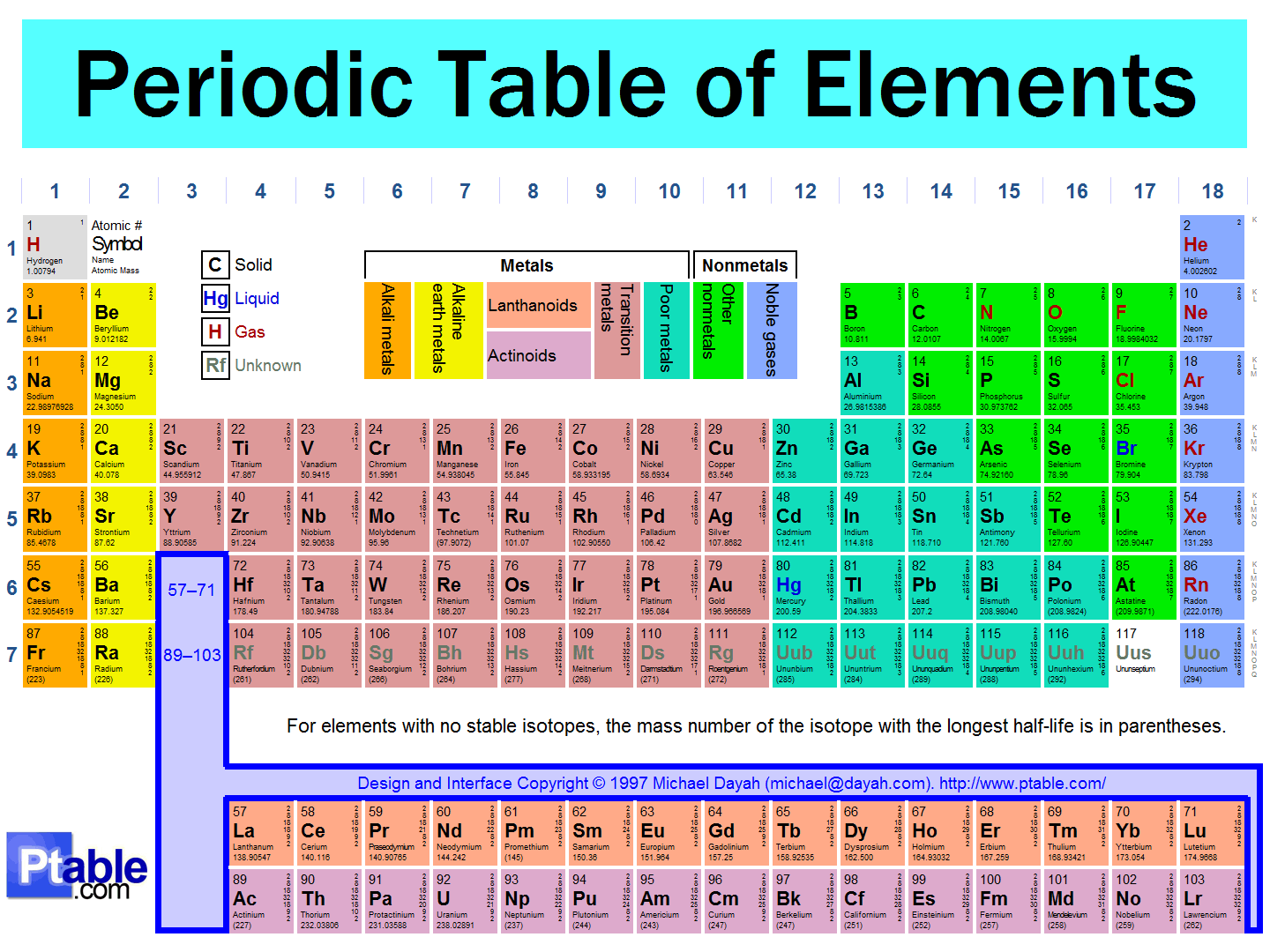
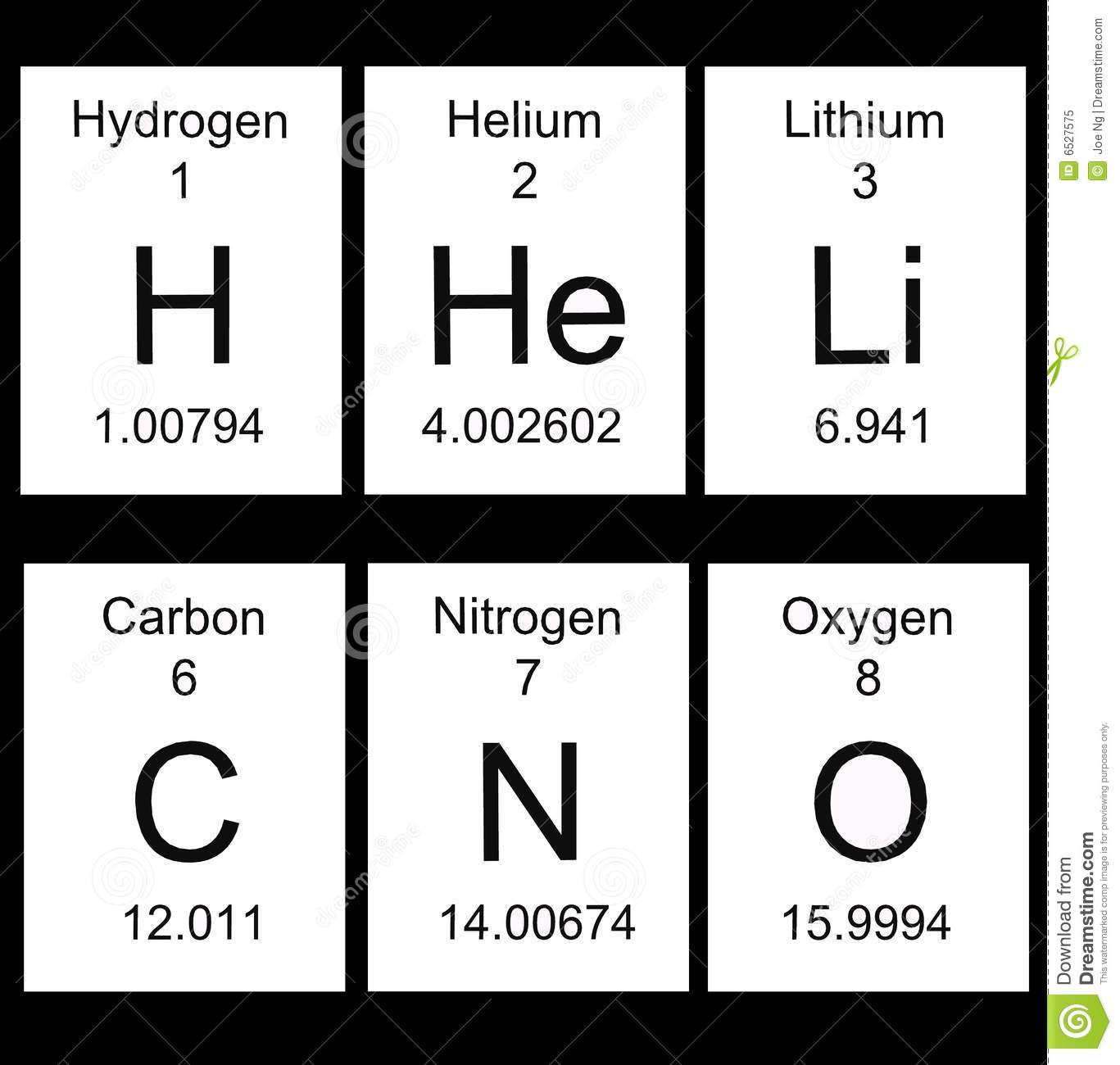
What does the 1.00794 stand for?
a)
Hydrogen
b)
atomic number
c)
atomic mass
d)
atomic explosion
67.
What is the atomic mass of "F"
a)
9
b)
18
c)
17
d)
19
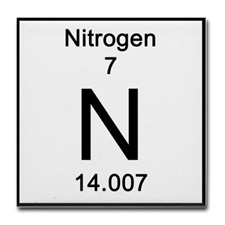
68.
What is the number of protons that the element in this image contain?
a)
14
b)
7
c)
15
d)
18
69.
Where are electrons of an atom found?
a)
Nucleus
b)
Electron Cloud
c)
Some are in the nucleus and some in the electron cloud.
d)
They are moving everywhere.
70.
What is the atomic symbol for sodium?
a)
Na
b)
So
c)
NaCl
d)
S
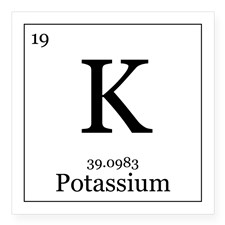
71.
How many neutron are in the atom "K"?
a)
7
b)
2
c)
39
d)
20
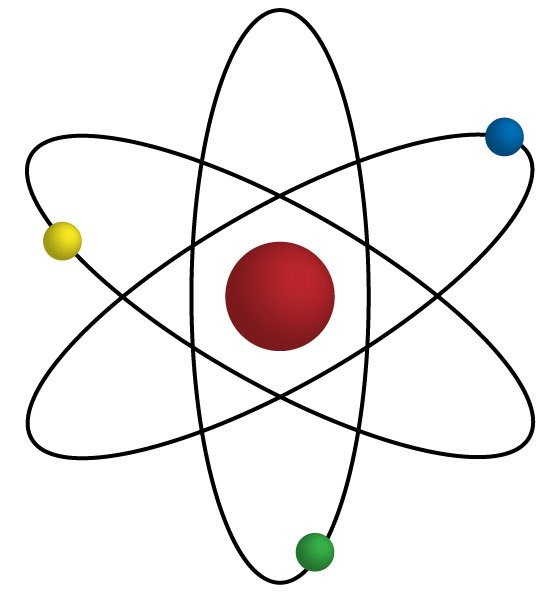
72.
What are the 3 particles that make-up the atom?
a)
protons, neutrons, and isotopes
b)
neutrons, isotopes, and electrons
c)
positives, negatives, and electrons
d)
protons, neutrons, and electrons
73.
Which one of these is NOT located in the element square on the Periodic Table?
a)
Atomic Number
b)
Atomic Mass
c)
Room Temperature
d)
Chemical Symbol
74.
Which subatomic particles contribute the most to the mass of an atom?
a)
Protons, Neutrons, Electrons
b)
Protons only
c)
Protons and Electrons
d)
Protons and Neutrons
75.
The horizontal row on the periodic table is called a
a)
group
b)
family
c)
period
d)
atomic number
76.
A vertical column is called...
a)
group
b)
tower
c)
period
d)
crew
77.
What is the chemical symbol for Lithium?
a)
H
b)
He
c)
Li
d)
N
78.
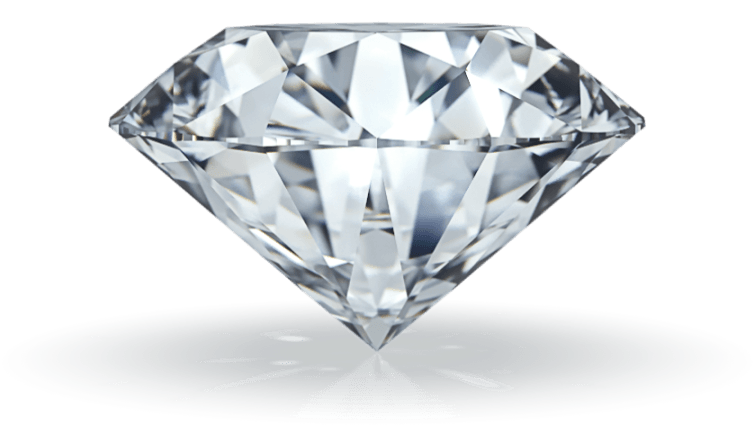
Diamonds are a pure form of what element?
a)
Carbon
b)
Oxygen
c)
Silicon
d)
Silver
79.
A ___________ is an arrangement of elements in columns
a)
columns
b)
rows
c)
periodic table
d)
electron shell
80.
Elements which are shiny, conduct electricity and heat are called
a)
metal
b)
nonmetal
c)
metalloid
d)
nonexistent
81.
The atoms along the staircase are called 
a)
metals
b)
nonmetals
c)
metalloids
d)
noble gases
82.
Elements in a ..................have similar chemical properties.  
a)
period
b)
group
c)
row
83.

Based on the graph, how many more students are in the science club than the book club?

a)

20

b)

16

c)

46

d)

18

84.
A collection of beliefs such, such as astrology, is known as...
a)
Pseudoscience 
b)
Fact
c)
Theory
d)
Law
85.
Which question can best be investigated by a scientist?
a)
Should I buy a red shirt or a green shirt?
b)
Does chocolate milk or plain milk taste better?
c)
Does a plant need sunlight to grow?
d)
Which feels softer, cat fur or dog fur?
86.
In order for an explanation to be considered scientific, it must be based on ____________.
a)
an inference
b)
a conclusion
c)
past experience
d)
evidence
87.
Which one the following is NOT a branch of science, but a pseudoscience because it not testable, repeatable and observable by scientific standards. 
a)
A. astronomy: study of physical objects (such as stars, galaxies, planets, moons, asteroids, comets and nebulae) and processes (such as supernovae explosions, gamma ray bursts, and cosmic microwave background radiation)
b)
B. physics: the study of properties of matter and energy (mechanics, heat, light and other radiation, sound, electricity, magnetism, and the structure of atoms)
c)
C. biology: the study of living organisms
d)
D. astrology: the study of how the positions of the stars and movements of the planets have a supposed influence on events and on the lives and behavior of people
88.
As technology continues to improve, our understanding of science improves, because more advanced tools allow us to make better observations of the natural world.
a)
True
b)
False
89.
A possible explanation to a problem that has not yet been tested. 
a)
data
b)
theory
c)
hypothesis
d)
fact
90.
A broad and comprehensive statement of what is thought to be true; it is supported by much evidence.
a)
hypothesis
b)
theory
c)
guess
d)
fact
91.
Kalinda was trying to explain to her friend the difference between a theory and a law in science.  She used the theory of plate tectonics and the law of superposition as examples.  Kalinda explained the difference by using nonscientific language.  Which statement did Kalinda use to correctly describe the difference between a theory and a law in science?
a)
A theory describes a natural event, while a law explains it.
b)
A theory explains a natural event, while a law predicts it.
c)
A theory explains a natural event, while a law describes it.
d)
A theory predicts a natural event, while a law explains it.
92.
Martha is curious as to what happened to the dinosaurs.  She is convinced that a virus spread across the earth and killed all the dinosaurs.  Martha’s idea is called a ________.
a)
hypothesis
b)
theory
c)
law
d)
question
93.
The law of universal gravitation states that both mass and distance of objects affect the gravitational force between them.  Gravitational force increases as the mass of the objects increase.  Gravitational force decreases as distance between the objects increases.  Why are these statements considered scientific law, and not scientific theory?
a)
The statements tells what happens, and not why the even occurs.
b)
This statement involves mass and distance measurements.
c)
This statement explains the attractive force between two objects.
d)
This statement predicts what will happen under certain conditions.
94.
In 1897, Joseph Thomson discovered that atoms contained electrons.  He proposed a change in the atomic theory of that time, and the theory was modified because of his discovery.  Since Thomson’s discovery, atomic theory has been further modified.  What is the best explanation for why scientific theories are modified?
a)
Theories more than ten years old are usually out of date.
b)
Scientists want to prove that the work of other scientists is wrong.
c)
New evidence that supports a revision prompts scientists to modify earlier theories.
d)
So much information is available today that it is harder to focus research and disprove theories.
95.
What is a mixture?
a)
elements chemically combined
b)
a combination of different things
c)
it is found on the Periodic Table 
d)
it is made of chemical
96.
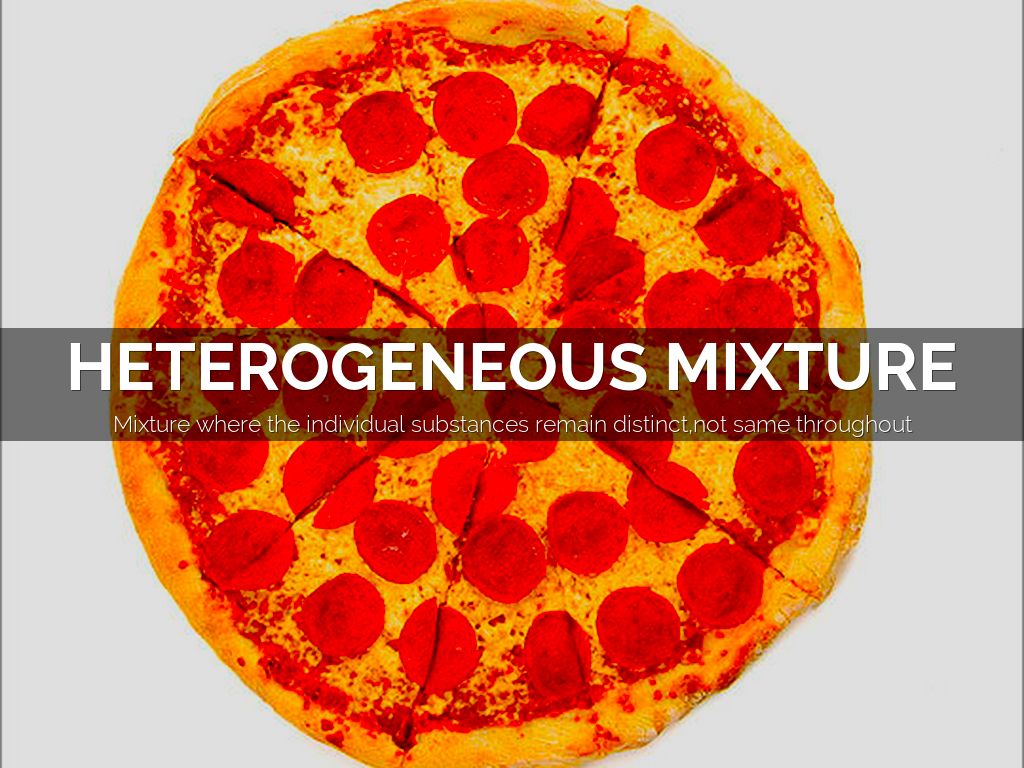
What does it mean if a mixture is heterogeneous?
a)
you can see the different parts
b)
cannot tell one part from another
c)
very well blended
d)
made of elements
97.
What does it mean if a mixture is homogeneous?
a)
you can see the different parts
b)
cannot tell one part from another
c)
chunks of particles
d)
made of elements
98.
What type of mixture is this?
a)
heterogeneous 
b)
homogeneous
99.
What type of mixture is this?
a)
heterogeneous 
b)
homogeneous
100.
What type of mixture is this?
a)
heterogeneous 
b)
homogeneous
101.
Which list is made of mixtures?
a)
soil, water, soup
b)
carbon dioxide, soil, soup
c)
salt, water, air
d)
atoms, cereal, pizza
102.
What is the Law of Conservation of mass?
a)
Mass is created in a chemical reaction
b)
Mass is created in a physical change
c)
New chemicals formed from a chemical reaction have a larger overall mass than the original reactants
d)
Mass is never created or destroyed
103.
Matter can not be created nor destroyed: it can only be
a)
Destroyed a little bit
b)
Invisible
c)
Transformed, changed
d)
None of the above
104.
Students react baking soda & vinegar.
Which of the following would provide the evidence that the number of atoms present before a chemical reaction is equal to the number of atoms present after the chemical reaction?
a)
The mass of the plastic bag, baking soda, and vinegar before the reaction was equal to the mass after the reaction.
b)
Bubbles were produced during the reaction, which meant that a gas was being produced.
c)
The plastic bag did not change in any way, indicating that it was not involved in the reaction.
d)
The mass of the baking soda was exactly equal to the mass of the vinegar used to create the chemical reaction.
105.

Suppose a reaction were to happen in an open container in a lab. During the reaction, the scientist observes the chemicals bubble, and produce a gas. During the analysis the scientist notices that the reactants weighed 20 g when he started, and the product weighed 18 g. Explain what happened.

a)

His chemical reaction defied the law of conservation of mass

b)

The product destroyed mass during the reaction

c)

The reactants created matter during the reaction

d)

The gas that was produced was not able to be weighed since the container was open.

106.
What two ways can energy be measured?
a)
Work and Noise
b)
Heat and Work
c)
Heat and Noise
d)
Work and Motion
107.
What is Work?
a)
When a Force acts to cause something to move
b)
Anything you have to do that you don't enjoy
c)
A job where you get paid
d)
A science term for energy
108.
Which organelle performs PHOTOSYNTHESIS?
a)
Chloroplast
b)
Mitochondria
109.
What process occurs when light energy is captured in autotrophs and converted into sugar?
a)
Photosynthesis
b)
Cellular Respiration
110.
What is the ultimate ORIGINAL source of energy for living things
a)
Sugar
b)
Sun
c)
Moon
d)
Carbon Dioxide
111.
Which organisms perform Photosynthesis?
a)
Only Autotrophs
b)
Only Heterotrophs
c)
Autotrophs and Heterotrophs
112.
Which gas is removed from the atmosphere during photosynthesis?
a)
hydrogen
b)
oxygen
c)
nitrogen
d)
carbon dioxide
113.
What are the products of photosynthesis?
a)
water and carbon dioxide
b)
oxygen and glucose
c)
oxygen and carbon dioxide
d)
oxygen and water
114.
Leaves look green because.....
a)
they eat their vegetables
b)
to blend into their environment
c)
they contain a molecule named chlorophyll
d)
they are sick
115.
The reactants of photosynthesis are
a)
sugar and water.
b)
sugar and oxygen.
c)
carbon dioxide and water.
d)
carbon dioxide and oxygen.
116.
All living things do which of the following?
a)
Chemosynthesis
b)
Respiration
c)
photosynthesis
d)
all of the answers
117.
What is one of the reactants of cellular respiration?
a)
energy
b)
glucose
c)
carbon dioxide
d)
water
118.
What are the products of aerobic respiration?
a)
Glucose and oxygen
b)
Carbon dioxide and water
c)
Lactic acid
d)
Carbon monoxide
119.
In which way are photosynthesis and cellular respiration different?
a)
Cellular respiration stores ATP, while photosynthesis releases ATP.
b)
Cellular respiration produces oxygen, while photosynthesis uses oxygen.
c)
Photosynthesis releases energy, while cellular respiration stores energy.
d)
Photosynthesis used carbon dioxide, while cellular respiration produces carbon dioxide.
120.
Cellular Respiration's goal is to
a)
make water
b)
make ATP
c)
make glucose
d)
make  oxygen
121.
What is cellular respiration?
a)
the breakdown of glucose  to release ATP
b)
the breakdown of glucose to release NADH
c)
the breakdown of glucose to release FADH
d)
the breakdown of glucose to release carbon
122.
A DECOMPOSER
a)
Makes its own energy
b)
Eats other organisms
c)
Eats DEAD organisms
123.
A PLANT is a
a)
Producer
b)
Consumer
c)
Decomposer
124.

What would happen to the bird if the green fish died out?

a)

the bird population would grow

b)

the bird population would die out

c)

the smaller fish will die out

125.

What is the bottom layer of the an energy pyramid?

a)

producer

b)

tertiary consumer

c)

Secondary consumer

d)

primary consumer

126.

What does an energy pyramid show?

a)

Energy flow in a community

b)

Longest lifespans

c)

The stronger animal the higher it is on the pyramid

127.
In the energy pyramid here, which organisms have the most energy available?
a)
Producers
b)
Carnivores
c)
Herbivores
d)
Top Predator
128.
In the energy pyramid below, which organism has the least amount of energy available?
a)
Producers
b)
Herbivores
c)
Carnivores
d)
Top Predator
129.
If these organisms were arranged in a food pyramid, which organism would have the least amount of total energy available?
a)
coyote
b)
insect
c)
lizard
d)
shrub
130.
The largest group of organisms found in a food web would be:
a)
Primary Consumers
b)
Producers
c)
Decomposers
d)
Tertiary Consumers
131.
When humans burn fossil fuels, most of the carbon quickly enters the                       as carbon dioxide.
a)
Water
b)
Atmosphere
c)
Sun
d)
Air
132.
Which one of these does not add CO2 to the atmosphere?
a)
cooking with gas
b)
planting trees
c)
burning wood
d)
riding in a bus
133.
How does the carbon in grass become part of a lion?
a)
The lion eats the grass
b)
Carbon from grass doesn't end up in a lion. 
c)
The carbon ends up in the lion's food chain. 
d)
The lion breathes in carbon given out by the plant
134.
Organisms that do not decompose can be buried and become what?
a)
water
b)
nutrients
c)
air
d)
fossil fuels
135.
If the plant population decreased, the amount of carbon would _________.
a)
Stay the same
b)
Increase
c)
Decrease
136.
Carbon can be found in...?
a)
The atmosphere
b)
Inside of the Earth
c)
Fossil fuels
d)
All of the above!
137.
Which tide occurs when the Sun, Earth, and Moon are at a ninety-degree angle?
a)
Neap tide
b)
Low tide
c)
High tide
d)
Spring tide
138.
Which moon phase is shown in the picture?
a)
New moon
b)
Waxing gibbous
c)
First quarter
d)
Third quarter
139.
One of Earth’s characteristics is that it experiences seasons. Higher temperatures result in summer and lower temperatures result in winter. Why does the Earth experience seasons?
a)
Temperatures on Earth vary from one location to another, causing seasons.
b)
Cloud cover is heavier in the winter, blocking radiation from the Sun and creating seasons.
c)
As Earth revolves around the Sun, the hemisphere that is tilted toward the Sun receives more direct sunlight, causing seasons.
d)
Earth’s orbit around the Sun is elliptical, and Earth is farther from the Sun in winter, resulting in seasons.  
140.
Is the Moon bigger or small than the Earth?
a)
Bigger
b)
Smaller
c)
The same
141.
When the Earth is between the Moon and the Sun, it is most likeky a:
a)
Full Moon
b)
Half Moon
c)
3rd Quarter Moon
142.
The Moon gets its light from the
a)
Earth
b)
Stars
c)
Sun
143.
About how long does it take the Moon to complete it's cycle?
a)
1 week
b)
1 month
c)
1 year
144.
Why does the Moon have different phases?
a)
It follows the Sun around the Earth.
b)
It moves around the Earth.
c)
It moves around the Sun.
145.
What is the correct order of the Moon Phases?
a)
1st Quarter, 3rd Quarter, New, Full
b)
New, 1st Quarter, Full, 3rd Quarter
c)
New, Full 1st Quarter, 3rd Quarter
146.
We can see the light shining on the Moon during the New Moon Phase. 
a)
True
b)
False
147.
How many phases of the moon are there?
a)
eight
b)
four
c)
ten
148.
What part of the moon do we see from Earth?
a)
all of it
b)
the same side
c)
none of it
d)
only one quarter
149.
As the moon's shape appears to get smaller, we say that the moon is _.
a)
swelling
b)
waxing
c)
waning
d)
disappearing
150.
Phases of the moon in which the moon appears to be getting larger are referred to as _.
a)
waxing
b)
waning
c)
new
d)
eclipse
151.
What causes the Earth's seasons?
a)
The tilt of the Earth's axis
b)
The rotation of the Earth around it's axis
c)
The ocean's tides
d)
The prevailing winds
152.
The Earth rotates around it's axis every...
a)
12 hours
b)
365 days
c)
24 hours
d)
366 days
153.
Rotation means to...
a)
Dance
b)
Go around something
c)
Spin
d)
Stop
154.
The path that the Earth takes around the Sun is called...
a)
An orbit
b)
A walk
c)
A rotation
d)
A path
155.
A solar eclipse only occurs during which moon phase?
a)
1st Quarter
b)
New Moon
c)
Full Moon
d)
3rd Quarter
156.
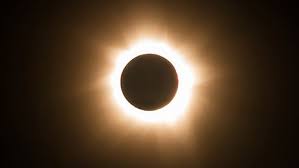
This image is an example of
a)
Lunar Eclipse
b)
Full Moon
c)
New Moon
d)
Solar Eclipse
157.
A lunar eclipse only occurs during which moon phase?
a)
New Moon
b)
3rd Quarter
c)
Full Moon
d)
1st Quarter
158.
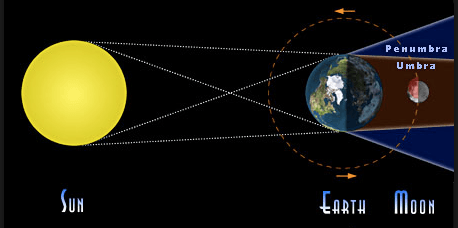
This image is an example of 
a)
Lunar Eclipse
b)
New Moon
c)
Solar Eclipse
d)
Full Moon
159.
During a solar eclipse...
a)
The sun is blocked by the moon
b)
The Earth is blocked moon
c)
The moon is blocked by the sun
d)
You are blocked
160.
What is the darkest inner part of the shadow cone called, where a total eclipse can be viewed.
a)
Total
b)
Umbra
c)
Penumbra
161.
What do we call the sun's outer atmosphere that you see during a solar eclipse?
a)
an umbra
b)
the corona
c)
a penumbra
d)
a shadow
162.
There are two sections of a shadow. Which one is the lighter, outer shadow?
a)
umbra
b)
lumbar
c)
penumbra
d)
annular
163.
During a lunar eclipse, what color does the moon appear?
a)
Black
b)
Red-orange
c)
Yellow-green
d)
White
164.
A solar eclipse only happens during a ________ moon.
a)
New
b)
Cresent
c)
Gibbous
d)
Full
165.
Which type of eclipse is shown in this picture?
a)
Solar Eclipse
b)
Orbit
c)
Lunar Eclipse
d)
Total Eclipse
166.
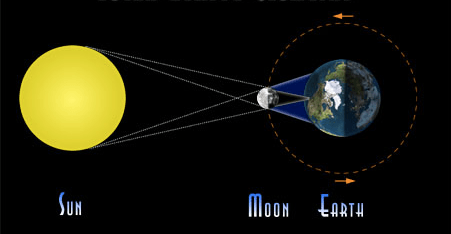
Which type of eclipse is shown in the diagram?
a)
Solar Eclipse
b)
Lunar Eclipse
c)
Total Eclipse
d)
Partial Eclipse
167.
Differences in the moon's and sun's pull on different sides of the Earth cause _________.
a)
gravity
b)
lunar phases
c)
tides
d)
dabbing
168.
A[n] ___________ tide occurs when the sun, Earth, and the moon are nearly in a line. 
a)
spring
b)
high
c)
low
d)
neap
169.
The bulge of water on the side of the Earth closest to the moon produces ___________.
a)
high tide
b)
low tide
c)
neap tide
d)
spring tide
170.
Tides are the cycle of rising and falling ocean water that repeats automatically every
a)
24 hours
b)
12.5 hours
c)
25 hours
d)
6.25 hours
171.
Which body has the greater effect on Earth's tides?
a)
Sun
b)
Saturn
c)
Moon 
d)
Venus
172.
You visited the beach at 12 pm (noon) and it is high tide. If you return 6 hours later what tide will you see? 
a)
high 
b)
low 
c)
none
d)
spring 
173.
How would you use tide and tidal range in the same sentence?
a)
A tidal range is a difference between the levels of ocean water at high and low tide.
b)
Both are descriptions of hwo water rises and falls.
174.
Earth and the other planets closest to the Sun are made mostly of _______
a)
gas
b)
metal
c)
water
d)
rock
175.
The moon is a natural  ______ of Earth.
a)
comet
b)
axis
c)
satellite
d)
space probe
176.
One full orbit of an object around another object is called a ________.
a)
axis
b)
rotation
c)
revolution
d)
satellite
177.
Which color star has medium temperature?
a)
Bluish-White
b)
Yellow
c)
Reddish-Orange
178.
Besides changing the distance between objects how else can we change the force of gravity?
a)
Change their atmosphere
b)
Change their rotation
c)
Change their mass
d)
Change their volume
179.
Which is the largest object in our solar system?
a)
Sun
b)
Jupiter
c)
Earth
d)
Pluto
180.
A small object that appears as a streak of light as it enters earth's atmosphere.
a)
Asteroid
b)
Comet
c)
Moon
d)
Meteor
181.
How does changing the distance between objects affect the force of gravity?
a)
Decreasing distance increases gravity
b)
increasing distance increases gravity 
c)
Distance does not affect gravity
182.
Which planet is the hottest planet?
a)
Mercury
b)
Mars
c)
Venus
d)
Saturn
191.
People used to think that Earth was the center if the solar system, They thought everything orbited around it. They called this the _________ model.
a)
Geocentric
b)
Earth First
c)
Egocentric
d)
Solarology
184.
How does changing the mass of objects affect the force of gravity?
a)
Increasing mass will decrease gravity
b)
Decreasing mass will increase gravity
c)
Mass will not affect gravity
d)
Increasing mass increases gravity
185.
What holds the moon, the planets, and all other objects in orbit around the sun?
a)
ocean tides
b)
magnetism
c)
gravity
d)
the sun's heat and light
186.
which model of the solar system has the sun in the center with all of the planets orbiting it?
a)
heliocentric
b)
geocentric
187.
Which type of technology would you use to see far away objects?
a)
computer
b)
rover
c)
satellite
d)
telescope
188.
which technology would you use to collect rock samples from a nearby planet?
a)
computer
b)
rover
c)
satellite
d)
telescope
189.
which technology would you use to analyze data from a NASA mission
a)
computer
b)
rover
c)
satellite
d)
telescope
190.
which of the following is the cause of Mercury having a shorter year than Jupiter
a)
Mercury orbits closer to the sun
b)
Mercurys orbit is more circular than Jupiter
c)
Mercury rotates at a slower speed than Jupiter
d)
Mercury has a more elliptical orbit than Jupiter
191.
People used to think that Earth was the center if the solar system, They thought everything orbited around it. They called this the _________ model.
a)
Geocentric
b)
Earth First
c)
Egocentric
d)
Solarology
192.
What is this
a)
Prominice
b)
sun spot
c)
core
d)
Earth
193.

What are sunspots?

a)

Areas that are colder on the sun and less magnetic

b)

areas that are colder and more magnetic

c)

areas that are warmer on the sun and less magnetic

d)

areas that are warmer and more magnetic

194.

What is a prominence?

a)

A wave of electrons blown into space

b)

A really cool dark spot on the sun

c)

A really cool loop on the sun

d)

Never heard of a prominence

195.

What is a solar flare?

a)

Electrically charged particles that flare out of a sunspot

b)

Electrically charged particles that form a loop

c)

Electrically charged particles that are inside the sun

196.

Solar winds are caused by what?

a)

electrically charged particles making a loop

b)

electrically charged particles that flare from the surface

c)

electrically charged particles that blow through space

d)

its what the sun is made of

197.

How do solar winds affect earth?

a)

Causes disturbances in communication and navigation systems

b)

causes harm to satillites

c)

causes auroras

d)

all of the above

198.

What is this a picture of?

a)

Solar prominence

b)

Solar winds

c)

Sunspot

d)

Rainbow

199.
Which star is considered a Main Sequence Star?
a)
A
b)
B
c)
C
d)
D
200.
What type of galaxy is this?
a)
Spiral
b)
Elliptical
c)
Irregular 
d)
Irrational
201.
Does this picture represent a waxing or waning moon?
a)
waxing 
b)
waning
202.
What season is the Southern Hemisphere in at position 1?
a)
Winter
b)
Spring
c)
Summer
d)
Fall
203.
A light year is...
a)
The speed light travels
b)
How long it takes light to get to you from the sun
c)
The distance light can travel in a year
d)
How many years it takes light to be emitted