
NEW
Font size
S
M
L
XL
 Worksheets
Unit 6 Matter Review
Total questions: 42
Worksheet time: 43mins
Name
Class
Date
1.
What are the three states of matter?
a)
solid, volume, mass
b)
density, volume, mass
c)
solid, liquid, gas
d)
density, gas, volume
2.

The horizontal row on the periodic table is called a
a)
group
b)
family
c)
period
d)
atomic number
3.

A vertical column is called...
a)
group
b)
tower
c)
period
d)
crew
4.
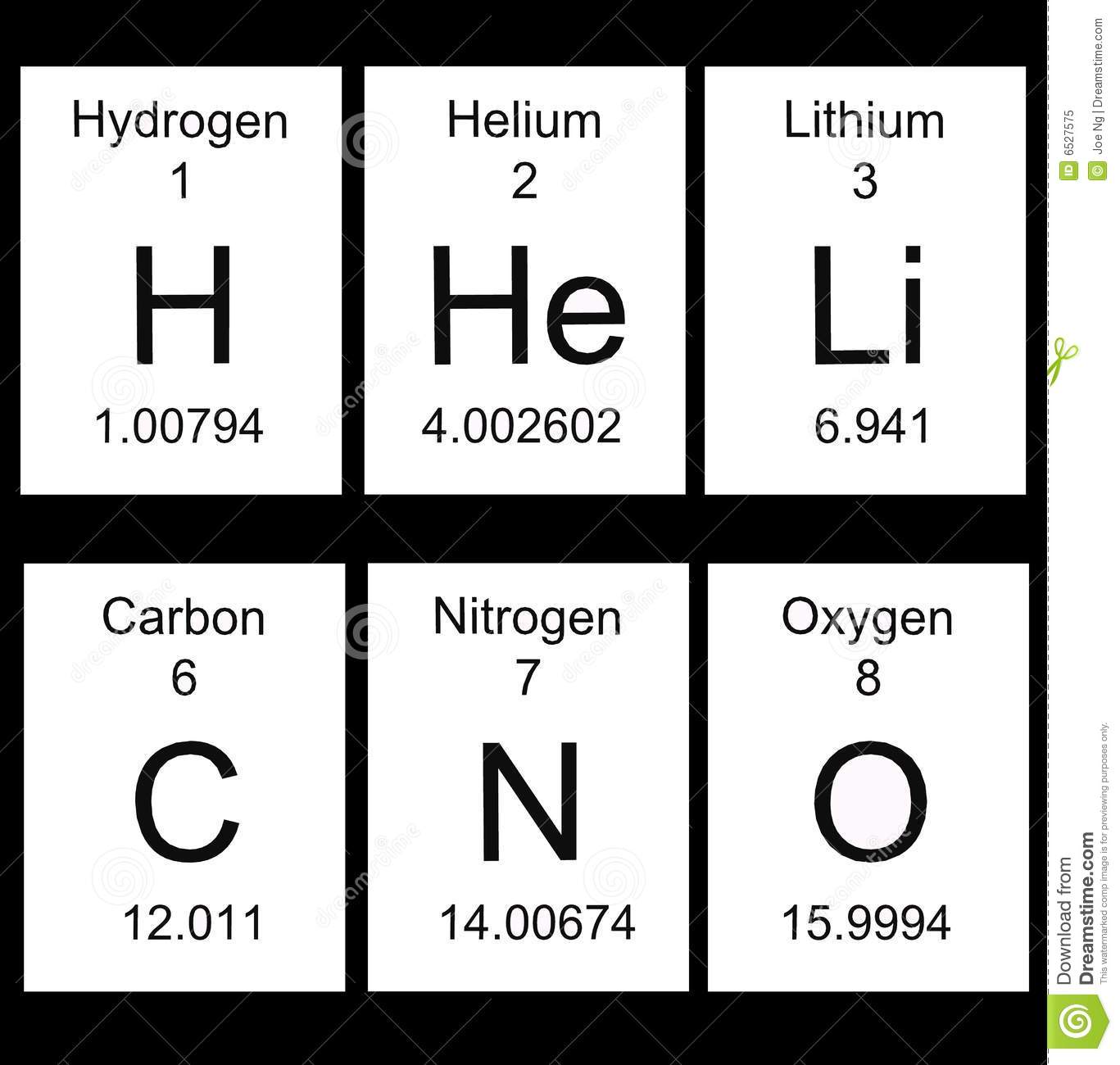
The number at the bottom of each square on the periodic table is the ...
a)
atomic number
b)
atomic mass
c)
chemical symbol
d)
element name
5.
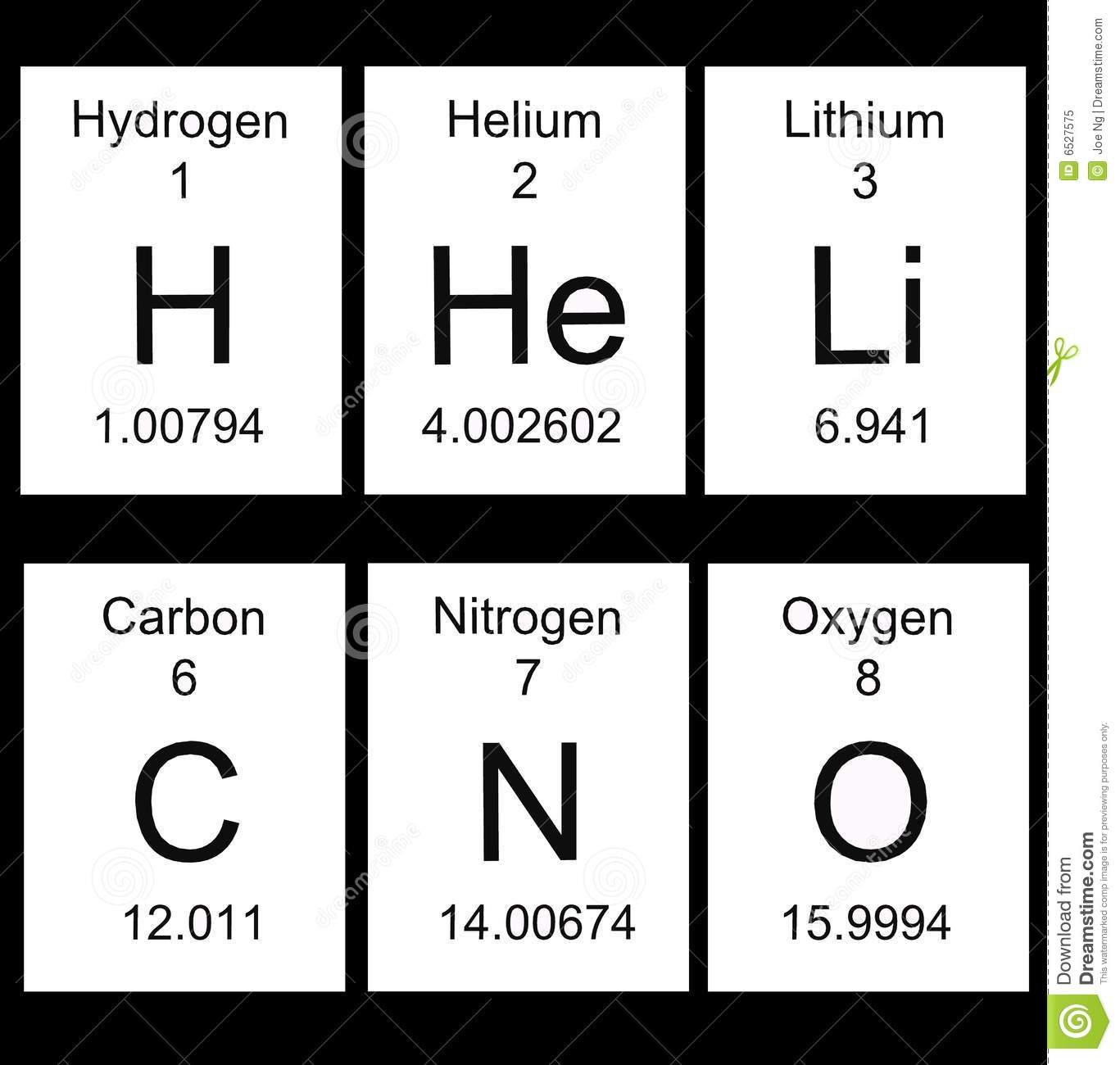
The number at the top of each square on the periodic table is the ...
a)
atomic number
b)
atomic mass
c)
Chemical Symbol
d)
Element Name
6.
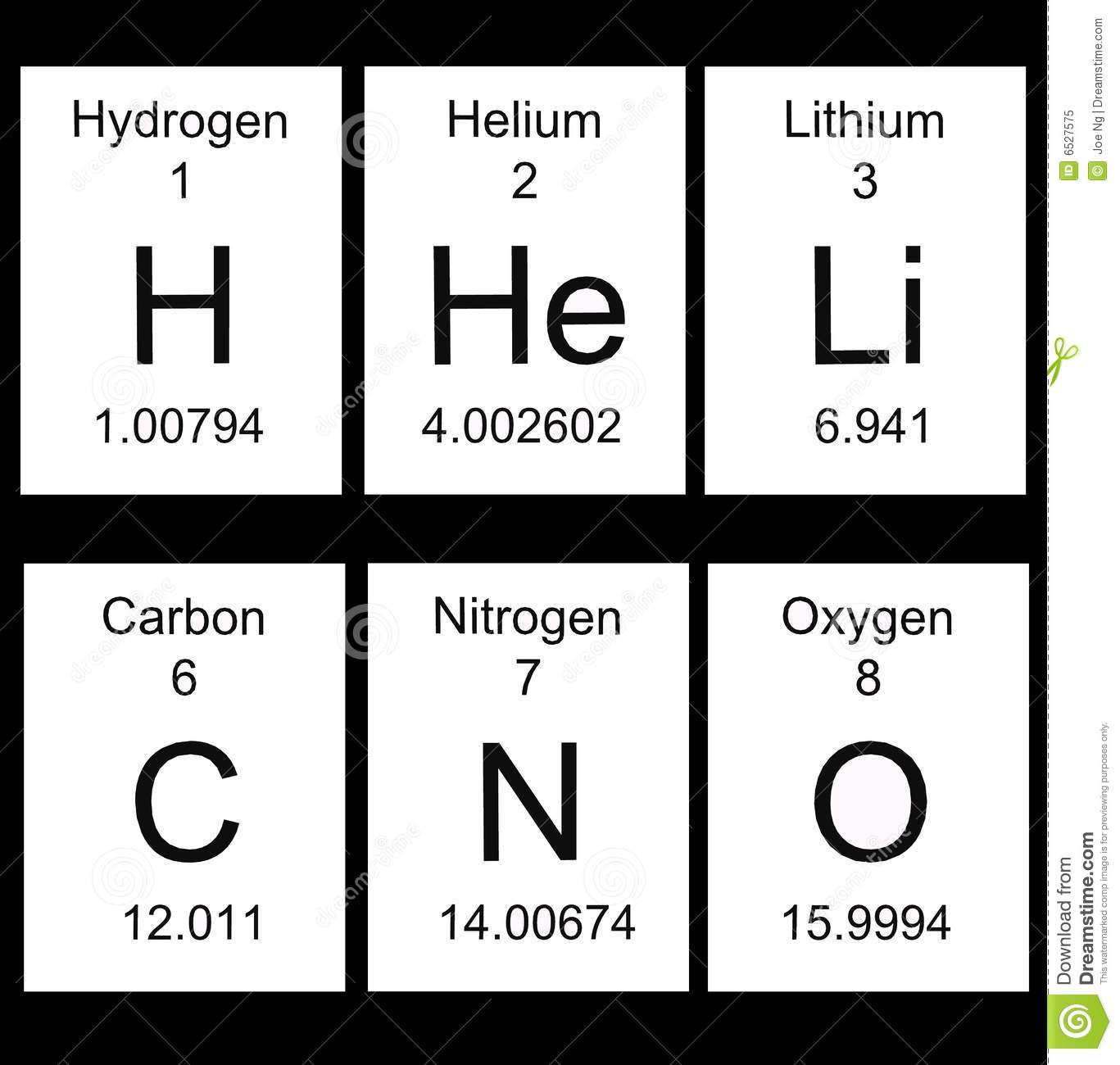
What is the chemical symbol for Lithium?
a)
H
b)
He
c)
Li
d)
N
7.
The atomic number tells you what?
a)
number of electrons
b)
number of protons
c)
number of neutrons
d)
both electrons and protons in an atom.
8.
Elements which are shiny, conduct electricity and heat are called
a)
metal
b)
nonmetal
c)
metalloid
d)
nonexistent
9.
Which is a halogen?
a)
Helium
b)
Chlorine
c)
Oxygen
d)
Neptune
10.
Which is an alkali metal?
a)
Magnesium
b)
Iron
c)
Sodium
d)
Europium
11.
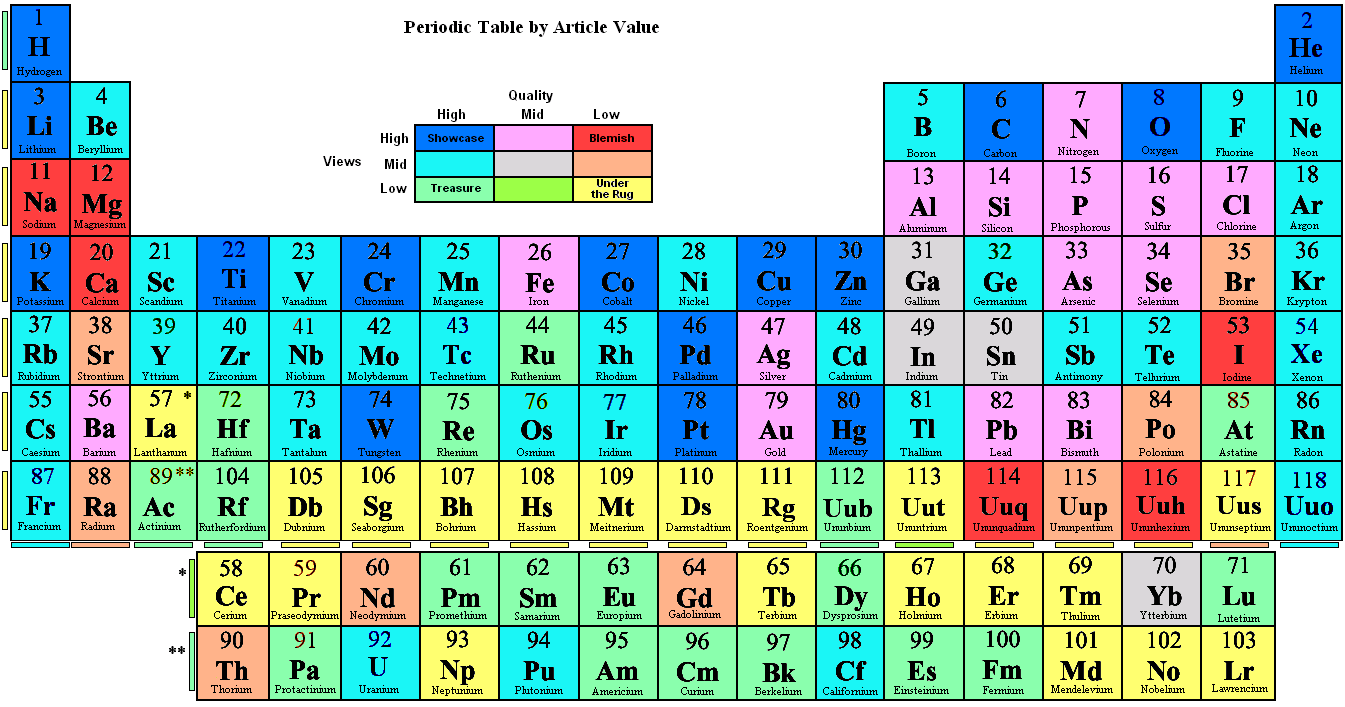
The period for Bromine is ___________.
a)
3
b)
2
c)
4
12.
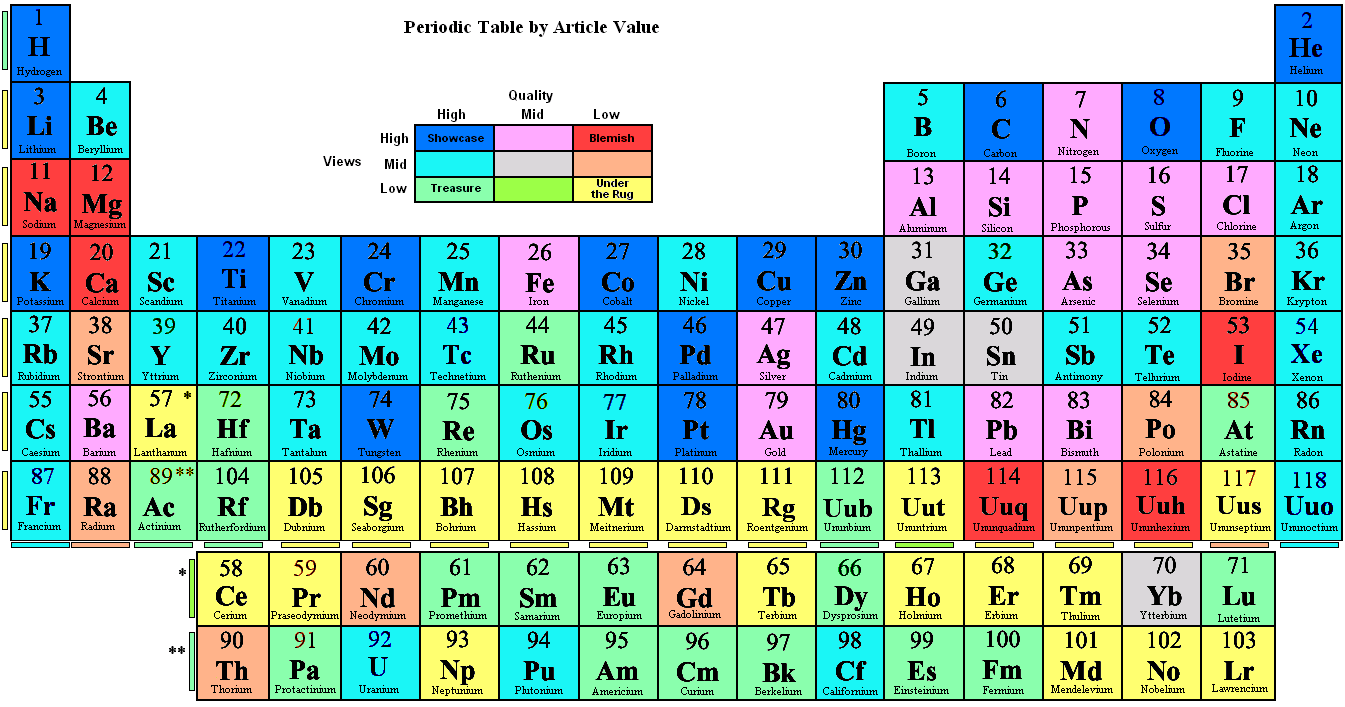
Beryllium is in group number______.
a)
Group 2
b)
Group 3
c)
Group 4
d)
Group 7
13.
What period and group is Silver (Ag)?
a)
Period 2, Group 1
b)
Period 3, Group 16
c)
Period 5, Group 11
d)
Period 2, 14
14.

What element is represented in this Bohr Model?
a)
Carbon
b)
Hydrogen
c)
Aluminum
d)
Lithium
15.

What atom is shown in this picture?
a)
Hydrogen
b)
Helium
c)
Lithium
d)
Beryllium
16.

Which is an electron?
a)
A
b)
B
c)
C
17.
What element has the atomic # 6
a)
Carbon
b)
Oxygen
c)
Nitrogen
d)
Boron
18.
The atomic # for Boron is
a)
7
b)
8
c)
9
d)
5
19.

What is the name of this element?
a)
Helium
b)
Hydrogen
c)
Argon
d)
Silver
20.

What is the name of this element?
a)
Lithium
b)
Boron
c)
Carbon
d)
Neon
21.
Shape is a ____ that helps identify an object.
a)
physical property
b)
chemical property
c)
mass
d)
matter
22.
Example for Physical property
a)
Odor
b)
burns in air
23.

This is testing ___________
a)
relative density
b)
solubility
c)
mass
d)
conductivity
24.

The water is ______ dense than the boat
a)
more
b)
less
25.

The blue ball has ________ mass than the red one.
a)
less
b)
more
26.

Which of the following is a physical property of vinegar (acetic acid)?
a)
The liquid is dark and cloudy
b)
The powder is blue
c)
The white powder can rust
d)
The liquid is clear and has a strong odor
27.

Which physical property is being shown here?
a)
corrosion
b)
conductivity
c)
ductility
d)
malleability
28.

What property of matter do the following items have in common?
a)
size
b)
color
c)
textrue
d)
mass
29.

What is a characteristic that tells how the outside of an object looks when light shines on it?
a)
luster
b)
chemical property
c)
texture
d)
density
30.

What is the term for how an object feels?
a)
luster
b)
chemical property
c)
texture
d)
density
31.

Which item has the greatest density?
a)
a rock
b)
a feather
c)
a cotton ball
d)
a flower
32.

When you look at a glass, you see that it is smooth and clear. What are you observing?
a)
chemical properties
b)
density
c)
volume
d)
physical properties
33.

Which has a rough texture?
a)
marshmallows
b)
rocks
c)
plastic toys
d)
chairs
34.
What sentence tells you what the paragraph is about?
a)
Concluding sentence
b)
Topic sentence
c)
Examples
d)
Explaining the point further
35.
What would be the best topic sentence for this paragraph?
Last week it rained every day, except for Friday afternoon. Every time I go out, I have to carry my umbrella with me because I don't want to get soaked. I wonder whether it's got anything to do with global warming?
Last week it rained every day, except for Friday afternoon. Every time I go out, I have to carry my umbrella with me because I don't want to get soaked. I wonder whether it's got anything to do with global warming?
a)
Global warming is real.
b)
Umbrellas are useful.
c)
Fridays are the best day.
d)
It has rained so much recently.
36.
What would be the best topic sentence?
Water spilled onto the road and towards the store. Trolleys were stood in 10 cms of water and sandbags were used to block doorways. Luckily, not much damage was caused.
Water spilled onto the road and towards the store. Trolleys were stood in 10 cms of water and sandbags were used to block doorways. Luckily, not much damage was caused.
a)
Ducks and swans enjoyed the rain.
b)
The weather was really hot last week.
c)
Tesco's was forced to close its doors to customers as flood water rose.
d)
Tesco's stocks ruined by rain.
37.
What is a paragraph?
a)
Made up of only one sentence.
b)
A series of sentences that talk about a specific subject.
c)
A series of sentences that talk about various subjects.
d)
A series of paragraphs about one main idea, or point.
38.
What is a topic sentence?
a)
A sentence with signal words that increase effectiveness of organization.
b)
A way to conclude the paragraph so the reader knows what the entire paragraph was about.
c)
Reasons, examples, and other details that support the main point of the paragraph.
d)
The sentence that expresses the main point, or idea, of a paragraph.
39.
Read and decide the reason the author made a new paragraph.
Frogs and toads are alike in many ways. They’re both amphibians and are born in water. Similarly, frogs and toads hatch from eggs and when they’re young they both have gills. Frogs and toads are also both vertebrates. This means that they both have a backbone. Finally, frogs and toads both use jumping as a way of escaping danger.
Although frogs and toads have many similarities, they are also different in a number of ways. First of all, frogs have webbed feet while toads have separated toes. Second, frogs and toads have different skin types. Toads have rough, bumpy skin, unlike frogs who have smooth, slimy skin. Finally, some toads live underground in deserts, whereas frogs live in wetlands.
Frogs and toads are alike in many ways. They’re both amphibians and are born in water. Similarly, frogs and toads hatch from eggs and when they’re young they both have gills. Frogs and toads are also both vertebrates. This means that they both have a backbone. Finally, frogs and toads both use jumping as a way of escaping danger.
Although frogs and toads have many similarities, they are also different in a number of ways. First of all, frogs have webbed feet while toads have separated toes. Second, frogs and toads have different skin types. Toads have rough, bumpy skin, unlike frogs who have smooth, slimy skin. Finally, some toads live underground in deserts, whereas frogs live in wetlands.
a)
New speaker
b)
New setting
c)
New topic
d)
Change of time
40.
Why did the author make a second paragraph?
Inside your nose, there are hundreds of tiny hairs. These hairs filter the air you breathe. Sometimes dust and pollen find their way through these hairs and bother your nasal passages. The nerves in the lining of your nose tell your brain that something is invading your body.
Your brain, lungs, nose, mouth, and the muscles of your upper body work together to blow away the invaders with a sneeze. When you sneeze, germs from your nose get blown into the air. Using a tissue or “sneezing into your sleeve” captures most of these germs. It is very important to wash your hands after you sneeze into them, especially during cold and flu season.
Inside your nose, there are hundreds of tiny hairs. These hairs filter the air you breathe. Sometimes dust and pollen find their way through these hairs and bother your nasal passages. The nerves in the lining of your nose tell your brain that something is invading your body.
Your brain, lungs, nose, mouth, and the muscles of your upper body work together to blow away the invaders with a sneeze. When you sneeze, germs from your nose get blown into the air. Using a tissue or “sneezing into your sleeve” captures most of these germs. It is very important to wash your hands after you sneeze into them, especially during cold and flu season.
a)
New speaker
b)
New Topic
c)
Change in time
d)
New setting
41.
This shoud be split into two paragraphs. Decide which sentence should START the next paragraph.
Both porpoises and dolphins use echolocation. This means they send out sounds and then listen for the echoes bouncing back. Echolocation helps them find food and escape predators. Both porpoises and dolphins are toothed whales. However, porpoise teeth are shaped differently than dolphin teeth. Dolphins have sharp, cone-shaped teeth, but porpoise teeth are spade-shaped and flatter.
Both porpoises and dolphins use echolocation. This means they send out sounds and then listen for the echoes bouncing back. Echolocation helps them find food and escape predators. Both porpoises and dolphins are toothed whales. However, porpoise teeth are shaped differently than dolphin teeth. Dolphins have sharp, cone-shaped teeth, but porpoise teeth are spade-shaped and flatter.
a)
This means they send out sounds and then listen for the echoes bouncing back.
b)
Both porpoises and dolphins are toothed whales.
c)
However, porpoise teeth are shaped differently than dolphin teeth.
d)
Echolocation helps them find food and escape predators.
42.
What is the last sentence of the paragraph called?
a)
topic sentence
b)
a puppy
c)
details
d)
concluding sentence
Reset

