wayground logo

Free Printable Worksheets

NEW

Font size

S
M
L
XL
Worksheets

Human Body Systems 6th Grade Quiz Master Version

Total questions: 50

Worksheet time: 46mins

Name
Class
Date
1.

Which digestive organ makes digestive juices and a hormone called insulin to help the small intestine absorb nutrients?

a)

Liver

b)

Thyroid

c)

Pancreas

d)

Esophagus

2.
Nutrients from digested food are absorbed in which digestive organ?
a)
Small Intestine
b)
Stomach
c)
Large Intestine
d)
Gallbladder
3.
Which of the following is NOT part of the digestive tract?  (Hint:  Identify the secondary organ.)
a)
Mouth
b)
Esophagus
c)
Small Intestine
d)
Liver
4.

Although it is essential to the process, which of these organ systems does NOT eliminate waste from the human body?

a)

Excretory (Urinary)

b)

Digestive

c)

Circulatory

d)

Respiratory

5.
As waste moves through the digestive system, the ______ absorbs water before storing waste in the rectum.
a)
Small intestine
b)
Stomach
c)
Esophagus
d)
Large intestine
6.
Which is NOT a function of the Digestive System?
a)
To rid the body of solid waste
b)
Absorb nutrients for energy & growth
c)
Break down nutrients from food
d)
Pump blood around the body
7.
What is the top layer of the skin called?
a)
Dermis
b)
Hypodermis
c)
Epidermis
d)
Subcutaneous
8.
What is the largest organ in the human body?
a)
Skin
b)
Hair
c)
Nails
d)
All of the Above 
9.
Which glands of the skin secrete an oily substance which helps keep your skin smooth and soft?
a)
Apocrine sweat glands
b)
merocrine sweat glands
c)
sebaceous glands
d)
none of the choices
10.
Which layer of skin is "A" referring to?
a)
Epidermis
b)
Dermis
c)
Hypodermis
d)
Melanin
11.
This function of the skin allows  the body to retain or lose heat.
a)
body temperature regulation
b)
storage
c)
excretion
d)
absorption
12.
The structure that holds the root of the hair firmly in place.
a)
Hair follicle
b)
Hair shaft
c)
Hypodermis
d)
Sweat pore
13.
Where is the thickest skin found on the body?
a)
Soles of the feet
b)
Palms of the hands
c)
Scalp
d)
Elbows
14.
Which of the following is NOT part of the integumentary system?
a)
Skin
b)
Cartilage 
c)
Nails
d)
Hair
15.
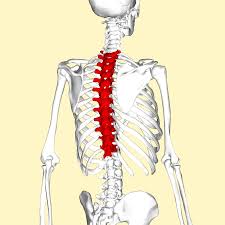
The bones in your back are made up of what?
a)
fingers
b)
phalanges
c)
vertebrate
d)
toes
16.
What is the place where two bones meet?
a)
hinge
b)
bone
c)
spot
d)
joint
17.
What is the name for the connector that attaches muscle to bone?
a)
ligament
b)
tendon
c)
patella
d)
string
18.
What is the name for the connector that attaches bone to bone?
a)
ligament
b)
tendon
c)
patella
d)
string
19.
The adult skeletal system is composed of how many bones?
a)
216
b)
371
c)
206
d)
199
20.
The _________________ gives the body its shape and supports and protects the internal organs.
a)
urinary system
b)
skeletal system
c)
lympthatic/immune system
d)
endocrine system
21.
What are the 3 types of muscle tissue?
a)
Thigh, Calf, & Shoulder
b)
Traps, Forearm, & Abs
c)
Hamstring, Biceps, & Triceps
d)
Smooth Muscle, Cardiac Muscle, & Skeletal Muscle
22.
Which type of muscle is found in your heart?
a)
Skeletal
b)
Smooth
c)
Cardiac
d)
Straight
23.
Which muscles are involuntary?
a)
skeletal
b)
cardiac
c)
smooth
d)
smooth and cardiac
24.
When a muscle contracts, it _______
a)
gets longer
b)
gets shorter
c)
gets thinner
d)
grows hair
25.
The nervous system is composed of the ___, ___, and ___.
a)
heart, brain, kidneys
b)
lungs, liver, stomach
c)
brain, spinal cord, nerves
d)
eyes, pancreas, veins
26.

All parts of the brain control all parts of the body. There are no specialized tissues or structures inside the brain. True or false?

a)

True

b)

False

27.

For a pregnancy to happen, a sperm cell must unite with an egg cell. What is this process called?

a)

fertilization

b)

menstruation

c)

ovulaition

d)

reproduction

28.

Where does a baby grow and develop for approximately 9 months?

a)

stomach

b)

bladder

c)

vagina

d)

uterus

29.

Which organ releases eggs and produces hormones in females?

a)

ovaries

b)

fallopian tube

c)

vagina

d)

uterus

30.

Which organ produces sperm cells and hormones in males?

a)

testes

b)

penis

c)

ovary

d)

prostate gland

31.
The purpose of the endocrine system is to
a)
maintain homeostasis by reacting quickly to stimuli
b)
produce substances that protect the body from bacteria 
c)
maintain metabolism, growth and development in homeostasis 
d)
transport molecules throughout the body
32.

Like all other body systems, the immune system helps the body maintain homeostasis. Which statement best describes how the immune system does this?

a)

it protects other organs and tissues from infection and disease

b)

it breaks down food to provide cells with nutrients

c)

it gathers information through the senses and controls all other body systems

d)

it transports oxygen and carbon dioxide

33.
Which system acts as a barrier from the sun and helps regulate body temperature?
a)
integumentary
b)
muscular
c)
digestive
d)
circulatory
34.
This system transports oxygen and nutrients around the body.
a)
circulatory
b)
respiratory
c)
skeletal
d)
digestive
35.
This system supports the body and protects vital organs.
a)
skeletal
b)
muscular
c)
circulatory
d)
nervous
36.
This system sends chemical messagengers (hormones) that regulate growth, development, and metabolism.
a)
endocrine
b)
nervous
c)
immune
d)
skeletal
37.
Which system sends electrical messages that helps control the body's responses to internal and external changes?
a)
nervous
b)
endocrine
c)
reproductive
d)
integumentary
38.
Lungs are the primary organs of this system.
a)
muscular system
b)
nervous system
c)
circulatory system
d)
respiratory system
39.
What two systems work together to provide the cells with glucose?
a)
circulatory and respiratory
b)
digestive and resoiraory
c)
digestive and circulatory
d)
skeletal and muscular
40.
What two systems work together to supply the body with oxygen?
a)
respiratory and muscular
b)
respiratory and circulatory
c)
circulatory and digestive
d)
muscular and digestive
41.
Which example best shows structures that make up the digestive system in the human body? 
a)
Lungs, Heart, Arteries
b)
Brain, Spinal Cord, Nerves
c)
Stomach, Intestines, Esophagus
d)
Nose, Lungs
42.
What is included in the nervous system?
a)
Heart
b)
Skin
c)
Brain
d)
Lungs
43.
What is the function of the digestive system?
a)
Helps different parts of the body to move
b)
Carries digested food, water and oxygen in the blood to all parts of the body
c)
Carries waste materials away from different parts of the body
d)
Breaks down food into simple substances
44.

Excess liquid from digested food is absorbed in which digestive organ?

a)

Small Intestine

b)

Stomach

c)

Large Intestine

d)

Gallbladder

45.

Which organ system is this?

a)

circulatory system

b)

digestive system

c)

excretory system

d)

nervous system

46.

Which organ system is this?

a)

circulatory system

b)

digestive system

c)

excretory system

d)

nervous system

47.

The integumentary system does not include...

a)

Hair

b)

Skin

c)

Nails

d)

Liver

48.
Our bodies try to maintain a constant temperature of about:
a)
100 °F
b)
98.6 °F
c)
75 °F
d)
20 °F
49.

Which lists the organs of the excretory (or urinary) system in their correct order from the creation of urine to its expulsion from the body?

a)

ureter, bladder, urethra, kidney

b)

kidney, ureter, bladder, urethra

c)

kidney, ureter, urethra, bladder

d)

kidney, urethra, bladder, ureter

50.

Which lists the organs of the digestive system in their correct order from beginning to end?

a)

mouth, esophagus, stomach, small intestine, large intestine, rectum, anus

b)

mouth, esophagus, small intestine, stomach, large intestine, rectum, anus

c)

mouth, esophagus, large intestine, small intestine, rectum, stomach, anus

d)

esophagus, mouth, stomach, small intestine, large intestine, anus, rectum