
 Worksheets
Semester 2 8th Gd Final
Total questions: 77
Worksheet time: 1hrs 14mins
Name
Class
Date
1.
The positive particles of an atom are
a)
electrons
b)
positrons
c)
neutrons
d)
protons
2.
the central region of an atom where its neutrons and protons are is its
a)
nucleus
b)
electron cloud
c)
core
d)
center
3.
an atom with atomic number 6 would have how many protons
a)
6
b)
12
c)
3
d)
cannot be determined
4.
Particles in an atom that are neutral and have no charge are
a)
negatrons
b)
electrons
c)
neutrons
d)
protons
5.
True or False? Neutrons have a negative charge
a)
True
b)
False
6.
A particle that moves around the nucleus is a(n)...
a)
Proton
b)
Neutron
c)
Electron
d)
Quark
7.
In the modern periodic table elements are arranged by:
a)
atomic mass
b)
atomic number
c)
valence electrons
d)
number of isotopes
8.

What does the 1.00794 stand for?
a)
Hydrogen
b)
atomic number
c)
atomic mass
d)
atomic explosion
9.
If an atom has 3 electrons, how many protons does it have?
a)
1
b)
2
c)
4
d)
3
10.
What is the mass number?
a)
the number of protons
b)
the number of protons and neutrons
c)
the number of neutrons
d)
the number of protons and electrons
11.

Beryllium has how many protons?
a)
4
b)
9.0122
c)
2
d)
13.0122
12.
a)
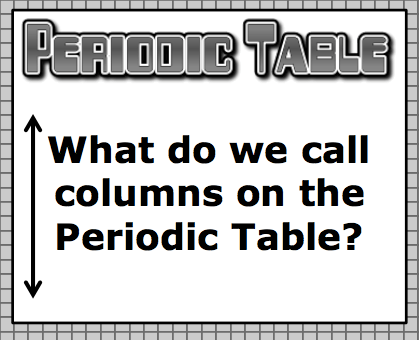
Periods
b)
Groups
13.
a)
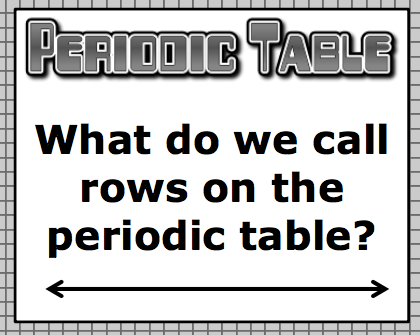
Periods
b)
Groups
14.

a)
energy levels
b)
valence electrons
c)
protons
d)
neutrons
15.
a)
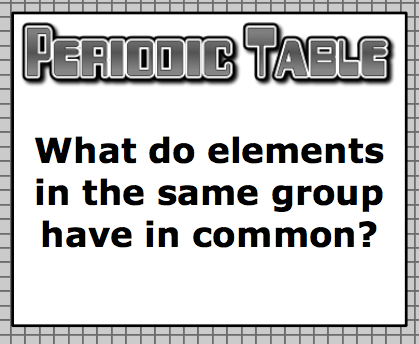
energy levels
b)
valence electrons
c)
protons
d)
neutrons
16.
a)
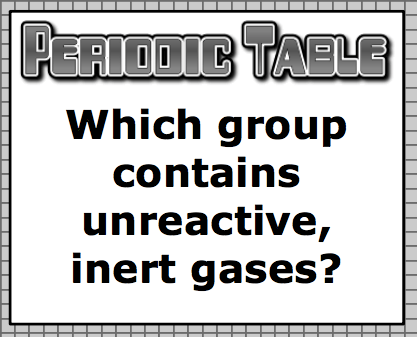
Group 1
b)
Group 17
c)
Group 2
d)
Group 18
17.
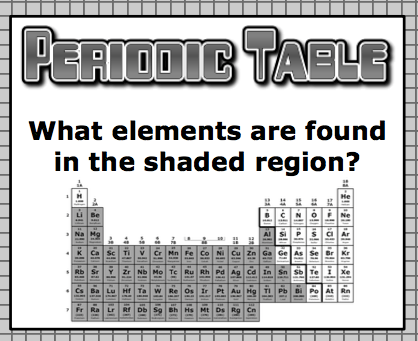
a)
Metals
b)
Nonmetals
c)
Metalloids
18.
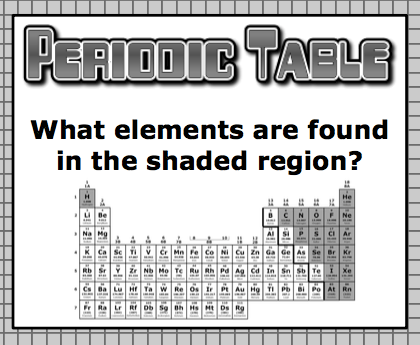
a)
Metals
b)
Nonmetals
c)
Metalloids
19.
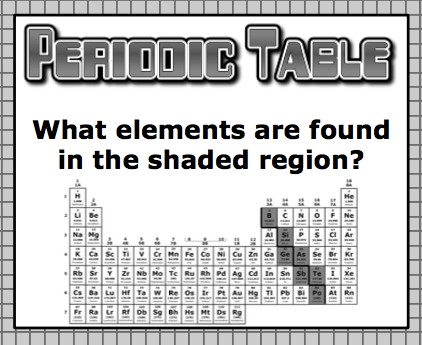
a)
Metals
b)
Nonmetals
c)
Metalloids
20.
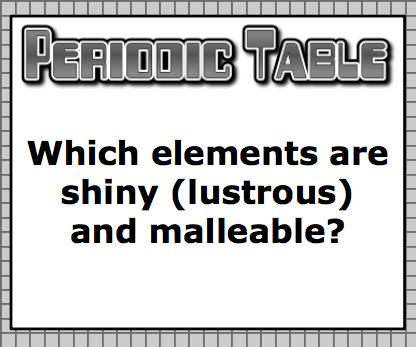
a)
Metals
b)
Nonmetals
c)
Metalloids
21.
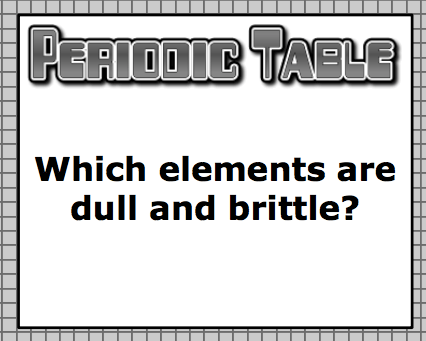
a)
Metals
b)
Nonmetals
c)
Metalloids
22.
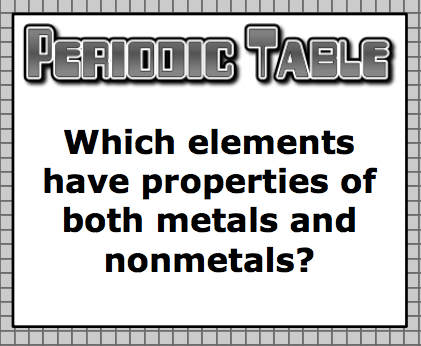
a)
Metals
b)
Nonmetals
c)
Metalloids
23.
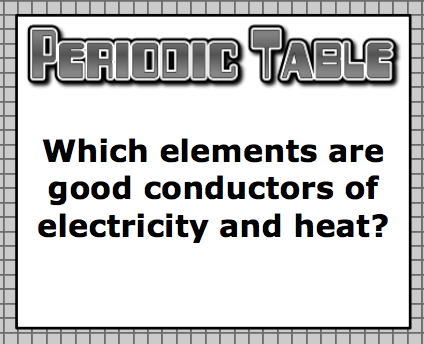
a)
Metals
b)
Nonmetals
c)
Metalloids
24.
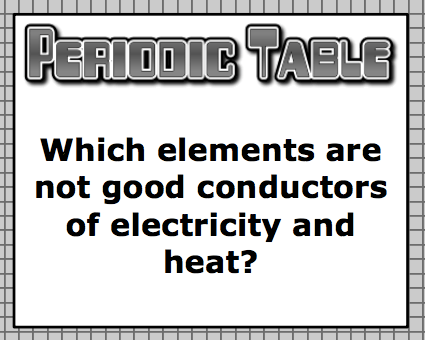
a)
Metals
b)
Nonmetals
c)
Metalloids
25.
Which elements have the most similar chemical properties?
a)
K and Na
b)
K and Ca
c)
K and Cl
d)
K and S
26.
Combination of two or more pure substances that are not chemically combined
a)
compound
b)
atom
c)
mixture
d)
element
27.
A pure substance that cannot be broken down into other substances by chemical or physical means.
a)
compound
b)
atom
c)
mixture
d)
element
28.
A mixture that is uniform and well mixed is _____.
a)
homogeneous
b)
hetergeneous
c)
pure substance
d)
compoud
29.
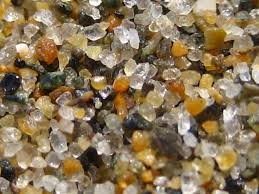
The picture shown here is what type of mixture?
a)
homogeneous
b)
hetergeneous
c)
pure substance
d)
element
30.
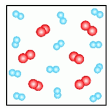
This diagram represents a _____.
a)
pure substance that is a compound
b)
mixture of elements
c)
pure substance that is an element
d)
mixture of compounds
31.

This diagram represents a _____.
a)
pure substance that is a compound
b)
mixture of elements
c)
pure substance that is an element
d)
mixture of compounds
32.
Water is
a)
a pure substance
b)
a mixture
33.
You are eating a pizza. What type of mixture are you consuming?
a)
homogeneous
b)
heterogeneous
c)
pure substance
d)
The Periodic Table
34.
Formed when atoms are joined together by a chemical bond.
a)
mixture
b)
molecules
c)
electron cloud
35.
DIFFERENT kinds of atoms chemically combined to form a substance are
a)
Mixture
b)
Element
c)
Compound
d)
Substance
36.
CaCl2
a)
Pure Substance & Element
b)
Pure Substance & Compound
c)
Mixture & Homogenous
d)
Mixture & Heterogenous
37.
Carbon
a)
Pure Substance & Element
b)
Pure Substance & Compound
c)
Mixture & Homogenous
d)
Mixture & Heterogenous
38.
Chocolate chip cookie
a)
Pure Substance & Element
b)
Pure Substance & Compound
c)
Mixture & Homogenous
d)
Mixture & Heterogenous
39.

Salt is a(n)
a)
element
b)
compound
c)
mixture
40.

Salt and pepper are a(n)
a)
element
b)
compound
c)
mixture
41.
Which of the following is a mixture?
a)
Sugar
b)
Salt Water
c)
Water
d)
Oxygen
42.
Which of the following is a compound?
a)
Sugar
b)
Salt Water
c)
Salad Dressing
d)
Oxygen
43.
Which of the following is an element?
a)
Sugar
b)
Salt
c)
Water
d)
Oxygen
44.
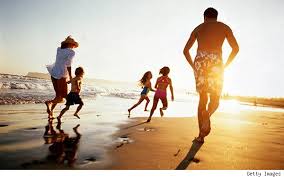
The sun shines down on this family as the play on the beach.
a)
conduction
b)
convection
c)
radiation
45.
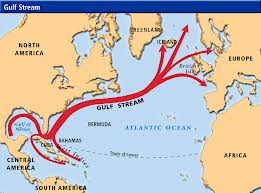
The Gulf Stream is a current that brings warm ocean water from the south to the north.
a)
conduction
b)
convection
c)
radiation
46.

Walking on the warm sand sand with your bare feet.
a)
conduction
b)
convection
c)
radiation
47.
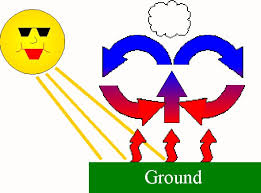
Warm air rises and the cool air sinks.
a)
conduction
b)
convection
c)
radiation
48.
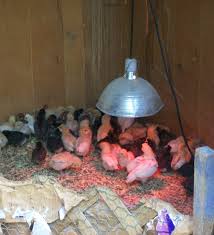
The baby chickens are kept warm from the heat lamps.
a)
conduction
b)
convection
c)
radiation
49.
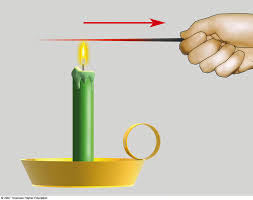
The candle will slowly heat the metal and transfer the heat directly to the mans hand.
a)
conduction
b)
convection
c)
radiation
50.

The chocolate bunny and the iron.
a)
conduction
b)
convection
c)
radiation
51.

The chocolate bunny and the blow dryer.
a)
conduction
b)
convection
c)
radiation
52.

The chocolate bunny and the lamp.
a)
conduction
b)
convection
c)
radiation
53.
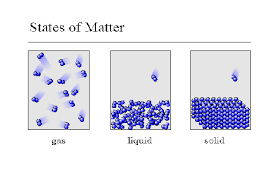
At higher temperatures
a)
particles in an object have less energy
b)
particles in an object move faster
c)
a gas contracts
54.
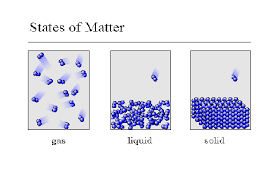
A gas
a)
has a definite shape but no definite volume
b)
has a definite volume but no definite shape
c)
has fast-moving particles
55.
Freezing
a)
Solid to gas
b)
Liquid to solid
c)
Gas to solid
d)
Liquid to gas
56.
Boiling
a)
liquid to gas
b)
gas to solid
c)
gas to liquid
d)
solid to liquid
57.
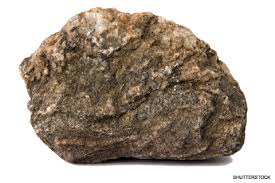
Which state of matter has tightly packed molecules?
a)
solid
b)
liquid
c)
gas
58.
What is happening when my ice cream changes from a solid to a liquid?
a)
freezing
b)
melting
c)
burning
d)
evaporation
59.
Define a liquid.
a)
Indefinite shape, indefinite volume
b)
Definite shape, definite volume
c)
Found in stars
d)
Definite volume, indefinite shape
60.
The state of matter that has no definite size or shape is
a)
Solid
b)
Liquid
c)
Gas
61.
Particles (molecules) in a ______________________ have more energy than the other states of matter.
a)
gas
b)
solid
c)
liquid
62.
Particles of a liquid
a)
are tightly packed together and stay in a fixed position.
b)
have no viscosity.
c)
decrease in volume with increasing temperature.
d)
are free to move around one another but still touch.
63.
What term describes a solid changing to a gas?
a)
Deposition
b)
Sublimation
c)
Evaporation
d)
Freezing
64.
A chemical change
a)
doesn't really change much.
b)
creates a new substance
c)
is a change in the state of matter
65.
A physical change is...
a)
a change that doesn't change the identity
b)
a change that makes something new.
c)
a chemical reaction
66.
Which of the following tells you that a chemical change may have occurred?
a)
Change Shape
b)
Melting
c)
Vaporizing
d)
Change in color
67.
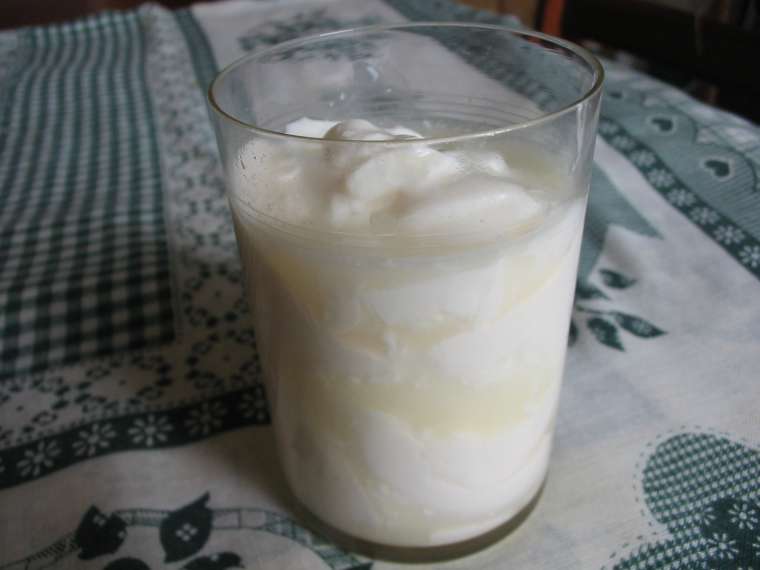
Is milk going sour a physical or chemical change?
a)
Physical
b)
Chemical
68.
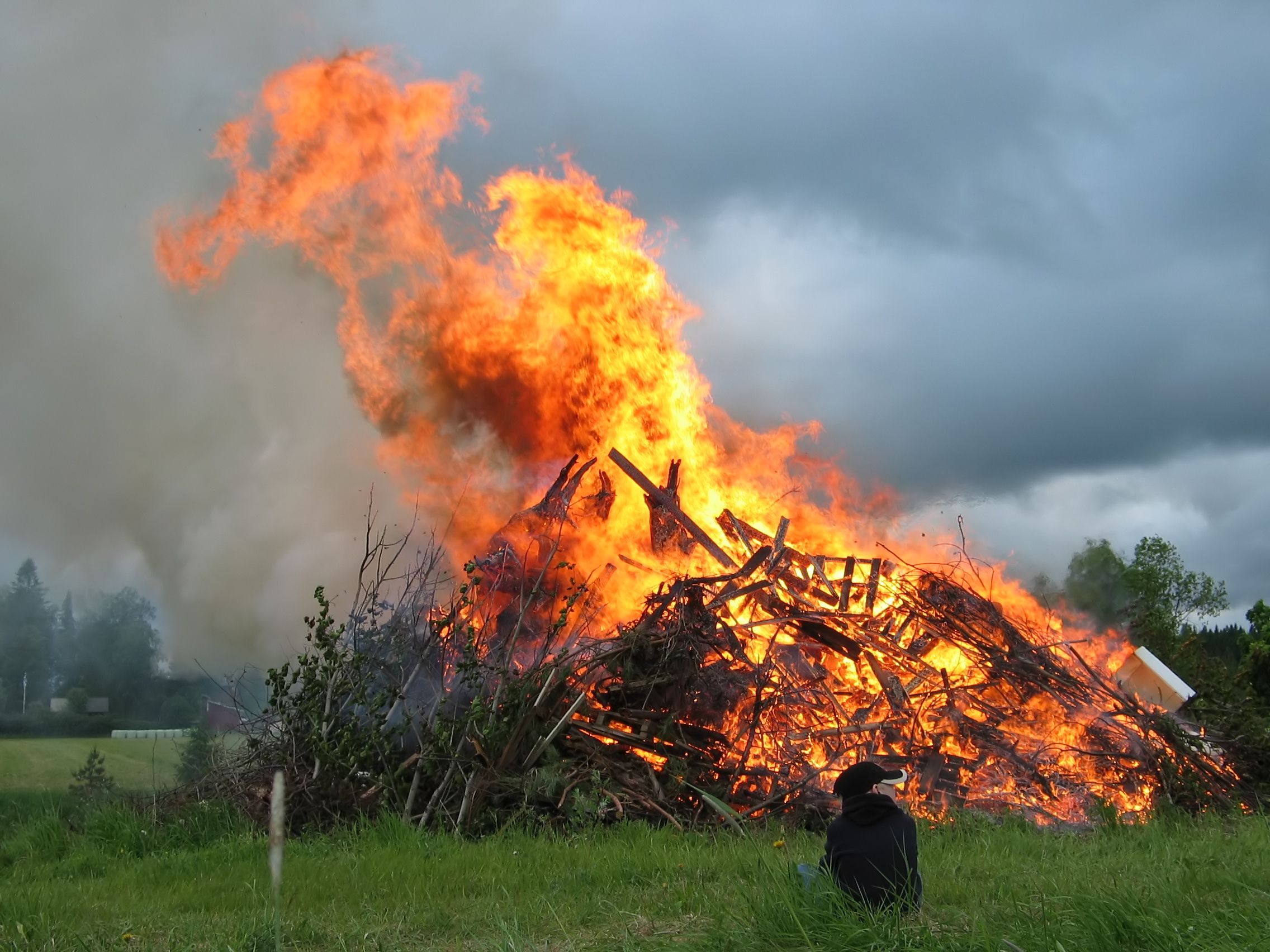
Is wood burning a physical or chemical change?
a)
Physical
b)
Chemical
69.

Is Gatorade powder dissolving in water physical or chemical change?
a)
Physical
b)
Chemical
70.

Is mold growing on cheese a physical or chemical change?
a)
Physical
b)
Chemical
71.

Is making orange juice a physical or chemical change?
a)
Physical
b)
Chemical
72.

Is sharpening a pencil a physical or chemical change?
a)
Physical
b)
Chemical
73.

Is copper tarnishing a physical or chemical change?
a)
Physical
b)
Chemical
74.

Is the formation of the grand canyon a physical or chemical change?
a)
Physical
b)
Chemical
75.

Which of the following is a reactant
a)
CH4
b)
H2O
c)
CO2
d)
2H2O
76.
The Law of Conservation of Mass tells us matter can't ______________.
a)
change color
b)
change state of matter
c)
be created or destroyed
d)
change temperature
77.
In a chemical reaction, how do the reactants compare to the products?
a)
They are the same
b)
They are different
100 %

