
 Worksheets
8th Grade Science STAAR Review
Total questions: 141
Worksheet time: 3hrs 56mins


What causes day & night?
Earth's rotation on the equator
Earth's revolution around the Sun
The Moon's rotation around the Sun
Earth's rotation on its axis

What is the line running down the center of Earth called?
Equator
Axis
North Pole
South Pole

No longer tilted on its axis
Stopped rotating on its axis
Took an additional month to orbit the Sun
Revolved around the Sun in the opposite direction
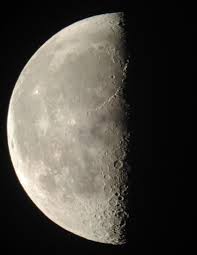
If there is a 3rd Quarter moon on July 2nd, what is the approximate date of the next full moon?
July 9th
July 16th
July 23rd
July 30th
A student keeps a record of the phases of the moon for one month. On the first night of the student's observations, the full moon is visible in the sky. After the full moon, which of these phases will the student observe next?
Waxing crescent moon
Waxing gibbous moon
Waning crescent moon
Waning gibbous moon

F
H
G
J

1
2
3
4
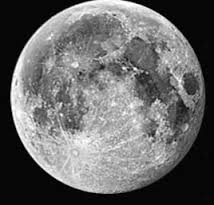
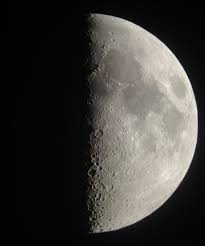
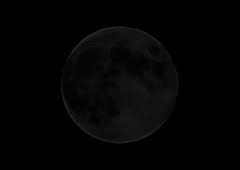

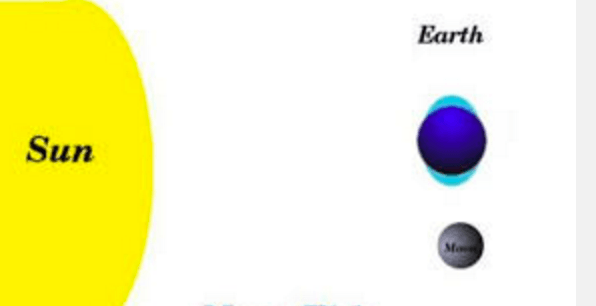


We can see the moon during the day.


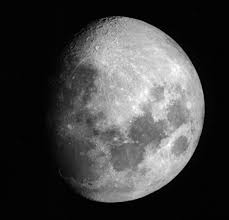
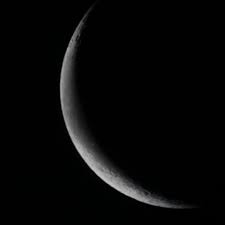
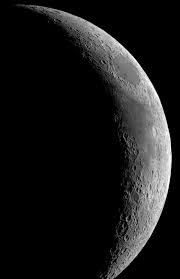





Which of these best compares the conditions at Location X and Location Y?

Based on this diagram, which type of stars would belong to spectral class M and have the highest luminosity?

Which student described these two celestial bodies correctly?

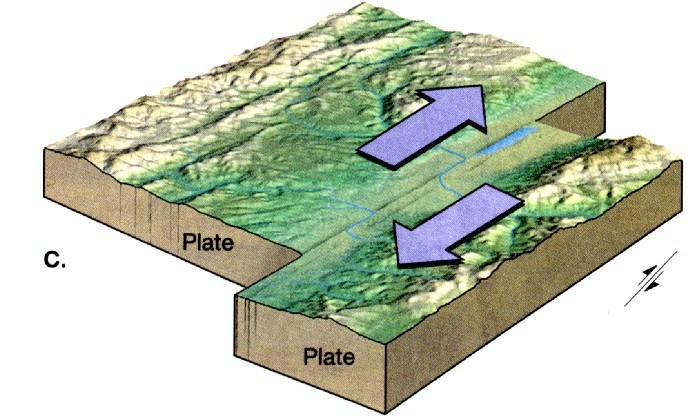
The rising magma that can result from this type of plate movement may produce-
The rising magma that can result from this type of plate movement may produce-
The rising magma that can result from this type of plate movement may produce-

The folded mountains in this model form at which type of plate boundary?

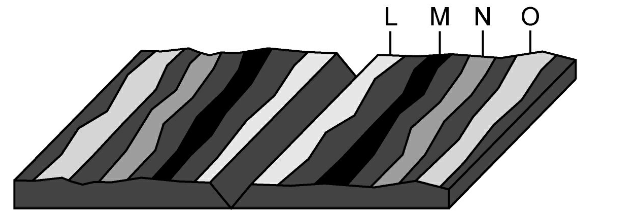
Which geologic feature is most likely to form at a mid-ocean ridge?

Based on the map, which area probably produced the most violent storm systems?


Which of the following best summarizes the effect of saltwater on these plant species?


Which ecosystem would be more likely to survive if a disease killed the grasses?

During the Industrial Revolution, coal-burning factories produced black soot that covered the tress and killed the lichen in and near cities. In these areas the number of dark peppered moths increased, while the number of light peppered moths decreased. What contributed to this change?



At which temperature range will there be the most competition for space among these fish species?


