
 Worksheets
Mitosis
Total questions: 141
Worksheet time: 3hrs 45mins
Which of the following are reasons why cells need to divide?
Growth
Replace
Repair
Reproduction
A cell has a volume of 64 units and total surface area of 96 units. What is the cell's surface area to volume ratio?
1.5
2.8
3.4
4.7
A small cell has a ________ surface area to volume ratio than a larger cell.
larger
smaller
equal
The cell's surface area to volume ratio limits the size of a cell by limiting the transport of nutrients and gases into and out of the cell.
True
False

Which of the following is least efficient?
A
B
C
D

Which of the following has the largest surface area to volume ratio?
A
B
C
D

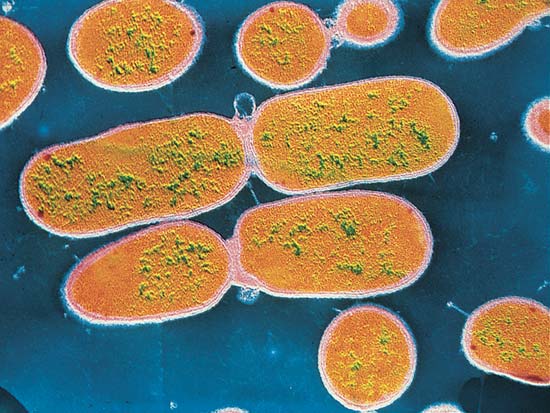



Which type of reproduction is taking place?

Asexual reproduction like mitosis produces
Two offspring cells with the same genetic material as the parent cell.
Two offspring cells with half genetic material as the parent cell.
Four offspring cells with the same genetic material as the parent cell.
Four offspring cells with half the genetic material as the parent cell.

A mode of reproduction in which an organism arises from two organisms and inherits half of its DNA from each parent
Sexual Reproduction
Asexual Reproduction
Cloning
Fragmentation
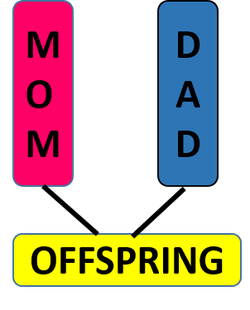
Requires two parents
sexual
asexual
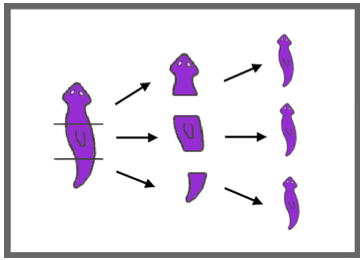
Requires only one parent
sexual
asexual
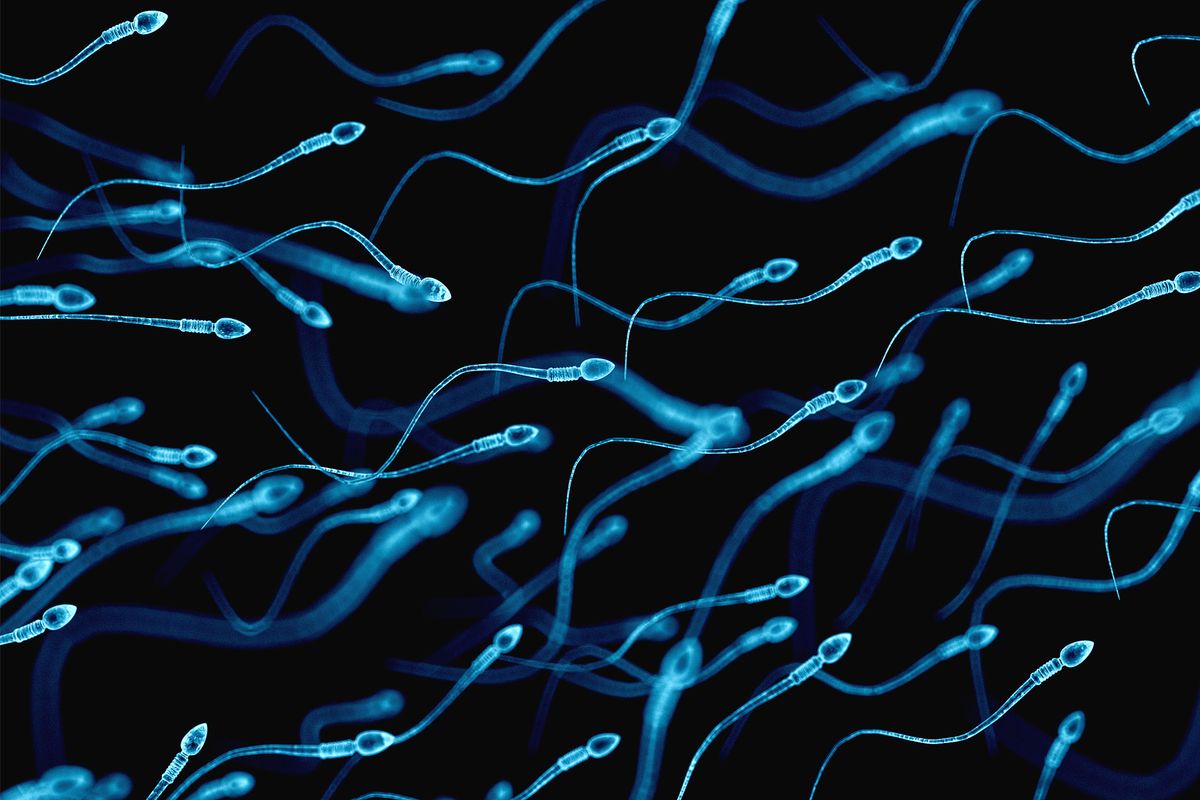
In sexual reproduction the male produces ___ cells.
Malex
Quack
Egg
Sperm
onto future generations


Each chromosome contains two identical _____.
chromotids
chromosomes
first
meiosis
second

After a cell goes through cytokinesis, it starts mitosis all over again.
Mitosis is a continuous process.


Mitosis is made up of 5 phases.
How long is the whole cell cycle for most animal cells?


Cancer is...
Uncontrolled cell growth
Normal cell growth
A protein
A cell cycle regulator
A substance that is known to cause cancer is called a
carcinogen
retrovirus
pathogen
paramecium
Which of these is a tumor that is noncancerous and does not spread?
Malignant
Benign
What is Apoptosis?
A tumor
A protein
Programmed cell death
Cell cycle checkpoints
What is cell differentiation?
The process where unspecialized cells become different in structure and function.
When DNA controls the cell cycle.
The ability of cells to make more cells.
The ability of cells to maintain homeostasis.
Cells that have the ability to become any type of specialized cell in the body are called:
cell membranes
stem cells
nerve cells
cardiac cells


What is the role of protein kinases?
remove phosphate groups to deactivate enzymes
trigger apoptosis
add phosphate groups and energy to activate enzymes
stop the cell cycle
Which of these may be assessed by various proteins during a "checkpoint"? CHECK ALL THAT APPLY
Ensure that all chromosomes have lined up in the center of the cell before sister chromatids separate
Ensure that spindle fibers have attached to all centromeres before cell division
Ensure that DNA has been replicated properly
In which stage of the cell cycle are cells most susceptible (likely to experience) to mutations?
G1
S
G2
G0
Which of the following correctly describes cells that are in the G0 phase?
Mature nerve and muscle cells are unable to divide and are permanently in G0.
Many cells enter G0 when they reach the checkpoint during the M phase.
Cells in G0 are growing and preparing for cell division.
DNA replication occurs during G0.

Which region represents the G2 phase?

Which of these is a risk factor for developing cancer? CHECK ALL THAT APPLY
growing older
genetic inheritance
exposure to carcinogens (toxins that can damage DNA)
smoking
Oncogenes
are mutated forms of tumor suppressor genes
are mutated forms of genes that code for proteins that normally assist in apoptosis
are mutated genes the inhibit the cell cycle
are mutated genes that code for proteins which activate cell division too often or at the improper time
Which of the following ensure that your cells will divide properly and maintain tissue homeostasis? CHECK ALL THAT APPLY!
proto-oncogenes & tumor suppressor genes
DNA repair system
apoptosis
mutations
Stem cells are
undifferentiated or unspecialized cells in the body.
differentiated or specialized cells in the body.
only found in the inner mass cells of blastocyst
only found in a fetus
_________ refers to a stem cell's ability to differentiate into other cell types
potency
potential
dormancy
aptitude
a cell that has the most potential, able to become any type of cell.
Totipotent
Pluripotent
Multipotent
can become any of the three cell layers in a
developing embryo (endoderm, mesoderm, ectoderm), but not the placenta surrounding the embryo.
Totipotent
Pluripotent
Multipotent
partially differentiated, with only the capacity to become one cell type.
Totipotent
Pluripotent
Multipotent
As cells become more specialized
cells have access to more genes
some genes are turned off
some gene segments get lost

