
 Worksheets
Digestive System/ Enzymes/ Respiratory System
Total questions: 140
Worksheet time: 1hrs 10mins
What chemical helps break down food?
nutrients
saliva
enzyme
What does your body make when it uses all the nutrients in food?
saliva
waste
enzyme
Which organ mashes food into tiny pieces?
anus
stomach
esophagus
Which organ pushes solid waste out of your body?
stomach
small intestine
anus
Which intestine helps undigested food become solid waste?
small intestine
large intestine
Which organ is a tube that helps you swallow food?
anus
small intestine
esophagus
Which intestines break down food into nutrients?
small intestines
large intestines
Which glands produce enzymes in your mouth to help digest food?
salivary glands
stomach
small intestines
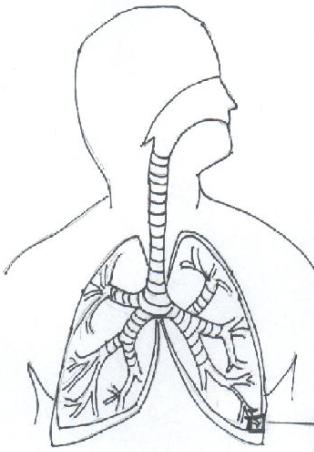
Which organ helps air go down into the lungs?
esophagus
windpipe
nose
Which organ is not part of the respiratory system?
mouth
lungs
nose
windpipe
stomach

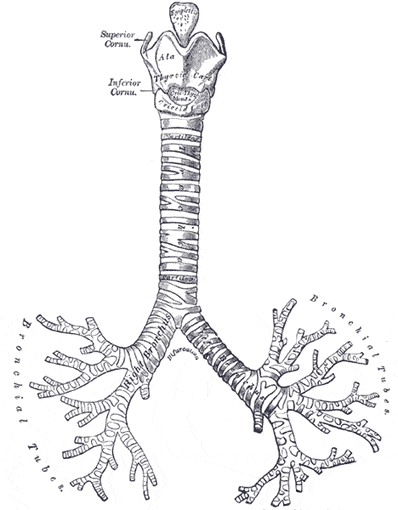
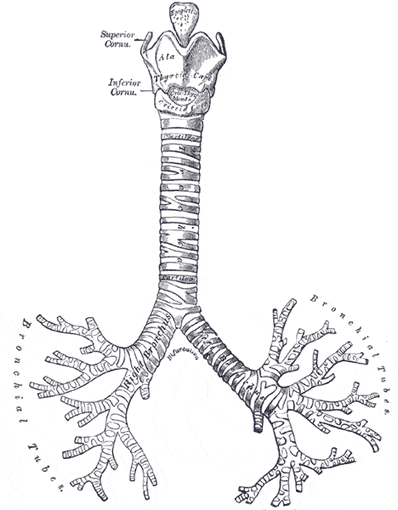
What is this tube called?
Trachea
Bronchi
Alveoli
Esophogus

The arrow is pointing to what tubes?
Bronchi
Trachea
Alveoli
Esophogus

What organ is the arrow pointing to?
Trachea
Liver
Lungs
Heart

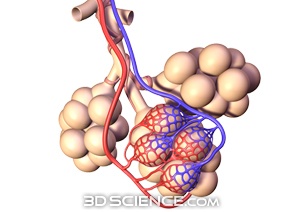
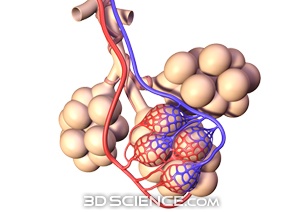
What do the thin walled narrow capillaries allow for?
Oxygen exchange at the cellular level
Carbon Dioxide exchange at the cellular level
Nutrient Exchange at the cellular level
All of these things

What is the name of the tube in red?
Bronchi
Trachea
Esophogus
Arteries

What system is pictured here?
Digestive System
Cardiovascular System
Eating System
Intestinal System

What is the function of the Mesentery?
Nutrient Transport from the Intestines to the rest of the body
Oxygen Transport to the Intestines
Holding the Intestine in an organized pattern
All of the above

What organ is the arrow pointing to?
Small Intestine
Pancreas
Stomach
Liver

What does the Pancreas do for the body?
Produces Digestive Enzymes
Produces Oxygen for the Body
Removes Carbon Dioxide from the Body
All of the above

The arrow is pointing to what organ?
Spleen
Stomach
Pancreas
Liver

What does the liver do for a human body?
Stores glucose in the form of starch called glycogen
Released glucose from stores of starch called glycogen
Breaks down many toxic chemicals and drugs that enter the body
All of the above

Type of digestion in the stomach:
Mechanical
Chemical
Both
Enzymes are an example of
Lipids
Carbohydrate
Protein
Nucleic Acid
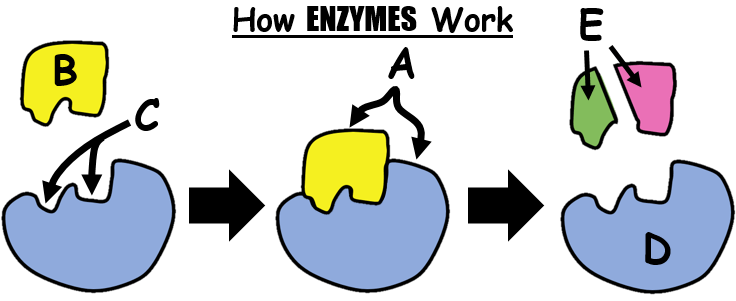
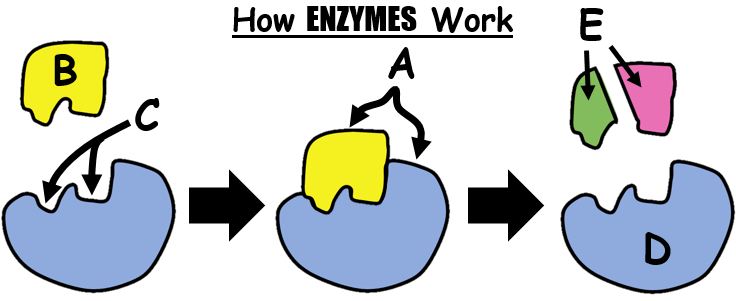
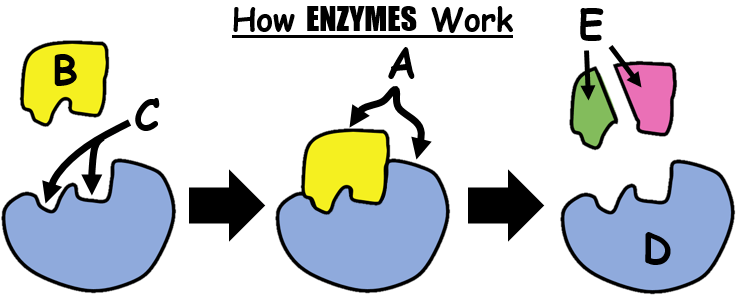
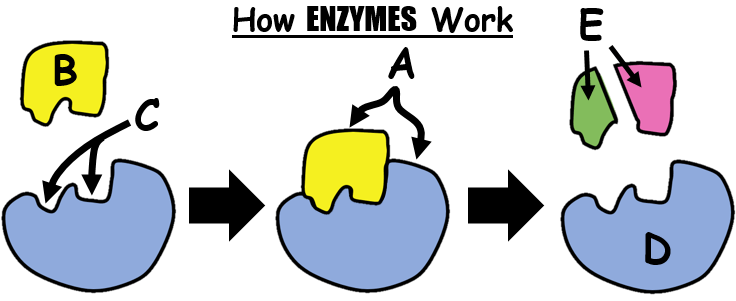
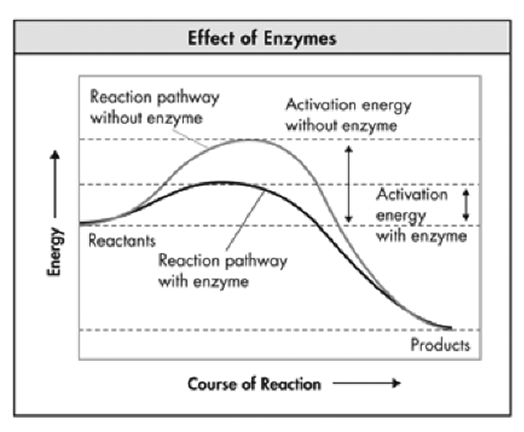
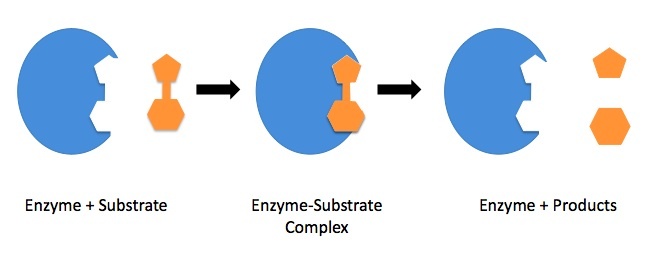
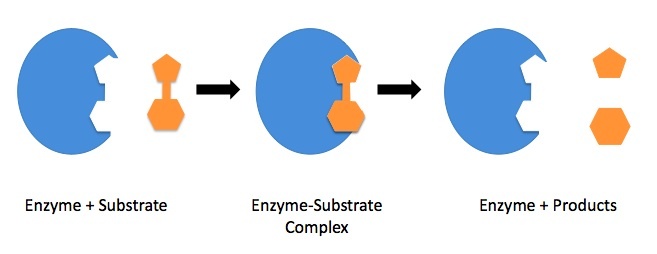
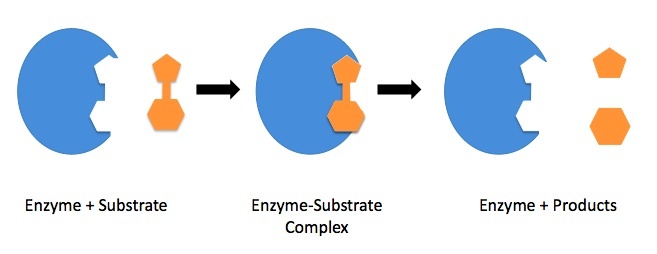
In a chemical reaction, ________ are what you have at the end
Products
Molecules
Reactants
Substances

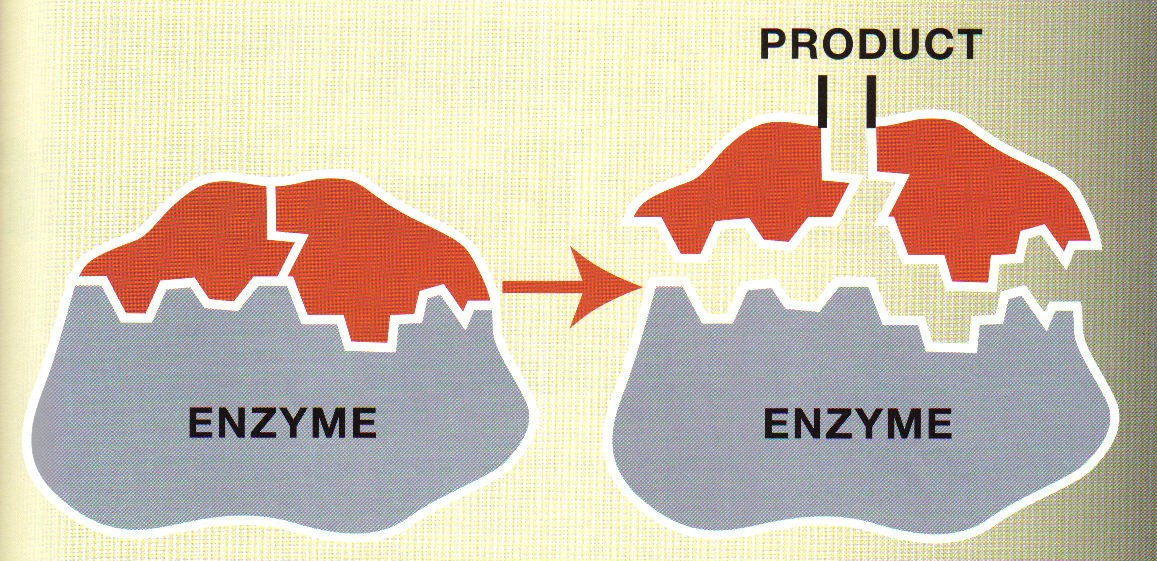
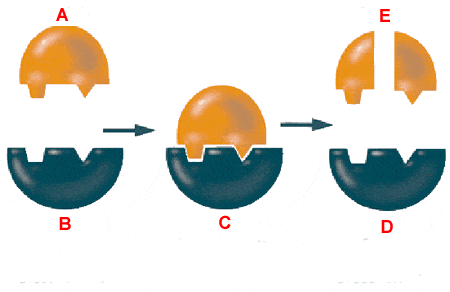
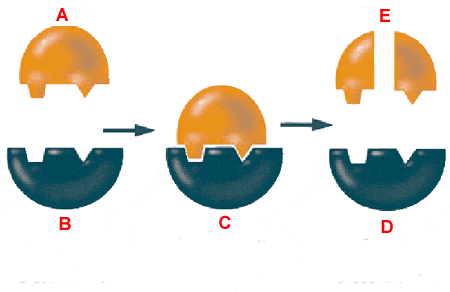
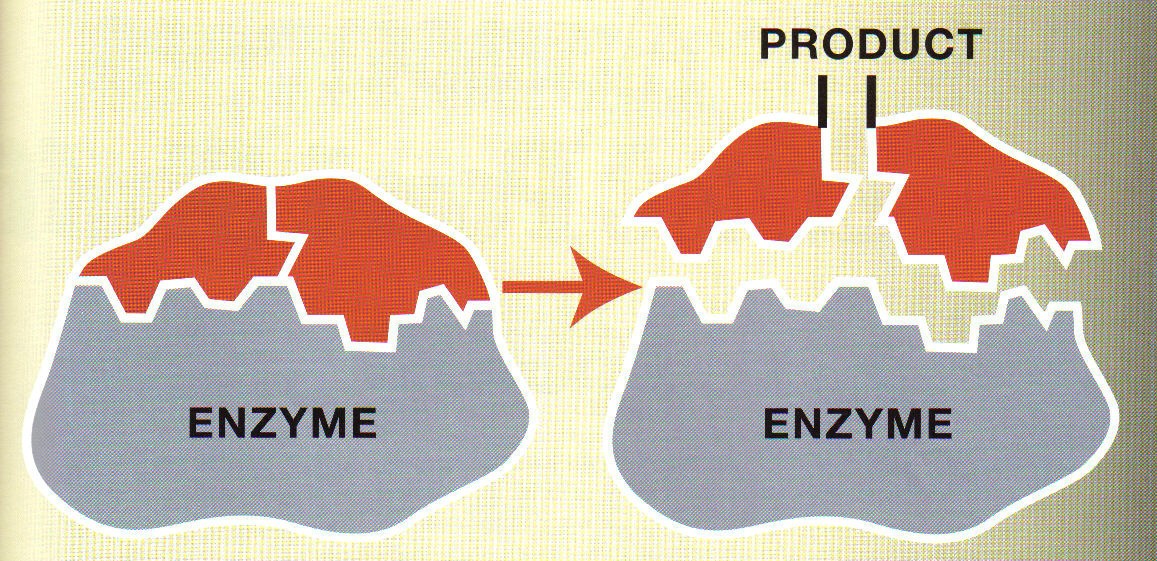

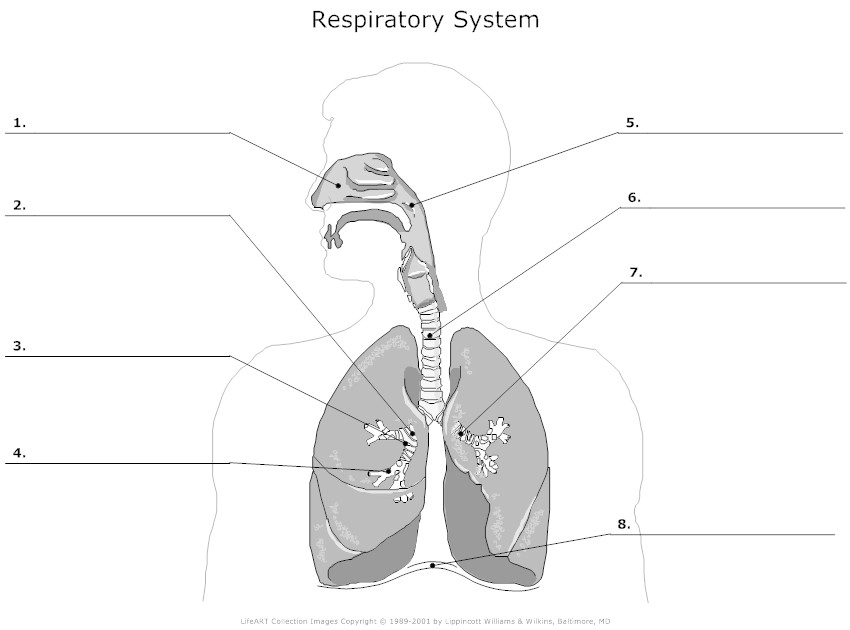

1. larynx
2. nasal cavity
3. pharynx
4. trachea
Which of the following is the correct order that air would flow during inhalation.

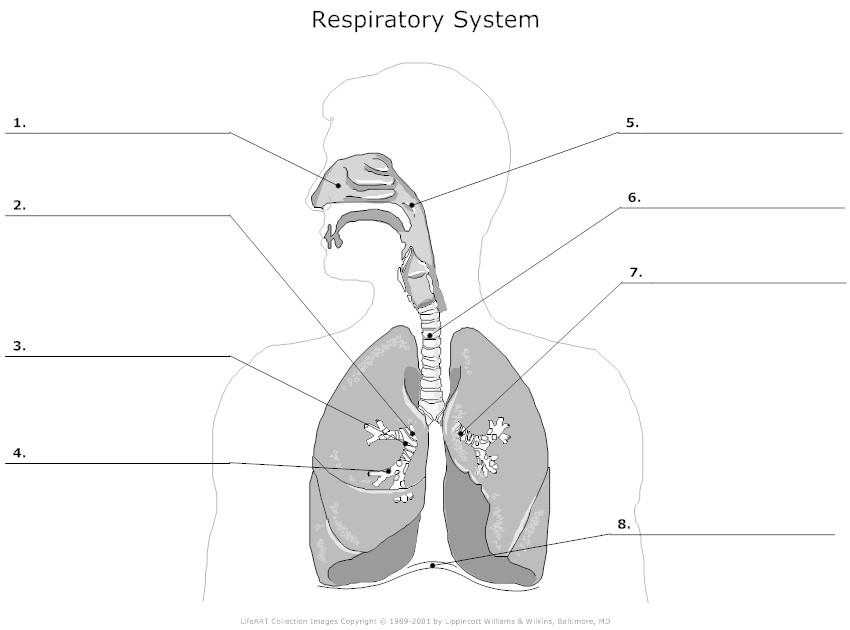
1. larynx
2. nasal cavity
3. pharynx
4. trachea
Which of the following is the correct order that air would flow during inhalation.
1. alveoli
2. bronchi
3. bronchioles
Which of the following is the correct order in which air would flow after inhalation?
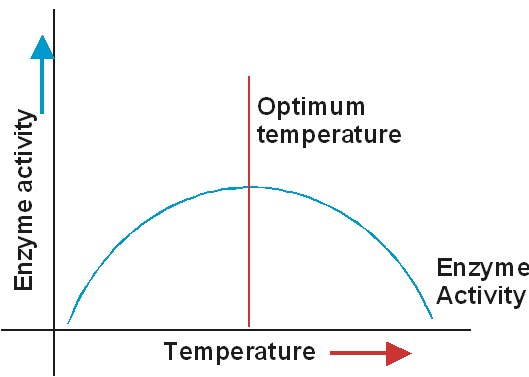
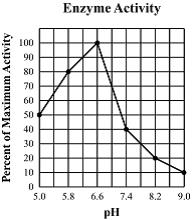
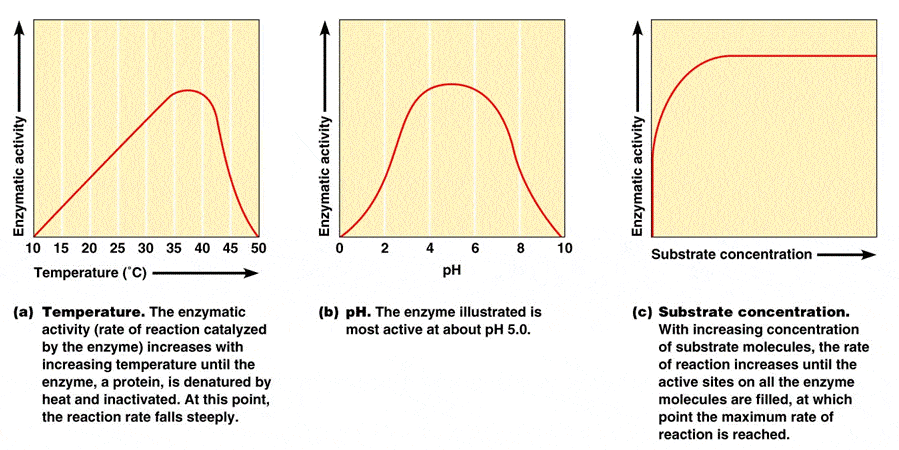
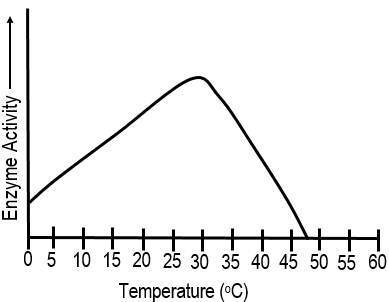
The enzymes become denatured if the temperature is _______ compared to its optimum temperature.
too high or too low
too low
too high
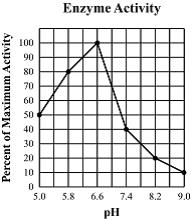
What do we know about the enzyme's structure if the enzyme is in its optimum pH
the enzyme structure is not denatured, meaning that the active site is still in tact
the enzyme structure is not denatured, meaning that the active site is changed
the enzyme structure is denatured
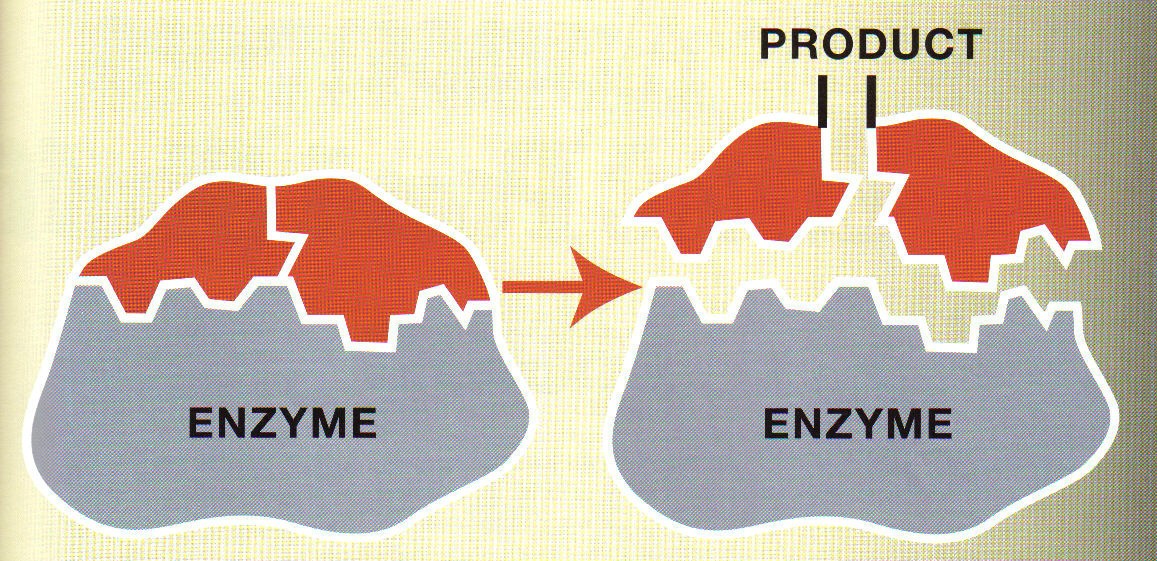
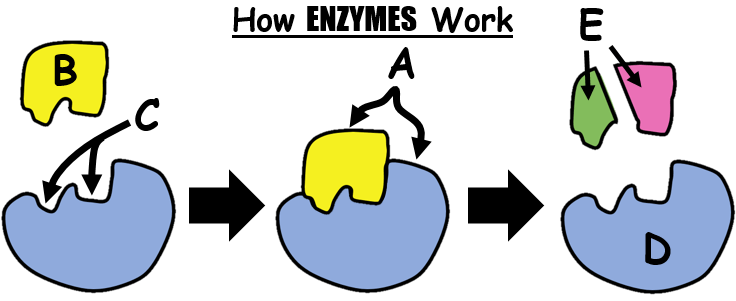
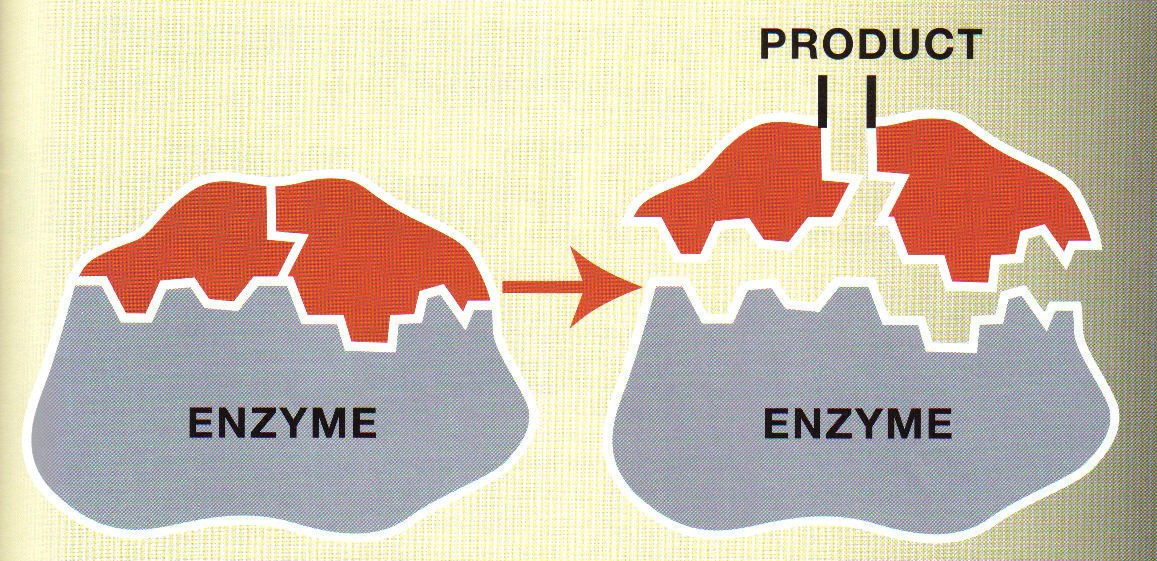
Substrates can be broken down into many products during catabolic reactions or many substrates can be built up into a bigger product during anabolic reactions.
true
false
What temperature do you think our enzymes will work the best at?
room temperature, 25 degrees
0 degree
50 degrees
37 degrees
What happens between the digestive system and the circulatory system?
exchanging food
exchanging gas
exchanging food and gas
exchanging nutrients and wastes

