wayground logo

Free Printable Worksheets

Font size

S
M
L
XL
Worksheets

Honors Bio 2nd semester final review

Total questions: 144

Worksheet time: 2hrs 18mins

Name
Class
Date
1.
What is the name of the 1st step of cellular respiration?
a)
Glycolysis
b)
Kreb's Cycle
c)
ETC
d)
Anaerobic respiration
2.
Where does glycolysis take place?
a)
Cytoplasm
b)
Stroma
c)
Thylakoid
d)
Mitochondria
3.
This process releases chemical energy from sugars and other carbon-based molecules to make ATP when oxygen is present.
a)
photosynthesis
b)
light-independent reaction
c)
cellular respiration
d)
light-dependent reaction
4.
Glucose is broken down during which process
a)
Krebs cycle
b)
Calvin cycle
c)
Glycolysis
d)
Photosynthesis
5.
Which is not a waste product of cellular respiration?
a)
Water
b)
Heat
c)
Carbon Dioxide
d)
Oxygen
6.
What is the correct equation for cellular respiration?
a)
6O2 + C6H12O6 -> 6CO2 + 6H2O + Energy
b)
6O2 + C6H12O6 + Energy -> 6CO2 + 6H2O
c)
6CO2 + 6H2O -> 6O2 + C6H12O6 + Energy
d)
6CO2 + 6H2O + Energy -> 6O2 + C6H12O6
7.
What is cellular respiration?
a)
the breakdown of glucose  to release ATP
b)
the breakdown of glucose to release NADH
c)
the breakdown of glucose to release FADH
d)
the breakdown of glucose to release carbon
8.
The energy in ATP is stored 
a)
in the bond between the second and third phosphate
b)
in the bond between the first and second phosphate
c)
in the bond between the adenosine and the first phosphate
d)
I like turtles
9.

Which of the following is a reactant of cellular respiration?

a)

Glucose

b)

Carbon Dioxide

c)

Water

d)

ATP

10.

Which of the following is a reactant of cellular respiration

a)

Carbon Dioxide

b)

Water

c)

Oxygen

d)

ATP

11.

Which of the following is a product of cellular respiration?

a)

Glucose

b)

Carbon Dioxide

c)

Oxygen

d)

Radiant Energy

12.

Which of the following is a product of cellular respiration?

a)

Radiant Energy

b)

Oxygen

c)

Glucose

d)

Water

13.

Which statement is true regarding cellular respiration?

a)

The reactants of cellular respiration are identical to the reactants of photosynthesis.

b)

The reactants of cellular respiration are obtained from the products of photosynthesis.

c)

The products of cellular respiration are the same as the products of photosynthesis

d)

Cellular respiration only occurs in autotrophs, photosynthesis occurs only in heterotrophs.

14.

A decrease in the amount of oxygen available will....

a)

not have an effect on the amount of energy produced during cellular respiration

b)

decrease the amount of glucose produced during cellular respiration

c)

cause the amount of water produced during cellular respiration to increase

d)

decrease the amount of energy produced during cellular respiration

15.
Where does the Krebs' Cycle occur? 
a)
mitochondria
b)
cell membrane
c)
chloroplast
d)
cytoplasm
16.
What is the ultimate source of energy for life on Earth?
a)
glucose
b)
sunlight
c)
ATP
d)
H2O
17.
What type(s) of cells perform cellular respiration?
a)
all cells
b)
animals
c)
plants
d)
bacteria
18.
What is the pigment in chloroplasts that performs photosynthesis?
a)
Chlorosynthesis
b)
Chlorophyll
c)
ADP
d)
Electron Transport
19.
Plants need ________ for photosynthesis
a)
oxygen
b)
soil
c)
carbon dioxide
d)
sugar
20.
Which organelle from the plant cell is primarily responsible for converting sunlight to energy?
a)
Mitochonria
b)
Nucleus
c)
Vacuole
d)
Chloroplast
21.
Which term is synonymous (means the same thing) with producer?
a)
autotroph
b)
heterotroph
c)
consumer
d)
decomposer
22.
What gas is released by plants during photosynthesis?
a)
sulfur
b)
carbon dioxide
c)
oxygen
d)
hydrogen
23.
Why are pigments important to the process of photosynthesis?
a)
Absorb Light
b)
Reflect Light
24.
Which compound serves as the major energy source for cellular processes?
a)
DNA
b)
ATP
c)
Chlorophyll
d)
glucose
25.
which gas is most likely REMOVED from the atmosphere during photosynthesis?
a)
hydrogen
b)
oxygen
c)
nitrogen
d)
carbon dioxide
26.

Glucose is created during photosynthesis. Which type of molecule is glucose?

a)

carbohydrate

b)

lipid

c)

protein

d)

none of the above

27.
What are the nucleotides made of?
a)
Sugar, Phosphate, nitrogen base
b)
Phosphate, Adenine, nitrogen base
c)
Thymine, Adenine, Cytomine
d)
Phosphate, Nitrogen, Adenine
28.
Adenine bonds with ______________.
a)
Guanine
b)
Thymine
c)
Cytosine
d)
Adenine
29.
Guanine bonds with ______________.
a)
Adenine
b)
Guanine
c)
Cytosine
d)
Thymine
30.
Why is DNA important?
a)
it is very small and very complicated
b)
it's in everything
c)
it serves as the blueprint for traits of all living things
d)
because we eat it every day for energy
31.
What are the 4 nitrogen bases?
a)
adenine, thymine, cytoplasm, and guanine
b)
adenine, thymine cytosine, and guanine
c)
adenine, thymine, cytosine, and gylcerol
d)
adenine, thymine, cytosine, and glucose
32.
Which sequence of DNA bases would pair with this partial strand
ATG TGA CAG
a)
ATG TGA CAG
b)
TAC ACT GTC
c)
GTA AGT GAC
d)
CAT TCA CTG
33.

In eukaryotes, which organelle is DNA usually found in?

a)

cell membrane

b)

vacuole

c)

chloroplast

d)

nucleus

34.
Which shows the correct complementary base pairing for DNA?
a)
C-A, T-G
b)
A-G, C-T
c)
C-G, U-A
d)
T-A, G-C
35.
What does DNA stand for?
a)
Deoxyribonucleic acid
b)
Denitrogenous acid
c)
Deribonucleic acid
d)
Diribonucleic acid
36.
The building block of nucleic acids are nucleotides.  Nucleotides are composed of a sugar, a phosphate group, and a _________________ base.
a)
oxygen
b)
hydrogen
c)
nitrogen
d)
carbon
37.
The sugar in DNA is ?
a)
sucrose
b)
glucose
c)
deoxyribose
d)
fructose
38.
Which of the following monomers are repeatedly joined together to form a strand of DNA?
a)
amino acids
b)
nucleotides
c)
fatty acids
d)
polysaccharides
39.
What determines the code, or information, of a DNA molecule?
a)
the shape (structure) of the nitrogen bases
b)
the order (sequence) of the nitrogen bases
c)
the color of the nitrogen bases
d)
the frequency (number) of nitrogen bases
40.
Which 2 molecules form the sides (backbone) of the DNA ladder?
a)
deoxyribose sugar and adenine
b)
deoxyribose sugar and a hydrogen bond
c)
deoxyribose sugar and the nucleus
d)
deoxyribose sugar and phosphate
41.
The two strands of nitrogenous bases in DNA are joined by which type of bond?
a)
polar bonds
b)
ionic bonds
c)
covalent bonds
d)
hydrogen bonds
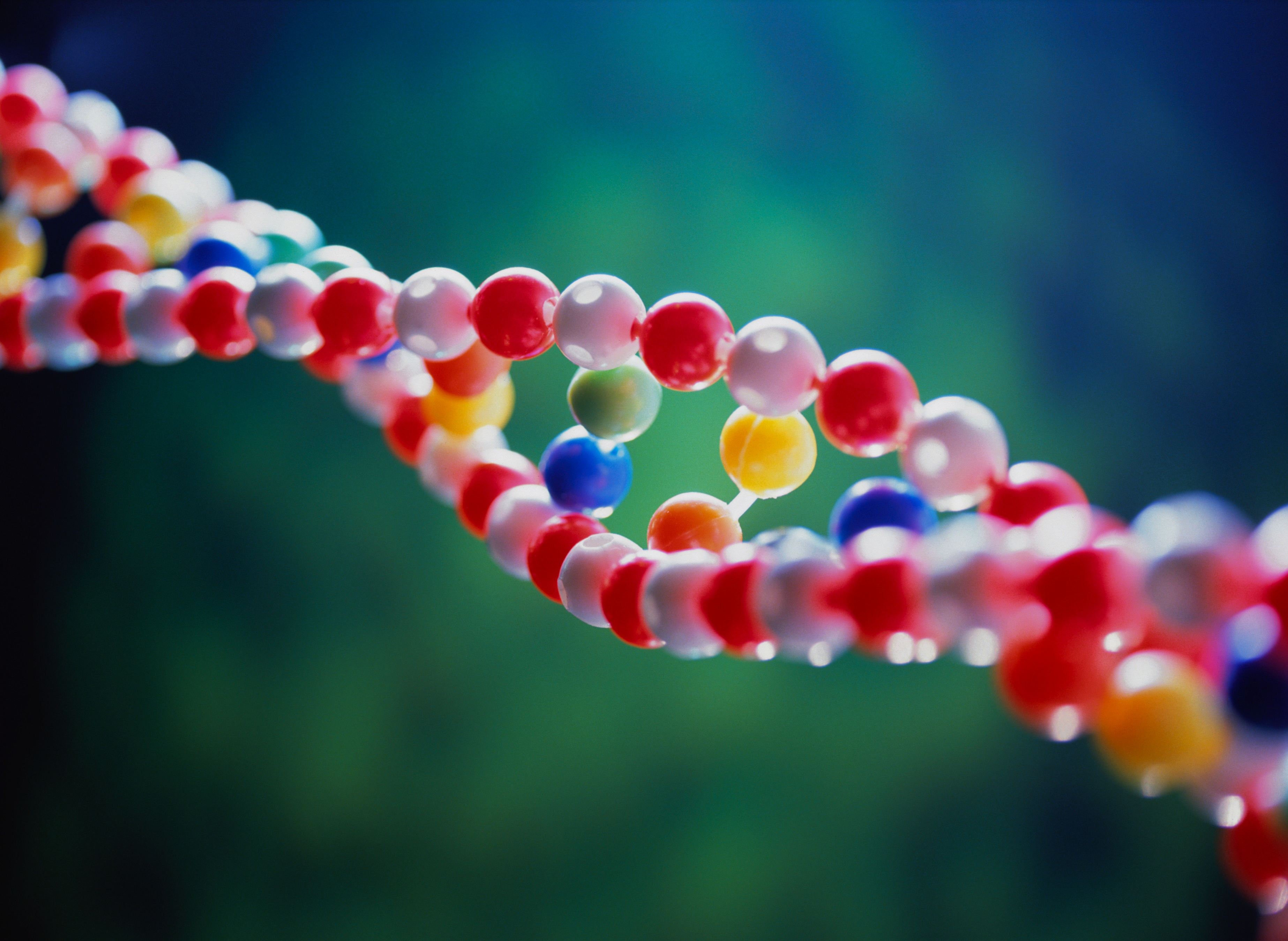
42.
The drawing shows the structure of what molecule?
a)
A DNA molecule
b)
A lipid molecule
c)
A carbohydrate molecule
d)
A protein molecule
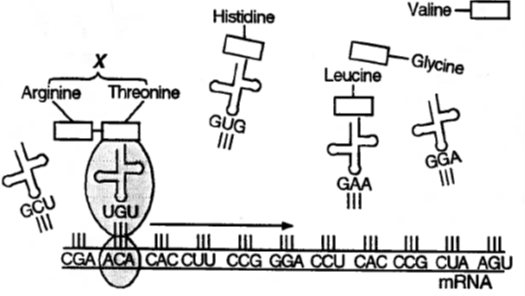
43.
X outlines a(n) ___________.
a)
amino acid
b)
nitrogen base 
c)
nucleotide
d)
nitrogen base pair
44.
Identify #2.
a)
nitrogen base
b)
phosphate group
c)
deoxyribose sugar
d)
nucleotide
45.
A long chain of amino acids is a/an
a)
protein
b)
nucleic acid
c)
tRNA
d)
mRNA
46.
If a DNA molecule consists of 29% Guanine, how much cytosine will it contain?
a)
29%
b)
58%
c)
21%
d)
I have no idea.
47.

The enzyme that unwinds the DNA to prepare for replication

a)

Ligase

b)

Helicase

c)

DNA Polymerase

d)

Amylase

48.

A process in which DNA has the unique ability to make an exact copy of itself.

a)

Transcription

b)

Replication

c)

Translation

d)

Protein synthesis

49.

DNA replication results in

a)

2 completely new DNA molecules

b)

2 DNA molecules that each contain a strand of the original

c)

1 new molecule of DNA

d)

3 new strand of DNA

50.


Enzyme that connects the DNA to the backbone (glues)

a)

Ligase

b)

Helicase

c)

DNA polymerase

d)

Sugar

51.

Enzyme that breaks hydrogen bonds (unzips)

a)

Primase

b)

Polymerase

c)

Ligase

d)

Helicase

52.

Enzyme that adds the bases of the new DNA copies

a)

Primase

b)

DNA Polymerase

c)

Ligase

d)

Helicase

53.

Enzyme that proofreads the new strand of DNA

a)

Primase

b)

DNA Polymerase

c)

Ligase

d)

Helicase

54.

DNA is a polymer made of

a)

Nucleotides

b)

Purines

c)

Pyrimidines

d)

Ribosomes

55.

In a molecule of double-stranded DNA, the amount of Adenine present is always equal to the amount of

a)

Guanine

b)

Cytosine

c)

Deoxyribose

d)

Thymine

56.

If there is 20% cytosine, how much thymine is there?

a)

40%

b)

80%

c)

20%

d)

30%

57.

If there is 45% thymine, how much guanine is there?

a)

15%

b)

10%

c)

5%

d)

55%

58.

Why is DNA replication a semi-conservative process?

a)

Each new copy pf DNA has one old strand

b)

The new DNA molecules are partially destroyed

c)

Both copies of DNA have different base pairs

d)

The old DNA molecules are not conserved

59.

What is a DNA mutation?

a)

A change or mistake in the DNA sequence

b)

Nothing

c)

The DNA is the same

d)

The DNA's shape is a double helix

60.

Which of the following is NOT an example of a mutation?

a)

T pairs with A

b)

Multiple letters (bases) get deleted

c)

A letter (base) gets inserted

d)

C pairs with A

61.

In what process is mRNA synthesized?

a)

Transcription

b)

Translation

c)

DNA Replication

d)

Mitosis

62.

Where does TRANSCRIPTION occur?

a)

Nucleus

b)

Ribosome

c)

Cytoplasm

d)

Mitochondria

63.

Why must transcription occur where DNA can be found?

a)

because DNA can't leave

b)

because ribosomes are in the nucleus

c)

because DNA polymerase is found there

d)

because helicase unzips the DNA

64.

Which of the following is a codon?

a)
b)

ATG

c)

AUG

d)

AUT

65.

How many codons equals 1 amino acid?

a)

1

b)

2

c)

3

d)

4

66.

How many nucleotides equal 1 amino acid?

a)

1

b)

2

c)

3

d)

4

67.

On which molecule can an anticodon be found?

a)

mRNA

b)

DNA

c)

tRNA

d)

rRNA

68.

Where is the anticodon located?

a)

at the top of the molecule it's found on

b)

at the bottom of the molecule it's found on

c)

on the right of the molecule it's found on

d)

on the left of the molecule it's found on

69.

What is the purpose for anti-codons?

a)

to ensure the correct amino acid is dropped off

b)

to match the strand of DNA

c)

to decode a sequence of 4 nucleotides into an amino acid

d)

to make me hate biology

70.

A polypeptide is a sequence of ____________________ held together by a ______________ bond.

a)

amino acids; peptide

b)

fatty acids; ionic

c)

proteins; hydrogen

d)

fatty acids; covalent

71.

Which two thing are found on a molecule of tRNA?

a)

amino acids; anticodons

b)

amino acids; codons

c)

ribose sugar; proteins

d)

deoxyribose sugar; codons

72.

How do you know when to begin translating a strand of mRNA?

a)

look for AUG

b)

start at the beginning

c)

look for ATG

d)

when Ms. H tells me to

73.

How do you know when to STOP translating a strand of mRNA?

a)

look for STOP on the decoder

b)

stop at the end of the strand

c)

you don't

d)

when Ms. H tells me to

74.

TRANSCRIBE this DNA sequence: TACGTTACT

a)

AUGCAAUGA

b)

ATGCAATGA

c)

AUGGATUGA

d)

TACGTTACT

75.

TRANSLATE this RNA sequence: AUGCAAUGA

a)

Met-Glu-Stop

b)

Met-His-Stop

c)

Thr-Glu-Stop

d)

Thr-Pro-Stop

76.
What process is going on in this photo? 
a)
Transcription 
b)
Translation 
c)
Replication 
d)
All the above 
77.
Does the order of amino acids in a protein matter?
a)
YES!
b)
NO!
78.

A DNA nucleotide may be made up of a phosphate group, along with

a)

deoxyribose sugar and uracil

b)

ribose sugar and cytosine

c)

deoxyribose sugar and thymine

d)

ribose sugar and adenine

79.

Which of the following units are repeatedly joined together to form a strand of DNA? (This is the MONOMER of DNA.)

a)

amino acids

b)

nucleotides

c)

fatty acids

d)

polysaccharides

80.

What is a GENOTYPE?

a)

the genetic make-up of an organism

b)

the physical trait of an organism

c)

mitosis

d)

meiosis

81.

PHENOTYPE is

a)

the genetic make-up of an organism

b)

the physical trait of an organism

c)

nucleic acid

d)

Aa

82.

The prefix "hetero" means

a)

different

b)

ugly

c)

fancy

d)

same

83.

Which of the following represents alleles for the homozygous dominant genotype?

a)

Aa

b)

aa

c)

AA

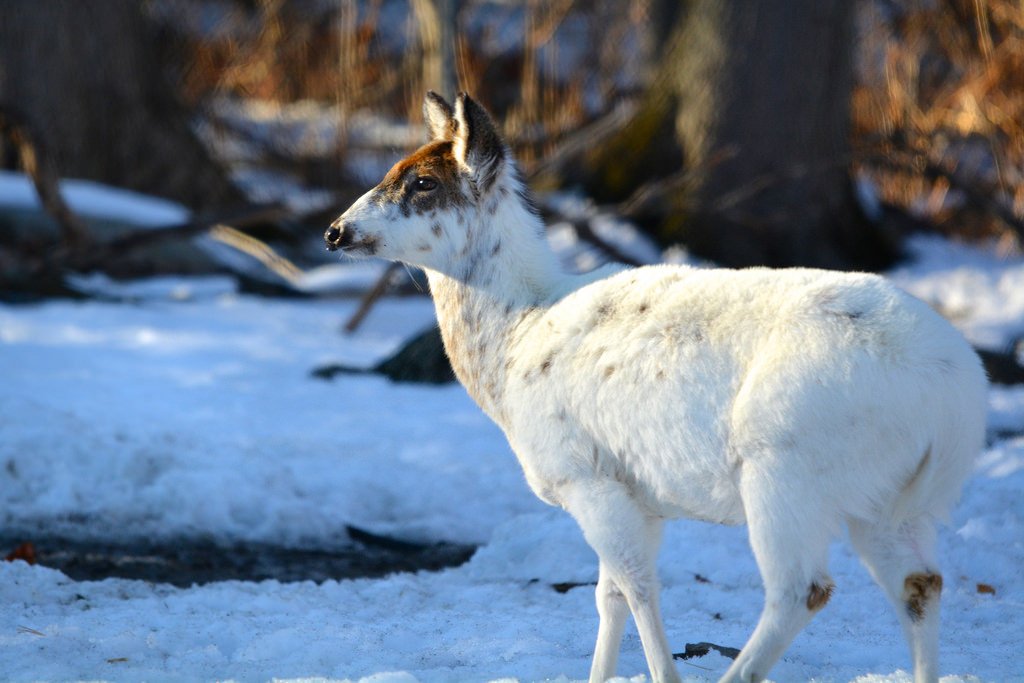
84.

If A = red fur and a = white fur, what color fur would Aa be? (Assume complete/simple dominance type of inheritance)

a)

red

b)

white

c)

purple

d)

blue

85.

If A = red fur and a = white fur, what color fur would aa be? (Assume complete/simple dominance type of inheritance)

a)

red

b)

white

c)

purple

d)

blue

86.

If A = red fur and a = white fur, what are the PHENOTYPIC ratios of the offspring based on the Punnett Square? Red fur is completely dominant to white.

a)

25% heterozygous

b)

50% purple

c)

75% red fur and 25% white fur

d)

25% homozygous recessive, 50% heterozygous, 25% homozygous dominant

87.

If A = green pods and a = yellow pods, what are the GENOTYPIC RATIOS of the offspring in the Punnett square? Green is completely dominant to yellow

a)

100% green pods

b)

100% yellow pods

c)

100% heterozygous

d)

100% homozygous dominant

88.
What percentage of the offspring will have this recessive disease?
a)
0%
b)
25%
c)
50%
d)
75%
89.
What percentage of the female offspring will be a carrier for this recessive disease?
a)
0%
b)
50%
c)
100%
d)
25%
90.
How many PAIRS of chromosomes do humans have?
a)
23
b)
46
c)
1
d)
2
91.
If a gene is found only on the X chromosome and not the Y chromosome, it is said to be what?
a)
sex-linked trait
b)
polygenic trait
c)
codominant trait
d)
incomplete dominance trait
92.
Hemophilia is a recessive x-linked disorder.
Which genotype represents a female who is a carrier for hemophilia?
a)
XHXh
b)
XhXh
c)
XHXH
d)
XhY
93.
Incomplete dominance or co-dominance?
A calico cat shows both the traits for orange fur and black fur. 
a)
Incomplete Dominance
b)
Co-dominance
c)
Complete dominance
d)
Mendelian dominance
94.

What are the possible genotypes for a person who has the blood group A?

a)

IAIA

b)

IAIi

c)

IAIB

d)

IBIi

95.

When one allele is not dominant over another, resulting in a blended phenotype for heterozygous offspring is considered....

a)

Incomplete Dominance

b)

Codominance

96.

In cattle red coats are represented as RR, and white coats are represented as WW.


What is the genotype for Roan color?

a)

RR

b)

RW

c)

WW

97.

Name the proteins on the surface of red blood cells.

a)

Antibodies

b)

Antigens

c)

Plasma

d)

Collagen

98.

Where are antibodies located?

a)

surface of red blood cells

b)

surface of white blood cells

c)

plasma

d)

surface of platelets

99.

What antibodies can be found in the plasma when someone has blood type A?

a)

none

b)

A

c)

B

d)

A and B

100.
What type of blood is the universal donor?
a)
O
b)
AB
101.
What is NOT a possible genotype for someone with type B blood?
a)
IBIB
b)
IAIB
c)
IB i
102.
which blood type is the universal donor (all people can receive it)?
a)
O
b)
AB
c)
A
d)
B
103.
Determine the sex of the individual whose karyotype is displayed in the image.
a)
female
b)
male
104.
When chromosomes fail to separate correctly during anaphase of meiosis, what can occur?
a)
extra chromosomes are found in the sex cell
b)
chromosomes of the sex cell are doubled
c)
chromosomes of the sex cell are halved
d)
meiosis never completes
105.
Nondisjunction can result in 
a)
trisomy conditions
b)
monosomy conditions
c)
additional sex chromosomes
d)
all of these
106.
What kind of cells are made in MEIOSIS?
a)
Haploid cells
b)
Diploid Cells
c)
Skin Cells
d)
Liver Cells
107.
The fertilized egg is termed a/an _____.
a)
gamete
b)
allele
c)
homolog
d)
zygote
108.
Which cellular process is shown?
a)
meiosis
b)
endocytosis
c)
mitosis
d)
phagocytosis
109.
products of meiosis are genetically
a)
different
b)
identical
110.

Which is a type of asexual reproduction?

a)

Mitosis

b)

Meiosis

111.

During which process does the cell divide two times?

a)

Mitosis

b)

Meiosis

112.

Which process produces 2 cells?

a)

Mitosis

b)

Meiosis

113.

Which process produces cells that are unique / different from each other?

a)

Mitosis

b)

Meiosis

114.

A cell has 10 chromosomes. It undergoes mitosis. How many chromosomes will each of the new cells have?

a)

5

b)

10

c)

15

d)

20

115.
Where does a cell contain it's genetic material?
a)
nucleus
b)
nucleolus
c)
cytoskeleton
d)
golgi
116.
The hidden form of an inherited trait
a)
dominant trait
b)
recessive trait
c)
purebred
d)
hybrid
117.
phenotypes that is a blend of the heterozygous gene pair
a)
incomplete dominance
b)
multiple alleles
c)
regulatory genes
118.
the genetic code for the gene
a)
phenotype
b)
genotype
c)
homozygous
119.
the physical look of a trait
a)
phenotype
b)
genotype
c)
recessive
120.
What is the relationship between DNA and chromosomes?
a)
Chromosomes are made of DNA
b)
DNA is made of chromosomes
c)
DNA and chromosomes are the same thing.
d)
All of the above are correct
121.
What is the cell cycle?
a)
The gradual development of something, especially from a simple to a more complex form.
b)
The study of heredity and the variation of inherited characteristics.
c)
The branch of biology that deals with the relations of organisms to one another and to their physical surroundings.
d)
The series of events that take place in a cell leading to its division and duplication of its DNA to produce two daughter cells.
122.
Which part of the Cell Cycle takes the longest?
a)
Interphase
b)
Mitosis
c)
Prophase
d)
Cytokinesis
123.
What does DNA Replication mean?
a)
DNA is made.
b)
DNA makes new cells. 
c)
DNA copies itself.
d)
DNA starts the cell cycle.
124.
What phase is this cell in?
a)
Cytokinesis
b)
Mitosis
c)
Prophase
d)
Metaphase
125.
What is the cell cycle?
a)
The gradual development of something, especially from a simple to a more complex form.
b)
The study of heredity and the variation of inherited characteristics.
c)
The branch of biology that deals with the relations of organisms to one another and to their physical surroundings.
d)
The series of events that take place in a cell leading to its division and duplication of its DNA to produce two daughter cells.
126.
Which part of the Cell Cycle takes the longest?
a)
Interphase
b)
Mitosis
c)
Prophase
d)
Cytokinesis
127.
What happens in the first part of Interphase?
a)
Mitosis
b)
Cell Growth
c)
DNA Replication
d)
Anaphase
128.
What part of the cell cycle results in the splitting of the new cells?
a)
Interphase
b)
Mitosis
c)
Metaphase
d)
Cytokinesis
129.
What does DNA Replication mean?
a)
DNA is made.
b)
DNA makes new cells. 
c)
DNA copies itself.
d)
DNA starts the cell cycle.
130.
True or False. 
After a cell goes through cytokinesis, it starts mitosis all over again.
a)
True
b)
False
131.
True or False.
Mitosis is a continuous process.
a)
True
b)
False
132.
What phase is this cell in?
a)
Cytokinesis
b)
Mitosis
c)
Prophase
d)
Metaphase
133.
What phase is this cell in?
a)
Mitosis
b)
Interphase
c)
Anaphase
d)
Telophase
134.
What phase is this cell in?
a)
Mitosis
b)
Cytokinesis
c)
Prophase
d)
Telophase
135.
What phase is this cell in?
a)
Mitosis
b)
Interphase
c)
Prophase
d)
Telophase
136.
What part of the cell cycle is this cell in?
a)
Mitosis
b)
Interphase
c)
Telophase
d)
Cytokinesis
137.
True or False.
Mitosis is made up of 5 phases.
a)
True
b)
False
138.
What is the longest phase in MITOSIS?
a)
Prophase
b)
Metaphase
c)
Interphase
d)
Anaphase
139.
In what phase do the chromosomes line up in the middle of the cell?
a)
Cytokinesis
b)
Metaphase
c)
Prophase
d)
Telophase
140.
In what phase does chromatin condense to form chromosomes?
a)
Mitosis
b)
Interphase
c)
Prophase
d)
Anaphase
141.
In what phase do the chromosomes get pulled apart into sister chromatid to opposite sides of the cell?
a)
Prophase
b)
Interphase
c)
Metaphase
d)
Anaphase
142.
In what phase do the organelles disperse out into the daughter cells, and the cell prepares for cytokinesis?
a)
Prophase
b)
Interphase
c)
Mitosis
d)
Telophase
143.
What can the cell cycle also be called?
a)
Cell growth
b)
DNA Replication
c)
Preparation for Mitosis
d)
Cell Divison
144.
BONUS:
How long is the whole cell cycle for most animal cells?

a)
2-3 days
b)
24 hours
c)
2-3 hours
d)
23 hours