
 Worksheets
Biology STAAR Review
Total questions: 145
Worksheet time: 2hrs 56mins
Name
Class
Date
1.
Which biomolecule is also known as enzymes?
a)
Carbohydrate
b)
Lipid
c)
Nucleic Acid
d)
Protein
2.
Which biomolecule contains pastas and breads?
a)
Lipid
b)
Protein
c)
Nucleic Acid
d)
Carbohydrate
3.
Which biomolecule is made of nucleotides and contain you DNA?
a)
Carbohydrate
b)
Lipids
c)
Protein
d)
Nucleic Acid
4.
Which biomolecule helps form muscles?
a)
Nucleic Acid
b)
Carbohydrate
c)
Protein
d)
Lipids
5.
Which biomolecule is responsible for insulation and energy storage?
a)
Protein
b)
Nucleic Acid
c)
Lipid
d)
Carbohydrate
6.
Which biomolecule has sugars and starches?
a)
Lipids
b)
Proteins
c)
Carbohydrates
d)
Nucleic Acid
7.
Which biomolecule contain your genetics?
a)
Carbohydrate
b)
Lipid
c)
Nucleic Acid
d)
Protein
8.
Which biomolecule is made of amino acids?
a)
Nucleic Acid
b)
Carbohydrate
c)
Protein
d)
Lipid
9.
Which biomolecule is your main source of energy?
a)
Nucleic Acid
b)
Protein
c)
Lipid
d)
Carbohydrate
10.
Which biomolecule contains fats, oils, and waxes?
a)
Proteins
b)
Nucleic Acid
c)
Lipids
d)
Carbohydrate
11.
What do monomers do?
a)
Bonds to make a Polymer
b)
Creates Protiens
c)
Stores energy
d)
Splits to make more cells
12.
Cytokinesis is a phase of mitosis.
a)
True
b)
False
13.
Cells spend the majority of their lives in
a)
Interphase
b)
Mitosis
c)
Synthesis
d)
Gap 2
14.
In what phase of mitosis does DNA condense into visible chromosomes?
a)
Prophase
b)
Anaphase
c)
Telophase
d)
Metaphase
15.
Cells of organisms must replicate for ?
a)
growth
b)
repair of damaged cells
c)
replacement of dying cells.
d)
All of the above
16.
I am the stage of mitosis where the sister chromatids are pulled apart.
a)
interphase
b)
metaphase
c)
anaphase
d)
telophase
17.
What are the phases of mitosis IN ORDER?
a)
Metaphase, Anaphase, Prophase, Telophase
b)
Prophase, Metaphase, Anaphase, Telophase
c)
Prophase, Metaphase, Telophase, Anaphase
d)
Telophase, Prophase, Anaphase, Metaphase
18.
Programmed cell death refers to.....
a)
Apoptosis
b)
Helionisis
c)
Karyokinesis
d)
Meiosis
19.
DNA is replicated during ______ of the cell cycle.
a)
Gap 1
b)
Synthesis
c)
Gap 2
d)
Gap 0
20.
At what stage during mitosis does the nuclear envelope break up?
a)
Metaphase
b)
Prophase
c)
Anaphase
d)
Telophase
21.

a)
Cytokinesis
b)
Interphase
c)
Anaphase
d)
Metaphase
22.
What is cytokinesis?
a)
This is when two cells merge together to make one giant cell.
b)
The stage where chromosomes migrate to the opposite ends of the cell.
c)
The stage of the cell cycle where the rest of the cell divides after mitosis is complete.
d)
The stage in which DNA condenses into chromosomes.
23.
Bacteria is what kind of cell?
a)
Eukaryotic
b)
Prokaryotic
24.
What type of cell has a nucleus?
a)
eukaryotic
b)
prokaryotic
25.
What type of cell does not have a nucleus?
a)
eukaryotic
b)
prokaryotic
26.
Plants and animal cells are examples of ___ cells
a)
prokaryotic cells
b)
eukaryotic cells
27.
In which eukaryotic organelle does photosynthesis occur?
a)
mitochondria
b)
stomata
c)
xylem
d)
chloroplast
28.
The reactants of photosynthesis are
a)
sugar and water.
b)
sugar and oxygen.
c)
carbon dioxide and water.
d)
carbon dioxide and oxygen.
29.
What are the products of photosynthesis?
a)
Carbon dioxide and water
b)
Carbon dioxide and oxygen
c)
Glucose and oxygen
d)
Glucose and water
30.
Which of the following is the correct equation for PHOTOSYNTHESIS?
a)
6CO2 + 6H2O --> 6O2 + C6H12O6
b)
6CO2 + C6H12O6 + 6H2O --> O2
c)
6O2 + 6H2O --> 6CO2 + C6H12O6
d)
C6H12O6 + 6O2 ---> 6H2O + 6CO2
31.
Where in the cell does aerobic respiration take place?
a)
Nucleus
b)
Cytoplasm
c)
Mitochondria
d)
Cell membrane
32.
What are the REACTANTS for cellular respiration?
a)
oxygen and carbon dioxide
b)
water and glucose
c)
carbon dioxide and water
d)
glucose and oxygen
33.
What are the PRODUCTS for cellular respiration?
a)
oxygen and ATP (energy)
b)
water and glucose and ATP (energy)
c)
carbon dioxide and water and ATP (energy)
d)
glucose and oxygen
34.
Which is the correct chemical equation for CELLULAR RESPIRATION?
a)
Glucose (Sugar) + Oxygen --> Carbon Dioxide + Water + ATP (Energy)
b)
ATP (Energy) + Oxygen --> Carbon Dioxide + Water + Glucose (Sugar)
c)
Glucose (Sugar) + Carbon Dioxide --> Oxygen + Water + ATP (Energy)
Glucose (Sugar) + Carbon Dioxide --> Oxygen + Water + ATP (Energy)
Glucose (Sugar) + Carbon Dioxide --> Oxygen + Water + ATP (Energy)
d)
Glucose (Sugar) + Water + Oxygen --> Carbon Dioxide + Oxygen + ATP (Energy)
35.
What is diffusion?
a)
when molecules move
b)
when molecules move from a high concentration to a low.
c)
no movement
d)
molecules move everywhere
36.
The diffusion of water through a semi-permeable membrane is called?
a)
Osmosis
b)
Cell wall
c)
Diffusion
d)
Respiration
37.
Passive transport requires no
a)
concentration gradients
b)
osmosis
c)
motion
d)
energy
38.
The movement of molecules against a concentration gradient
a)
simple diffusion
b)
facilitated diffusion
c)
active transport
d)
osmosis
39.

The picture is an example of...
a)
active tranport
b)
passive transport
c)
diffusion
d)
osmosis
40.
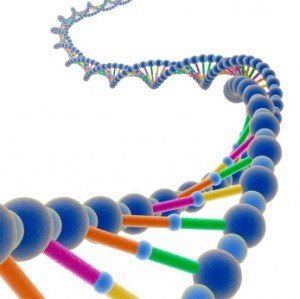
Which of the following best describes a DNA molecule?
a)
double helix
b)
contains ribose
c)
made of amino acids
d)
contains Uracil
41.
Which sequence of DNA bases would pair with this partial strand
ATG TGA CAG
ATG TGA CAG
a)
ATG TGA CAG
b)
TAC ACT GTC
c)
GTA AGT GAC
d)
CAT TCA CTG
42.
Which of the following units are repeatedly joined together to form a strand of DNA?
a)
amino acids
b)
nucleotides
c)
fatty acids
d)
polysaccharides
43.
Adenine bonds with ______________.
a)
Guanine
b)
Thymine
c)
Cytosine
d)
Adenine
44.
Guanine bonds with ______________.
a)
Adenine
b)
Guanine
c)
Cytosine
d)
Thymine
45.
Which 2 molecules form the sides (backbone) of the DNA ladder?
a)
deoxyribose sugar and adenine
b)
deoxyribose sugar and a hydrogen bond
c)
deoxyribose sugar and the nucleus
d)
deoxyribose sugar and phosphate
46.
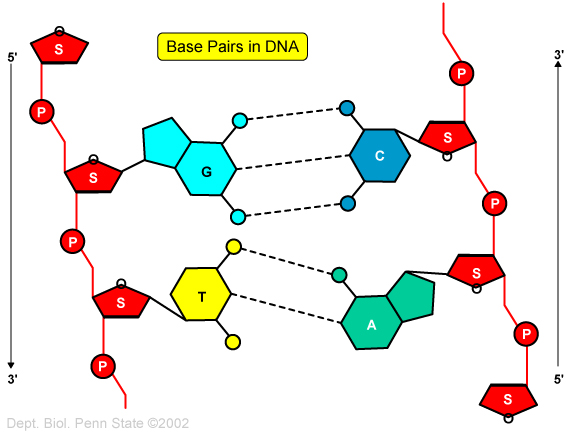
Nitrogenous bases are joined by which type of bond?
a)
polar bonds
b)
ionic bonds
c)
covalent bonds
d)
hydrogen bonds
47.
A process in which DNA has the unique ability to make an exact copy of itself.
a)
Replication
b)
Translation
c)
Transcription
48.
In what phase of the cell cycle does DNA replication take place?
a)
G1
b)
S
c)
G2
d)
M
49.
What are the three components of a nucleotide?
a)
sugar, hydrogen, nitrogen base
b)
sugar, oxygen, nitrogen base
c)
sugar, phosphate, nitrogen base
d)
sugar, phosphate, protein
50.
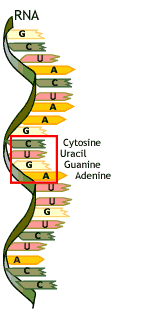
In RNA, Uracil pairs with ______.
a)
cytosine
b)
adenine
c)
guanine
d)
thymine
51.
The process to go from DNA to mRNA is _______
a)
translation
b)
transcription
c)
replication
52.
The process to go from mRNA to a protein is called ____
a)
transcription
b)
rRNA
c)
replication
d)
translation
53.
Choose the nucleotide sequence of the RNA strand that would be complementary to the following strand:
GTAGTCA
GTAGTCA
a)
UATUAGA
b)
ACGACTG
c)
CAUCAGU
d)
CATCAGT
54.
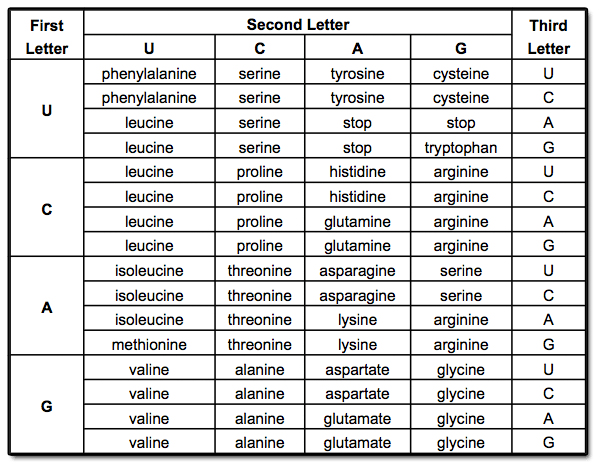
What amino acid is represented by the codon UUA?
a)
Phenylalanine
b)
Tyrosine
c)
Leucine
d)
Stop codon
55.
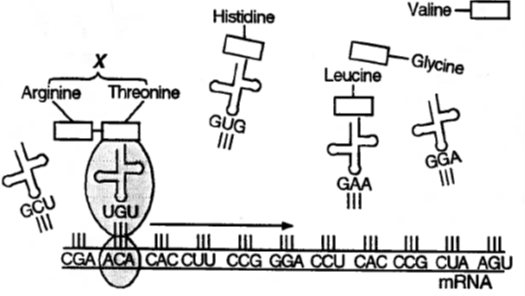
What process is going on in this photo?
a)
Transcription
b)
Translation
c)
Replication
d)
All the above
56.
Which component of DNA determines the traits of an organism?
a)
Nitrogen Bases
b)
Sugar-Phosphate Backbone
c)
Hydrogen bonds
57.
What is the location in the cell for translation?
a)
nucleus
b)
mitochondria
c)
ribosome
d)
chloroplast
58.
What is the three base sequence of mRNA that codes for a single amino acid?
a)
Anticodon
b)
Codon
c)
Protein
59.
What causes genetic variation in meiosis?
a)
chromosomes lining up
b)
crossing over of chromosomes
c)
separation of chromosomes
d)
chromosomes pulling apart
60.
Unlike mitosis, meiosis in male mammals results in the formation of
a)
one haploid gamete
b)
three diploid gametes
c)
four diploid gametes
d)
four haploid gametes
61.

When an area of a chromatid is exchanged with the matching area on a chromatid of its homologous chromosome, _________________ occurs
a)
crossing over
b)
mutagenesis
c)
hybridization
d)
fertilization
62.

Which process and type of resulting cells are represented?
a)
mitosis, gametes
b)
mitosis, body cells
c)
meiosis, gametes
d)
meiosis, body cells
63.
The process of crossing over occurs in what phase of meiosis?
a)
anaphase 1
b)
prophase 1
c)
prophase 2
d)
telophase 1
64.

Identify the phase.
a)
Metaphase I
b)
Metaphase II
c)
Prophase I
d)
Anaphase II
65.
How many daughter cells are produced from meiosis ?
a)
10
b)
6
c)
4
d)
2
66.

This picture shows which process?
a)
mitosis
b)
meiosis
c)
the cell cycle
67.
A homozygous dominant dog with brown fur is crossed with a heterozygous dog with brown fur. What are the percentages of the possible genotypes?
a)
100% BB
b)
75% BB and 25%Bb
c)
50 % BB and 50% Bb
d)
50% Bb and 50% bb
68.

Genotype refers to the ...
a)
physical expression of the genes
b)
the possible combination of alleles in a gene
c)
whether an allele is dominant or recessive
d)
how an organism will appear
69.
Which of the following is a phenotype?
a)
BB
b)
Bb
c)
bb
d)
Blue eyes
70.
having two of the same genes for the trait (sometimes called purebred).
a)
homozygous
b)
hetrozygous
c)
protein
d)
chromosome
71.
having two different genes for a trait (sometimes called hybrid).
a)
protein
b)
homozygous
c)
heterozygous
d)
genotype
72.
Magda is a tall, 11 year old drummer. She has a scar on her right cheek. She is good at swimming. Which of her traits did Magda most likely inherit?
a)
height
b)
the scar
c)
ability to swim
d)
ability to play drums
73.
Two brown eyed parents (Bb) have a baby. What is the chance the baby is blue eyed?
a)
0 %
b)
25%
c)
50%
d)
75%
74.
What is an organism that has similar characteristics and can reproduce?
a)
species
b)
organism
c)
embryology
d)
vestigial
75.
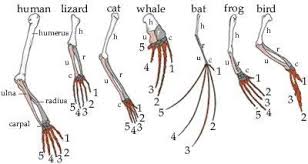
What is this an example of?
a)
vestigial structures
b)
embryology
c)
homologous structures
d)
fossil record
76.

Which layer is the oldest?
a)
1
b)
2
c)
3
d)
4
77.
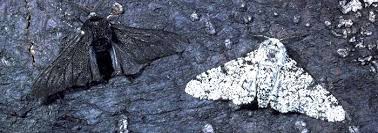
Predict which moth would increase in population
a)
light
b)
dark
78.
When the DNA of an organism is altered it is referred to as…
a)
Mutation
b)
Gene Flow
c)
Genetic Drift
d)
Sexual Selection
79.
Which term refers to the process by which individuals that are better suited to the environment survive and reproduce therefore passing down their genes to their offspring?
a)
Evolution
b)
Variation
c)
Adaptation
d)
Natural Selection
80.

Which species’ DNA is most similar to the DNA of the toothed whale?
a)
Hippopotamus
b)
Baleen Whale
c)
Grazing Mammals
d)
Camels
81.
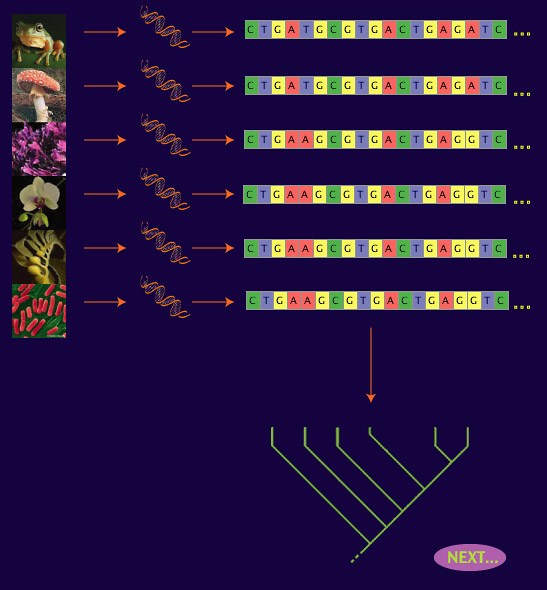
Two organisms that are closely related would have
a)
very similar DNA sequence
b)
exactly the same DNA sequences
c)
no proteins in common
d)
completely different DNA sequence
82.
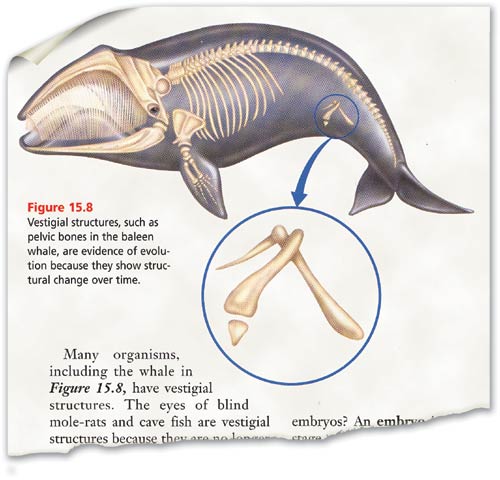
Which of the following is an example of a vestigial structure?
a)
the wings of a red-tailed hawk
b)
the hind limbs of a house cat
c)
the fins of sharks
d)
the tailbone of a human
83.
The ability of an organism to survive and reproduce in its specific environment
a)
diversity.
b)
evolution
c)
adaptation
d)
fitness
84.
Which of the following organisms are LEAST closely related?
a)
organisms that share a domain
b)
organisms that share a family
c)
organisms that share a genus
d)
organisms that share a species
85.
The scientific name for an organism is made from the:
a)
class and family name
b)
genus and species name
c)
domain and kingdom name
d)
kingdom and phylum name
86.
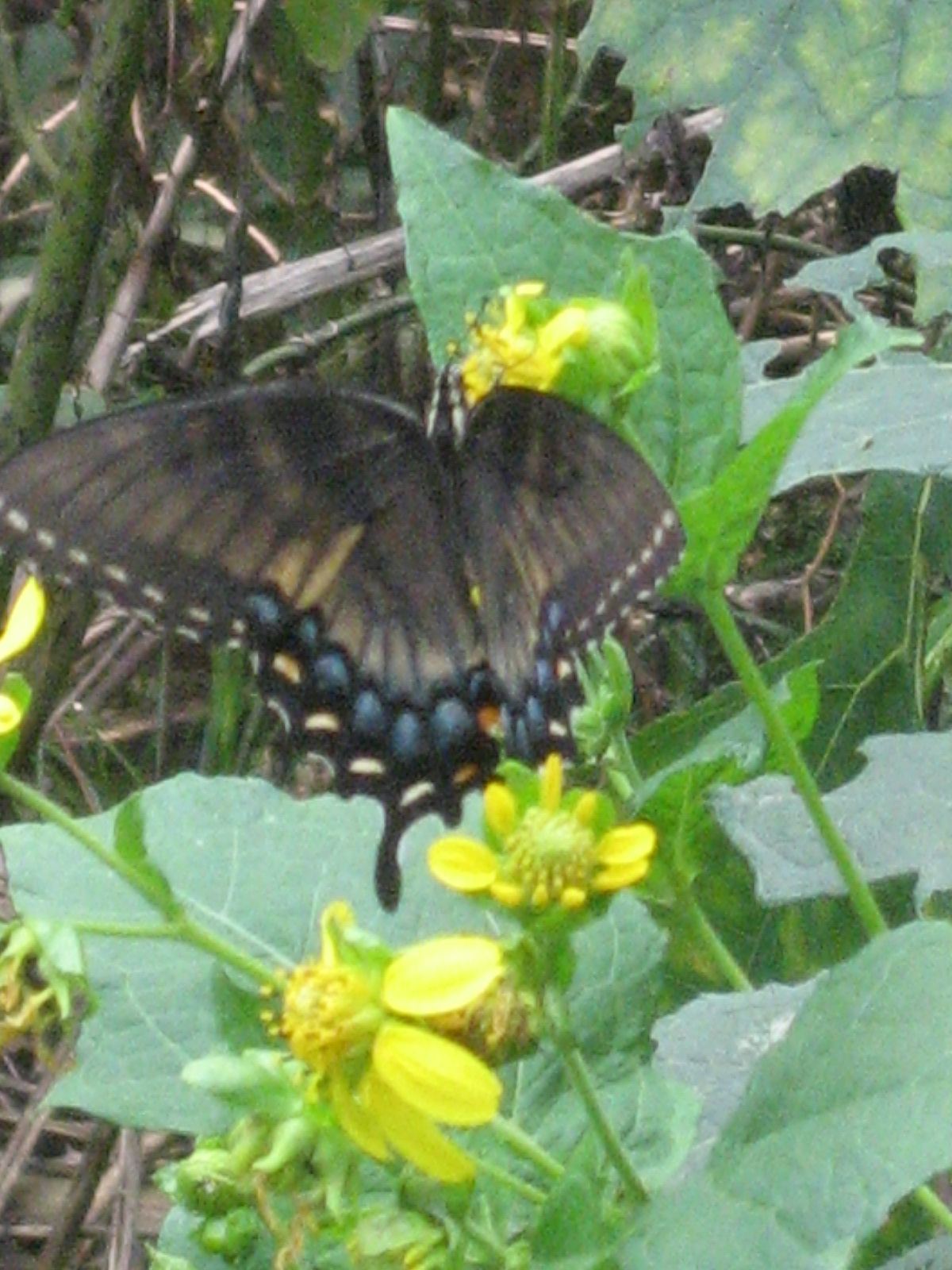
The 8 levels of classification, most broad to most specific.
a)
Domain, Genus, Family, Order, Class, Phylum, Kingdom, Species
b)
Domain, Species, Kingdom, Genus, Phylum, Family, Class, Order
c)
Domain, Kingdom, Phylum, Class, Order, Family, Genus, Species
d)
Order, Kingdom, Species, Domain, Phylum, Family, Class, Genus
87.
The ___ control what enters and leaves the cell.
a)
cell membrane
b)
cell wall
c)
nucleus
d)
cytoplasm
88.
Which organisms are most closely related?
a)
Equus caballas (Horse) & Equus burchellii (Zebra)
b)
Cyanea artica (Jellyfish) &
Ctenodiscus crispatus (Mud Starfish)
Ctenodiscus crispatus (Mud Starfish)
c)
Naja naja (cobra) & Glycine max (soya bean)
d)
Ophiocomina nigra (black brittle star) & Brassica nigra (black mustard)
89.
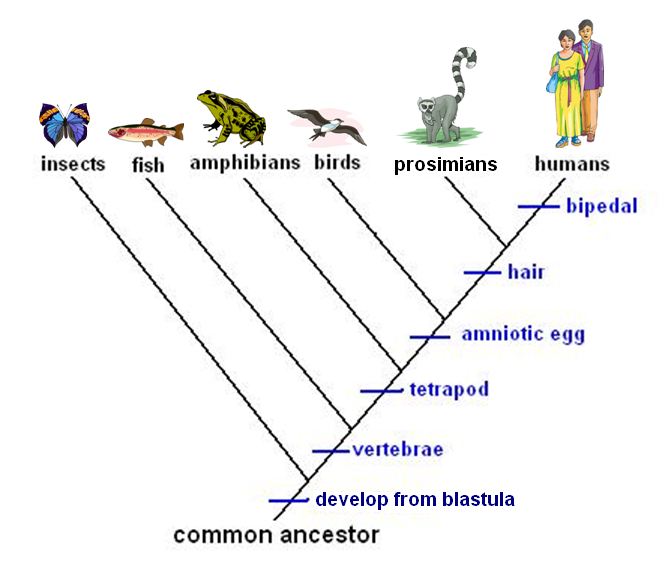
Which organisms pictured on the cladogram have hair?
a)
prosimians only
b)
prosimians and humans
c)
humans only
d)
prosimians and birds
90.

An illustration and a dichotomous key are given. What is the correct classification for this organism?
a)
Class Insecta
b)
Order Amblygygi
c)
Order Araneae
d)
Order Scorpiones
91.
What kingdom do unicellular, prokaryotic organisms that live in extreme environments?
a)
Animal
b)
Archaebacteria
c)
Eubacteria
d)
Plant
92.

I am prokaryotic and am found everywhere. What kingdom do I belong to?
a)
Eubacteria
b)
Archaebacteria
c)
Fungi
d)
Protista
93.
I'm motile and have no cell walls. What kingdom do I belong to?
a)
Animalia
b)
Archaebacteria
c)
Eubacteria
d)
Plantae
94.
This organism is found in pond water. It has a nucleus, is microscopic, unicellular and can perform photosynthesis. What kingdom does it belong in?
a)
protista
b)
eubacteria
c)
archaebacteria
d)
plantae
95.
What part of the cell are where proteins are assembled?
a)
mitochondria
b)
golgi apparatus
c)
ribosome
d)
nucleus
96.
If you are feeling ill and the doctor prescribes you some antibiotics to help you feel better, you are infected with a _______
a)
Virus
b)
Bacteria
97.
The common cold can be spread many different ways. One such way is through coughing and sneezing. Is the common cold caused by bacteria or by viruses?
a)
Bacteria
b)
Virus
98.
Reasons that viruses are considered to be nonliving is because
a)
They are not cellular
b)
They cannot reproduce on their own
c)
They cannot make proteins
d)
all of the above
99.
What do viruses need to reproduce?
a)
they need genetic material
b)
They need a host cell
c)
They need bacteria
d)
They need insulin
100.
Antibiotics kill viruses
a)
True
b)
False
101.
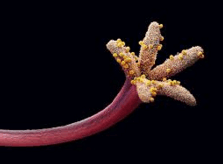
The part of the flower on which the pollen grains land.
a)
pistil
b)
stamen
c)
style
d)
stigma
102.
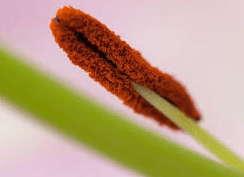
The part of a flower that produces the male reproductive cells.
a)
anther
b)
style
c)
stigma
d)
filament
103.
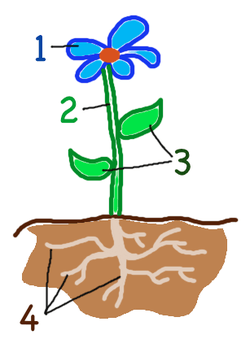
What parts of the plant are #1, 2, & 3?
a)
Shoot System
b)
Root System
104.
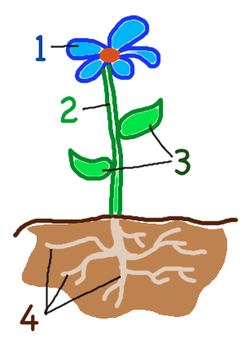
What part of the plant is #4?
a)
Root System
b)
Shoot System
105.
Which part of the plant makes the food?
a)
roots
b)
stem
c)
leaf
d)
flower
106.
What organelle in the leaves of plants capture light energy from the sun to complete photosynthesis?
a)
Chloroplasts
b)
Mitochondria
c)
Nucleus
d)
Ribosomes
107.
Water travels through
a)
phloem
b)
xylem
c)
veins
d)
tubes
108.
In which type of growth response does the plant grow in response to gravity?
a)
Hydrotropism
b)
Phototropism
c)
Geotropism
d)
Thigmotropism
109.
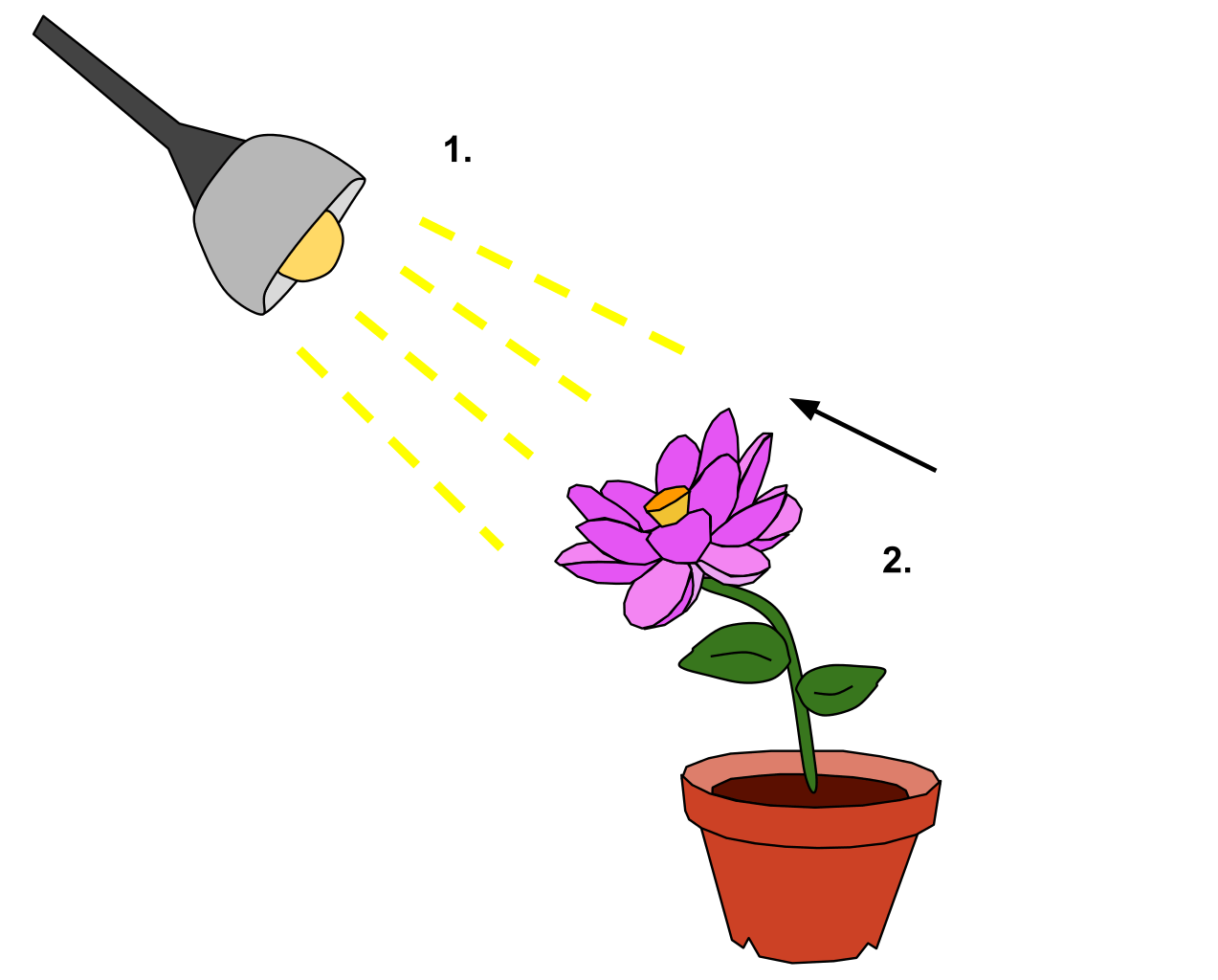
What does this picture represent?
a)
thigmotropism
b)
Phototropism
c)
Hydrotropism
d)
Geotropism
110.
Moves sugar (GLUCOSE) from leaves to the roots and back to the leaves
a)
Xylem
b)
Phloem
111.
Xylem and Phloem are both __.
a)
Transpiration
b)
Absorption
c)
Photosynthesis
d)
Vascular tissue
112.
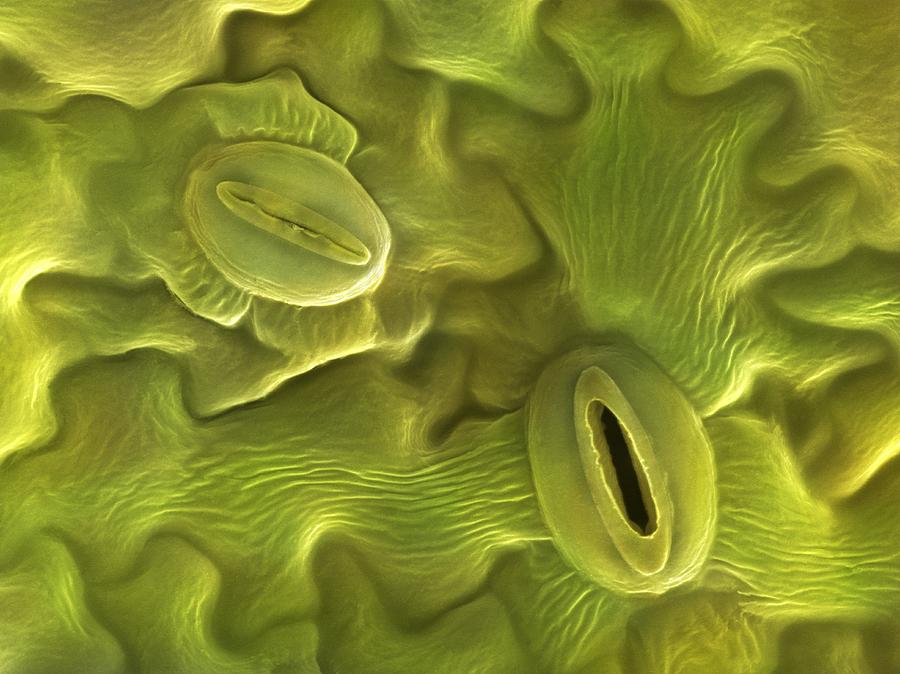
Opening that allows gas exchange, BUT results in water loss
a)
Stomata
b)
Leaves
c)
Roots
d)
Vascular tissue
113.
How are photosynthesis and cellular respiration related?
a)
They have opposite equations
b)
they have the same equation
c)
they both produce carbon dioxide
d)
they both produce oxygen
114.
How do animals get nitrogen?
a)
the atmosphere
b)
eating other organisms
c)
bacteria
d)
lightning
115.
What are the two ways nitrogen gas is turned into a form plants and animals can use?
a)
lightning & bacteria
b)
bacteria & worms
c)
lightning & worms
d)
bacteria & fungi
116.
Which process converts carbon in the form of sugar into carbon dioxide gas?
a)
Bioremediation
b)
Photosynthesis
c)
Respiration
d)
Transpiration
117.

What is the order of succession shown in this figure?
a)
A, B, C, D
b)
B, A, D, C
c)
C, D, A, B
d)
D, A, B, C
118.
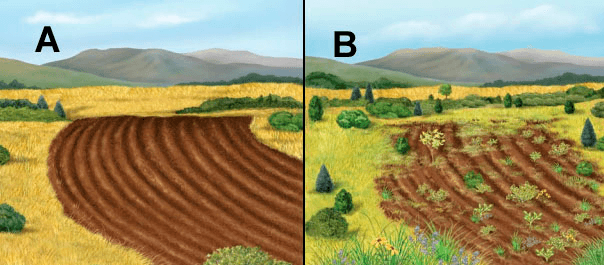
What type of succession is shown going from figure A to figure B?
a)
primary succession
b)
ecological succession
c)
secondary succession
d)
intermediate
119.
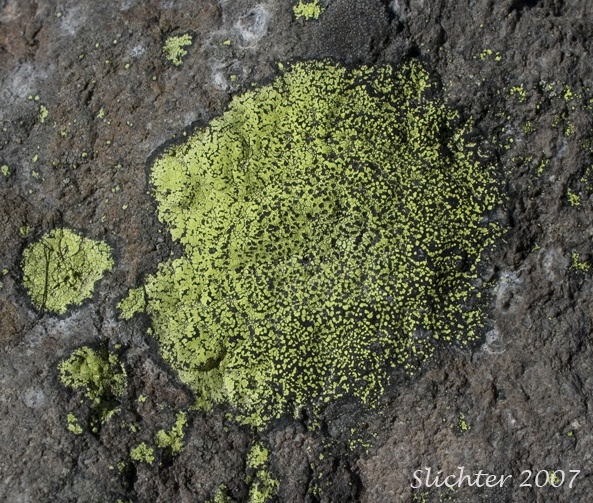
What is the name given to lichen or algae after a primary succession?
a)
pioneer species
b)
volunteer species
c)
founder species
d)
conqueror species
120.
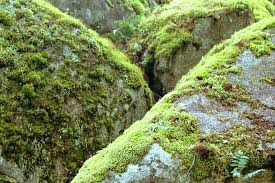
What are examples of pioneer species in a primary succession?
a)
Bushes and Shrubs
b)
Oak trees
c)
Mossess and Lichens
d)
A rose Bush
121.

Barnacles sometimes live on the outside surface of other larger shelled organisms without causing any harm. What is the ecological relationship?
a)
Mutualism
b)
Parasitism
c)
Commensalism
d)
Predator-Prey
122.

Cows and pronghorn both eat the same types of food in areas of Utah. What is the ecological relationship?
a)
Cooperation
b)
Parasitism
c)
Commensalism
d)
Competition
123.

Ants protect soft bodied aphids and in return the aphids feed the ants a sugary drink. What is the ecological relationship?
a)
Cooperation
b)
Parasitism
c)
Commensalism
d)
Mutualism
124.
The purpose of the cardiovascular system is
a)
To distribute nutrients and oxygen throughout the body
b)
To control the functions of the other body systems
c)
To move and stabilize the body
d)
To take in oxygen into the body and release carbon dioxide
125.
The purpose of the respiratory system is
a)
To distribute nutrients and oxygen throughout the body
b)
To control the functions of the other body systems
c)
To move and stabilize the body
d)
To take in oxygen into the body and release carbon dioxide
126.
The purpose of the muscular system is
a)
To distribute nutrients and oxygen throughout the body
b)
To control the functions of the other body systems
c)
To move and stabilize the body
d)
To take in oxygen into the body and release carbon dioxide
127.
The purpose of the nervous system is
a)
To distribute nutrients and oxygen throughout the body
b)
To control the functions of the other body systems
c)
To move and stabilize the body
d)
To take in oxygen into the body and release carbon dioxide
128.
The purpose of the immune system is to:
a)
Protect against infection
b)
Filter wastes from the body
c)
Balance the hormones in the body
d)
Provide a barrier against external (outside) bacteria
129.
The purpose of the endocrine system is to:
a)
Protect against infection
b)
Filter wastes from the body
c)
Balance the hormones in the body
d)
Provide a barrier against external (outside) bacteria
130.
The process by which an organism’s internal environment is kept stable in spite of changes in the external environment.
a)
Positive Feedback
b)
Negative Feedback
c)
Homeostasis
d)
Targeted Cells
131.

One role of the pancreas is to create enzymes to help breakdown food. This function makes it part of which system?
a)
Endocrine
b)
Digestive
c)
Immune
d)
Urinary
132.

Which system detects changes in the environment and sends electrical signals in response to these changes?
a)
Nervous
b)
Endocrine
c)
Lymphatic
d)
Reproductive
133.
Your skin and hair are parts of your ___________
a)
endocrine system
b)
excretory system
c)
lymphatic system
d)
integumentary system
134.
What is the function of red blood cells?
a)
to transport oxygen
b)
to store fat
c)
to support the skin
d)
to produce blood cells
135.
During exercise, the heart beats faster in order to
a)
carry digestive juices to the small intestines
b)
provide muscles with additional oxygen
c)
lower blood pressure
d)
digest more food
136.
What might happen if you remove a primary consumer from the ecosystem?
a)
There would be more food for secondary consumers.
b)
The number of primary consumers would increase.
c)
The number of plants would increase.
d)
The number of secondary consumers would increase.
137.
A tapeworm inside a dog is
a)
competition
b)
predation
c)
commensalism
d)
parasitism
138.

diagram that shows the energy available to each trophic level in an ecosystem; 10% is passed on to upper levels, the rest is lost as heat
a)
succession
b)
cellular respiration
c)
energy pyramid
d)
biochemical cycle
139.
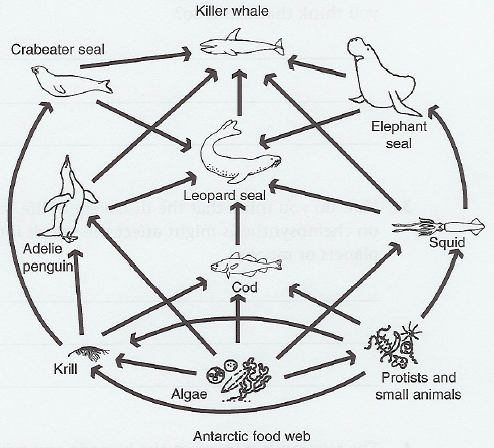
How many predators does the squid have?
a)
1
b)
2
c)
3
d)
4
140.
The efficiency of energy transfer from a lower trophic level to the next highest level is roughly
a)
1%
b)
10%
c)
100%
d)
1000%
141.
The arrows in a food chain or web represents what?
a)
They point to the organism that is being eaten.
b)
It shows how sunlight flows within an ecosystem.
c)
They show what direction the energy is flowing between organisms.
d)
They represent how water is transferred within a habitat.
142.

All of the living and nonliving things in an area that interact with each other are called a/an ______.
a)
community
b)
habitat
c)
population
d)
ecosystem
143.

Different populations living and interacting with each other in the same area
a)
Biome
b)
Ecosystem
c)
Community
d)
Niche
144.
A group of a particular species living and interacting in the same area
a)
Community
b)
Population
c)
Organisms
d)
Biosphere
145.
Water temperature would be an example of ...
a)
biotic factor
b)
abiotic factor
100 %

