wayground logo

Free Printable Worksheets

Font size

S
M
L
XL
Worksheets

2017-2018 Cumulative Online Assessment

Total questions: 120

Worksheet time: 1hrs 21mins

Name
Class
Date
1.
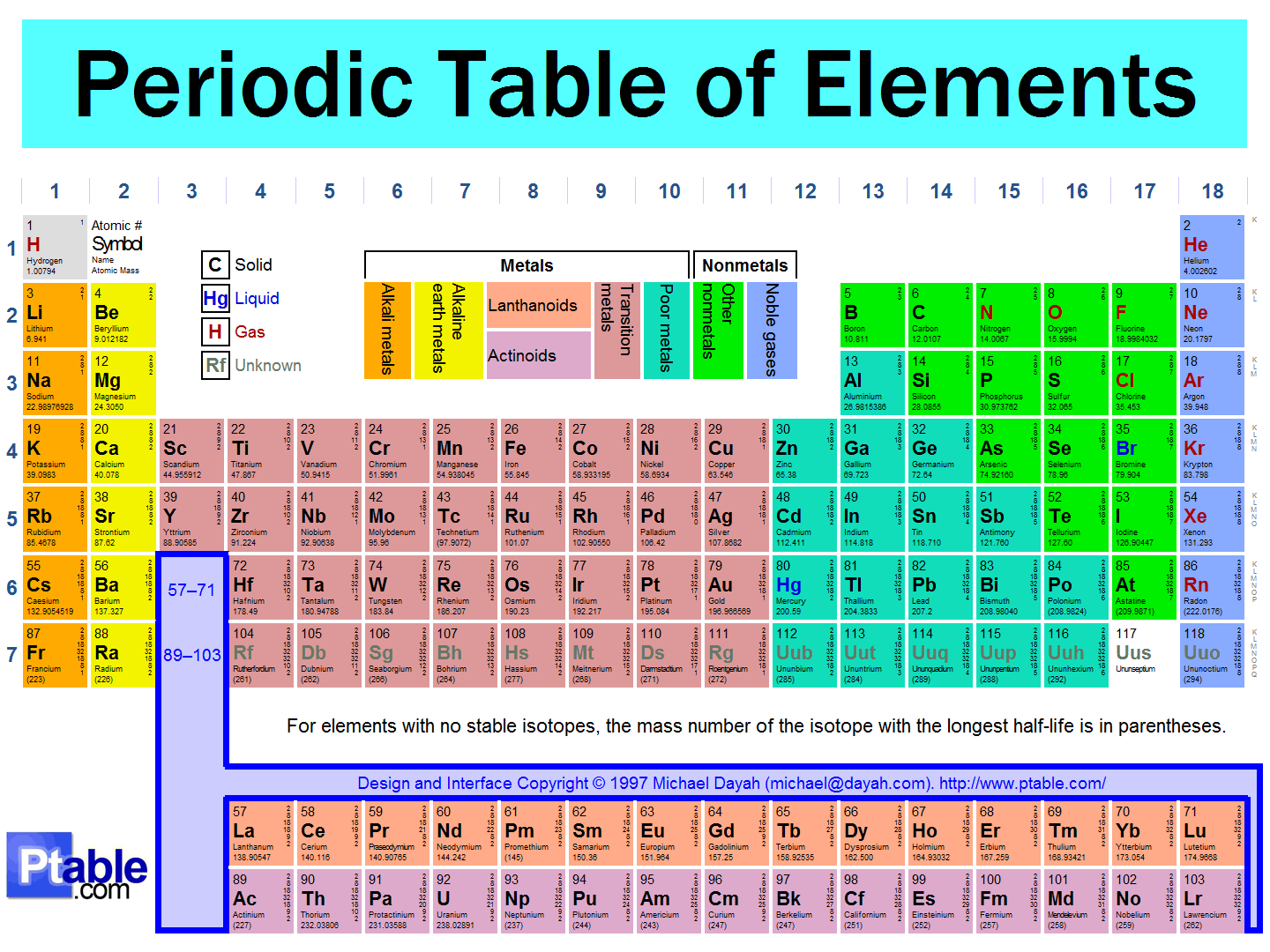
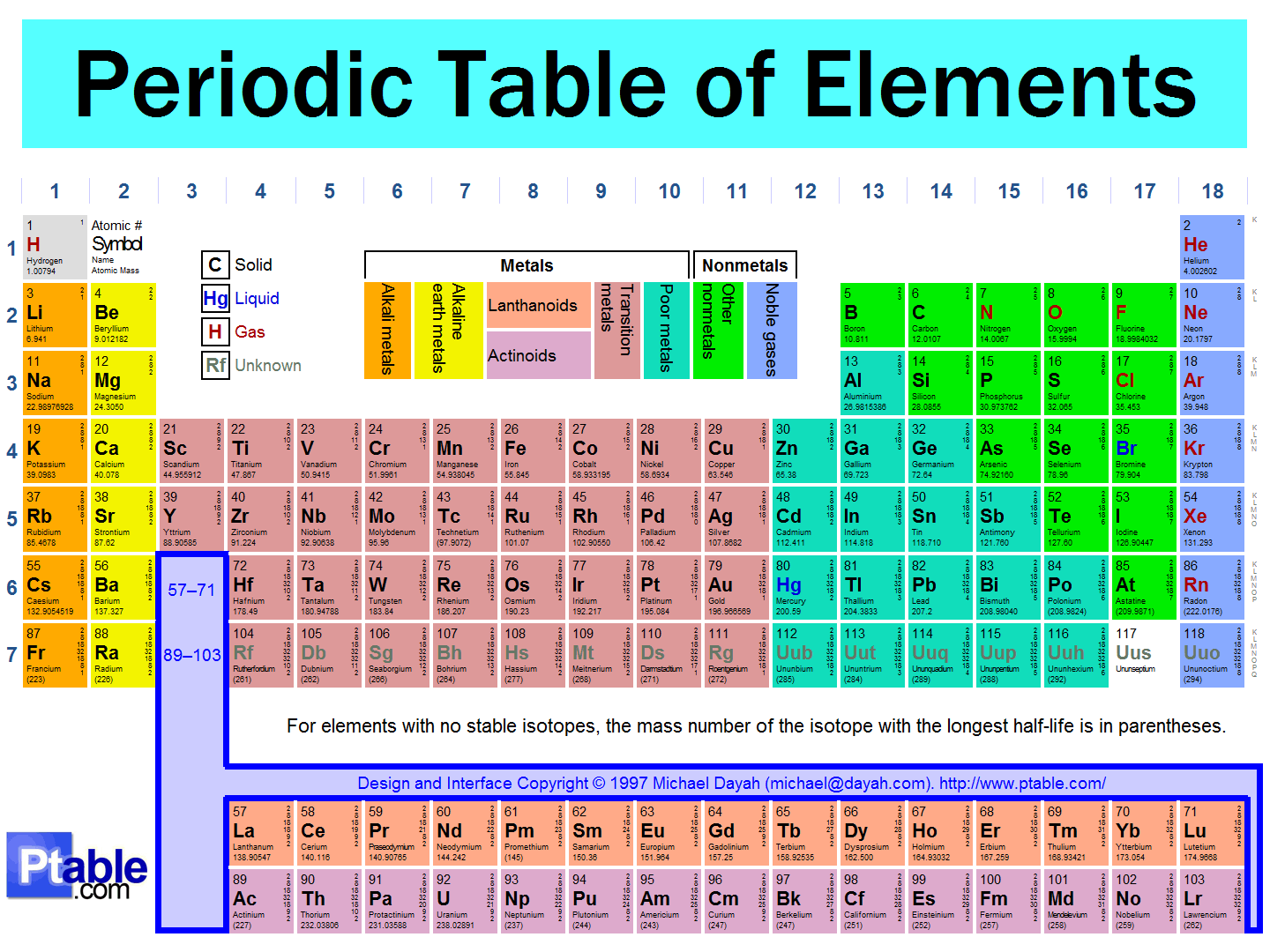
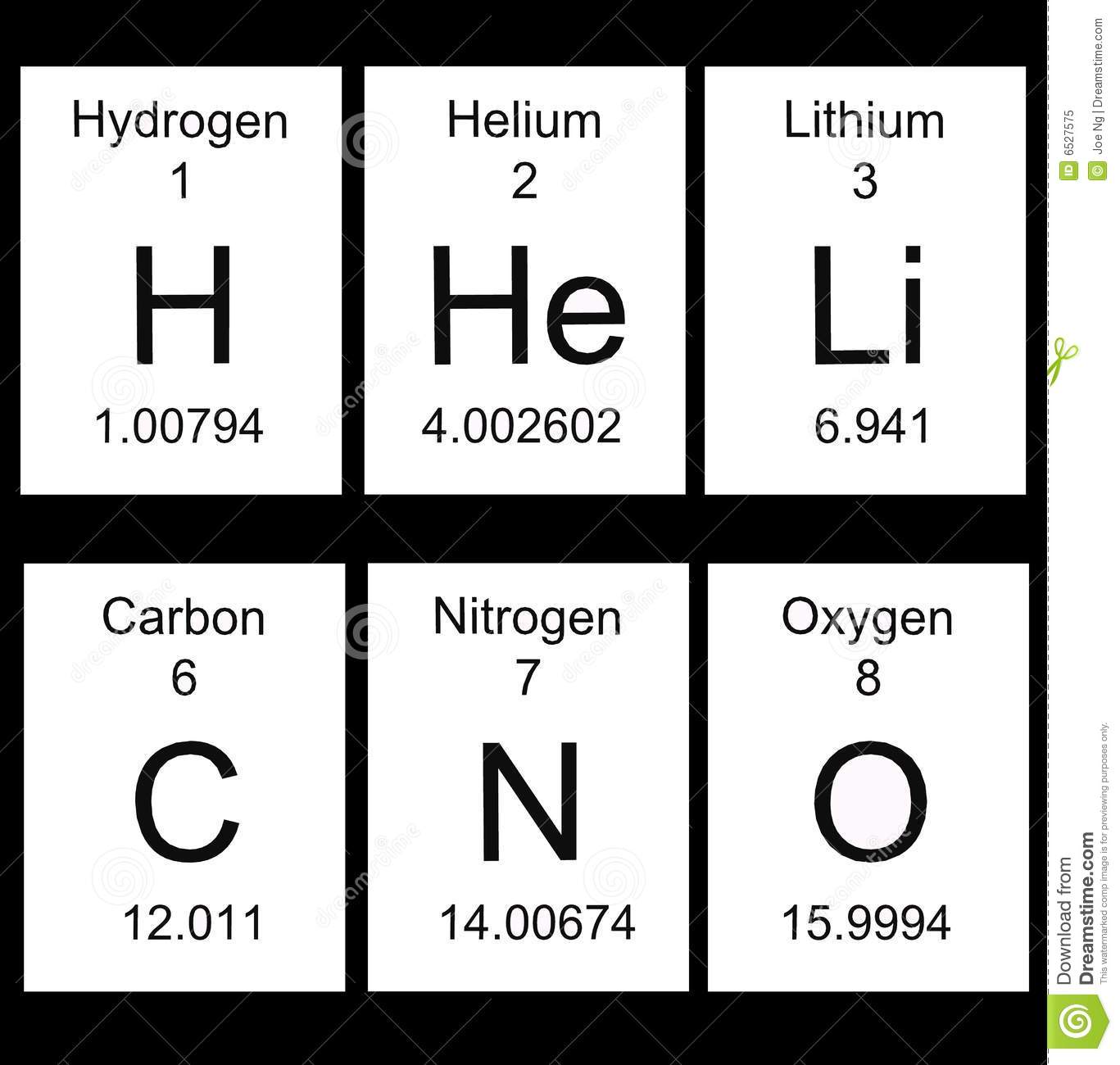
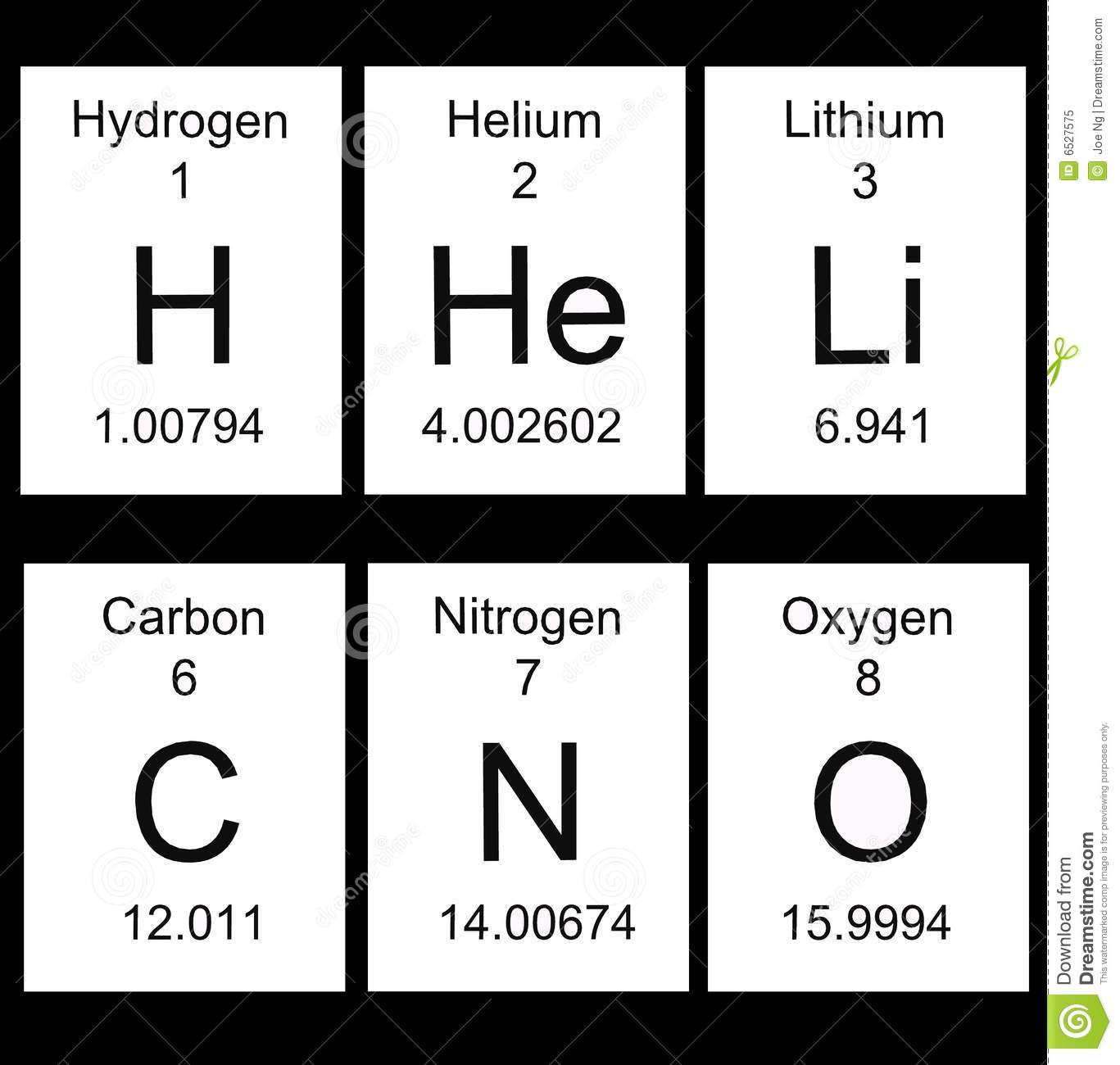
The chemical symbol for Helium is
a)
H
b)
Hg
c)
He
d)
O
2.
Sodium is an ingredient in salt.  The chemical symbol for salt is
a)
N
b)
Na
c)
Mg
d)
S
3.
The chemical symbol for Oxygen is
a)
Ox
b)
Og
c)
O
d)
On
4.
The chemical symbol for Silicon is
a)
S
b)
Sn
c)
Sc
d)
Si
5.
The chemical symbol for Carbon is
a)
C
b)
Cb
c)
Ca
d)
Cn
6.
The two most common elements found in the oceans are.  Remember oceans are made up of water.
a)
Sodium and Nitrogen
b)
Oxygen and Aluminum
c)
Iron and Carbon
d)
Oxygen and Hydrogen
7.
What is the most abundant element found in the earth's atmosphere?
a)
Oxygen
b)
Sulfur
c)
Nitrogen
d)
Argon
8.
What element is essential (needed) for all Living Things but is not in the atmosphere?
a)
Iron (Fe)
b)
Carbon (C)
c)
Hydrogen (H)
d)
Argon (Ar)
9.
Elements are represented by chemical symbol.  Symbols are written with
a)
all lower case letters
b)
all capital letters
c)
always only one  letter
d)
At least and ONLY one capital letter
10.
The percentage of Nitrogen in the earth's atmosphere is
a)
one percent
b)
seventy-eight  percent
c)
fifty percent
d)
twenty-one percent
11.

If an element is malleable and ductile it is probably a

a)

metal

b)

metalloid

c)

nonmetal

d)

atom

12.

Elements that have properties of both metals and nonmetals are considered a

a)

metalloid

b)

metal

c)

nonmetal

d)

metal type

13.

Boron, silicon, and antimony are examples of elements from which category?

a)

metal

b)

metalloid

c)

nonmetal

d)

compound

14.

Why are elements considered a pure substance?

a)

They are made of atoms

b)

They are hard to find

c)

They have many different properties

d)

They are made of only one type of particle

15.

The elements lead, gold, and copper are examples of which category of elements?

a)

metal

b)

nonmetal

c)

metalloid

d)

mixtures

16.

Which category of elements are dull and unmalleable?

a)

nonmetals

b)

metal

c)

metalloid

d)

compounds

17.

An element that conducts heat and electricity poorly is probably a?

a)

metal

b)

nonmetal

c)

metalloid

d)

atom

18.

Which of these is the correct chemical symbol for aluminum

a)

A

b)

Al

c)

Am

d)

Au

19.

Which of these is the correct chemical symbol for carbon

a)

C

b)

Cr

c)

Ca

d)

Cb

20.

Which of these is the correct chemical symbol for Gold

a)

Go

b)

Au

c)

Ag

d)

G

21.

Which of these is the correct chemical symbol for Helium

a)

H

b)

He

c)

Hl

d)

El

22.

Which of these is the correct chemical symbol for Hydrogen

a)

H

b)

Hy

c)

Hg

d)

Hn

23.

Which of these is the correct chemical symbol for Neon

a)

N

b)

Ne

c)

No

d)

En

24.

Which of these is the correct chemical symbol for Silver

a)

Au

b)

Ag

c)

Ae

d)

Si

25.

Which of these is the correct chemical symbol for Mercury

a)

M

b)

Me

c)

Hg

d)

He

26.

Which of these is the correct chemical symbol for nitrogen

a)

N

b)

Ni

c)

No

d)

Ng

27.

Which of these is the correct chemical symbol for nickel

a)

N

b)

Ni

c)

Nk

d)

Ag

28.

Which of these is the correct chemical symbol for Tin

a)

T

b)

Ti

c)

Tn

d)

Sn

29.
Which particle has a positive charge?
a)
electron
b)
orbital
c)
proton
d)
neutron
30.
An electron has a _____ charge.
a)
negative
b)
positive
c)
neutral
31.
Describe an Electron Cloud?
a)
the mist outside of an atom
b)
home of the protons
c)
where electrons are located
d)
nucleus
32.
What are valence electrons?
a)
electrons on the first orbital always
b)
nucleus
c)
the outermost shell
d)
the number of electrons on the outermost orbital
33.
Which particles make up the nucleus of an atom?
a)
protons and neutrons
b)
electrons and protons
c)
electrons, protons, and neutrons
d)
electrons and neutrons
34.
The particles of the atom you can find by knowing the atomic number.
a)
neutrons
b)
protons and electrons
c)
protons and neutrons
d)
atomic mass
35.
The subatomic particle that determines the identity of an element.
a)
neutron
b)
proton
c)
electron
d)
outer shell
36.
Most of the mass of an atom is contained here.
a)
electron orbitals 
b)
nucleus
c)
shells
d)
atomic #
37.
What is the number that gives you the element and the number of protons contained in each elemental atom?
a)
atomic mass
b)
mass number
c)
symbol
d)
atomic #
38.
The horizontal row on the periodic table is called a
a)
group
b)
family
c)
period
d)
atomic number
39.
A vertical column is called...
a)
group
b)
tower
c)
period
d)
crew
40.
The number at the bottom of each square on the periodic table is the ...
a)
atomic number
b)
atomic mass
c)
chemical symbol
d)
element name
41.
What is the chemical symbol for Lithium?
a)
H
b)
He
c)
Li
d)
N
42.
When plants convert the sun's energy into food, which type of energy is it?
a)
kinetic
b)
chemical
c)
thermal
d)
radiant
43.
What kind of energy is represented in this picture?
a)
Thermal
b)
Potential
c)
Nuclear
d)
Mechanical
44.
What kind of energy does this device use?
a)
Chemical
b)
Electrical
c)
Thermal
d)
Chemical
45.
What kind of energy is represented in the picture?
a)
Thermal
b)
Chemical
c)
Sound
d)
Nuclear
46.
A battery converts what type of energy to another?
a)
sound to kinetic
b)
light to heat
c)
mechanical to electrical
d)
chemical to electrical
47.
What machine changes electrical energy into light and sound energy?
a)
battery
b)
lightbulb
c)
alarm clock
d)
apple
48.
Which of the following is a fossil fuel?
a)
Wind
b)
Coal
c)
Solar
d)
Biomass
49.
What characteristic do all renewable resources share?
a)
Produced by waste products
b)
Form underground from dead organisms.
c)
Replaced in a short period of time
d)
Allow energy to pass through them easily
50.
Hydroelectric power produces electricity using.....
a)
Wind
b)
Sunlight
c)
Moving water
d)
Dung
51.
The careful use of a resource is....
a)
recycling
b)
pollution
c)
depositing
d)
conservation
52.
 Energy from the sun is known as......... 
a)
hydroelectric energy
b)
geothermal energy
c)
solar energy
d)
wind energy
53.
Which of the following is a nonrenewable resource?
a)
milk
b)
coal
c)
biomass
d)
water
54.
What type of fossil fuel is mined from the ground?
a)
wind
b)
coal
c)
biomass
d)
air
55.
Non-Renewable resources are also known as what?
a)
Fossil Fuels
b)
Renewable
c)
Solar Energy
d)
Hydroelectric Energy
56.
what is a fossil fuel
a)
oil
b)
biomass
c)
wind 
d)
hydro
57.
what is a renewable resource used for?
a)
food
b)
diging
c)
energy
d)
smelting
58.
What is a renewable resource?
a)
An object you can reuse
b)
An object you cannot reuse
c)
Fossil fuels
d)
Oil
59.
What is a non-renewable resource?
a)
Paper
b)
You can`t reuse them 
c)
A plastic bottle
d)
You can reuse 
60.
Where does most of earth`s energy come from?
a)
The sun
b)
Mars
c)
Wind
d)
Water
61.
Fossil fuels are Renewable resources. True or False?
a)
True
b)
False
62.
Do Renewable energy sources run out?
a)
Yes 
b)
No
63.
Which renewable resource gets its direct energy from the sun? 
a)
Geothermal
b)
Solar
c)
Wind
d)
Hydrogen
64.
The largest body in our solar system is
a)
Earth
b)
the Sun
c)
Jupiter
d)
the Moon
65.
Which statement BEST describes the diagram?
a)
The sun is rotating around Earth.
b)
The earth is rotating around the sun.
c)
Earth is revolving around the sun
d)
The sun is revolving around Earth.
66.
Which of the following lists is in order from smallest to largest?
a)
star
planet
universe
solar system
b)
planet
star
solar system
 universe
c)
Universe
Star
Solar Sytem
Planet
d)
solar system
star
planet
universe

67.
One rotation of Earth on its axis takes
a)
1 day
b)
1 week
c)
1 month
d)
1 year
68.
Earth and the other planets closest to the Sun are made mostly of _______
a)
gas
b)
metal
c)
water
d)
rock
69.
One full orbit of an object around another object is called a ________.
a)
axis
b)
rotation
c)
revolution
d)
satellite
70.
The __________ has planets, moons, comets, and asteroids.
a)
solar system
b)
earth
c)
rotation
d)
United States
71.
One of the main differences between the outer and inner planets is __________.
a)
The inner planets all have water
b)
the inner planets are much bigger than the outer planets
c)
the outer planets are gas planets
d)
the outer planets have rings, and the inner planets don't
72.
Which is the largest object in our solar system?
a)
Sun
b)
Jupiter
c)
Earth
d)
Pluto
73.
The GAS GIANTS or Outer planets are:
a)
Mercury, Earth, Jupiter, Saturn
b)
Saturn, Neptune, Pluto, Mars
c)
Saturn, Jupiter, Uranus, Neptune
d)
Earth, Mars, Saturn, Neptune
74.
The inner planets are:
a)
Jupiter, Earth, Mars, Mercury
b)
Saturn, Uranus, Mars, Earth
c)
Earth, Pluto, Neptune, Mars
d)
Mercury, Venus, Earth, Mars
75.
The four terrestrial planets all have
a)
Rocky surfaces
b)
Hot temperatures
c)
Deep atmospheres
d)
Large size
76.
Which planet is the hottest planet?
a)
Mercury
b)
Mars
c)
Venus
d)
Saturn
77.
Why does the moon appear to shine?
a)
It is like a star and gives off light
b)
it refracts light from space
c)
It reflects light from the sun
d)
It absorbs light from the sun
78.
What holds the moon, the planets, and all other objects in orbit around the sun?
a)
ocean tides
b)
magnetism
c)
gravity
d)
the sun's heat and light
79.
Which type of technology would you use to see far away objects?
a)
computer
b)
rover
c)
satellite
d)
telescope
80.
The farther from the sun the _____________ the revolution (year)
a)
shorter
b)
longer
81.
Which planet in our solar system is closest to the Sun?
a)
Earth
b)
Jupiter
c)
Mercury
d)
Saturn
82.
What planet is eighth in the Solar System?
a)
Uranus
b)
Jupiter
c)
Neptune
d)
Mars
83.
Which planet is the largest in the solar system?
a)
Earth
b)
Venus
c)
Saturn
d)
Jupiter
84.
How many days does it take the Earth to revolve around the Sun?
a)
30 days
b)
365 days
c)
 100 days
d)
40 days
85.
What is the fourth planet from the Sun?
a)
Earth
b)
Mars
c)
Jupiter
d)
Mercury
86.
What is the nickname of Mercury, Venus, Earth, and Mars?
a)
rocky planets
b)
rock stars
c)
first four
d)
final four
87.
The sun shines down on this family as the play on the beach.
a)
conduction
b)
convection
c)
radiation
88.
A group of friends gather around a fire to stay warm.
a)
conduction
b)
convection
c)
radiation
89.
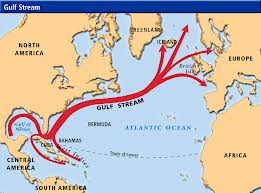
The Gulf Stream is a current that brings warm ocean water from the south to the north.
a)
conduction
b)
convection
c)
radiation
90.
Walking on the warm sand sand with your bare feet.
a)
conduction
b)
convection
c)
radiation
91.
Blow drying your wet hair.
a)
conduction
b)
convection
c)
radiation
92.
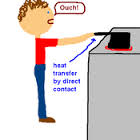
The man goes to take the hot pot off the stove with his bare hands.
a)
conduction
b)
convection
c)
radiation
93.
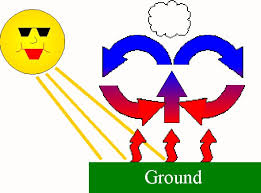
Warm air rises and the cool air sinks.
a)
conduction
b)
convection
c)
radiation
94.
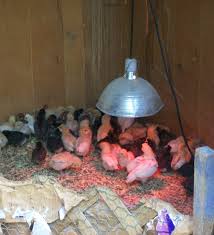
The baby chickens are kept warm from the heat lamps.
a)
conduction
b)
convection
c)
radiation
95.
In some cultures, walking on fire is the ultimate sign of strength.
a)
conduction
b)
convection
c)
radiation
96.
In this experiment, the WARM red dye and the COLD blue dye was placed in the water at the same time. The warm red dye rose to the top while the cold blue dye sank to the bottom.
a)
conduction
b)
convection
c)
radiation
97.
Johnny accidentally grabbed the handle of the hot pot.
a)
conduction
b)
convection
c)
radiation
98.
The warm air from this heater creates a current when the warm air rises and the cold air sinks.
a)
conduction
b)
convection
c)
radiation
99.
The chocolate bunny and the iron.
a)
conduction
b)
convection
c)
radiation
100.
The chocolate bunny and the lamp.
a)
conduction
b)
convection
c)
radiation
101.
Poor conductors like wood and plastic are called:
a)
conductors
b)
insulators
c)
burners
102.
Bacteria is what kind of cell?
a)
Eukaryotic
b)
Prokaryotic
103.
All living things are made of...
a)
atoms 
b)
cells 
c)
bacteria 
d)
plants 
104.
What is unicellular? 
a)
one cell 
b)
many cells 
c)
no nuclues 
d)
DNA 
105.
What type of cell has a nucleus? 
a)
eukaryotic
b)
prokaryotic 
106.
What type of cell does not have a nucleus?
a)
eukaryotic 
b)
prokaryotic 
107.
Plants and animal cells are examples of ___ cells 
a)
prokaryotic cells 
b)
eukaryotic cells 
108.
Bacteria are unicellular
a)
True
b)
False
109.
Bacteria are
a)
prokaryotes
b)
eukaryotes
110.
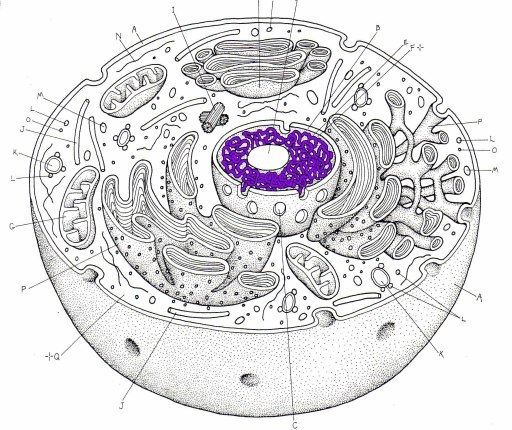
What type of cell is pictured?
a)
Prokaryotic
b)
Eukaryotic
c)
Plant
d)
Animal
111.
What kind of cell is this?
a)
Eukaryotic
b)
Prokaryotic
112.
First type of cell to appear on Earth?
a)
Plant
b)
Animal
c)
Prokaryotic
d)
Eukaryotic
113.
Larger and more complex
a)
Eukaryotic Cell
b)
Prokaryotic Cell
114.
Contains cytoplasm
a)
Eukaryotic Cell
b)
Prokaryotic Cell
c)
Both
d)
Neither
115.
Contains a nucleus
a)
Eukaryotic Cells
b)
Prokaryotic Cells
c)
Both
d)
Neither
116.
Contains DNA
a)
Eukaryotic Cells
b)
Prokaryotic Cells
c)
Both
d)
Neither
117.
______________ are the basic unit of living things.
a)
Kittens
b)
Organisms
c)
Cells
d)
Organelles
118.
Where is the DNA found in a eukaryotic cell? 
a)
floating around in the cytoplasm 
b)
in the nucleus 
119.
Temperature, light, air, water, and soil are all  _____  parts of the environment
a)
alive
b)
biotic 
c)
abiotic
d)
living
120.
Is a deer an abiotic or biotic factor? 
a)
abiotic
b)
biotic