
 Worksheets
Anatomy S2 Study Guide
Total questions: 244
Worksheet time: 4hrs 0mins

What are the three (3) main parts of the nervous system?
cerebellum, cerebrum, medulla
cochlea, nerves, vestibule
brain, spinal cord, nerves

Which neurons act to connect a sensory neuron to a motor neuron?
interneuron
afferent
efferent
motor

Which letter represents the "cervical region" of the spinal cord and vertebral column?
A
B
C
D

Which letter represents the "thoracic region" of the spinal cord and vertebral column?
A
B
C
E

Which letter represents the "lumbar region" of the spinal cord and vertebral column?
A
B
C
D

Which lobe is known for “higher-cognitive functions" like problem solving and decision making?
Frontal Lobe
Parietal Lobe
Temporal Lobe
Occipital Lobe

Which lobe is responsible for hearing, selective attention, and language comprehension?
Frontal Lobe
Temporal Lobe
Parietal Lobe
Occipital Lobe


Which part of the brain controls messages between the cerebrum and the spinal cord. Also maintains vital signs such as breathing and heart beat
Parietal Lobe
Cerebellum
Brain Stem
Pons

What is deep brain structure in the Temporal Lobe concerned with maintaining homeostasis?
Hypothalamus
Hippocampus
Amygdala
Neocortex

What is the deep structure of the brain in the Temporal Lobe important for moving information from short-term memory to long-term memory so we can learn?
Hypothalamus
Hippocampus
Amygdala
Basal ganglia

What deep structure of the brain in the Temporal Lobe is responsible for intense emotion of fear and anger?
Hypothalamus
Hippocampus
Amygdala
Midbrain

What is the largest part of the brain?
Thalamus
Cerebellum
Spinal Cord
Cerebrum


Paralysis of the lower extremities is __________.
paraplegia
hemiplegia
diplegia
quadriplegia

Quadriplegia means the patient is paralyzed from
the neck down
the waist down
only the legs
isn't paralyzed at all

The five regions of the spine are:
Vetebrae,Lumbar,
Thoracic
Sacrum,
Coccygeal
Fascicle, Lumbar, Sacrum, Thoracic, Pericardiac
Cervical, Thoracic, Lumbar, Sacrum, Coccygeal
Cervical, Thoracic, Lumbar, Sacrum, Pharyngeal


Place these vertebrae in order from top to bottom:
A. coccygeal
B. thoracic
C. lumbar
B C A
A B C
B A C
A C B

What part of the brain stem controls heart rate, blood pressure, and digestion and is also responsible for reflexes like vomiting, sneezing, and coughing?
Midbrain
Pons
Medulla
Hypothalamus

Which part of the brain controls breathing?
cerebrum
cerebellum
brain stem
corpus callosum

Which part of the brain controls balance?
cerebrum
cerebellum
brain stem
corpus callosum


Effectors may be all of the following EXCEPT:
cardiac muscle
glands
smooth muscles
sensory cells
Division of the ANS that is rest & digest
sympathetic
parasympathetic

Division of the ANS that increases heart rate.
sympathetic
parasympathetic

Division of the ANS that deals with the big meal you just ate.
sympathetic
parasympathetic

Division of the ANS that kicks in when you're giving a speech in front of the class.
sympathetic
parasympathetic

Division of the ANS that is associated with the experience of a broken bone or other injury.
sympathetic
parasympathetic
What is definition of autonomic?
The neutrons detect a stimulus
Controls involuntary actions
The muscles respond
A reaction to stimulus

Which one of the following is directly controlled by the somatic nervous system:
smooth muscle
cardiac muscle
skeletal muscle
abdominal muscles
The "fight or flight" response during threatening situations is the role of the:
sympathetic nervous system
parasympathetic system
somatic nervous system
cerebellum
The neurotransmitter(s) that are released during fight or flight is(are):
acetylcholine only
acetylcholine and norepinephrine
norepinephrine only
serotonin and melatonin

Neurotransmitters are _____________ that travel across the ____________ to another cell.
electrical signals; receptors
electrical signals; synapse
chemicals; receptors
chemicals; synapse
What cranial nerves contain parasympathetic nerves?
CN III, CN VII, S1, S2
CN X, CN VII, CN III
CN IX, CN X, CN VI, CN III
Occulomotor, S2, S3, Hypoglossal

Which is true of the parasympathetic nervous system?
Short preganglionic neuron / Long postganglionic neuron
Synapse near the spinal cord
Long preganglionic neuron / Short postganglionic neuron
Arises from C1-C6

Which is true of the sympathetic nervous system?
Short preganglionic neuron / Long postganglionic neuron
Synapse near the spinal cord
Long preganglionic neuron / Short postganglionic neuron
Arises from C1-C6

Term describes most vital organs receiving instructions from both sympathetic and parasympathetic divisions
fight and flight
dual innervation
efferent and afferent
rest and digest

What is the location of adrenergic receptors?
Effector organs of the parasympathetic
Sympathetic chain ganglia
Collateral ganglia
Sympathetic effector organs

Which neuron is adrenergic?
Post-ganglionic sympathetic
Pre-ganglionic sympathetic
Post-ganglionic parasympathetic
Pre-ganglionic parasympathetic

All pre-ganglionic neurons of the ANS are _______________ neurons.
cholinergic
adrenergic

A postganglionic neuron of the sympathetic division releases ______________ so it is an ________________ receptor.
Acetylcholine, cholinergic
Acetylcholine, adrenergic
Norepinephrine, adrenergic
Norepinephrine, cholinergic

Cholinergic receptors are:
beta
alpha
muscarinic
nicotinic

A beta 1 receptor is found on the
heart
stomach
lungs
adipose tissue
A beta 2 receptor is found on the


Preganglionic cell bodies in the sympathetic nervous system are located in the
cervical spinal cord
thoracolumbar spinal cord
sacral spinal cord
basal ganglia

Postganglionic nerve cell bodies in the parasympathetic nervous system are located in the
sacral spinal cord
basal ganglia
ganglia in or near target organs
thoracolumbar spinal cord
A drug that causes effects similar to the activation of the sympathetic nervous system; increases heart rate, force of cardiac contraction and blood pressure,
parasympathomiometic
parasympatholytic
sympathomiometic
sympathomiolytic
A drug that causes effects that are similar to a situation where the sympathetic nervous system cannot be activated; prevents increase in cardiac activity,
parasympathomiometic
parasympatholytic
sympathomiometic
sympathomiolytic
A maintaining of nerve background level of activity so you can increase or decrease activity when needed
vasomotor tone
autonomic tone
singing tone
muscle tone
A "sympathetic tone" sympathetically-induced, continuous state of blood vessel constriction
vasomotor tone
autonomic tone
singing tone
muscle tone
The axon of neuron 2 leaves the ganglion and extends to the organ
cholinergic fiber
postgangliionic fiber
preganglionic fiber
adrenergic fiber
A fiber that secretes norepinephrine (NE) as its neurotransmitter
cholinergic fiber
postgangliionic fiber
preganglionic fiber
adrenergic fiber
Neurons of the parasympathetic nervous system leave the CNS at the level of the brain stem and sacrum (S2 to S4)
cholinergic fiber
postgangliionic fiber
preganglionic fiber
adrenergic fiber

Neurons of the parasympathetic nervous system leave the CNS at the level of the brain stem and sacrum (S2 to S4)
thoracolumbar outflow
craniosacral outflow

A type of cholinergic receptor; located on target organs; stimulated by muscarine, not by nicotine; blocked by atropin.
muscarinic receptors
nicotinic receptors
alpha-adrenergic receptors

Located on target organs; when stimulated, can cause an increase in the force of contraction of the heart, an increased heart rate, and bronchial dilation.
muscarinic receptors
nicotinic receptors
alpha-adrenergic receptors
beta-adrenergic receptors
A drug that activates a receptor.
agonist
antagonist
protagonist
protist
What two neurotransmitters are released from the ANS?
ACh
Dopamine
Norepinephrine (NE)
Aceytalpine

What is another name for the sympathetic division?
Craniosacral division
Parasympathetic division
Thoracolumbar division
Autonomic division

What is another name for the parasympathetic division?
Craniosacral division
Parasympathetic division
Thoracolumbar division
Autonomic division
What is not a differences between the sympathetic and parasympathetic?
Sites of origin
Their autonomous nature
Location of ganglia
Relative length of fibers

Which part of a neuron has the nucleus and cell organelles?
axon
dendrite
cell body
axon terminal

A nerve fiber that carries impulses toward the cell body of a neuron is a/an ________________.
dendrite
axon
neuron
myelin


The neurotransmitter most associated with rewards and motivation is:
Dopamine
Serotonin
GABA
Adrenaline

Which event characterizes repolarization?
Na+ rushing into the axon
K+ rushing out of the axon
Ca++ rushing into the axon
Activation of Na/K pumps


Which part of the neuron is myelinated?
Cell Body
Axon
Synapse
Dendrite
The ______________ is the basic building block of the nervous system.
soma
neuron
axon
terminal

What are the gaps in the myelin sheath called?
Nodes of Schwann cell
Nodes of Ranvier
Oligodendrocytes
Axon Terminals

Supporting glia cells, that provide nutrients and oxygen from near by capillaries are __________________.
astrocyte
oligodendrocytes
microglia
ependymal

Glial cells that are phagocytes, and get rid of debris are _____________.
astrocyte
oligodendrocytes
microglial
ependymal

The split-brain procedure involves the cutting of this
Cerebral Cortex
Cerebellum
Corpus Callosum
Caudate Nucleus


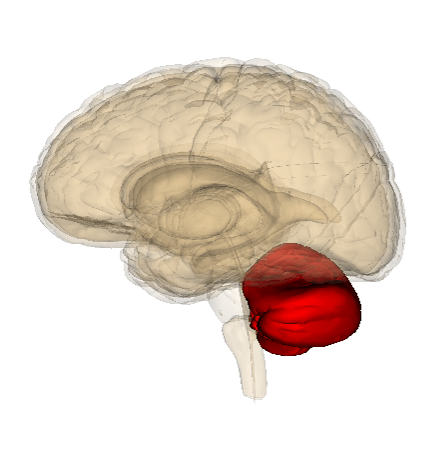


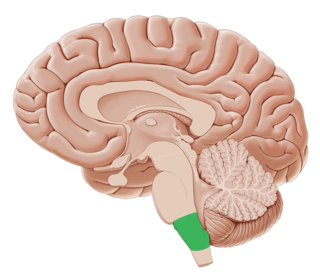

The correct order from outermost layer to innermost layer of the meninges is
pia mater, dura mater, arachnoid mater
arachnoid mater, pia mater, dura mater
dura mater, pia mater, arachnoid mater
dura mater, arachnoid mater, pia mater

Which two are part of the diencephalon?
pituitary gland, pons
medulla, pineal gland
hypothalamus, pituitary gland
thalamus, hypothalamus


Part of brain that plays a major role in memory
limbic system
hypothalamus
hippocampus
amygdala


Released from the pancreas' alpha cells; causes liver to convert glycogen to glucose
Glucagon
Insulin
Estrogen
Adrenaline

Released from the pituitary; this hormone helps to regulate the body's water balance
TSH
Oxytocin
Aldosterone
ADH

This hormone regulates the thyroid
Thyroxine
Iodine
TSH
Prolactin

If you have diabetes, you most likely have a problem with this hormone.
ADH
Glucagon
Insulin
PTH

This hormone is released from the thyroid to stimulate the removal of calcium from the bone; balances the calcium levels in blood when it is too high.
Calcitonin
PTH
T3
Cortisol

This hormone stimulates ovulation in the ovary and testosterone production in the testes.
LH
FSH
Estrogen
GH

ADH targets which part?
Liver
Brain
Kidney
Bladder

The hormone released by the anterior pituitary that promotes lactation
prolactin
oxytocin
luteinizing hormone
follicle-stimulating hormone

Hormones from this gland help the immune system develop during childhood.
Thyroid Gland
Testes
Thymus Gland
Pancreas

These release testosterone, which controls changes in a male's body and regulates sperm production.
Ovaries
Target Cells
Parathyroids
Testes

These release estrogen, which controls changes in a female's body and regulates egg production.
Testes
Hormones
Ovaries
Pancreas

Produces the hormone insulin and glucagon, which controls the level of glucose in the blood.
Thyroid Gland
Pancreas
Thymus Gland
Pituitary Gland

Turns on, turns off, speeds up, slows down the activities of different organs and tissues.
Negative Feedback
Target Cell
Hypothalamus
Hormone
These recognize the hormone's chemical structure.
Negative Feedback
Target Cells
Parathyroid Glands
Ovaries

The endocrine system uses this system of turning hormones on and off to maintain homeostasis.
Hypothalamus
Thymus
Negative Feedback
Target Cells

When you have a fight or flight response, which gland is activated?
Adrenal Gland
Thymus
Parathyroid
Testes

The pineal gland produces melatonin. Melatonin regulates what?
Urge to urinate
Hunger
Sugar metabolism
Sleep Cycle
All of the above

Where is the pituitary gland located?
Near the ovaries
Base of the skull
Base of the spine
Near the pancreas
Which two systems are responsible for communication within the body?
Circulatory and Nervous
Nervous and Endocrine
Circulatory and Endocrine
Nervous and Lymphatic
Endocrine and Lymphatic

Which of the following is an example of a positive feedback loop?
regulation of body temperature at 37 degrees Celsius
regulation of blood sugar levels
contractions during childbirth
regulation of water levels in humans
These hormones promote secondary sex characteristics in females
testosterone and GH
epinephrine and nor-epinephrine
estrogen and progesterone
prolactin and oxytocin

What endocrine disorder is shown in the photo?
acromegaly
Addison's disease
cretinism
Myxedema

What endocrine disorder is shown in the photo?
Cushing's disease
Addison's disease
cretinism
Myxedema

What endocrine disorder is shown in the photo?
Cushing's disease
Addison's disease
cretinism
Graves' disease

What endocrine disorder is shown in the photo?
Cushing's disease
Addison's disease
cretinism
Graves' disease

What endocrine disorder is shown in the photo?
Cretinism
Gigantism
Dwarfism
Cushing's disease

What endocrine disorder is shown in the photo? (two answers)
hypocalcemia
lockjaw
hypoparathyroidism
diabetes

What endocrine disorder accounts for these diagrammed symptoms?
tetany
hypoglycemia
hypocalcemia
hyperglycemia


A person with this blood group type can receive any other type of blood.
A
B
AB
0


What is the hormone that stimulates RBC production
Testosterone
Erythropoietin
Estrogen
Thyroxine


A persistent and irregular clot in an unbroken blood vessel is known as _______
a thrombus
an embolus
hemophilia
leukopenia


1. vascular spasm
2. ___________
3. coagulation

A soluble protein present in blood plasma, from which fibrin is produced by the action of the enzyme thrombin.
fibrinogen
albumin
globulin
heoglobin

Scientific name for platelets
leukocytes
erthryocytes
thrombocytes
monocytes


With Sickle-Cell anemia, the red blood cells have an unusual sickle shape?
True
False

Process by which phagocytes surround, engulf, and destroy foreign cells.
mononucleosis
Rh factor
hemostasis
phagocytosis
Deoxygenated blood is scarlet red.
True
False

A(n) ____ is a blood clot that is moving through your blood.
embolus
thrombus
A blood thinner; a naturally occurring anticoagulant produced by basophils and mast cells.
histamine
globulin
thrombin
heparin
What is the shape of a red blood cell?
biconcave
biconvex
flat
sickle
White Blood Cells
thrombocytes
erthryocytes
monocytes
leukocytes

The plasma protein needed for blood pressure regulation
globulin
albumin
fibrinogen
thrombin
These are clotting blood cells.
Erythrocytes
Thrombocytes
Leukocytes
Plasma

How many liters of blood does the human body contain?
1-3 gallons
2-3 liters
4-6 liters
4-6 pints
Which of these is NOT a cause for anemia?
The bone marrow stops making RBCs
Lack of amino acids in the diet
Lack of iron levels
Lack of Vitamin B12 and folate.
The name given to immature red blood cells.
reticulocytes
megakayrocytes
granulocytes
blastocytes

Overproduction of red blood cells making the blood too thick to move through the blood vessels.
anemia
sickle cell anemia
polycythemia
thromocytopenia

A condition caused by hyperbilirubinemia.
iron deficiency anemia
kernicterus
jaundice
sickle cell anemia
Which of these is NOT a cause for anemia?
The bone marrow stops making RBCs
Lack of amino acids in the diet
Lack of iron levels
Lack of Vitamin B12 and folate.
The name given to immature red blood cells.
reticulocytes
megakayrocytes
granulocytes
blastocytes

Commonly used to treat blood clots such as deep vein thrombosis and pulmonary embolism. Select 2 answers.
warfarin
heparin
cumadine
vitamin K
These drugs are called “clot busters” because they dissolve clots.
vitamin K
hypoprothrombinemia
vitamin A
fibrinolytic agents

The fibrous chords that attach to the cusps of the valves
Purkinje fibers
chordae tendineae
papillary muscles
cusps

What is the main organ of the circulatory system?
bladder
heart
veins
arteries

Oxygen-poor blood flows into what atrium?
left
bottom
right
top

The two chambers of the heart which receive blood are known as the _________
atria
ventricles
systemics
pulmonic

Blood leaves the right ventricle through the ___________.
pulmonary artery
aorta
superior vena cava
right atrium

What does letter D represent?
aorta
left atrium
left ventricle
right atrium

What does letter B represent?
aorta
superior vena cava
inferior vena cava
right pulmonary artery

What are the functions of the tricuspid and bicuspid valves?
prevent blood from leaking back into he ventricles
prevent blood from leaking back into the atria
allow blood to flow into the atria
allow blood to leave the ventricles

The role of the atrioventricular node (AV node) is to
initiate a sinus rhythm
conduct impulses to the sinoatrial node (SA node)
initiate ventricular depolarization
slow down impulses so that the atria can contract to fill the adjacent ventricles with blood

Which part of the ECG corresponds to the repolarization of the ventricle?
P wave
QRS complex
T wave
none of the above
Which valve separates the left atrium from the left ventricle?
tricuspid
mitral
pulmonary
aortic

Place the following in the correct order:
1. atria contract
2. AV node
3. Bundle of His
4. Purkinje fibers
5. SA node
6. ventricles contract
5, 1, 2, 3, 4, 6
2, 1, 5, 3, 4, 6
5, 6, 2, 3, 4, 1
2, 6, 5, 3, 4, 1

During diastole, where is the blood pressure higher?
atria
ventricles
aorta
pulmonary arteries

Where is the sinoatrial node located?
right atrium
right ventricle
left atrium
left ventricle

What is pulmonary circulation?
Blood travelling to and from the lungs
Blood travelling to and from the body
A blood clot in the lungs
The vessel that brings blood to the lungs

