wayground logo

Free Printable Worksheets

Font size

S
M
L
XL
Worksheets

BIO STAAR Review

Total questions: 241

Worksheet time: 8hrs 9mins

Name
Class
Date
1.
When experimenting with the growth of a plant, a scientist uses three (of the same type of) plants, two different fertilizers, equal light, and equal water. What type of variable is the fertilizer?
a)
Dependent
b)
Independent
c)
Control
d)
Compound
2.
Which variable depends on what is done at the beginning of an experiment?
a)
Dependent
b)
Independent
c)
Control
d)
Following
3.
What would the INDEPENDENT variable be in an experiment testing which types of paper airplane goes furthest?
a)
the paper used
b)
the type of paper airplane
c)
the distance of each plane's flight
d)
how hard the plane is thrown
4.
An experiment is performed on plants to see how different liquids affect plant growth. Each plant in the experiment is given a different liquid; water, apple juice, or milk. Each plant has the same amount of soil, sunlight, and listens to the same music. In this investigation, what is the dependent variable?
a)
Type of plant
b)
Water, apple juice, milk
c)
Plant growth
d)
Color of the plant's leaves
5.
What are the four biological molecules?
a)
proteins, carbohydrates, lipids, nucleic acids
b)
A, T, C, G
c)
water, air, earth, and fire
d)
Joe, Nick, and Kevin Jonas
6.

Which biomolecule is made of nucleotides and contains your DNA?

a)

Carbohydrate

b)

Lipids

c)

Protein

d)

Nucleic Acid

7.

Which biomolecule helps form muscles?

a)

Nucleic Acid

b)

Carbohydrate

c)

Protein

d)

Lipids

8.
Which biomolecule is made of amino acids?
a)
Nucleic Acid
b)
Carbohydrate
c)
Protein
d)
Lipid
9.
Enzymes produce a specific reaction.
a)
True
b)
False
10.
If you want a reaction to speed up you need an _________.
a)
nucleic acid
b)
enzyme
c)
nerve cell
d)
carbohydrate
11.
What biomolecule do enzymes belong to? 
a)
Carbohydrate
b)
Lipid
c)
Nucleic Acid
d)
Protein
12.
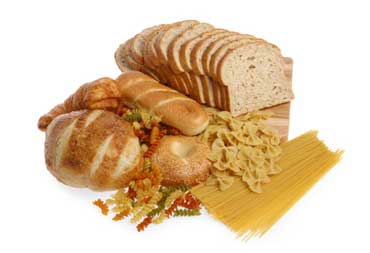
Which biomolecule is found in pasta and bread?
a)
Lipid
b)
Protein
c)
Nucleic Acid
d)
Carbohydrate
13.
Which biomolecule is a main source of quick energy?
a)
Nucleic Acid
b)
Protein
c)
Lipid
d)
Carbohydrate
14.
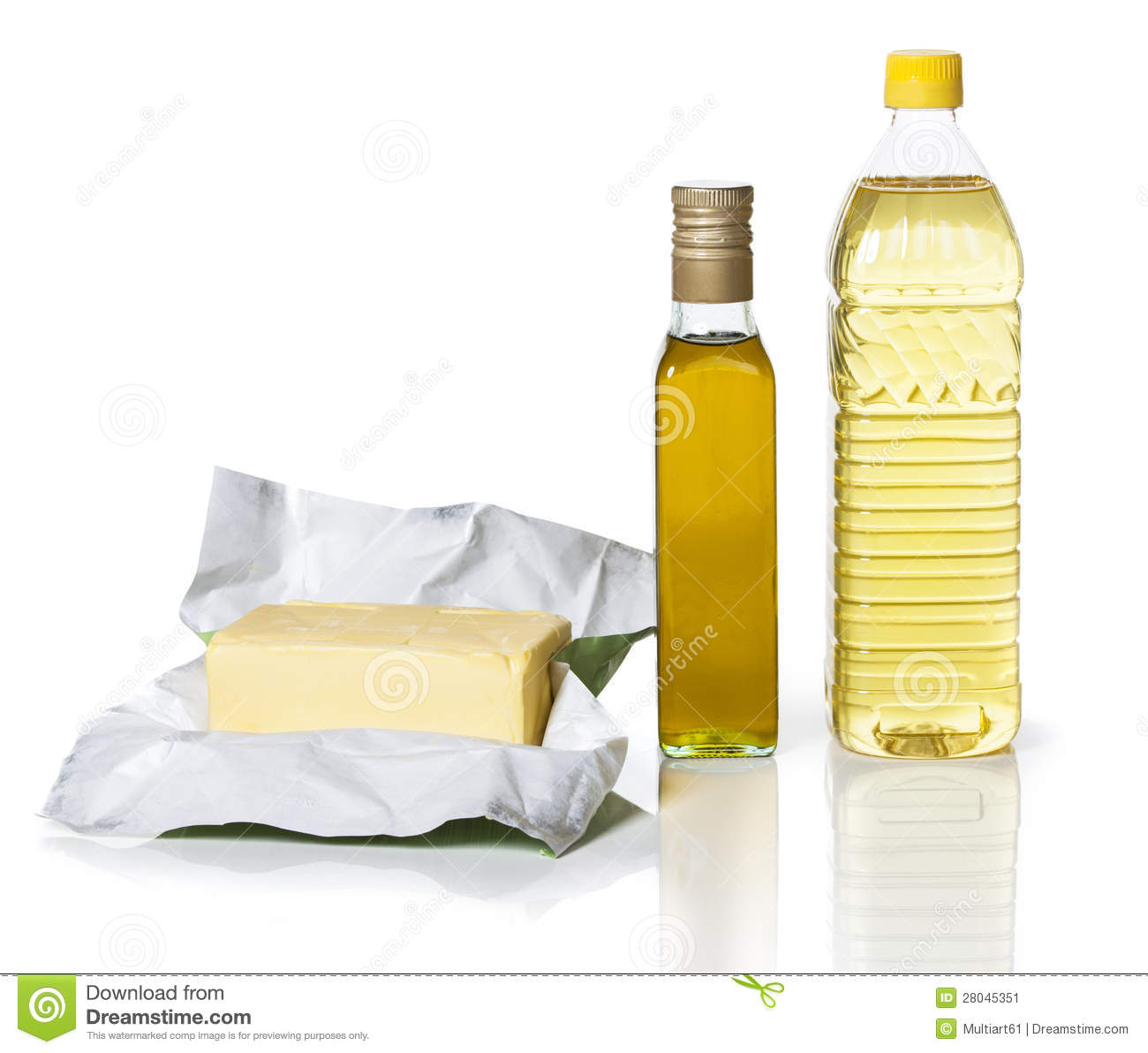
Which biomolecule is found in fats, oils, and waxes and is a source of long-term energy
a)
Proteins
b)
Nucleic Acid
c)
Lipids
d)
Carbohydrate
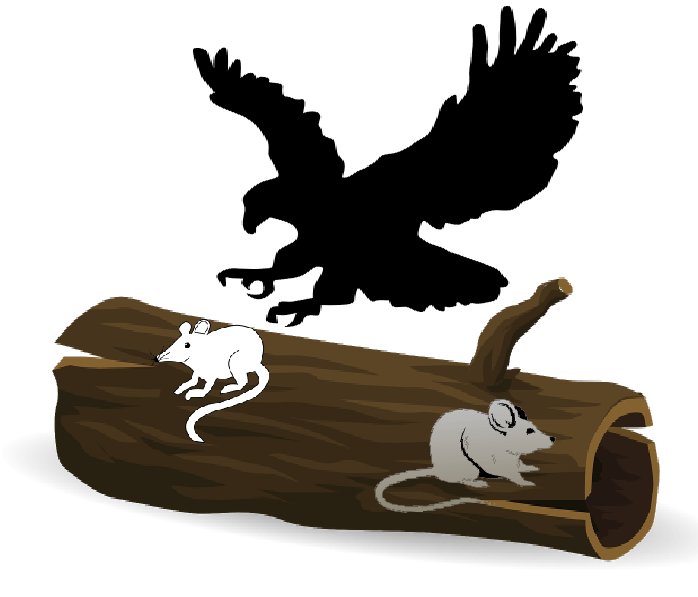
15.
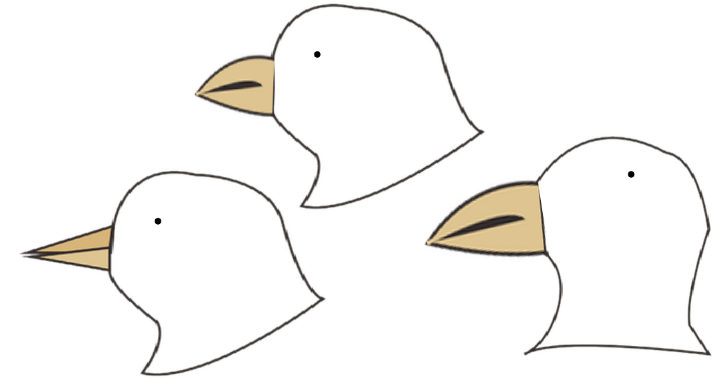
What is the function of a nucleic acid?
a)
Stores genetic information
b)
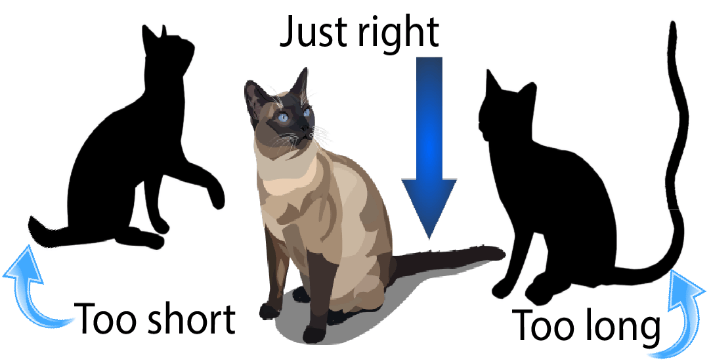
Stores energy
c)
Quick source of energy
d)
Builds structures
16.
Carbon, Hydrogen, Oxygen and Nitrogen are elements in what biomolecule?
a)
Carbohydrate
b)
Lipid
c)
Protein
d)
Nucleic acid
17.
Which biomolecule is responsible for insulation and energy storage?
a)
Protein
b)
Nucleic Acid
c)
Lipid
d)
Carbohydrate
18.
Which biomolecule has sugars and starches?
a)
Lipids
b)
Proteins
c)
Carbohydrates
d)
Nucleic Acid
19.
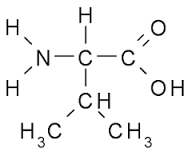
What type of molecule is this?
a)
Nucleic acid
b)
Protein
c)
Carbohydrate
d)
Lipid
20.
What elements are common to all 4 biomolecules?
a)
Carbon, hydrogen, nitrogen
b)
Carbon, Nitrogen, Phosphorus
c)
Carbon, Hydrogen, Oxygen
d)
Carbon, Hydrogen, Phosphorus
21.
A monomer is ...
a)
a single atom
b)
a building block for polymers
c)
a single element
d)
is an inorganic molecule
22.
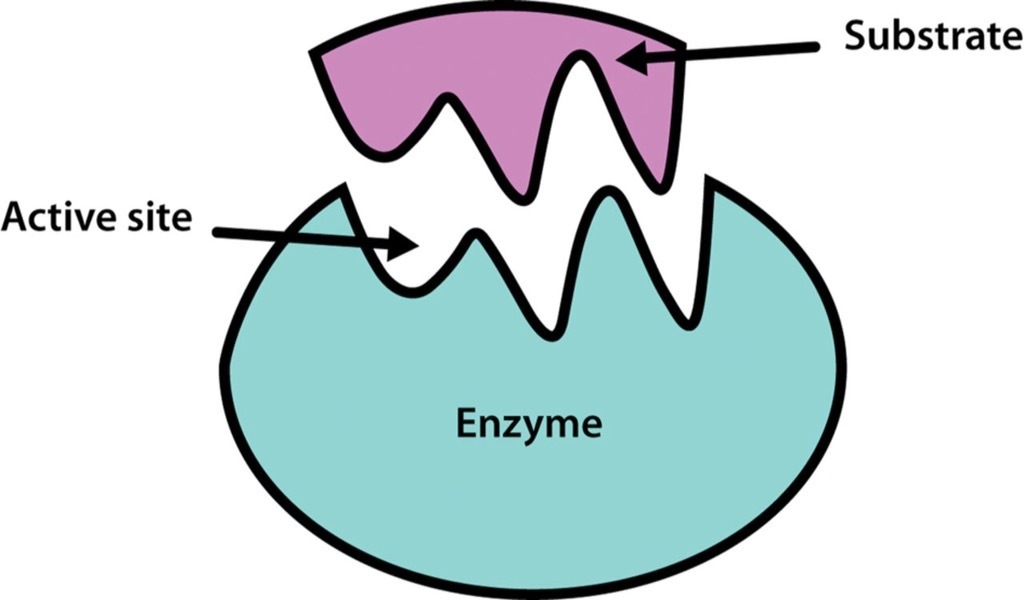
What is the purpose  of an enzyme?
a)
give permission for the reaction
b)
raise activation energy
c)
speed up reactions
d)
control how many reactions occur
23.
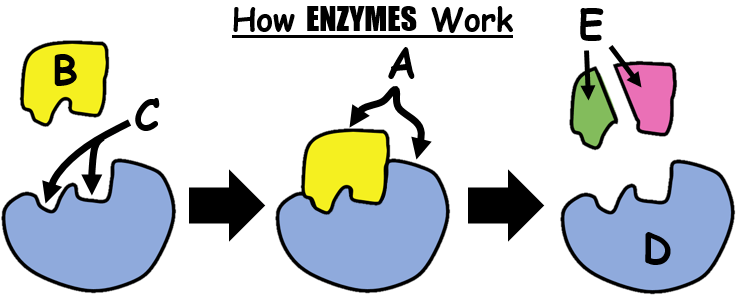
Letter D...
a)
active site
b)
enzyme
c)
substrate
d)
products
24.
The monomer of a lipid is called...
a)
a nucleotide
b)
a monosaccharide
c)
an amino acid
d)
a fatty acid
25.
The monomer of a protein is called...
a)
an amino acid
b)
a monosaccharide
c)
a fatty acid
d)
a nucleotide
26.
The monomer of a nucleic acid is called... 
a)
an amino acid
b)
a fatty acid
c)
a monosaccharide
d)
a nucleotide
27.
The monomer of a carbohydrate is called...
a)
a monosaccharide
b)
a fatty acid
c)
an amino acid
d)
a nucleotide
28.
Monomers combine to form ________ through the process of ________.
a)
polymers; hydrolysis
b)
polymers; dehydration synthesis
c)
monomers; hydrolysis
d)
monomers; dehydration synthesis
29.
amino acids are connected with ______ bonds to form _______.
a)
peptide; proteins
b)
peptide; lipids
c)
hydrogen; proteins
d)
hydrogen; lipids
30.
Nucleotides combine to form...
a)
lipids
b)
carbohydrates
c)
proteins
d)
nucleic acids
31.
monosaccharides combine to form....
a)
carbhoydrates
b)
lipids
c)
proteins
d)
nucleic acids
32.
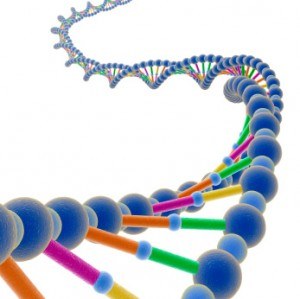
Which of the following best describes a DNA molecule?
a)
double helix
b)
contains ribose
c)
made of amino acids
d)
contains Uracil
33.
Which 2 molecules form the sides (backbone) of the DNA ladder?
a)
deoxyribose sugar and adenine
b)
deoxyribose sugar and a hydrogen bond
c)
deoxyribose sugar and the nucleus
d)
deoxyribose sugar and phosphate
34.
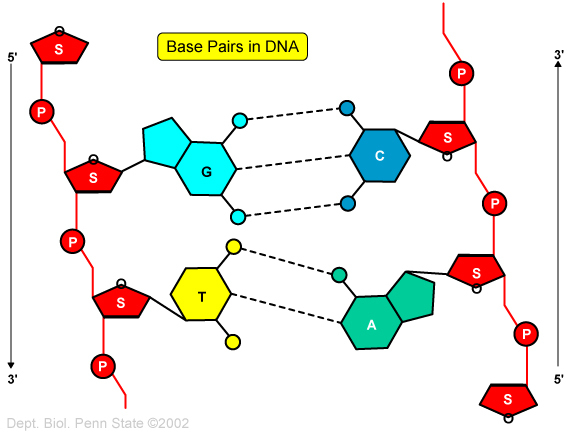
Nitrogenous bases are joined by which type of bond?
a)
polar bonds
b)
ionic bonds
c)
covalent bonds
d)
hydrogen bonds
35.
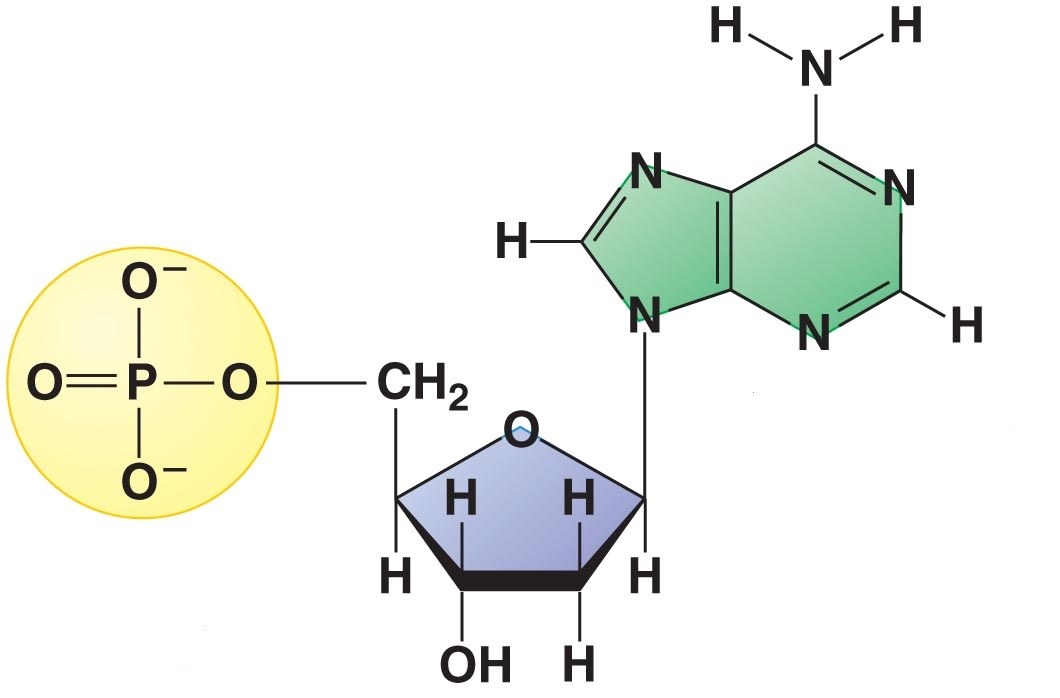
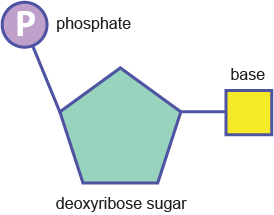
What are the three components of a nucleotide?
a)
sugar, hydrogen, nitrogen base
b)
sugar, oxygen, nitrogen base
c)
sugar, phosphate, nitrogen base
d)
sugar, phosphate, protein
36.
Cytosine always pairs with
a)
Adenine
b)
Thymine
c)
Uracil
d)
Guanine
37.
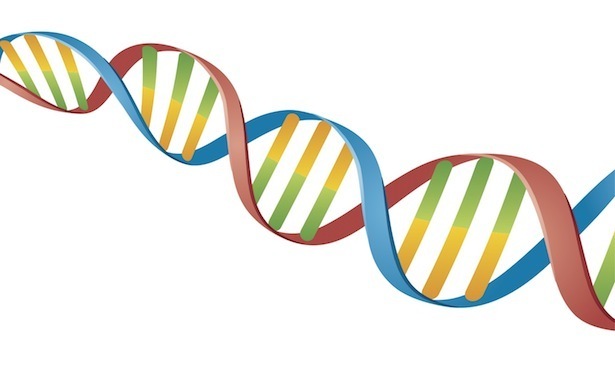
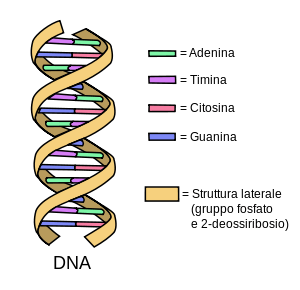
Name this structure
a)
double helix
b)
nucelotide
c)
twisted ladder
d)
hydrogen bond
38.
Which organelle is DNA usually found in?
a)
cell membrane
b)
vacuole
c)
ribosome
d)
nucleus
39.
Nucleotides are made up of a sugar, phosphate, and..?
a)
nitrogenous base
b)
nucleic acid
c)
cholesterol
d)
fatty acid
40.
What is the complement to the DNA strand below:
5'-ATGCCAT-3'
a)
5'-TACGGTA-3'
b)
3'-TACGGTA-5'
c)
3'-ATGGCAT-5'
d)
5'-ATGGCAT-3'
41.
In RNA, Uracil pairs with ______. 
a)
cytosine
b)
adenine
c)
guanine
d)
thymine
42.
The process to go from DNA to mRNA is _______
a)
translation
b)
transcription
c)
replication
43.
The process to go from mRNA to a protein is called ____
a)
transcription
b)
rRNA
c)
replication
d)
translation
44.
DNA holds the code for
a)
lipids
b)
carbohydrates
c)
protein
d)
sugar
45.
Choose the nucleotide sequence of the RNA strand that would be complementary to the following strand: 
GTAGTCA
a)
UATUAGA
b)
ACGACTG
c)
CAUCAGU
d)
CATCAGT
46.
The main function of tRNA is to...
a)
carry a message that, when translated, forms proteins
b)
form a portion of ribosomes
c)
string together complementary RNA and DNA strands
d)
bring amino acids from the cytoplasm to the ribosomes
47.
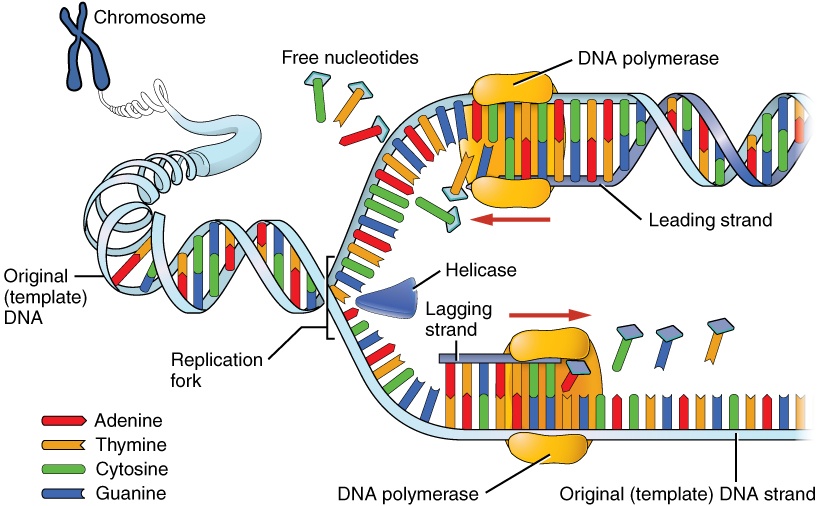
What process is going on in this photo? 
a)
Transcription 
b)
Translation 
c)
Replication 
d)
All the above 
48.
Which component of DNA determines the traits of an organism? 
a)
Nitrogen Bases
b)
Sugar-Phosphate Backbone
c)
Hydrogen bonds
49.

What is the location in the cell for translation?

a)

nucleus

b)

mitochondria in cytoplasm

c)

ribosome in cytoplasm

d)

chloroplast in cytoplasm

50.
What is the three base sequence of mRNA that codes for a single amino acid?
a)
Anticodon
b)
Codon
c)
Protein
51.
What is the location in the cell for transcription?
a)
nucleus
b)
cytoplasm
c)
ribosome
d)
mitochondria
52.
Translation is the process where
a)
mRNA is created in the Nucleus
b)
mRNA is decoded to form a protein 
c)
glucose molecules are made
d)
is where lipids are synthesised
53.
Does the order of amino acids in a protein matter?
a)
YES!
b)
NO!
54.

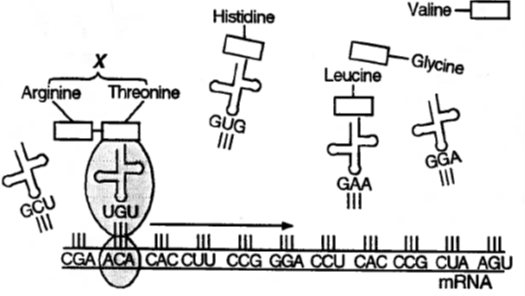
What process is happening in the diagram?

a)

transcription

b)

translation

c)

dna replication

d)

mitosis

55.
In passive transport, molecules move from an area of __________ concentration to an area of __________ concentraiton
a)
high, low
b)
low, high
c)
water, salt
d)
active, passive
56.

Which of the following is NOT a type of passive transport?

a)

Osmosis

b)

Diffusion

c)

Endocytosis

d)

Facilitated Diffusion

57.

The solution that has the highest amount of particles?

a)

Hyptonic

b)

Isotonic

c)

Hypertonic

58.
Which type of transport gets rid of wastes?
a)
Protein Pumps
b)
Endocytosis
c)
Exocytosis
d)
Facilitated Diffusion
59.

In which solution will water move into a cell?

a)

Hypertonic

b)

Hypotonic

c)

Isotonic

d)

Equilibrium

60.
What type of transport is this?
a)
Diffusion
b)
Osmosis
c)
Facilitated Diffusion
d)
Active Transport
61.
What type of transport is this?
a)
Endocytosis
b)
Exocytosis
c)
Diffusion
d)
Sodium-Potassium Pump
62.
What type of transport is this?
a)
Endocytosis
b)
Facilitated Diffusion
c)
Active Transport Pump
d)
Osmosis
63.
What type of transport is this?
a)
Facilitated Diffusion
b)
Exocytosis
c)
Active Transport
d)
Diffusion
64.
What type of transport is this?
a)
Endocytosis
b)
Diffusion
c)
Exocytosis
d)
Osmosis
65.

A cell SHRINKS in a ____ solution.

a)

ISOTONIC

b)

HYPERTONIC

c)

HYPOTONIC

d)

NO SOLUTION

66.

A cell SWELLS in a ____ solution.

a)

ISOTONIC

b)

HYPERTONIC

c)

HYPOTONIC

d)

NO SOLUTION

67.

A cell STAYS the SAME in a ____ solution.

a)

ISOTONIC

b)

HYPERTONIC

c)

HYPOTONIC

d)

NO SOLUTION

68.

Which BEST explains why using a HYPERTONIC solution helps reduce swelling?

a)

A hypertonic solution has an EQUAL water concentration than the cells, making the water move IN and OUT of the cells EQUALLY.

b)

A hypertonic solution has a HIGHER water concentration than the cells, making the water move INTO of the cells.

c)

A hypertonic solution has a LOWER water concentration than the cells, making the water move OUT of the cells.

d)

Huh?

69.

Produces ATP (cellular energy) by breaking down glucose

a)

Mitochondria

b)

Lysosome

c)

Peroxisome

d)

Centrioles

70.

"Stomach" of the cell

a)

Mitochondria

b)

Lysosome

c)

Peroxisome

d)

Centrioles

e)

Ribosome

71.

Synthesize proteins

a)

Mitochondria

b)

Lysosome

c)

Centrioles

d)

Ribosome

72.

Processes and transports proteins made at attached ribosomes

a)

Rough ER

b)

Smooth ER

c)

Golgi Apparatus

d)

Cytoplasm

73.

Modifies, packages, and ships proteins

a)

Rough ER

b)

Smooth ER

c)

Golgi Apparatus

d)

Cytoplasm

74.

Site of most of the cell's chemical reactions

a)

Rough ER

b)

Smooth ER

c)

Golgi Apparatus

d)

Cytoplasm

e)

Plasma Membrane

75.

Controls what enters and exits the cell and maintains separates it from the outside environment

a)

Rough ER

b)

Smooth ER

c)

Golgi Apparatus

d)

Cytoplasm

e)

Plasma Membrane

76.

A rigid layer that surrounds plasma membrane in the cells of plants

a)

cell membrane

b)

cell wall

c)

nuclear membrane

d)

vacuole

77.
Control center of cell
a)
cell membrane
b)
nucleus
c)
nucleolus
d)
Captain Hook
78.
Gel like substance that supports the organelles
a)
cytoplasm
b)
cell wall
c)
ribosomes
d)
plasma membrane
79.
Converts sun's energy into chemical energy
a)
mitochondria
b)
chloroplast
c)
ribosome
d)
lysosome
80.
Stores things in the cell
a)
mitochondria
b)
Golgi bodies
c)
vacuole
d)
lysosome
81.
Long strands of DNA
a)
chromatin
b)
centrioles
c)
nucleus
d)
chloroplast
82.
Controls what and how much goes in and out of the nucleus
a)
plasma membrane
b)
nuclear membrane
c)
chromatin
d)
cytoskeleton
83.
Plant cell wall are made of
a)
chitin
b)
cellulose
c)
bricks
d)
glue
84.
In mitosis, the two resulting cells are
a)
different from the starting cell and identical to each other.
b)
different from the starting cell and different from each other.
c)
identical to the starting cell and different from each other.
d)
identical to the starting cell and identical to each other.
85.
Name the phase:
a)
Anaphase
b)
Telophase
c)
Metaphase
d)
Prophase
86.
Name the phase:
a)
Prophase
b)
Metaphase
c)
Anaphase
d)
Telophase
87.
Name the phase:
a)
Prophase
b)
Metaphase
c)
Anaphase
d)
Telophase
88.
Name the phase:
a)
Prophase
b)
Metaphase
c)
Anaphase
d)
Telophase
89.
The stages of mitosis in order
a)
Metaphase, Anaphase, Prophase, Telophase
b)
Prophase, Anaphase, Metaphase, Telophase
c)
Prophase, Metaphase, Anaphase, Telophase
d)
Anaphase, Prophase, Telophase, Metaphase
90.
The time between cell divisions in the life cycle of the cell is called
a)
anaphase
b)
interphase
c)
prophase
d)
metaphase
91.

At what phase in the cell cycle does DNA replication occur?

a)

G1.

b)

S

c)

G0

d)

M

92.

Which of the following is NOT correct?

a)

Mitosis is produces genetically identical cells.

b)

Cytokinesis is a part of mitosis

c)

Metaphase occurs before anaphase.

d)

All somatic cells are produced by mitosis.

93.
All body cells except germ cells.
a)
Prokaryotic Cells
b)
Somatic Cells
c)
Gametes
d)
Tomatic Cells
94.
Type of cell that forms gametes (egg and sperm)
a)
Somatic Cell
b)
Bacterial Cell
c)
Prokaryotic Cell
d)
Germ Cell
95.
During which stage of interphase does cell growth occur and the production of more organelles occur.
a)
G1 Phase
b)
S Phase
c)
C Phase
d)
G2 Phase
96.
During which stage of interphase does preparation for cell division occur.
a)
G1 Phase
b)
C Phase
c)
S Phase
d)
G2 Phase
97.
What is the nondividing stage or resting stage of the cell cycle called?
a)
G0 Stage
b)
G1 Stage
c)
G2 Stage
d)
G3 Stage
98.
What is a chromatid?
a)
One half of a chromosome
b)
Condensed chromatin
c)
Handle for spindle fibers
d)
Forms spindle fibers
99.
In which phase of the cell cycle does this occur:
A nuclear membrane reforms around the chromosomes.
a)
Prophase
b)
Interphase
c)
Anaphase 
d)
Telophase
100.
If a parent cell has 12 chromosomes, how many chromosomes will each gamete have after meiosis?
a)
4
b)
6
c)
12
d)
24
101.
What causes genetic variation in meiosis?
a)
chromosomes lining up
b)
crossing over of chromosomes
c)
separation of chromosomes
d)
chromosomes pulling apart
102.
What kind of cells are made in MEIOSIS?
a)
Haploid cells
b)
Diploid Cells
c)
Skin Cells
d)
Liver Cells
103.
The process of crossing over occurs in what phase of meiosis?
a)
anaphase 1
b)
prophase 1
c)
prophase 2
d)
telophase 1
104.
The chromosomes that pair up during meiosis, are called __________ chromosomes.  
a)
homozygous 
b)
asexual
c)
homologous
d)
genes
105.
Crossing over creates
a)
male genotype
b)
genetic variation (differences)
c)
DNA replication
d)
mitosis
106.
Which cellular process is shown?
a)
meiosis
b)
endocytosis
c)
mitosis
d)
phagocytosis
107.
Which of the following best describes meiosis?
a)
It is carried out in all tissues theat require cell replacement
b)
It occurs only in cells in the reproductive structures of an organism
c)
It happens in all of the tissues except the brain and spinal cord
d)
It is the first stage of mitosis
108.
What phase is represented?
a)
metaphase 1
b)
metaphase 2
c)
anaphase 1
d)
anaphase 2
109.
What phase is  shown in the picture?
a)
metaphase 2
b)
anaphase 2
c)
metaphase 1
d)
telophase 1
110.
products of meiosis are genetically
a)
different
b)
identical
111.
A human zygote should have _____ chromosomes inside.
a)
46
b)
23
c)
92
d)
64
112.
How many daughter cells does Meiosis create?
a)
2
b)
4
c)
8
d)
1
113.

When you eat food, a hormone is secreted by the pancreas to control the amount of sugar or glucose levels in your blood, called insulin. What systems work together to produce and transport this hormone?

a)

Digestive and Nervous

b)

Circulatory and Endocrine

c)

Immune and Endocrine

d)

Muscular and Nervous

114.

Which level of organization is listed correctly from simple to complex?

a)

Organelle, organ, organ system, tissue, cell

b)

Cell, tissue, organ, organ system, organism

c)

Organism, organ system, organ, tissue, cell

d)

cell, tissue, organ system, organ, organelle

115.

You are sitting around a camp fire roasting marshmallows. You get too close to the fire and your jacket catches fire. What body systems work together to produce a response to your jacket catching fire?

a)

Muscular and Skeletal

b)

Circulatory and Respiratory

c)

Immune and Endocrine

d)

Nervous and Muscular

116.

You're starving during 3rd period and pull out a candy bar and eat it. What systems work together to control the processing of nutrients?

a)

Digestive, Muscular, Circulatory

b)

Nervous, Endocrine, Digestive

c)

Endocrine,Circulatory, Muscular

d)

Muscular,Skeletal, Integumentary

117.

In order for a female to reproduce, she must release an egg for fertilization. Which two systems are involved in this process?

a)

Nervous and Endocrine

b)

Reproductive and Endocrine

c)

Muscular and Circulatory

d)

Skeletal and Digestive

118.

What systems would be involved in kicking a soccer ball?

a)

Muscular, Endocrine, Respiratory

b)

Digestive, Circulatory, Integumentary

c)

Immune, Circulatory, Endocrine

d)

Muscular, Skeletal, and Nervous

119.

The tubes and support that transport water

and nutrients up, down and around in plants

a)

Vascular System

b)

Shoot System

c)

Root System

d)

Reproductive System

120.

The outer layer of plants which protects the plants and regulates water levels inside the plant.

a)

Shoot System

b)

Root System

c)

Dermal System

d)

Reproductive System

121.

In general, leaves, roots, stems and flowers

a)

Plant Systems

b)

Plant Cells

c)

Plant Organs

d)

Plant Organisms

122.

Vascular tissue (tubes) responsible for the transportation of water and minerals up from the roots and around the plant.

a)

Stomata

b)

Transpiration

c)

Phloem

d)

Xylem

123.

Vascular tissue (tubes) responsible for the transportation of glucose down and around in a plant.

a)

Transpiration

b)

Xylem

c)

Phloem

d)

Root Hairs

124.

The process of water movement in plants

due to evaporation out the stomata

a)

Active Transport

b)

Transpiration

c)

Stomata

d)

Guard Cells

125.

Pores under leaves

that allow for transpiration

and gas exchange

a)

Xylem

b)

Stomata

c)

Phloem

d)

Transpiration

126.

Two cells that regulate the size of the stomata depending on temperature and

water conditions

a)

Phloem

b)

Xylem

c)

Stomata

d)

Guard Cells

127.

A large number of elongated cells that

grow out from the roots. They absorb water and minerals from the soil

via osmosis.

a)

Root Hairs

b)

Stomata

c)

Guard Cells

d)

Pholem

128.

The parts of the plant (angiosperms) involved in producing gametes (pollen and eggs) and seeds (fertilized eggs)

a)

Shoot System

b)

Phloem

c)

Xylem

d)

Reproductive System

129.

The plant hormone response to the

force of gravity

a)

Phototropism

b)

Geotropism ( Gravitropism)

c)

Thigmotropism

d)

Transpiration

130.

The plant hormone response to light

a)

Transpiration

b)

Thigmotropism

c)

Geotropism

d)

Phototropism

131.

The plant hormone response to touch

a)

Thigmotropism

b)

Geotropism

c)

Phototropism

d)

Transpiration

132.

Several structures work together to allow flowering plants to reproduce. Which table correctly identifies the function of each structure or group of structures in the reproduction of a plant?

a)

X-pollen production, Y-pollen transfer, Z-production of eggs

b)

X-attraction of pollinators, Y-production of male sex cells, Z-egg production and embryo development

c)

X-protection for embryo, Y-nourish embryo, Z-place of embryonic development

d)

X-photosynthesis, Y-protect internal organs, Z-production of gametes
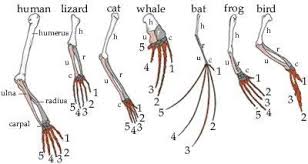
133.
What is this an example of?
a)
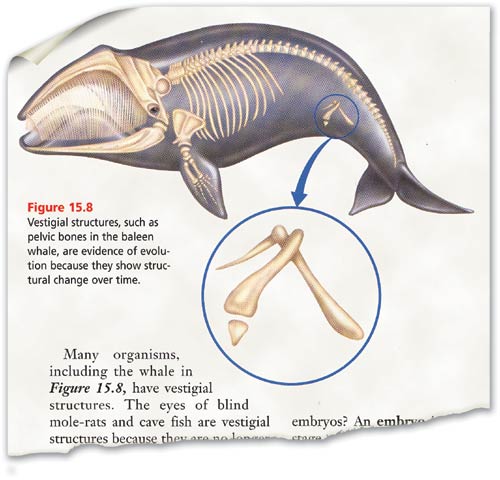
vestigial structures
b)
embryology
c)
homologous structures
d)
fossil record
134.
Which species’ DNA is most similar to the DNA of the toothed whale? 
a)
Hippopotamus 
b)
Baleen Whale
c)
Grazing Mammals
d)
Camels
135.
The similarities of organisms in which two areas numbered in the picture provide the best evidence for common ancestry?
a)
1 and 2
b)
3 and 4
c)
5 and 6
d)
7 and 8
136.

Some organisms that share a common ancestor have features that have different functions, but similar structures. These are known as

a)

vestigial structures

b)

analogous structures

c)

homologous structures

d)

embryology

137.

What is this an example of?

a)

Homologous structure

b)

Analogous structure

c)

Vestigial organs

d)

Functional adaption

138.
Which of the following is an example of a vestigial structure?
a)
the wings of a red-tailed hawk
b)
the hind limbs of a house cat
c)
the fins of sharks
d)
the tailbone of a human
139.
Which word is defined as a reduced form of a functional structure in 1 organism that shows up as fully functional in another?
a)
homologous structures
b)
vestigial structures
c)
analogous structure
d)
DNA
140.
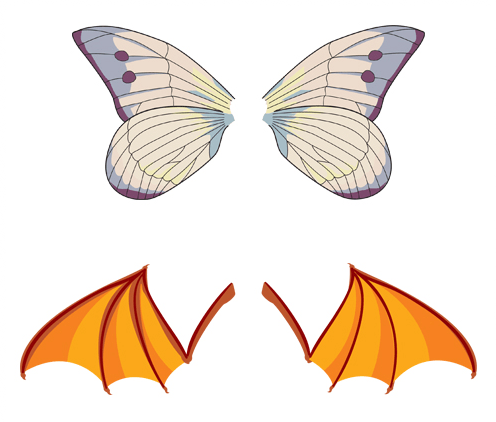
Structures that are very different in structure or anatomy but have similar functions such as the wings of a bird and a butterfly.
a)
Vestigial Structures
b)
Homologous Structures
c)
Analogous Structures
d)
Cladogram
141.

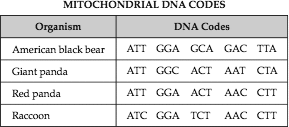
What conclusions can be made based on this table shown?

a)

the American black bear and the giant panda are most closely related

b)

the giant panda and the red panda are most closely related

c)

the red panda and the racoon are the most closely related

d)

the giant panda and the racoon are most closely related

142.
The picture shows the members of the Camelidae family. The physical features and the geographical origin of these animals provide evidence that - 
a)
they live in the same type of environment.
b)
have slowly evolved to become herbivores.
c)
have a common ancestor.
d)
exchanged DNA in the past.
143.
Structures that are similar to function. 
a)
Homologous 
b)
Analogous 
c)
Vestigial 
d)
DNA
144.
Structures are similar in appearance but not in structure
a)
Vestigial 
b)
Homologous 
c)
Analogous Structures 
d)
Embryonic 
145.
The arrangements of DNA and Amino Acids can determine how close organisms are. 
a)
DNA and Amino Acid squence
b)
Analgous
c)
Homologous 
d)
Vestigial 
146.
Which layer is the youngest
a)
1
b)
2
c)
3
d)
4
147.

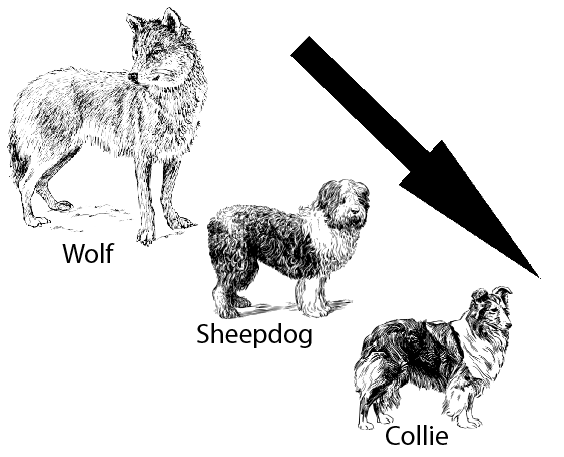
Gradualism means Natural Selection would normally happen over many generations and very

a)

slowly

b)

quickly

c)

in space

d)

beyond time

148.

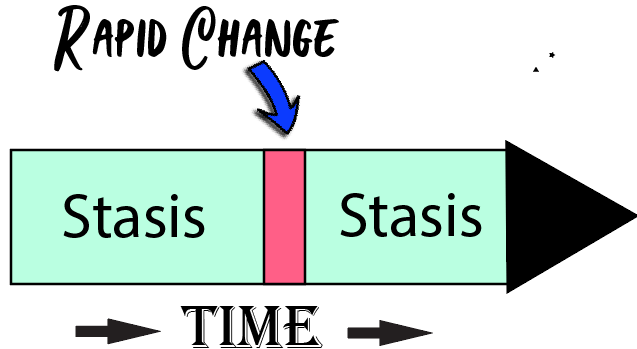
Punctuated Equilibrium implies catastrophic events caused natural selection to speed up due to great environmental changes.

a)

True

b)

False

149.

Genetic diversity in a species makes long term survival of some members

a)

impossible

b)

improvable

c)

more likely

d)

less likely

150.

Over the years, white mice became extinct and darker mice survived. This is

a)

stabilizing selection

b)

directional selection

c)

disruptive selection

d)

due to exercise

151.

Birds with smaller beaks die out when a disease kills all food sources except hard nuts.

a)

adaptive radiation

b)

respiration

c)

an anomoly

d)

unlikely

152.

Average phenotypes are favored in the environment, while extremes have lower survival rates.

a)

seasonal selection

b)

distruptive selection

c)

directional selection

d)

stabilizing selection

153.

Organisms of the same species can no longer interbreed therefore creating two species.

a)

Gene Pool

b)

Genetic Drift

c)

Gene Frequency

d)

Speciation

154.

The extreme population phenotypes are favored by the environment.

a)

Disruptional (Diversifying) Selection

b)

Directional Selection

c)

Stabilizing Selection

d)

All of the above

155.
What type of selection is depicted in the picture? 
a)
stabilizing 
b)
directional 
c)
disruptive 
d)
the answer is not here
156.
What type of selection?
a)
Directional 
b)
Stabilizing
c)
Disruptive
157.
Which of the three graphs shows stabilizing selection?
a)
A
b)
B
c)
C
158.
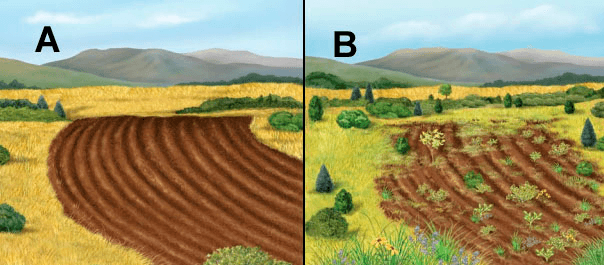
What type of succession is shown going from figure A to figure B?
a)
primary succession
b)
ecological succession
c)
secondary succession
d)
intermediate
159.
What is the goal of the pioneer species in Primary Succession?
a)
To kill the dead materials after a disaster
b)
To rebuild soil
c)
To feed Johnny
d)
To put fresh oxygen into the air
160.
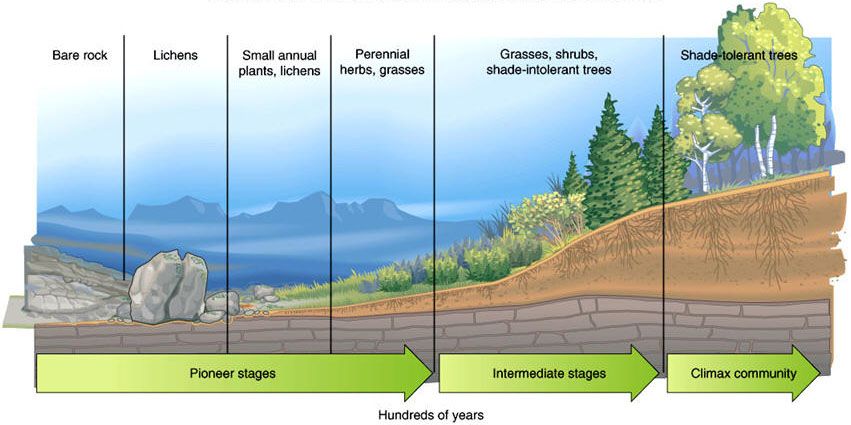
The picture shows what type of succession?
a)
primary
b)
secondary
c)
tertiary
d)
quadanary
161.
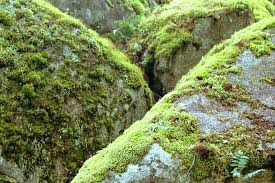
What are examples of pioneer species in a primary succession?
a)
Bushes and Shrubs
b)
Oak trees
c)
Mossess and Lichens 
d)
A rose Bush
162.
Final illustration (#8) shows
a)
pioneer species
b)
climax community
c)
only biotic factors
d)
only abiotic factors
163.
All of the organisms living in an area together with their physical environment.
a)
community
b)
ecosystem
c)
habitat
d)
population
164.
An individual living thing.
a)
niche
b)
habitat
c)
species
d)
organism
165.
A group of organisms that can mate to produce fertile offspring.
a)
organism
b)
species
c)
habitat
d)
niche
166.
All the members of the same species that live in the same place at the same time.
a)
organism
b)
community
c)
population
d)
habitat
167.
A group of various species that live in the same place and interact with each other.
a)
niche
b)
habitat
c)
species
d)
community
168.

What is the carrying capacity of the graph?

a)

1000

b)

8000

c)

800

d)

600

169.

What happens if a population grows past its carrying capacity?

a)

The population keeps growing

b)

The population starts to die off

c)

The entire species will go extinct

d)

The carrying capacity just increases

170.

The largest number of individuals that an environment can support long term is...

a)

carrying capacity

b)

emigration

c)

immigration

d)

population density

171.

Something that regulates the size of a population is called...

a)

a limiting measure

b)

a limiting factor

c)

carrying capacity

d)

biodiversity

172.
A relationship between two species where one benefits while the other is harmed.
a)
Mutualism
b)
Commensalism
c)
Parasitism
d)
Naturalism
173.
A relationship between two organisms in which one organism benefits and the other is unharmed
a)
Mutualism 
b)
Competition
c)
Parasitsm 
d)
Commensalism 
174.
A relationship between two organisms in which both organisms benefit. 
a)
Mutualism 
b)
Competition
c)
Parasitsm 
d)
Commensalism 
175.
Which of the following is the correct equation for PHOTOSYNTHESIS?
a)
CO+ light + H2O --> O+ Sugar
b)
CO+ sugar + H2O --> O+ light
c)
O2 + light + H2O --> CO+ Sugar
d)
CO+ O2 + H2O --> Light+ Sugar
176.
What process occurs when light energy is captured in autotrophs and converted into sugar?
a)
Photosynthesis
b)
Cellular Respiration
177.
What are the products of photosynthesis?
a)
water and carbon dioxide
b)
oxygen and glucose
c)
oxygen and carbon dioxide
d)
oxygen and water
178.

Plants need ________ to conduct photosynthesis

a)

Oxygen

b)

Soil

c)

Carbon dioxide

d)

Sugar

179.

How does most of the water needed by the plant get into its leaves?

a)

It enters through the stomata

b)

The roots absorb it and then it travels up the xylem

c)

It's made during a chemical reaction in the stem

d)

The flowers capture water and deliver it to the leaves

180.
What major energy transformation occurs during photosynthesis?
a)
Thermal --> Chemical
b)
Kinetic --> Radiant
c)
Chemical --> Radiant
d)
Radiant --> Chemical
181.
In watermelons, green rinds (G) are dominant to striped rinds (g).  What is the genotype of a heterozygous green watermelon?
a)
GG
b)
Gg
c)
gg
d)
green
182.
Long tongues (T) are dominant to short tongues in green tree frogs.  What is the probability that two frogs that are heterozygous for long tongues could produce offspring with short tongues?
a)
100%
b)
75%
c)
50%
d)
25%
183.
When a person has two different alleles for a gene, they are said to be
a)
heterozygous
b)
homozygous
184.
Why is crossing over important?
a)
Increases the number of genes that can be inherited
b)
Increases genetic variation
c)
Decreases the occurrence of genetic diseases
d)
Decreases the number of genes that can be inherited
185.

A __________ allele always shows up in an organism in combination with the same allele or different.

a)

dominant

b)

recessive

186.
What gamete possibilities could come from this parent's genotype?
a)
AB, AB, aB, aB
b)
Ab, AB, Ab, ab
c)
Ab, Ab, Ab, Ab
d)
AB, aB, ab, aB
187.
Based off this punnett square, what fraction of the offspring will have wrinkled, yellow seeds?
a)
9/16
b)
3/16
c)
1/16
d)
16/16
188.
What proportion of the offspring in Figure 11-4 would be expected to have white, smooth hair?
a)
9/16
b)
3/16
c)
4/16
d)
1/16
189.
Where does cellular respiration occur?
a)
Nucleus
b)
Mitochondria
c)
Vacuole
d)
Chloroplast
190.
This is referred to as the energy currency of the cell
a)
ADP
b)
ATP
c)
Mitochondria
d)
Nucleus
191.
What is the correct equation for cellular respiration?
a)
6O2 + C6H12O6 -> 6CO2 + 6H2O + Energy
b)
6O2 + C6H12O6 + Energy -> 6CO2 + 6H2O
c)
6CO2 + 6H2O -> 6O2 + C6H12O6 + Energy
d)
6CO2 + 6H2O + Energy -> 6O2 + C6H12O6
192.
What is one of the reactants of cellular respiration?
a)
energy
b)
glucose
c)
carbon dioxide
d)
water
193.
What is cellular respiration?
a)
the breakdown of glucose  to release ATP
b)
the breakdown of glucose to release NADH
c)
the breakdown of glucose to release FADH
d)
the breakdown of glucose to release carbon
194.
Prokaryotic cells ________________ a nucleus. 
a)
do not have
b)
have
195.
Eukaryotic cells ___________________ a nucleus.  
a)
do not have 
b)
have
196.
Protists are _______________________. 
a)
Unicellular
b)
Multicellular 
c)
Both
197.
Fungi are ________________________.
a)
Unicellular 
b)
Multicellular  
c)
Both
198.
Eubacteria and Archaea are _______________________.
a)
Unicellular
b)
Multicellular
c)
Both
199.
Eubacteria, Archaea and Protists are all ______________________________.
a)
Autotroph
b)
Heterotroph
c)
Autotroph or Heterotroph 
200.
Fungi are ______________________. 
a)
Autotroph
b)
Heterotroph
c)
Autotroph or Heterotroph 
201.
Plants are _______________________.
a)
Autotroph 
b)
Heterotroph 
c)
Autotroph or Heterotroph 
202.
Which of the following is NOT a domain?
a)
bacteria
b)
archaea
c)
eukarya
d)
prokarya
203.
Which applies to members of the kingdom ANIMALIA?
a)
They have cell walls of chitin
b)
They have no cell walls or chloroplasts
c)
They include slime molds and giant kelp
d)
They include mosses and ferns
204.

Fungi are (blank) because they do not make their own food

a)

producers

b)

heterotrophs

c)

nitrogen-fixers

d)

protists

205.
What does every food chain start with?
a)
producers
b)
sun
c)
consumer
d)
decomposers
206.
What percentage of energy is passed on to each tropic level?
a)
10%
b)
50%
c)
90%
d)
100%
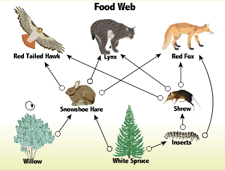
207.
What may happen if the snowshoe hare was removed from the food web pictured?
a)
The insects in the habitat would increase.
b)
The shrew population would decrease due to being only hawk food source.
c)
The willow tree population would decrease.
d)
Foxes would dies due to no food source. 
208.
The rabbit in this food web would be considered a:
a)
Decomposer
b)
Producer
c)
Secondary Consumer
d)
Primary Consumer
209.
The fox in this food web would be considered a:
a)
Tertiary Consumer
b)
Producer
c)
Secondary Consumer
d)
Primary Consumer
210.
The mouse in this food web would be considered a:
a)
Primary Consumer
b)
Producer
c)
Tertiary Consumer
d)
Secondary Consumer
211.
If the grasshopper were to be removed completely from the food web, what organism would be most effected?
a)
The squirrel
b)
The shrew
c)
The deer
d)
The rabbit
212.
Which organism recieves the least amount of energy from the producer?
a)
Owl
b)
Grasshopper
c)
Lilypad
d)
Mouse
213.
Needs host cell to reproduce.
a)
Virus
b)
Bacteria
c)
Fungus
d)
Protozoan
214.
What happens in the lytic cyle?
a)
Virus goes in and leaves the host cell
b)
Virus quickly kills the host cell
c)
Virus sleeps inside of the host cell
d)
Virus stay dormant for a long time
215.
What happens in the lysogenic cycle? 
a)
Virus goes in and leaves the host cell
b)
Virus quickly kills the host cell
c)
Virus inject the nucleic acid into the host cell, and the nucleic acid integrates into the host cell DNA, and stay dormant for a long time
d)
Bacteria injects DNA into a host cell
216.
What is the lytic and lysogenic cycle have in common?
a)
The host cell dies
b)
The virus dies
c)
The virus inserts its genetic information into the host cell
d)
copies of the virus are immediately released from the host
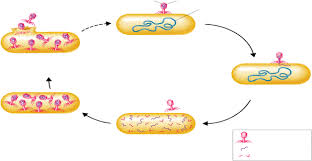
217.
What process is this?
a)
phagocytosis
b)
lytic cycle
c)
lysogenic cycle
d)
formation of antibodies
218.
What is shown here?
a)
Lysogenic Cycle
b)
Lytic Cycle
c)
Binary Fission
d)
Conjugation
219.
A(n) _____ is a virus that enters a bacterial cell.
a)
endospore
b)
decomposer
c)
plasmid
d)
bacteriophage
220.
When a virus invades a living cell, its _______
takes over the cell's functions.
a)
outer coat
b)
genetic material
c)
core
d)
cytoplasm
221.

This image represents part of the

a)

lytic cycle

b)

lysogenic cycle

222.
What does a VIRUS need to replicate?
a)
Host Cell
b)
Pathogen
c)
Computer
223.

Which of the following is a virus?

a)

A

b)

B

c)

C

d)

D

224.

Which of the following would be a prokaryotic cell?

a)

A

b)

B

c)

C

d)

D

225.

Which of the following would be a eukaryotic cell?

a)

A and B

b)

A and C

c)

A and D

d)

all of these are eukaryotic

226.

Which of the following would contain DNA?

a)

A and B

b)

A and C

c)

A and D

d)

all of these

227.

The purple projections on the virus are used by the virus to

a)

attract a mate

b)

attack enemies

c)

swim through the water

d)

identify a host cell

228.

What kind of cells make up viruses?

a)

unicellular

b)

eukaryotes

c)

prokaryotes

d)

none of these, viruses are not cells

229.
If the percentage of DNA is made of 30% Thymine, what is the correct percentage of Guanine?
a)
30
b)
15
c)
20
d)
60
230.
The enzyme that unzips the DNA to prepare for replication
a)
helicase
b)
replicase
c)
polymerase
d)
synthase
231.
DNA replication results in two DNA molecules,
a)
each one with two original strands
b)
each one with two new strands
c)
each one with one new strand and one original strand
d)
one with two new strands and the other with two original strands
232.
A process in which DNA has the unique ability to make an exact copy of itself.
a)
Replication
b)
Translation
c)
Transcription
233.
The bonds that hold the two strands of DNA together come from...
a)
the attraction of phosphate groups 
b)
strong bonds between  bases and sugars
c)
carbon to carbon bonds in the sugar
d)
weak hydrogen bonds between the bases
234.
Describes the twisted ladder-like shape of a DNA molecule
a)
Nitrogen Base
b)
Hexagon
c)
Double Helix
235.
Which component of DNA specifies the traits of an organism?
a)
5-carbon sugar (deoxyribose)
b)
hydrogen bonds
c)
phosphate groups
d)
nitrogenous base pairs
236.
After analyzing a sample of DNA, a scientist recorded the data shown in the table. What percentage of the DNA sample is cytosine?
a)
22%
b)
25%
c)
28%
d)
56%
237.
Which sex chromosomes would indicate a typical human male?
a)
XX
b)
X
c)
XY
d)
XXY
238.
Determine the sex of the individual whose karyotype is displayed in the image.
a)
female
b)
male
239.
The diagram represents a model of a food pyramid.  Which statement best describes what happens in this food pyramid?
a)
More organisms die at higher levels than at lower levels, resulting in less mass at higher levels.
b)
Energy is lost to the environment at each level, so less mass can be supported at each higher level.
c)
When organisms die at higher levels, their remains sink to lower levels, increasing the mass of lower levels.
d)
Organisms decay at each level, and thus less mass can be supported at higher levels
240.

In this tundra food web, if grasses were removed what would happen to the ecosystem?

a)

There would be an overpopulation of arctic hares and lemmings.

b)

Polar bears would move to a new ecosystem

c)

The ecosystem would collapse because it lost its main producer

d)

Wildflowers would die out from the ecosystem

241.

Why does the polar bear have the highest amount of contaminants in it's body?

a)

It doesnt need to each much food

b)

It needs to eat higher amounts of biomass, therefore it gets higher amounts of contamination

c)

The contamination stays in its body longer

d)

The contaminants are excreted quickly