
NEW
Font size
S
M
L
XL
 Worksheets
Physical science
Total questions: 31
Worksheet time: 25mins
Name
Class
Date
1.
Where is the force of attraction the strongest on a magnet?
a)
at the poles
b)
in the middle
c)
above the magnet
d)
below the magnet
2.
Which object would a magnet attract?
a)
a glass bottle
b)
a piece of paper
c)
a metal paper clip
d)
a rubber eraser
3.
What happens when two bar magnets repel each other?
a)
The poles of the magnets pull toward each other.
b)
The poles of the magnets push away from each other.
c)
The centers of the magnets pull toward each other.
d)
The centers o the magnets push away from each other.
4.

What will happen when these magnets are brought close together?
a)
They will attract each other.
b)
They will repel each other.
c)
Both magnets will turn to the left
d)
Both magnets will turn to the right
5.
Earth acts like a giant magnet because its center is made up MOSTLY of
a)
granite
b)
limestone
c)
iron
d)
nickel
6.
In order for an electromagnet to be formed, an __________ current must pass through a coil of __________ wrapped around an ________ core.
a)
wire, iron, electric
b)
electric, wire, iron
c)
iron, electric, wire
7.

What kind of magnet can be turned on and off?
a)
refridgerator magnet
b)
electromagnet
c)
magnetite
d)
iron
8.
While electric current is flowing through a wire, what surrounds the wire?
a)
a magnetic field
b)
a glowing light
c)
neutrons
d)
protons
9.
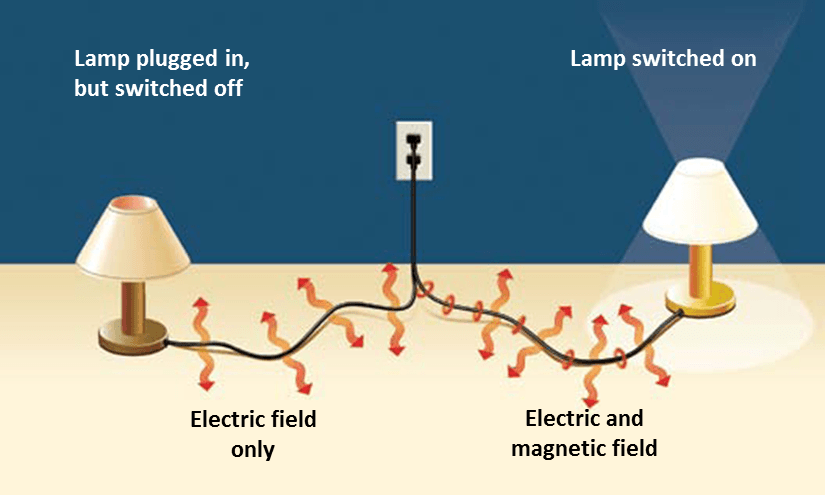
Electric fields are often associated with what other kind of field?
a)
Magnetic Fields
b)
Nuclear Fields
c)
Particle Fields
d)
Corn Fields
10.
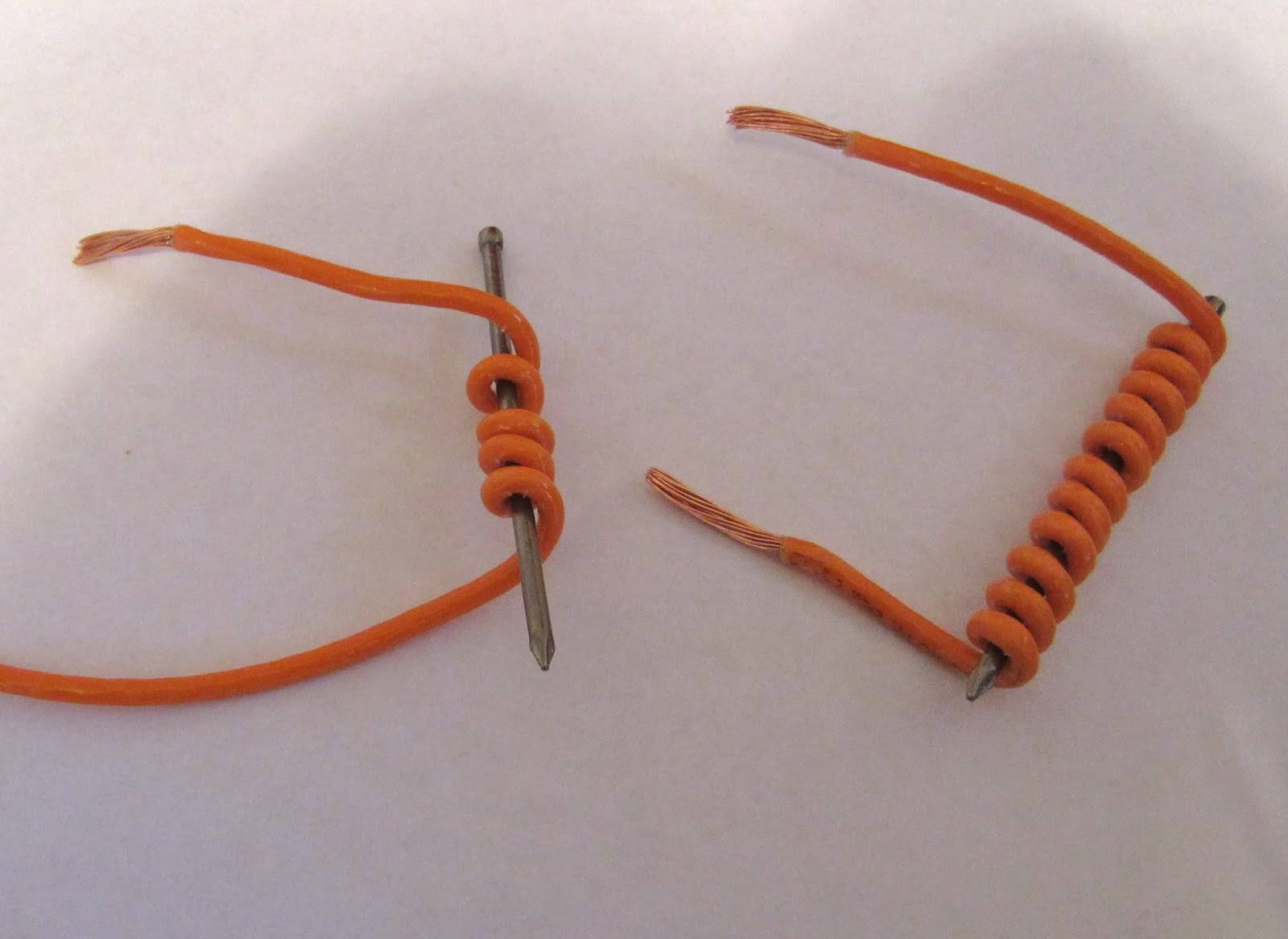
What happens to the strength of an electromagnet as you add more coils around it?
a)
Increases
b)
Decreases
c)
Stays the same
d)
Stops completely
11.
No more energy can be removed from matter at:
a)
its freezing point
b)
0°C
c)
absolute zero
d)
273 K
12.
The movement of thermal energy from a warmer object to a cooler object is called:
a)
heat
b)
temperature
c)
motion
d)
momentum
13.
Heat transfer occurs:
a)
in many directions
b)
both from warm objects to colder ones and from cold objects to warmer ones
c)
only from warm objects to colder ones
d)
only from cold objects to warmer ones
14.
A material that conducts heat poorly is called a(n):
a)
insulator
b)
conductor
c)
metal
d)
radiator
15.
Heated air moves from baseboard heaters to the rest of a room in a process called:
a)
conduction
b)
convection
c)
radiation
d)
insulation
16.
Which of the following is a good conductor?
a)
wood
b)
paper
c)
silver
d)
air
17.
A measure of the average kinetic energy of the individual particles in an object is called:
a)
thermal energy
b)
conduction
c)
convection
d)
temperature
18.
What scale does the United States use to measure temperature?
a)
Kelvin
b)
Fahrenheit
c)
Celsius
19.
What is the process by which heat transfers from one particle of matter to another when the particles collide?
a)
conduction
b)
convection
c)
expansion
d)
radiation
20.
what is the meaning of convection?
a)
cold rises heat falls
b)
heat
c)
cold
d)
hot rises cold falls
21.
Energy due to motion is ____________ energy.
a)
Potential
b)
Energy
c)
Kinetic
d)
Friction
22.
When you are holding a book, energy is stored between the book and Earth; this type of energy is called ________ potential energy.
a)
Kinetic
b)
Potential
c)
Gravity
d)
Friction
23.
The faster an object moves, the ________ kinetic energy it has.
a)
more
b)
less
c)
none of the above
d)
all of the above
24.
When you stretch a rubber band, you are storing __________ energy.
a)
kinetic
b)
potential
c)
none of the above
d)
all of the above
25.
Food has _________ energy.
a)
Potential
b)
Kinetic
c)
None of the above
d)
All of the above
26.
Can energy be changed?
a)
yes
b)
no
27.
Can energy be destroyed?
a)
no
b)
yes
28.

What kind of energy is represented in this picture?
a)
Thermal
b)
Potential
c)
Nuclear
d)
Mechanical
29.
The Law of Conservation of Energy states:
a)
Energy can created or destroyed but not transformed
b)
Energy cannot be created or destroyed, it can only transformed
c)
Energy can't be created, destroyed or transformed
30.

What kind of energy is represented in the picture?
a)
Thermal
b)
Chemical
c)
Sound
d)
Nuclear
31.

What is velocity?
a)
the quickness of an object
b)
the location of an object
c)
acceleration
d)
speed in a specific direction
Reset

