wayground logo

Free Printable Worksheets

Font size

S
M
L
XL
Worksheets

Matter and the Atom Unit Review

Total questions: 159

Worksheet time: 3hrs 32mins

Name
Class
Date
1.
Which particle has a positive charge?
a)
electron
b)
orbital
c)
proton
d)
neutron
2.
Choose the particle that has no charge.
a)
nucleus
b)
neutron
c)
proton
d)
electron
3.
This particle determines what element you have - the elements identity.
a)
electron
b)
proton
c)
neutron
d)
valence shell
4.
What is the mass of a proton and a neutron?
a)
1amu
b)
2grams
c)
13amu
d)
10cm
5.
An electron has a _____ charge.
a)
negative
b)
positive
c)
neutral
6.
Describe an Electron Cloud?
a)
the mist outside of an atom
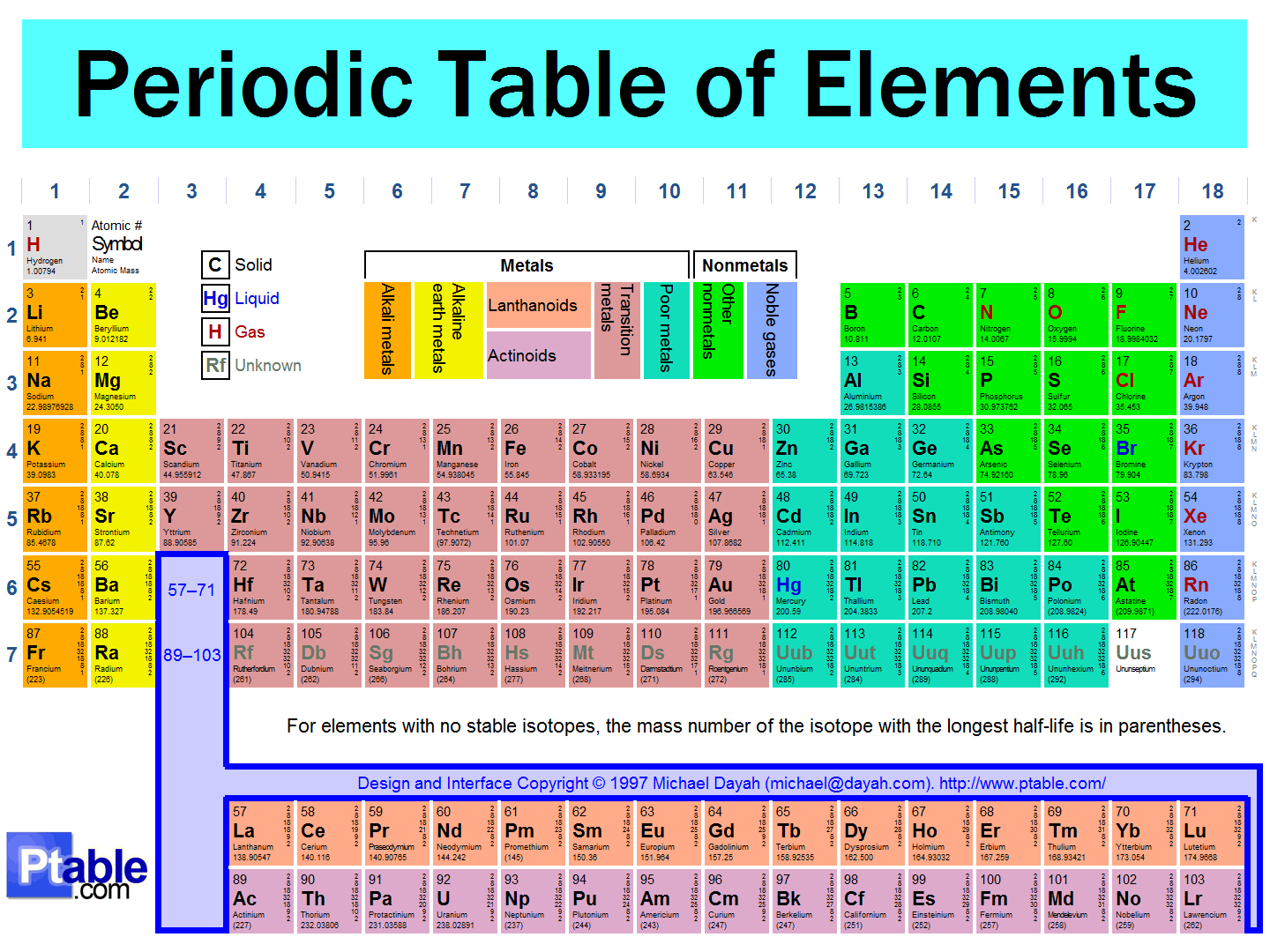
b)
home of the protons
c)
where electrons are located
d)
nucleus
7.
What are the maximum number of electrons that go on the first 3 energy levels?
a)
2,4,16
b)
2,8,18
c)
4,8,12
d)
3,4,6
8.
What are valence electrons?
a)
electrons on the first orbital always
b)
nucleus
c)
the outermost shell
d)
the number of electrons on the outermost orbital
9.
Which particles make up the nucleus of an atom?
a)
protons and neutrons
b)
electrons and protons
c)
electrons, protons, and neutrons
d)
electrons and neutrons
10.
The particles of the atom you can find by knowing the atomic number.
a)
neutrons
b)
protons and electrons
c)
protons and neutrons
d)
atomic mass
11.
The subatomic particle that determines the identity of an element.
a)
neutron
b)
proton
c)
electron
d)
outer shell
12.
What charge does the nucleus have and why?
a)
positive - the neutrons do not have a charge
b)
positive - the neutrons and protons are positively charged particles
c)
neutral - the neutral charge dominates the positive charge
d)
neutral - electrons cancel out the positive charge of the atom
13.
What is the mass number and name of an element with 8 protons and 8 neutrons?
a)
16 - Carbon
b)
16 - Oxygen
c)
24 - Oxygen
d)
8 - Neon
14.
An element with a mass number of 10 and an atomic number of 6 has how many protons?
a)
5
b)
8
c)
6
d)
10
15.
Matter that cannot be broken down into a simpler substance – building blocks of life.
a)
neutron
b)
atom
c)
electron
d)
quarks
16.
Most of the mass of an atom is contained here.
a)
electron orbitals 
b)
nucleus
c)
shells
d)
atomic #
17.
What is the number that gives you the element and the number of protons contained in each elemental atom?
a)
atomic mass
b)
mass number
c)
symbol
d)
atomic #
18.
What subatomic particles would you find in the nucleus of an atom?
a)
Protons only
b)
Protons and Neutrons
c)
Neutrons and Electrons
d)
Protons and Electrons 
19.
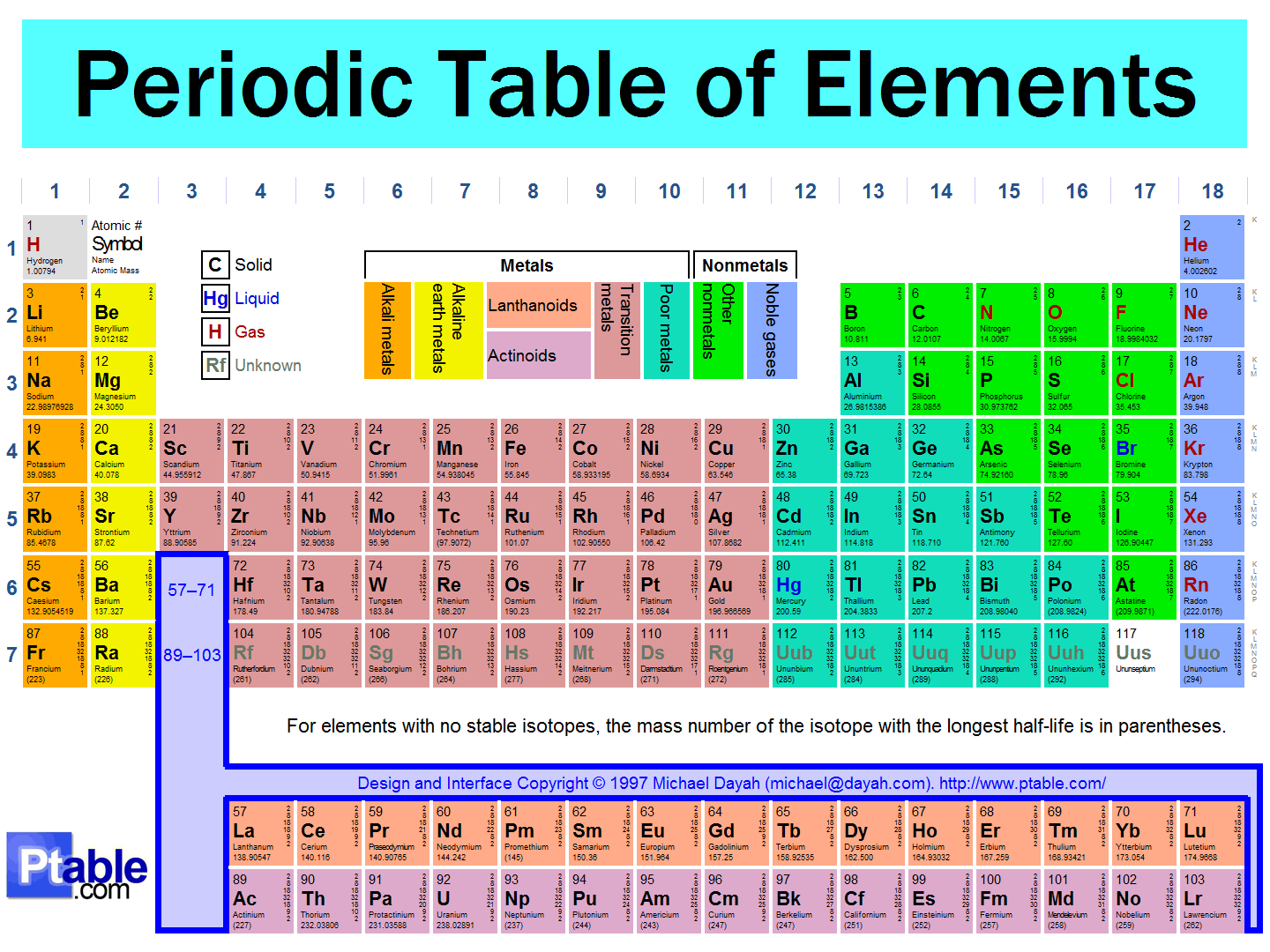
What is the number of protons that the element in this image contain?
a)
14
b)
7
c)
15
d)
18
20.
The mass of one proton is greater than the mass of one...
a)
neutron
b)
electron
21.
Which letter represents a proton?
a)
A
b)
B
c)
C
d)
D
22.
Which letter represents a neutron?
a)
A
b)
B
c)
C
d)
D
23.
Which letter represents an electron?
a)
A
b)
B
c)
C
d)
D
24.
Which letter represents the nucleus?
a)
A
b)
B
c)
D
d)
E
25.
What is the atomic number of the atom pictured? 
a)
9
b)
10
c)
18
d)
19
26.
What is the element name of the atom pictured? 
a)
Fluorine
b)
Neon
c)
Argon
d)
Potassium
27.
Which scientist conducted experiments using alpha particles and thin gold foil, which later helped him develop his model for the atom? 
a)
Ernest Rutherford
b)
Kneels Bore
c)
Niels Bohr
d)
Earnest Rutherfraud
28.
Which scientist discovered the electron, which helped him develop a model of the atom?
a)
Niels Bohr
b)
John Dalton
c)
Ernst Rutherford
d)
J.J Thompson
29.
What is an atom mostly made up of?
a)
protons
b)
electrons
c)
empty space
d)
neutrons
30.
Which letter represents the electron cloud?
a)
A
b)
B
c)
D
d)
E
31.
The electron configuration of an atom is 1s22s22p6.  The number of electrons in the atom is 
a)
3
b)
6
c)
8
d)
10
32.
What atom matches this electron configuration?
1s22s22p63s23p64s23d10
a)
Zinc
b)
Copper
c)
Nickel
d)
Germanium
33.
What electron configuration matches an oxygen atom?
a)
1s22s22p63s2, 3p64s23d104p5
b)
1s22s22p4
c)
1s22s22p6
d)
1s22s22p63s23p64s23d1
34.
How many electrons can the first energy level hold?
a)
1
b)
2
c)
8
d)
0
35.
An orbital can at most hold how many electrons?
a)
1 electron
b)
2 electrons
c)
3 electrons
d)
4 electrons
36.
What is the electron configuration for this atom?
a)
1s22s22p6
b)
1s22s22p5
c)
1s22s22p3
d)
2s22p3
37.
What is the highest occupied energy level?
a)
1
b)
2
c)
3
d)
4
38.
Which element is depicted from this atomic orbital diagram?
a)
Carbon
b)
Nitrogen
c)
Oxygen
d)
Phosphorus
39.
What atom matches this electron configuration?
1s22s22p63s2
a)
Neon
b)
Magnesium
c)
Aluminum
d)
Potassium
40.
What atom matches this electron configuration?
1s22s22p63s23p64s23d10
a)
Zinc
b)
Copper
c)
Nickel
d)
Germanium
41.
What do you start electron configuration with?
a)
1s2
b)
1d10
c)
1f14
d)
1p6
42.
Which electron configuration belongs to Chlorine (Cl)?
a)
1s2s2p3s3p5
b)
1s2s2p3s3p6
c)
1s2s2p3s3p7
43.
What is this element?
1s22s22p63s2
a)
Neon
b)
Magnesium
c)
Aluminum
d)
Potassium
44.
There are 4 different types of subshells s,p,d,f
a)
true
b)
false
45.
Which electron configuration belongs to Copper (Cu)?
a)
1s2 2s2 2p6 3s2 3p6 4s2 3d8
b)
1s2 2s2 2p6 3s2 3p6 4s2 3d9
c)
1s2 2s2 2p6 3s2 3p6 4s2 3d10
46.
Identify the Electron Configuration for Aluminum (Al)
a)
1s2s2p3s3p1
b)
1s2s2p3s3p3
c)
1s2s2p3s4p1
47.
Electrons occupy orbitals of lowest energy first is part of what electron configuration rule?
a)
Hund’s Rule
b)
Aufbau Principle
c)
Pauli Exclusion Principle
48.
Electron arrangement that uses arrows
a)
Electron configuration
b)
Shorthand configuration
c)
Lewis dot structure
d)
Orbital diagram
49.
Which element is depicted from this orbital diagram
a)
Fluorine
b)
Neon
c)
Chlorine
d)
Argon
50.
Which is associated with more energy? 
a)
2p
b)
2s
c)
3p
d)
1s
51.
How many unpaired electrons would lithium have?
a)
1
b)
2
c)
3
d)
0
52.
Which of the following is a p block element?
a)
Ca
b)
Ar
c)
Re
d)
Au
53.
How many d orbitals are there in a given sublevel?
a)
1
b)
3
c)
5
d)
7
54.
How many p orbitals are there in a sublevel?
a)
2
b)
1
c)
4
d)
3
55.
How many electrons can the d sublevel hold?
a)
8
b)
10
c)
2
d)
4
56.
How many electrons can the d sublevel hold?
a)
8
b)
10
c)
2
d)
4
57.

What is this element?

1s22s22p63s23p64s23d104p6

a)

Argon

b)

Krypton

c)

Selenium

d)

Bromide

58.
Which element is pictured?
a)
neon
b)
fluorine
c)
magnesium
d)
argon
59.
Electrons are paired based on their spin directions, clockwise and counterclockwise, is what electron configuration rule?
a)
Hund’s Rule
b)
Aufbau Principle
c)
Pauli Exclusion Principle
60.
Why do we use the three electron configuration rules: Hund's Rule, Aufbau Principle, and Pauli Exclusion Principle?
a)
to know where electrons are located
b)
to know how electrons are oriented in space
c)
to know how electrons are used in chemical reactions
d)
all of these
61.
Which orbital shows a violation of Hund's Rule?
a)
A
b)
B
c)
C
d)
D
62.
Which orbital shows a violation of the Pauli Exclusion Principle?
a)
A
b)
B
c)
C
d)
D
63.
Which orbital shows a violation of the Aufbau Principle?
a)
A
b)
B
c)
C
d)
D
64.
According to the Aufbau Principle, which sublevel should starting filling with electrons after 5s?
a)
6s
b)
5p
c)
4d
d)
3f
65.
All orbitals of equal energy are occupied by one electron before any single orbital is occupied by a second electron.
a)
Aufbau principle
b)
Pauli exclusion principle
c)
Hund’s rule
d)
Core Notation
66.
The horizontal row on the periodic table is called a
a)
group
b)
family
c)
period
d)
atomic number
67.
A vertical column is called...
a)
group
b)
tower
c)
period
d)
crew
68.
Which of the following is the most metallic element in period 3?
a)
Boron (B)
b)
Sodium (Na)
c)
Argon (Ar)
d)
Silicon (Si)
69.
Which of these element is the least metallic?
a)
Potassium (K)
b)
Carbon (C)
c)
Sulfur (S)
d)
Neon (Ne)
70.
The number at the bottom of each square on the periodic table is the ...
a)
atomic number
b)
atomic mass
c)
chemical symbol
d)
element name
71.
The number at the top of each square on the periodic table is the ...
a)
atomic number
b)
atomic mass
c)
Chemical Symbol
d)
Element Name
72.
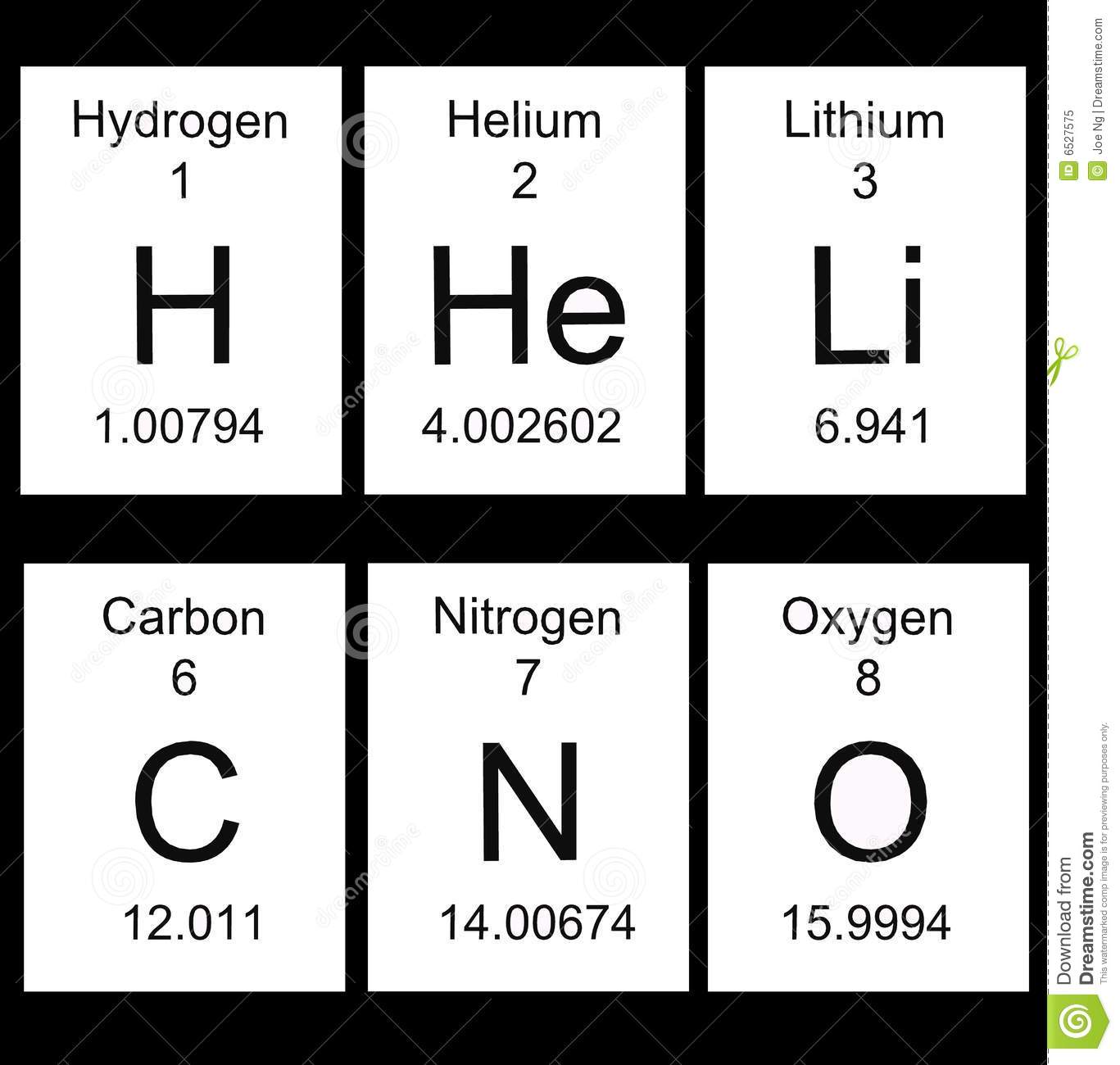
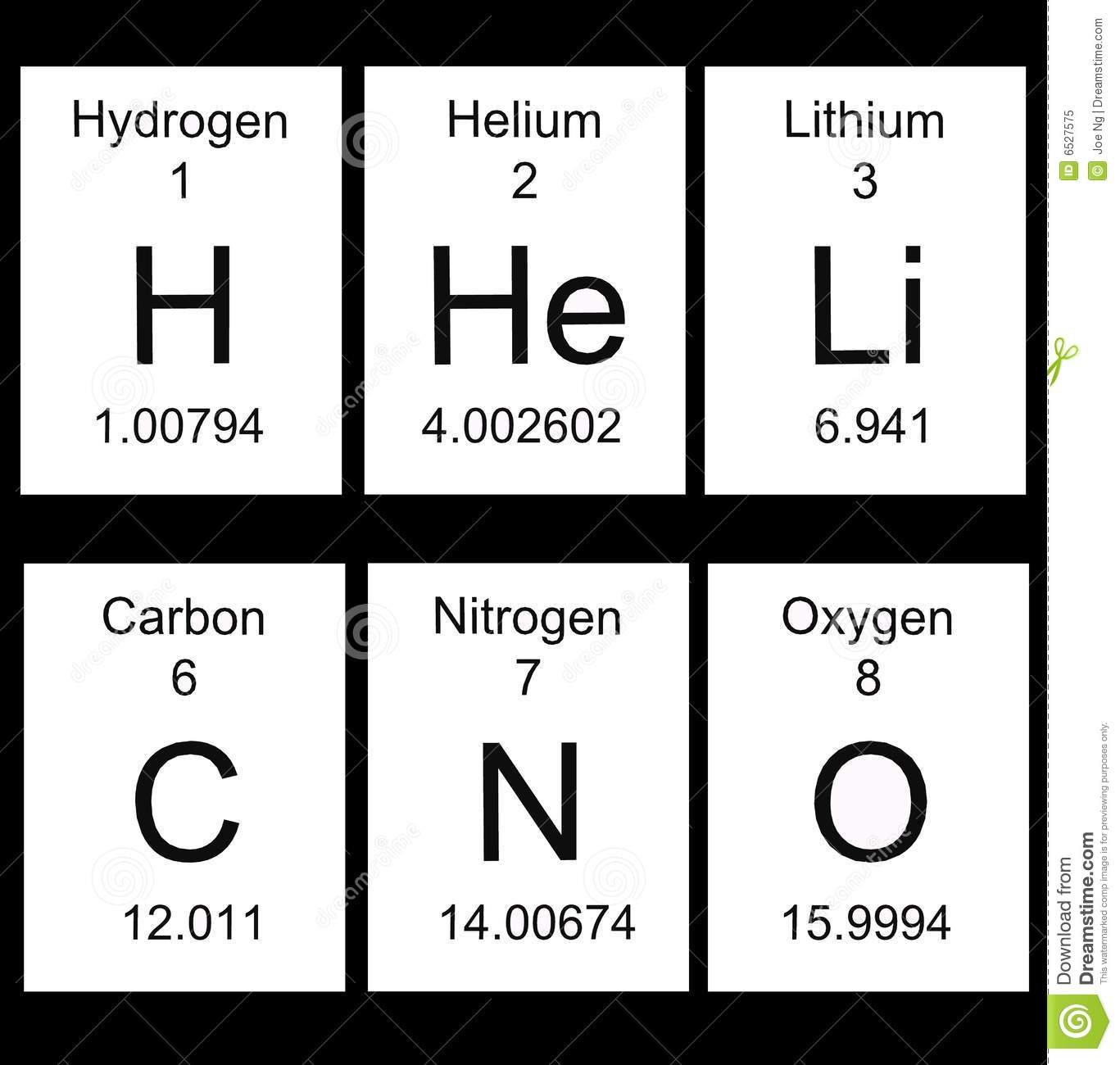
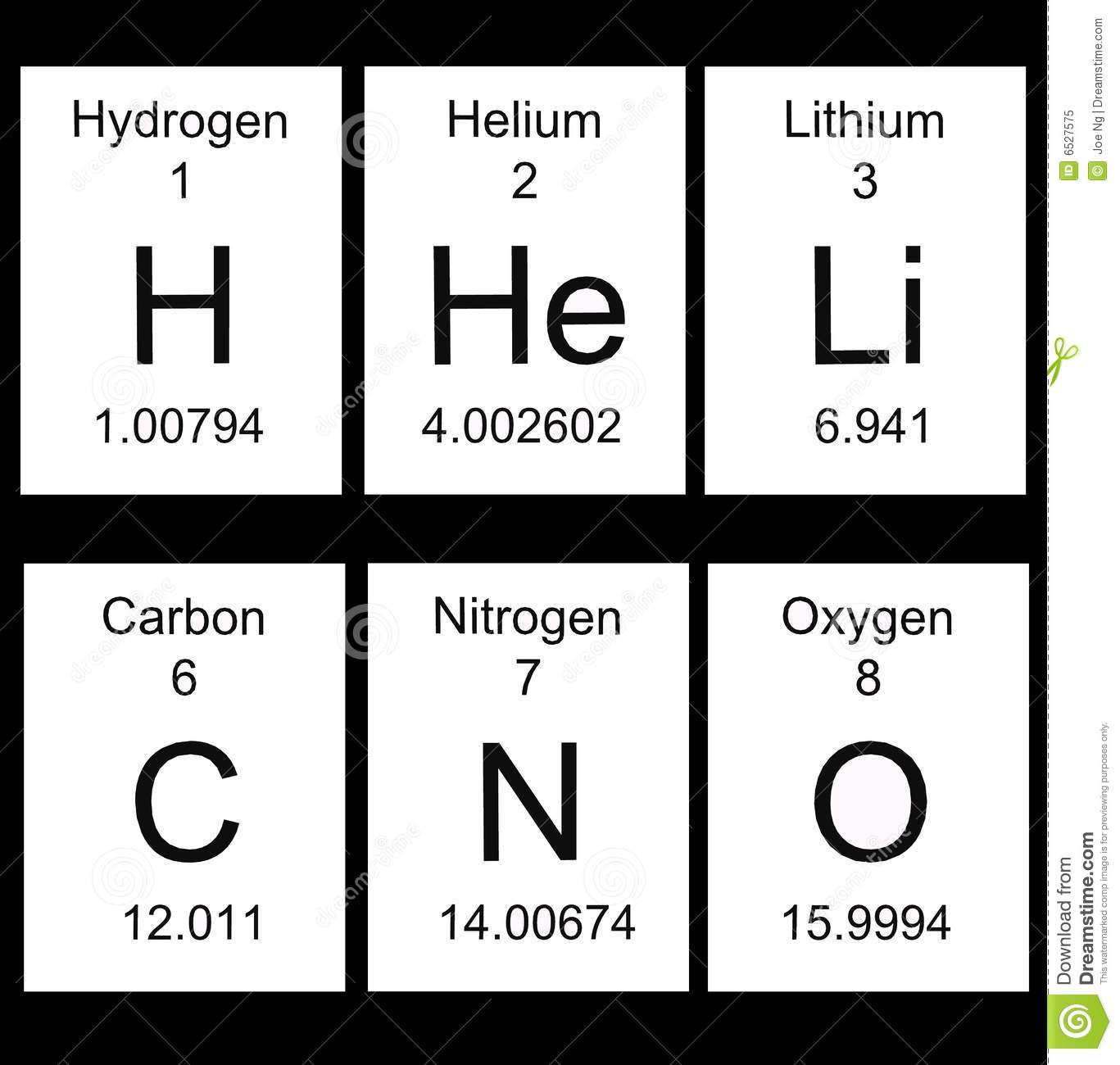
What is the chemical symbol for Lithium?
a)
H
b)
He
c)
Li
d)
N
73.
How many elements follow the periodic law?
a)
7
b)
98
c)
110
d)
All of them
74.
A rule that states that repeating chemical and physical properties of elements change periodically with the atomic number of the elements is the _________.
a)
periodic law
b)
alkaline-earth metals
c)
actinide
d)
group rule
75.
Pure forms of these elements are stored in oil so they won't react with oxygen and water in the air.
a)
Alkali Metals
b)
Alkaline-earth metals
c)
Halogens
d)
Noble Gases
76.
Most of the elements on the periodic table are classified as _____.
a)
Metals
b)
Nonmetals
c)
Metalloids
d)
Periods
77.
This class of elements are sometimes called "semiconductors."
a)
Metals
b)
Nonmetals
c)
Metalloids
d)
Groups
78.
The atomic number tells you what?
a)
number of electrons
b)
number of protons
c)
number of neutrons
d)
both electrons and protons in an atom.
79.
Which group of the periodic table is composed of inert (not reactive)  gases?
a)
alkali metals
b)
alkaline earth metals
c)
halogens
d)
noble gases
80.
Elements which are shiny, conduct electricity and heat are called
a)
metal
b)
nonmetal
c)
metalloid
d)
nonexistent
81.

Which element is not a metal?

a)

H

b)

Re

c)

Al

d)

Be

82.
The atoms along the staircase are called 
a)
metals
b)
nonmetals
c)
metalloids
d)
noble gases
83.
Which is a halogen?
a)
Helium
b)
Chlorine
c)
Oxygen
d)
Neptune
84.
Which is an alkali metal?
a)
Magnesium
b)
Iron
c)
Sodium
d)
Europium
85.
Elements in a ..................have similar chemical properties.  
a)
period
b)
group
c)
row
86.
The simplest substance is..?
a)
Carbon
b)
An element
c)
Water
d)
A simple compound 
87.
The yellow atoms are called 
a)
metals
b)
nonmetals
c)
metalloids
d)
noble gases
88.
An element's identity is determined by the number of
a)
electrons.
b)
protons.
c)
neutrons.
d)
valence.
89.
What period and group is Silver (Ag)? 
a)
Period 2, Group 1
b)
Period 3, Group 16
c)
Period 5, Group 11
d)
Period 2, 14
90.
Which of the following will have a larger radius than Zinc?
a)
Gallium
b)
Aluminum
c)
Magnesium
d)
Strontium
91.
Which of the following will have a lower ionization energy than Scandium (Sc)?
a)
Helium (He)
b)
Titanium (Ti)
c)
Calcium (Ca)
d)
Magnesium (Mg)
92.
As you move down the periodic table atoms get bigger.  This is because ____________.
a)
The atoms have more mass.
b)
The atoms have more protons.
c)
The atoms have more energy levels
d)
The atoms have more neutrons
93.
As you move across the periodic table atoms tend to get smaller because, ______________.
a)
the atoms have more mass.
b)
the atoms have less mass
c)
the atoms have more protons.
d)
the atoms have less electrons.
94.
Ionization energy is...
a)
the energy required to add an electron to a specific atom
b)
how much energy it takes to remove an electron from an atom
c)
the energy required to shield the outer electrons from the nucleus
d)
a measure of the ability of an atom to attract electrons
95.
The atom with the largest atomic radius in Group 18 is - 
a)
Ar
b)
He
c)
Kr
d)
Rn
96.
Metals have the largest - 
a)
atomic radius and electronegativity
b)
electronegativity and ionization energy
c)
atomic radius only
d)
ionization energy and atomic radius
97.
Electronegativity __________ from left to right within a period and __________ from top to bottom within a group.
a)
decreases, increases 
b)
increases, increases
c)
increases, decreases 
d)
stays the same, increases
98.
Which statement correctly and completely identifies a trend?
a)
Atomic radius decreases across a period and increases down a group.
b)
Electronegativity decreases across a period and decreases down a group.
c)
Ionization energy increases across a period and increases down a group.
d)
Ionic radius increases across a period and increases down a group.
99.
Atomic radius generally increases as we move __________.  
a)
down a group and from right to left across a period 
b)
up a group and from left to right across a period 
c)
down a group and from left to right across a period 
d)
up a group and from right to left across a period 
100.
What term is used to describe "A measure of the size of an atom"
a)
chemical reactivity
b)
atomic radius
c)
energy levels
d)
orbit
101.
The ionization potential of an element is the amount of energy required to remove an electron from an isolated atom or molecule. According to the periodic table, which of the following indicates the correct decreasing order of ionization energy?
a)
Li > Na > K > Cs
b)
Na > K > Li > Cs
c)
Li > K > Na > Cs 
d)
Cs > K > Na > Li 
102.
Francium (Fr) has the lowest ionization energy in Group 1 because - 
a)
it has the smallest number of valence electrons
b)
it has the greatest atomic mass
c)
it has the greatest number of protons, so it attracts its electrons the strongest
d)
its 1 valence electron is very far from the nucleus, so little energy is needed to remove it
103.
Fluorine, chlorine, bromine, and iodine all have the same number of valence electrons and have a tendency to gain electrons. Which element has the greatest ionization energy and electronegativity?
a)
fluorine
b)
chlorine 
c)
bromine 
d)
iodine 
104.
Electron affinity increases from bottom to top in a family of nonmetal elements on the periodic table. What other pattern occurs from bottom to top of a nonmetal family based on this change in electron affinity?
a)
atomic radii 
b)
ionization energy 
c)
ionic radii 
d)
none of these 
105.
The elements chromium (Cr) and zinc (Zn) are in period four of the periodic table. Which characteristic of zinc and chromium is correct based on their positions?
a)
Zinc has a greater atomic radius than chromium 
b)
Zinc loses electrons more easily than chromium
c)
Chromium has more valence electrons than zinc
d)
Chromium has lower ionization energy than zinc 
106.
Elements Z and X are compared. Element Z is larger than Element X. Based on this you could say: 
a)
Element Z is further to the left side of the periodic table
b)
Element X is closer to the top of the periodic table 
c)
Element Z and X are probably in the same group 
d)
A and/or B
107.
As the atoms in period 3 of the periodic table are considered from left to right, the atoms generally show...
a)
an increase in radius and an increase in ionization energy
b)
an increase in radius and a decrease in ionization energy
c)
a decrease in radius and an increase in ionization energy
d)
a decrease in radius and a decrease in ionization energy
108.
Place the following elements in order of increasing electronegativity: P, As, N, Bi
a)
Bi, N, As, P
b)
Bi, As, P, N
c)
N, P, As, Bi
d)
P, As, Bi, N
109.
Place the following elements in order of decreasing atomic radius: Cl, Mg, Al, Ca
a)
Ca, Mg, Al, Cl
b)
Mg, Al, Cl, Ca
c)
Ca, Al, Cl, Ca
d)
Cl, Al, Mg, Ca
110.
Put the following elements in order of increasing ionization energy: C, O, Be, F
a)
F, O, C, Be
b)
Be, F, O, C
c)
Be, C, O, F
d)
F, Be, O, C
111.
Which of the following factors contributes to the higher ionization energy of the lower atomic number elements in a family on the periodic table?
a)
Larger nuclei
b)
Greater distance from nucleus
c)
Shorter distance from nucleus; shielding
d)
Less valence electrons
112.
The energy required to remove an electron from an atom, forming an ion, is known as what?
a)
Electron shielding
b)
Electronegativity
c)
Ionization energy
d)
Ionic Radius
113.
According to the Periodic Table of the Elements, which set of elements has similar properties?
a)
H, C, I
b)
He, H, Al
c)
He, Ne, Ar
d)
Na, Ca, Al
114.
In the equation,  146C --> 147N + 0-1B, the _______ decay of radioactive carbon-14 results in the creation of a new nitrogen-14 atom.
a)
Radioactive
b)
Beta
c)
Alpha
d)
Gamma
115.
a)
42He
b)
0-1 e
c)
00Y
d)
178O
116.
a)
42He
b)
0-1 e
c)
00Y
d)
178O
117.

In the reaction 2411Na →2412Mg + X, particle X is a

a)

alpha particle

b)

helium nuclei

c)

neutron

d)

beta particle

118.

If a nucleus after beta decay is 23491Pa, what was the nucleus just before the release of the beta particle?

a)

23492U

b)

23891Pa

c)

23591Pa

d)

23490Th

119.
This is an example of...
a)
Fission  reaction
b)
Fusion reaction
c)
Decomposition reaction
d)
Combustion
120.
a)
42He
b)
0-1 e
c)
00Y
d)
178O
121.
The major drawback to nuclear fission reactors is the difficulty of achieving safe disposal of radioactive waste products.
a)
true
b)
false
122.
A benefit to using nuclear fission power is that it:
a)
supplies a lot of electricity
b)
conserves organic fuels, like oil, coal, and wood
c)
eliminates huge quantities of sulfur dioxides, which pollute our air
d)
all of the choices
123.
How do nuclear power-plants work?
a)
Fusion
b)
Half-life
c)
Fission
d)
Fusion or fission
124.
Radiation is used to help people.
a)
True
b)
False
125.
Nuclear energy uses _____ to turn turbines to power a generator.
a)
wind
b)
water
c)
steam
d)
solar
126.
What element does carbon-14 become after undergoing beta decay?
 
a)
 7N13 
b)
5B14
c)
7N14 
d)
6C14 
127.
 For the following nuclear reaction, what was the beginning radionuclide (X)?
      X     86Rn222 + 2He
a)
Radium-222
b)
Radon-222
c)
Radon-226
d)
Radium-226
128.
Balance the following equation:
146C --> 0-1e + ________
a)
145B
b)
146C
c)
147N
d)
42He
129.
Solve this equation for alpha decay.
88226Ra = ___ + 24He
a)
86222Rn
b)
89226Ac
c)
84224Po
d)
88225Ra
130.
Solve this equation for alpha decay.
85209At = ___ + 24He
a)
83205Bi
b)
86209Rn
c)
81207Tl
d)
85208At
131.
Solve this equation for beta decay.
614C = ___ + -10e
a)
410Be
b)
714N
c)
210He
d)
613C
132.
Solve this equation for beta decay.
2760Co = ___ + -10e
a)
2556Mn
b)
2860Ni
c)
2358V
d)
2759Co
133.

Np-239 emits a beta particle. What element is the other product?

a)

Th-239

b)

U-239

c)

Pu-239

d)

Pu-238

134.

Which of the following forms of radiation have a positive charge? (bubble all that apply)

a)

Alpha

b)

Beta

c)

Gamma

d)

Positron

135.
The atomic number indicates:
a)
The number of neutrons in a nucleus
b)
The total number of neutrons and protons in a nucleus
c)
The number of protons in an atom
d)
The number of atoms in one gram of an element
136.

In the symbol, 6ZC, z is (bubble all that apply)

a)

The number of neutrons

b)

The atomic number

c)

The mass number

d)

The total number of protons and neutrons

137.

How many neutrons and protons are in an atom of 55133Cs?

a)

133 protons and 55 neutrons

b)

55 protons and 133 neutrons

c)

78 protons and 55 neutrons

d)

55 protons and 78 neutrons

138.

Which of the following isotopes has 45 neutrons?

a)

3680Kr

b)

3580Br

c)

3478Se

d)

1734Cl

139.
What happens to the mass number and the atomic number of an element when it undergoes beta decay?
a)
Neither the mass number nor the atomic number change.
b)
The mass number decreases by 4 and the atomic number decreases by 2.
c)
The mass number does not change and the atomic number increases by 1.
d)
The mass number does not change and the atomic number decreases by 2.
140.

Which one of the following is a correct representation of a beta particle?

a)
b)
c)
d)
141.
Which one of the following processes results in an increase in the atomic number?
a)
gamma emission
b)
positron emission
c)
beta emission
d)
alpha emission
142.
Of the following processes, which one changes the atomic number?
a)
alpha emission
b)
beta emission
c)
positron emission
d)
all of the above
143.
Which type of radioactive decay results in no change in mass number and atomic number for the starting nucleus?
a)
alpha
b)
beta
c)
positron emission
d)
gamma ray
144.
What happens to the mass number and the atomic number of an element when it emits alpha radiation?
a)
The mass number remains unchanged while the atomic number decreases by one.
b)
The mass number decreases by four and the atomic number decreases by two.
c)
The mass number increases by four and the atomic number increases by two.
d)
The mass number remains unchanged while the atomic number increases by one.
145.
Different isotopes of a particular element contain the same number of __________.
a)
protons
b)
neutrons
c)
protons and neutrons
d)
subatomic particles
146.
The spontaneous disintegration of a large unstable nucleus into a slightly lighter and more stable nucleus, accompanied by emission of particles, electromagnetic radiation, or both, is
a)
Nuclear fusion
b)
Nuclear radiation
c)
Nuclear decay
d)
Nuclear fission
147.
Which of the following has the greatest penetration ability?
a)
Alpha particles
b)
Beta particles
c)
Gamma rays
d)
All are equal
148.
Which of the following is a commonly held misconception about nuclear radiation?
a)
Exposure to radiation will always make you sick.
b)
Solar radiation is always the most dangerous.
c)
Man is responsible for all radiation.
d)
All of the above.
149.
Which of the following is a factor that helps determine the stability of a nucleus?
a)
Neutron to proton ratio
b)
The number of neutrons cannot exceed 20.
c)
The number of protons cannot exceed 20.
d)
The number of electrons cannot exceed 20.
150.

Which of the following isotopes is stable?

a)

513B

b)

614C

c)

716N

d)

816O

151.
For which of the following families of elements are ALL of their member elements radioactive?
a)
Noble gases
b)
Alkali metals
c)
Transition Metals (d-block)
d)
Inner Transition Metals (f-block)
152.
ALL elements with atomic number greater than 83 are
a)
Stable and unreactive
b)
Radioactive
c)
Synthetic (man-made)
d)
Have a neutron to proton ratio of 1:1
153.
Which of the following describes what occurs in the fission process?
a)
A heavy nucleus is fragmented into lighter ones.
b)
A neutron is split into a neutron and proton.
c)
Two light nuclei are combined into a heavier one.
d)
A proton is split into three quarks.
154.
Which of the following statements about nuclear fission is always correct?
a)
Very little energy is released in fission processes.
b)
Nuclear fission produces a significant amount of energy.
c)
Due to its instability, 56Fe readily undergoes fission.
d)
All nuclear fission reactions are spontaneous.
155.
Which one of the following would be most likely to undergo thermonuclear fusion?
a)
Hydrogen
b)
Iron
c)
Barium
d)
Uranium
156.
Which of the following statements does NOT describe a nuclear reaction?
a)
Two smaller nuclei are combined into a more massive nuclei.
b)
Electrons are transferred between two or more atoms.
c)
The nucleus of a large unstable atom is split into two or more fragments.
d)
The particles in each specific nucleus are changed but the overall total number of protons and neutrons are conserved.
157.

Which of the following statements are true about nuclear fission? (bubble all that apply)

a)

The splitting of a large atom into two or more smaller ones.

b)

The combining of two or more lighter atoms in a larger one.

c)

Extremely high amounts of energy is required.

d)

Relatively low amount of energy is required.

158.

Which of the following statements are true about nuclear fusion? (bubble all that apply)

a)

The splitting of a large atom into two or more smaller ones.

b)

The combining of two or more lighter atoms in a larger one.

c)

Extremely high amounts of energy is required.

d)

Relatively low amount of energy is required.

159.
Which of the following statements is true about half-life?
a)
It is the amount of time it takes for all of an element to decay.
b)
It is the amount of time it takes for a radioactive element to be safe.
c)
It is the amount of time it takes for 10% of a radioactive element to decay.
d)
It is the amount of time it takes for 50% of a radioactive element to decay.