
 Worksheets
Chapter 2 (Genetics): Cells
Total questions: 37
Worksheet time: 21mins
Name
Class
Date
1.
How many PAIRS of sex chromosomes do humans have?
a)
23
b)
46
c)
1
d)
2
2.
The X and Y chromosomes are called the
a)
extra chromosomes.
b)
phenotypes.
c)
sex chromosomes.
d)
All of the answers are correct.
3.
Chromosome that is not a sex chromosome
a)
Chromosome
b)
Autosome
c)
Sex Chromosome
d)
Homologous pair
4.
A chart or family tree that tracks which members of a family have a particular trait or disease.
a)
Carrier
b)
Karyotype
c)
Pedigree
d)
Genome
5.
Any change in the sequence of DNA is...
a)
transgenic shift
b)
Single Genotype
c)
Monohybrid Trait
d)
Mutation
6.

The main goal of the Human Genome Project is to
a)
identify the unique parts of each person's DNA.
b)
identify genes responsible for human diseases.
c)
identify genes responsible for human behavior.
d)
determine the entire sequence of human DNA.
7.
Which best describes the impact that the Human Genome Project has has on society?
a)
It has helped scientists determine that certain genes can cause diseases
b)
It has led to discrimination against genetically flawed individuals
c)
It has led to the appearance of new diseases
d)
It has cost society billions of dollars without any major benefits
8.

Alternative forms of a gene are called
a)
Alleles
b)
Homozygous
c)
DNA
d)
Genetics
9.

The physical appearance of an organism based on traits
a)
Genotype
b)
Phenotype
c)
Meiosis
d)
Genetics
10.

The allele combinations
a)
genetics
b)
mitosis
c)
genotype
d)
phenotype
11.

Hair colour is an example of
a)
genotype
b)
phenotype
12.

Having the genes for baldness is an example of
a)
genotype
b)
phenotype
13.
Genes are affected by their environment.
a)
true
b)
false
14.
Which of the following is directly involved in the transportation of materials inside/within the cell?
a)
Endoplasmic Reticulum
b)
Vacuole
c)
Lysosome
d)
Mitochondria
15.
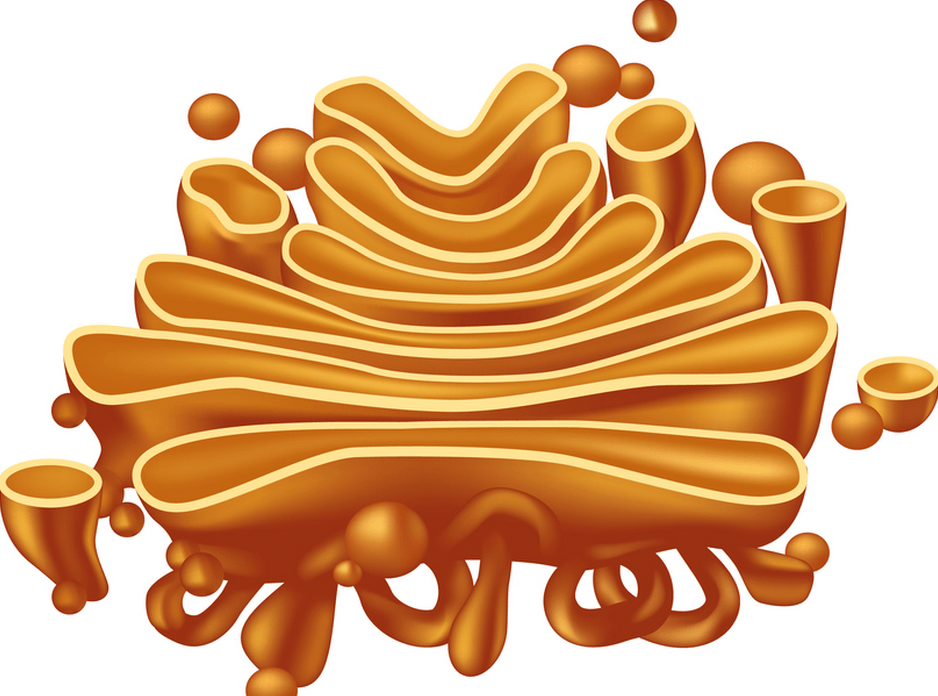
I am a protein packaging and shipping machine! Who am I?
a)
vacuole
b)
ribosome
c)
mitochondrion
d)
golgi apparatus
16.
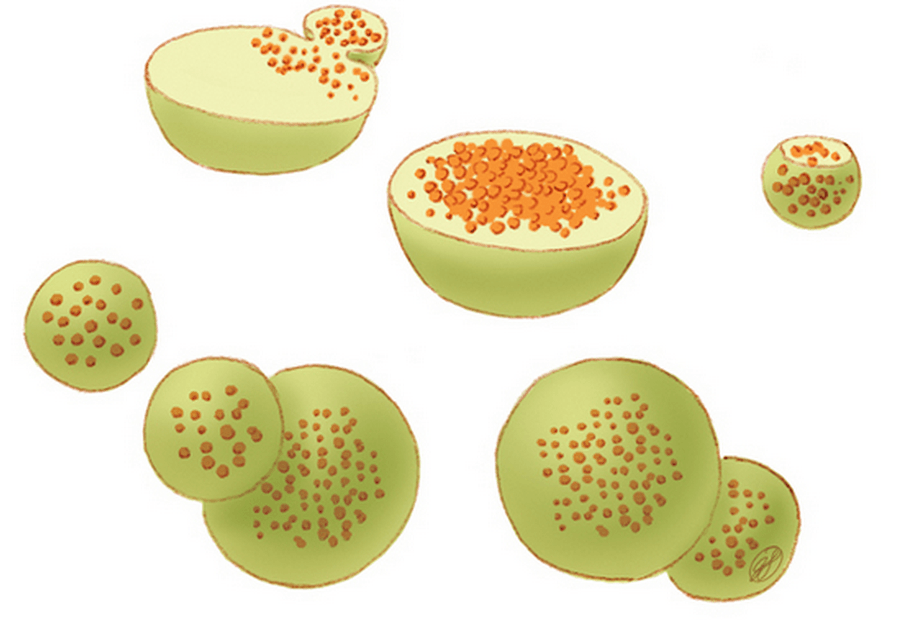
You might think of me as the trash collector, but recycler is maybe more accurate. What am I?
a)
mitochondria
b)
lysosome
c)
vacuole
d)
ribosome
17.
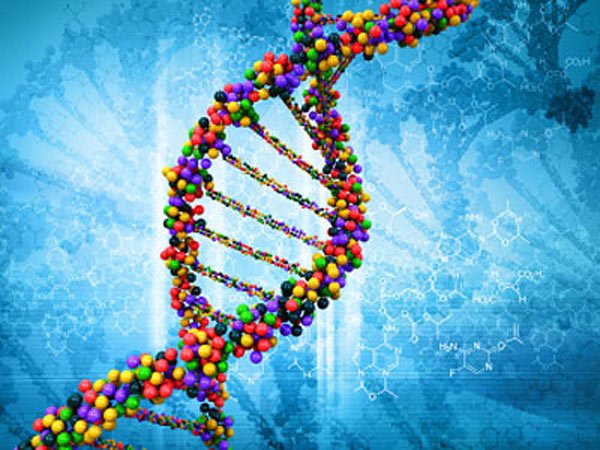
What is the name of the genetic material that is inside the nucleus?
a)
ER
b)
ATP
c)
YOLO
d)
DNA
18.
Where are proteins made?
a)
Golgi body
b)
Mitoichondria
c)
Chromosomes
d)
Ribosomes
19.
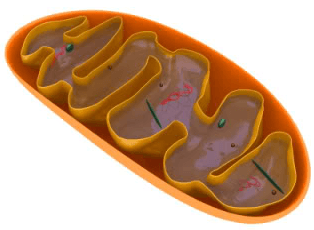
What are tiny organelles that convert glucose into ATP?
a)
Ribosomes
b)
Vesicles
c)
Cytoskeleton
d)
Mitochondria
20.
What organelle helps with cell digestion?
a)
Lysosomes
b)
Ribosomes
c)
Golgi Complex
d)
ER
21.
What is the gel-like substance inside of cells called?
a)
photoplasm
b)
photosynthesis
c)
cytoskeleton
d)
cytoplasm
22.
A group of tissues that work together to perform a similar function is called_____. (Examples include the heart, lungs or stomach)
a)
cells
b)
tissues
c)
organs
d)
organ system
23.
A group of cells that have similar functions? Examples are nervous, epithelial, muscle and connective
a)
cells
b)
tissues
c)
organs
d)
atoms
24.
Organs that work together to perform a related function is called _____________?
a)
cells
b)
tissues
c)
organ system
d)
organs
25.
When many organ systems work together it can form...
a)
organ
b)
cells
c)
organ system
d)
organism
26.

This is a example of........
a)
organ system
b)
cells
c)
organ
d)
tissue
27.

This is a example of ........
a)
cell
b)
organ system
c)
organ
d)
tissue
28.
Which biomolecule is also known as enzymes?
a)
Carbohydrate
b)
Lipid
c)
Nucleic Acid
d)
Protein
29.
Which biomolecule contains pastas and breads?
a)
Lipid
b)
Protein
c)
Nucleic Acid
d)
Carbohydrate
30.
Which biomolecule is made of nucleotides and contain you DNA?
a)
Carbohydrate
b)
Lipids
c)
Protein
d)
Nucleic Acid
31.
Which biomolecule helps form muscles?
a)
Nucleic Acid
b)
Carbohydrate
c)
Protein
d)
Lipids
32.
Which biomolecule is responsible for insulation and energy storage?
a)
Protein
b)
Nucleic Acid
c)
Lipid
d)
Carbohydrate
33.
Which biomolecule has sugars and starches?
a)
Lipids
b)
Proteins
c)
Carbohydrates
d)
Nucleic Acid
34.
Which biomolecule is your main source of energy?
a)
Nucleic Acid
b)
Protein
c)
Lipid
d)
Carbohydrate
35.
Which biomolecule contains fats, oils, and waxes?
a)
Proteins
b)
Nucleic Acid
c)
Lipids
d)
Carbohydrate
36.
What is the name of the signaling molecule that triggers a transduction pathway?
a)
ligand
b)
GTP
c)
kinase
d)
phosphatase
37.
The part of the genome that codes for proteins is the
a)
exon
b)
exome
c)
genome
d)
genomics
100 %

