wayground logo

Free Printable Worksheets

NEW

Font size

S
M
L
XL
Worksheets

BIO330 Tutorial 6 Terrestrial Ecosystem

Total questions: 40

Worksheet time: 43mins

Name
Class
Date
1.

A terrestrial ecosystem that is hot, humid forests with much rainfall.

a)

taiga

b)

grassland

c)

tropical rainforest

d)

deciduous forest

2.
Terrestrial biomes are defined mainly by their
a)
climate & plants
b)
climate & animals
c)
animals & plants
d)
climate only
3.
The closer a biome is to the equator, the more we would expect it to be
a)
warmer & wetter
b)
warmer & drier
c)
cooler & wetter
d)
cooler & drier
4.
The most biodiverse biome is: 
a)
Taiga
b)
Chaparral
c)
Savanna
d)
Tropical Rainforest
5.

What factors influence the type of plants grow in a biome?

a)

temperature & precipitation

b)

temperature only

c)

precipitation only

d)

none of these

6.

This biome is so fragile a footprint could stay for over 30 years.

a)

deciduous forest

b)

tropical rainforest

c)

tropical rainforest

d)

tundra

7.

Which two terrestrial biomes receive the least amount of precipitation?

a)

tundra and taiga

b)

tundra and desert

c)

desert and taiga

d)

desert and grassland

8.

Which large land biome covers most of Canada and Russia?

a)

tundra

b)

taiga

c)

temperate deciduous forest

d)

grassland

9.

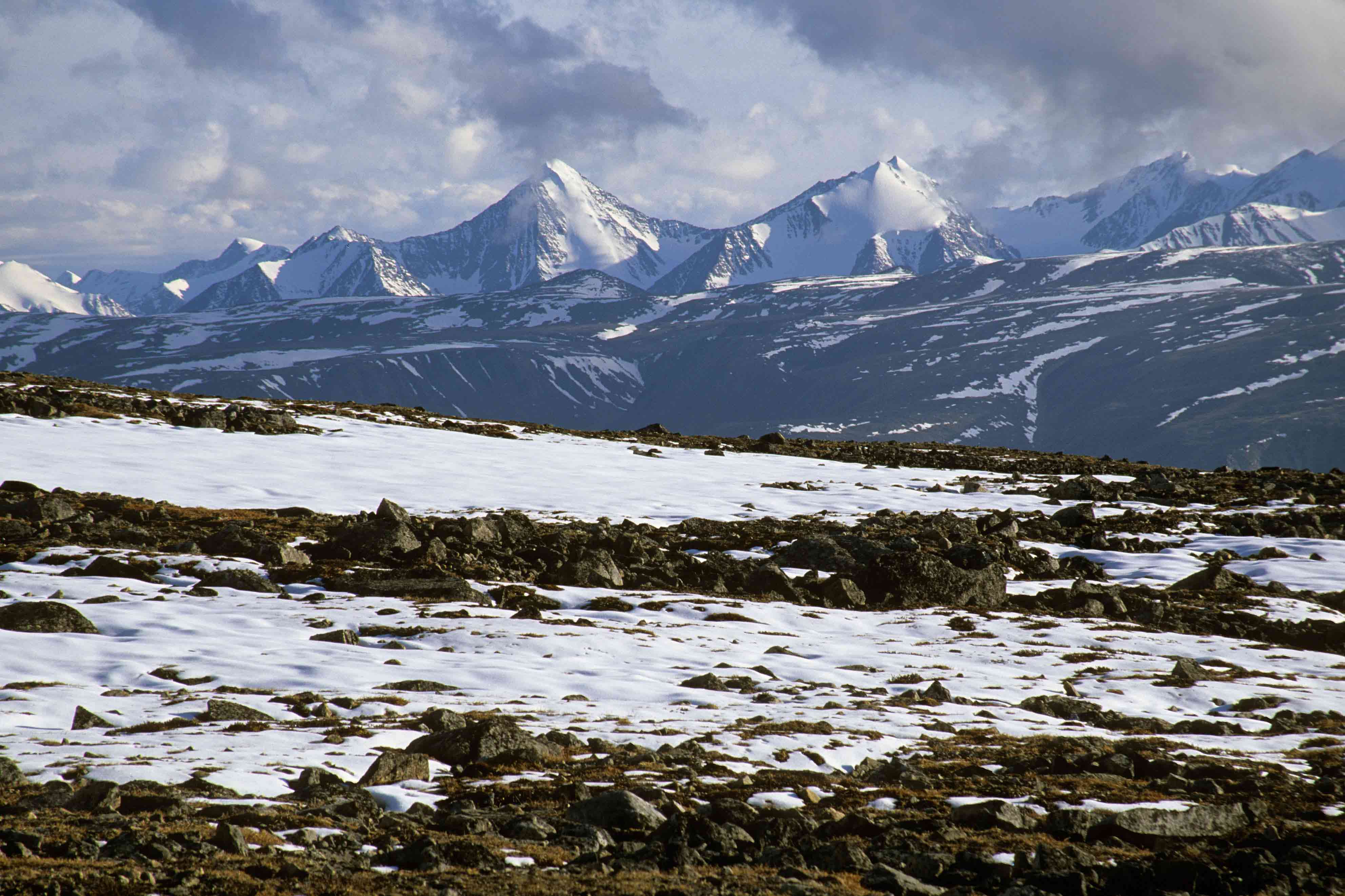
Which biome lacks trees due to its high winds, low amount of precipitation, and permanently frozen subsoil?

a)

tundra

b)

taiga

c)

grassland

d)

desert

10.

Which biome is dominated by evergreen coniferous trees?

a)

tundra

b)

taiga

c)

temperate deciduous forest

d)

tropical rainforest

11.

Which biome is home to large, grazing herbivores and ground-nesting birds?

a)

Tundra

b)

Taiga

c)

Grassland

d)

Desert

12.

Which biome has rich, fertile soil produced from the decaying leaves shed from the trees in winter?

a)

taiga

b)

tropical rainforest

c)

temperate deciduous forest

d)

grassland

13.

Which biome is known for its arid conditions and extreme 24 hour temperature fluctuations?

a)

tundra

b)

taiga

c)

grassland

d)

desert

14.
The farther a biome is from the equator, the more we would expect it to be 
a)
warmer & wetter
b)
warmer & drier
c)
cooler & wetter
d)
cooler & drier
15.
The tropical rain forest & tropical savanna biomes are similar in ___________, but ________________________________.
a)
temperature / the savannah doesn't receive enough rainfall to be a forest
b)
precipitation / the rain forest is hotter
c)
precipitation / the savanna is cooler
d)
temperature / the rain forest doesn't receive enough sunlight to be a savanna
16.
The tundra biome & the desert biome are both very dry, but
a)
the desert is always hot
b)
the desert has a wider temperature range
c)
the tundra has a wider temperature range
d)
they are also similar in temperature
17.
The tropical savanna & temperate grassland are both types of grasslands. What differentiates them is the fact that
a)
the savanna is hotter
b)
the savanna is cooler
c)
the grassland is hotter
d)
the grassland receives much more precipitation
18.
The biome pictured is
a)
desert
b)
tropical savanna
c)
tropical seasonal forest
d)
boreal forest
19.
Abiotic factors: hot and wet year-round; thin, nutrient-poor soils • Dominant plants: broad-leaved evergreen trees; ferns; large woody vines and climbing plants;  orchids and bromeliads
a)
Taiga 
b)
Temperate Rain Forest
c)
Temperate Deciduous Forest
d)
Tropical Rain forest
20.

According to the diagram, which of the following both have large amounts of precipitation?

a)

desert & tropical rain forest

b)

seasonal forest & tundra

c)

tundra & desert

d)

tropical rain forest & temperate rain forest

21.

The landscape of the tundra is characterized by having no trees. Why do you think there are no trees or other large plants in the tundra?

a)

Because of the permanently frozen ground, cold temperatures & short growing season

b)

Because it is too hot for part of the year

c)

Because it gets far too much precipitation

d)

none of these

22.
The ability to conserve water is an important adaptation in which biome?
a)
Coniferous Forest
b)
Deciduous Forest
c)
Desert
d)
Tundra
23.

As the latitude of an ecosystem increases, average temperatures

a)

Increase

b)

Decrease

c)

Stay the same

24.

Which of the following describes chaparral shrubs?

a)

short

b)

evergreen

c)

contain flammable oils

d)

all of the above

25.

Which of the following would be damaging to the chaparral biome?

a)

wildfires

b)

flooding

c)

drought

d)

all of the above

26.
Dropping leaves in the fall is a adaptation seen in what type of tree?
a)
deciduous
b)
evergreen
c)
conifer
d)
bonsai
27.
In which biome do trees have a cone shape adaptation to prevent snow build-up?
a)
temperate deciduous forest
b)
taiga
c)
tundra
d)
chaparral
28.
Trees losing leaves, vertical leaves, and thorns are all adaptations to _____ in deserts, savannas, and chapparal.
a)
freezing temperatures
b)
drought
c)
fire
d)
predation
29.
Leaves that encourage fire and seeds that sprout after fire are seen in the _______.
a)
desert
b)
taiga
c)
chaparral
d)
tundra
30.
Spines, waxy leaves, and wide root systems are all adaptations to _____.
a)
water shortages
b)
floods
c)
fires
d)
human development
31.
In which biome can you find permafrost?
a)
taiga
b)
tundra
c)
desert
d)
chaparral
32.
Animals living underground and dwarf trees are BOTH adaptations to _____ in the tundra.
a)
cold
b)
heat 
c)
wind
d)
predation
33.
The biome pictured is
a)
desert
b)
tundra
c)
temperate grassland
d)
boreal forest
34.
Abiotic factors: warm temperatures; seasonal rainfall; compact soil; frequent fires set by lightning • Dominant plants: tall, perennial grasses; sometimes drought-tolerant and fireresistant trees or shrubs    
a)
temperate grasslands
b)
Prairies
c)
savanna grass lands
d)
chapparal
35.
Abiotic factors: hot and wet year-round; thin, nutrient-poor soils • Dominant plants: broad-leaved evergreen trees; ferns; large woody vines and climbing plants;  orchids and bromeliads
a)
Taiga 
b)
Temperate Rain Forest
c)
Temperate Deciduous Forest
d)
Tropical Rain forest
36.

Kangaroo rats and Joshua trees live here.

a)

grassland

b)

tropical rain forest

c)

taiga

d)

desert

37.
 What type of biome is pictured?
a)
Tundra
b)
Temperate Rainforest
c)
Grassland
d)
Desert
38.
 What type of biome is pictured?
a)
Tundra
b)
Temperate Rainforest
c)
Grassland
d)
Desert
39.
The biome known for trees with broad leaves that fall off the trees in the winter.
a)
Coniferous Forests
b)
Temperate Deciduous Forests
c)
Deserts
d)
Tundra
40.
Which Biome is the coldest?
a)
Tundra
b)
Rain Forest
c)
Conferous Forest
d)
Chaparral