
 Worksheets
Preparing Common Salts & Endothermic/Exothermic Reactions
Total questions: 41
Worksheet time: 28mins
Name
Class
Date
1.
In an endothermic reaction, heat is ,,,
a)
given out
b)
taken in
2.
What type of reaction occurs in a hand warmer
a)
exothermic
b)
endothermic
3.
If a chemical reaction is EXOTHERMIC, the temperature would....
a)
Stay the same
b)
Increase
c)
Decrease
4.
What elements make up Copper sulphate? CuSO4
a)
copper, sulphate
b)
copper, sulphur
c)
copper, sulphur and oxygen
d)
copper and oxygen
5.
Acid + Metal --> ?
a)
Salt + Water
b)
Salt + Hydrogen
c)
Salt
d)
Hydrogen
6.
Magnesium and hydrochloric acid are mixed together in a beaker, hydrogen is produced as well as magnesium chloride.
Choose correct word equation
Choose correct word equation
a)
magnesium chloride + hydrogen --> magnesium + hydrochloric acid
b)
magnesium + hydrochloric acid --> magnesium chloride + hydrogen
7.
Iron + Hydrochloric acid --> ?
a)
iron sulfate + water
b)
iron + hydrogen
c)
iron chloride + hydrogen
d)
iron chloride + water
8.
How can we prevent sodium from reacting?
a)
By keeping it under a layer of oil.
b)
By galvanising it.
c)
By keeping it cool.
d)
By heating it.
9.
Salts that are made with carbonic acid are called ______________.
a)
chlorides
b)
sulfates
c)
nitrates
d)
carbonates
10.
acid + metal ----->
a)
salt + hydrogen
b)
salt + water + carbon dioxide
c)
salt + water
d)
salt + carbon dioxide
11.
Acid + Carbonate ----->
a)
salt + hydrogen
b)
salt + water + carbon dioxide
c)
salt + water
d)
salt + carbon dioxide
12.
Magnesium + sulphuric acid --> ?
a)
magnesium sulfate + water
b)
magnesium sulfate + hydrogen
c)
magnesium chloride + hydrogen
d)
magnesium chloride + water
13.
Zinc + nitric acid --> ?
a)
zinc sulfate + water
b)
zinc sulfate + hydrogen
c)
zinc nitrate + hydrogen
d)
zinc chloride + water
14.
Which metal is the least reactive out of: copper, magnesium, zinc and iron?
a)
copper
b)
magnesium
c)
zinc
d)
iron
15.
Which equation correctly shows the displacement of copper by zinc?
a)
copper + zinc sulphate --> copper sulfate + zinc
b)
zinc sulphate + copper --> copper sulfate + zinc
c)
copper sulfate + zinc --> zinc sulfate + copper
16.
Which equation correctly shows the displacement of zinc by iron?
a)
copper + zinc sulphate --> copper sulfate + zinc
b)
zinc sulphate + copper --> copper sulfate + zinc
c)
copper sulfate + zinc --> zinc sulfate + copper
d)
Iron cannot displace zinc
17.
Salts produced by the reactions of hydrochloric acid are known as...
a)
chlorines
b)
nitrates
c)
chlorides
d)
bromides
18.
acid + carbonate ----->
a)
salt + hydrogen
b)
salt + water + carbon dioxide
c)
salt + water
d)
salt + carbon dioxide
19.
acid + alkali ----->
a)
salt + hydrogen
b)
salt + water + carbon dioxide
c)
salt + water
d)
salt + carbon dioxide
20.
What reactants are needed to prepare (make) copper carbonate?
a)
copper and hydrochloric acid
b)
copper and sulfuric acid
c)
copper and nitric acid
d)
copper and carbonic acid
21.
What reactants are needed to prepare (make) magnesium nitrate?
a)
magnesium and hydrochloric acid
b)
magnesium and sulfuric acid
c)
magnesium and nitric acid
d)
magnesium and carbonic acid
22.
What reactants are needed to prepare (make) lead sulfate?
a)
lead and hydrochloric acid
b)
lead and sulfuric acid
c)
lead and nitric acid
d)
lead and carbonic acid
23.
How do you know when a reaction between a metal and an acid is complete?
a)
All the metal is dissolved
b)
There is a color change in the acid
c)
Bubbles don't form when more metal is added
d)
All the acid evaporates
24.
Why is burning a salt one way to determine the metal used in preparing it?
a)
Each metal burns a different color.
b)
Some metals burn and some don't.
c)
Each metal has a different colored smoke.
d)
Burning salts is not will not help determine the metal.
25.
In a reaction between an acid and a carbonate gas bubbles will appear. What is that gas?
a)
helium
b)
hydrogen
c)
oxygen
d)
carbon dioxide
26.
How do you know when a reaction between a metal and an acid is complete?
a)
All the metal is dissolved
b)
There is a colour change in the acid
c)
Bubbles don't form any more metal is added
d)
All the acid evaporates
27.
Why is burning a salt one way to determine the metal used in preparing it?
a)
Each metal burns a different colour.
b)
Some metals burn and some don't.
c)
Each metal has a different coloured smoke.
d)
Burning salts is not will not help determine the metal.
28.

Exothermic reactions...
a)
Absorb energy
b)
Release energy
c)
Release Color
d)
Absorb Color
29.

If a chemical reaction is EXOTHERMIC, the temperature would....
a)
Stay the same
b)
Increase
c)
Decrease
30.
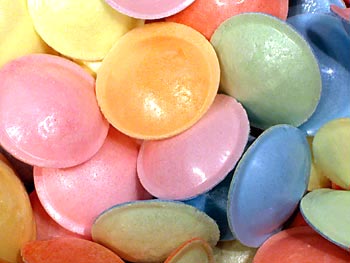
Have you ever eaten sherbet sweets candy? They fizz in your mouth and your tongue feels cold. Why do you think that is?
a)
It is an exothermic reaction
b)
It is an endothermic reaction
c)
It is made of ice
d)
It is dissolving your mouth
31.
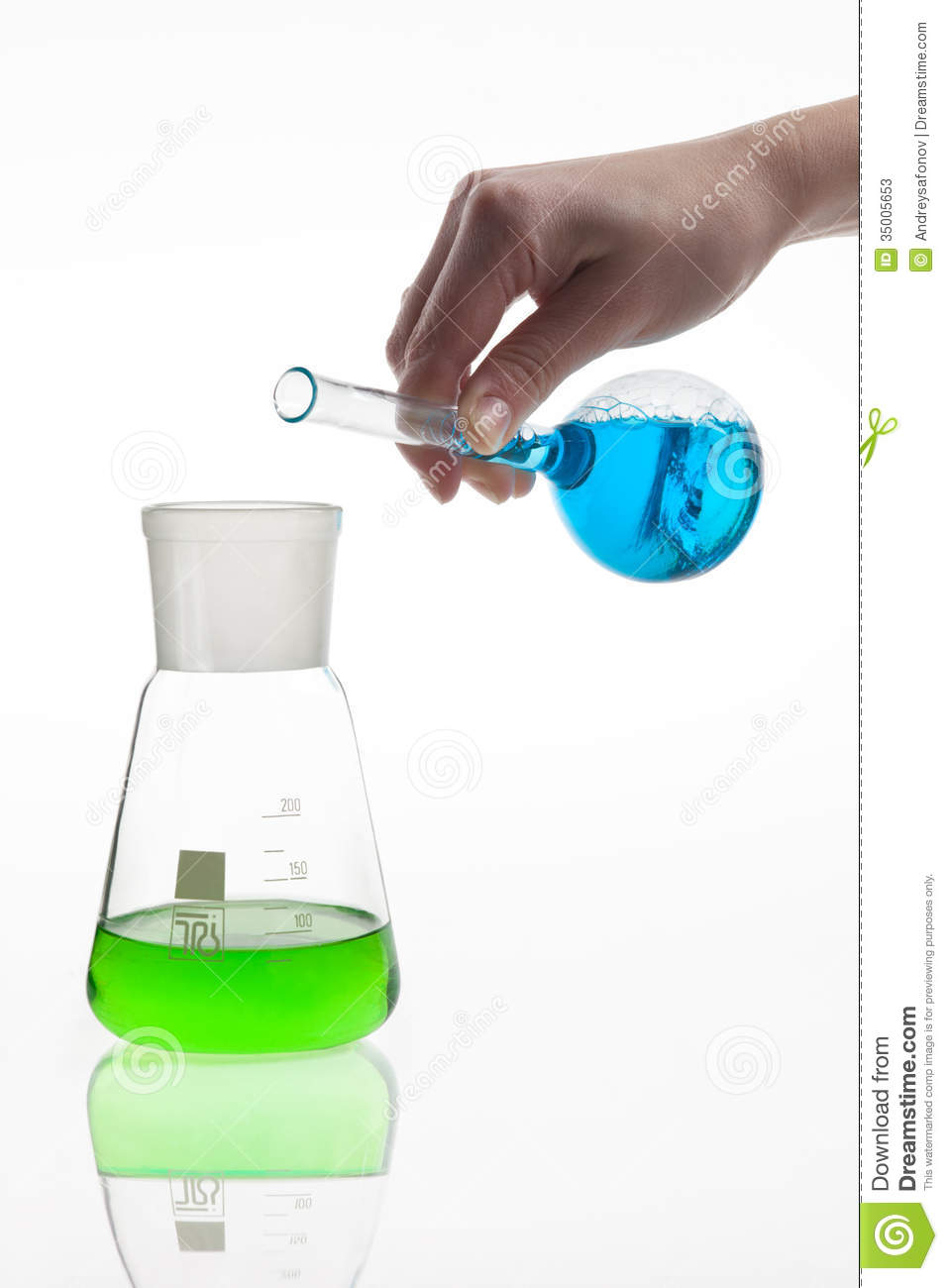
A student mixed two chemicals to allow them to react. The temperature before the reaction was 25 ° C. The temperature after the reaction was 18° C. Which of the following is true?
a)
The temperature changed
b)
It is an endothermic reaction
c)
It is an exothermic reaction
d)
Two of the answers are correct
32.
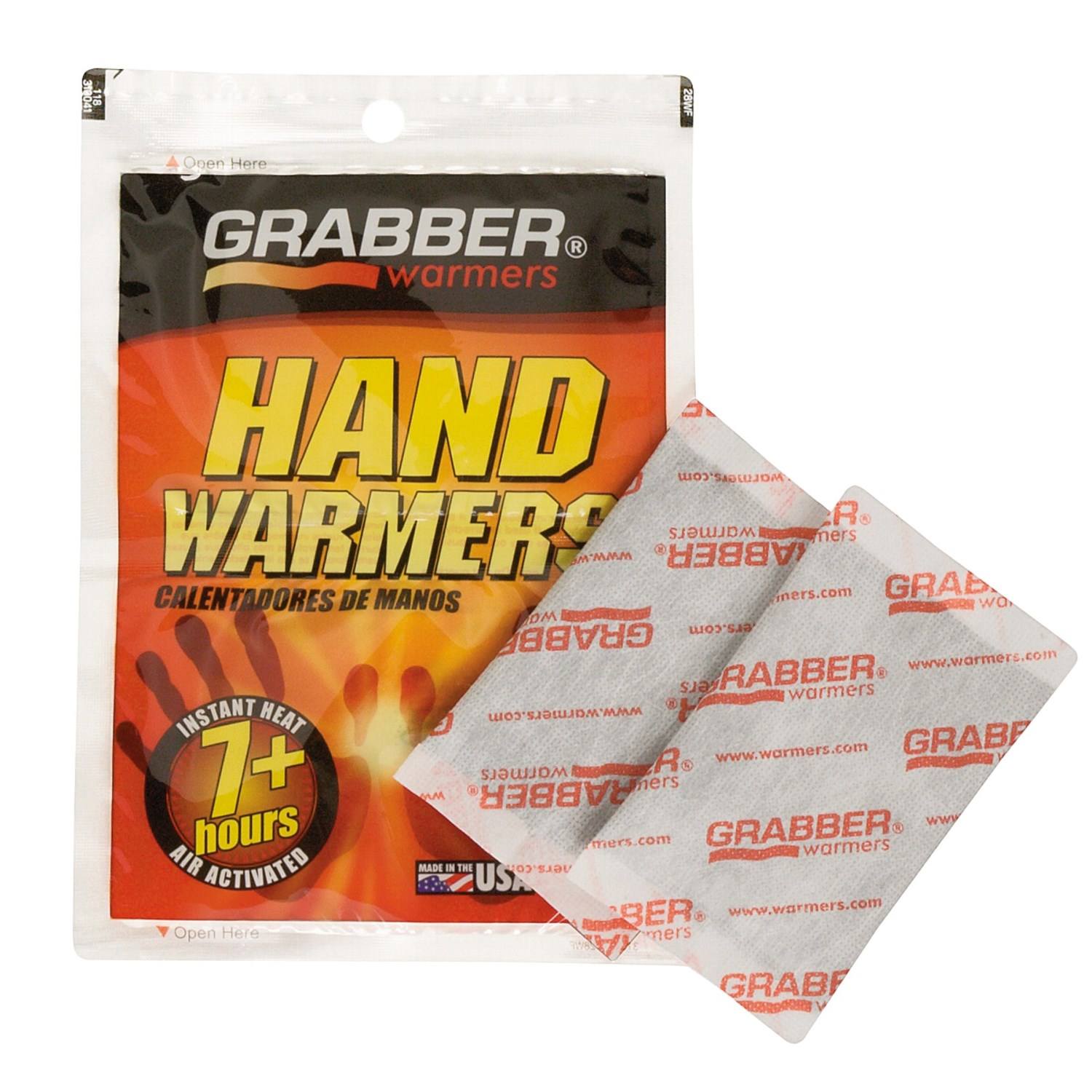
What type of reaction occurs in a hand warmer
a)
exothermic
b)
endothermic
33.

Alka-seltzer in water is an example of a
a)
Endothermic reaction
b)
Exothermic reaction
c)
Dissolving a salt
d)
physical change
34.
When iron nails get rusty, heat is released. What process is this?
a)
Exothermic
b)
Endothermic
35.
Is the combustion of gasoline endothermic or exothermic?
a)
Endothermic
b)
Exothermic
36.
A chemical reaction that produces energy is a /an
a)
endothermic reaction
b)
exothermic reaction
c)
energy
d)
chemical reaction
37.
A chemical reaction that requires energy is a
a)
exothermic reaction
b)
endothermic reaction
c)
over reaction
38.
Which of the following is a sign that a chemical reaction has occurred?
a)
change in shape
b)
melting
c)
bubbles of gas appear
d)
dissolving
39.
Calcium Carbonate + Heat
a)
Limestone + Carbon Dioxide + Water
b)
Limewater + Carbon Dioxide
c)
Lime + Carbon Dioxide
d)
Calcium Oxide + Carbon Dioxide
e)
Calcium Oxide + Carbon Dioxide + Water
40.
Which is a Chemical property?
a)
Thermal Conductivity
b)
Density
c)
Malleability
d)
Flammability
41.
Is this quiz good? ( ClassDojo points given based on answer )
a)
Yes
b)
Yes, for ClassDojo points
c)
No
d)
No, for ClassDojo points
100 %

