
NEW
Font size
S
M
L
XL
 Worksheets
ES Unit 1 Part 1 Quiz Review
Total questions: 49
Worksheet time: 2hrs 34mins
Name
Class
Date
1.
Coldest layer, meteors burn up in this layer
a)
troposphere
b)
stratosphere
c)
mesosphere
d)
thermosphere
2.
The coldest layer.
a)
troposphere
b)
thermosphere
c)
exosphere
d)
mesosphere
3.
As you go higher in the troposphere, the temperature _______________.
a)
decreases
b)
increases
c)
stays the same
d)
gets very hot
4.

This is the layer where most airplanes fly.
a)
Troposphere
b)
Stratosphere
c)
Mesosphere
d)
Thermosphere
5.
What happens to the density (thickness)/ air pressure of the air as you increase in altitude?
a)
density increases
b)
density decreases
c)
density stays the same
d)
density disappears
6.
The higher you go, the air becomes.......
a)
More dense
b)
Less dense
7.
Which is a main source of energy that drives the Earth system?
a)
energy of moving water
b)
oil from inside earth
c)
gases in the atmosphere
d)
heat from the sun
8.
The atmosphere keeps the Earth...
a)
Warm enough for life
b)
Too Cold for Life
c)
Spinning
d)
Orbiting the sun
9.
Where you will find the ozone layer.
a)
stratosphere
b)
thermosphere
c)
exosphere
d)
mesosphere
10.
Where weather occurs.
a)
stratosphere
b)
thermosphere
c)
troposphere
d)
mesosphere
11.

Where we live.
a)
stratosphere
b)
thermosphere
c)
troposphere
d)
mesosphere
12.
The hottest layer.
a)
troposphere
b)
thermosphere
c)
exosphere
d)
mesosphere
13.
Where satellites orbit.
a)
troposphere
b)
thermosphere
c)
exosphere
d)
mesosphere
14.

Where you will find Aurora Borealis (Northern Lights)
a)
troposphere
b)
ionsophere
c)
exosphere
d)
mesosphere
15.
The most common gas in the atmosphere (78%).
a)
Nitrogen
b)
Oxygen
c)
Carbon Dioxide
d)
Trace gases
16.

What is the function of the ozone layer?
a)
to allow UV rays to get to Earth
b)
to block UV rays from getting to Earth
c)
To keep oxygen in
d)
to allow meteors to get to Earth
17.
What is the function of the ozone layer?
a)
to allow UV rays to get to Earth
b)
to block UV rays from getting to Earth
c)
To keep oxygen in
d)
to allow meteors to get to Earth
18.

Which layer is the outermost layer?
a)
troposphere
b)
thermosphere
c)
exosphere
d)
mesosphere
19.
What is our atmosphere made of?
a)
All nitrogen
b)
All oxygen
c)
A mix of gases
d)
Water and air
20.

The diagram provided shows temperature variations in the atmosphere.
Which of the following is true about the thermosphere?
Which of the following is true about the thermosphere?
a)
Most solar radiation is blocked there
b)
Ozone Layer warming happens there
c)
Temperatures are coldest there
d)
The entire water cycle happens there
21.

Use the data table to answer the question. The thinnest layer of the atmosphere is the--
a)
Thermosphere
b)
Troposphere
c)
Stratosphere
d)
Mesosphere
22.

The diagram provided shows the layers of the atmosphere and some of the things found in each.
In what layer of the atmosphere does the water cycle occur?
In what layer of the atmosphere does the water cycle occur?
a)
Troposphere
b)
Thermosphere
c)
Mesosphere
d)
Stratosphere
23.

The diagram provided shows temperature variations in the atmosphere.
In which layer of the atmosphere does the temperature increase the most?
In which layer of the atmosphere does the temperature increase the most?
a)
Thermosphere
b)
Mesosphere
c)
Stratosphere
d)
Troposphere
24.

Study the Graphic about the Sun's electromagnetic waves in the atmosphere.
WHich of the following statements is supported by the information?
WHich of the following statements is supported by the information?
a)
X-ray energy from the Sun is blocked in the stratosphere.
b)
The mesosphere blocks ultraviolet light from the stratosphere.
c)
All frequencies of energy reach the troposphere and the surface.
d)
Visible light is not able to pass through the thermosphere.
25.

How thick is the atmosphere?
a)
5 miles/8km
b)
19 miles/ 16km
c)
20 miles/ 32km
d)
100 miles/160km
26.
Earth's current atmosphere is
a)
78% nitrogen, 21% oxygen, 0.9% argon and 0.037% carbon dioxide
b)
78% oxygen, 21%nitrogen, 0.9% argon, 0.037% carbon dioxide
c)
78% nitrogen, 21% argon, 1% oxygen
d)
78% oxygen, 21% nitrogen, 1% carbon dioxide
27.
The layers of the atmosphere in order from bottom to top are
a)
troposphere, stratosphere, mesosphere, thermosphere, exosphere
b)
troposphere, mesosphere, atmosphere, thermosphere
c)
mesosphere, thermosphere, troposphere, stratosphere, exosphere
d)
thermosphere, stratosphere, mesosphere, troposphere, exosphere
28.
The layer of the atmosphere containing the ozone layer is
a)
troposphere
b)
stratosphere
c)
thermosphere
d)
mesosphere
29.
The layers of the atmosphere that get colder as altitude increases are
a)
thermosphere and troposphere
b)
meosphere and troposphere
c)
stratosphere and thermosphere
d)
thermosphere and mesosphere
30.
The layers of the atmosphere that get hotter with increased altitude are the
a)
thermosphere and mesosphere
b)
troposphere and mesosphere
c)
thermosphere and stratosphere
d)
stratosphere and mesosphere
31.
The troposphere gets colder as you go up. What is the reason for this?
a)
the troposphere is heated by the sun reacting with oxygen (ozone)
b)
the troposphere is heated by Earth's surface
c)
the troposphere is heated by Carbon dioxide heat release
d)
it is getting closer to outerspace
32.
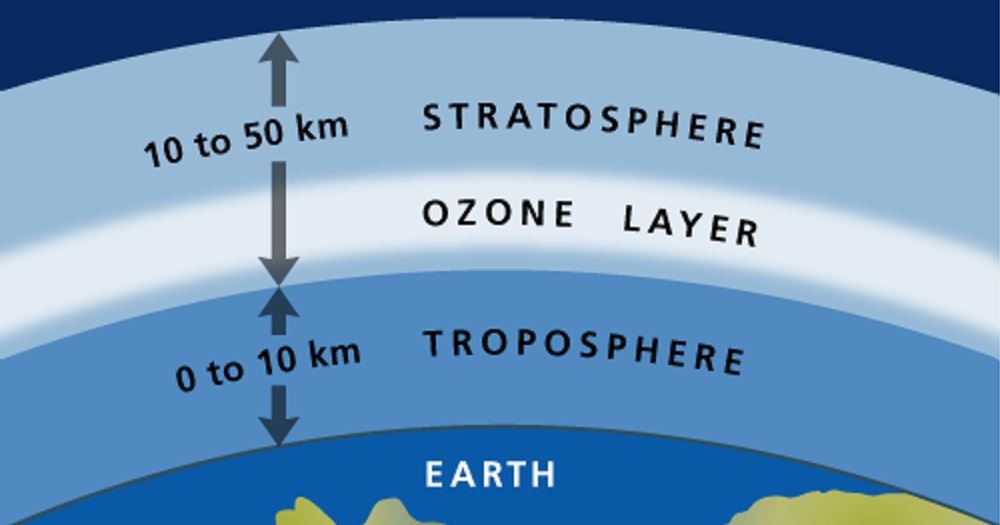
The function of the ozone layer is to _________________________.
a)
allow UV rays to get to Earth
b)
block UV rays from getting to Earth
c)
keep oxygen in
d)
allow meteors to get to Earth
33.
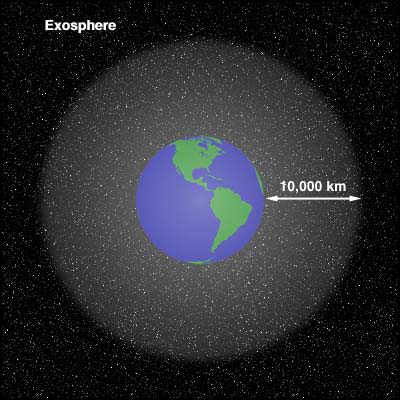
Which layer is the outermost layer?
a)
troposphere
b)
thermosphere
c)
exosphere
d)
mesosphere
34.
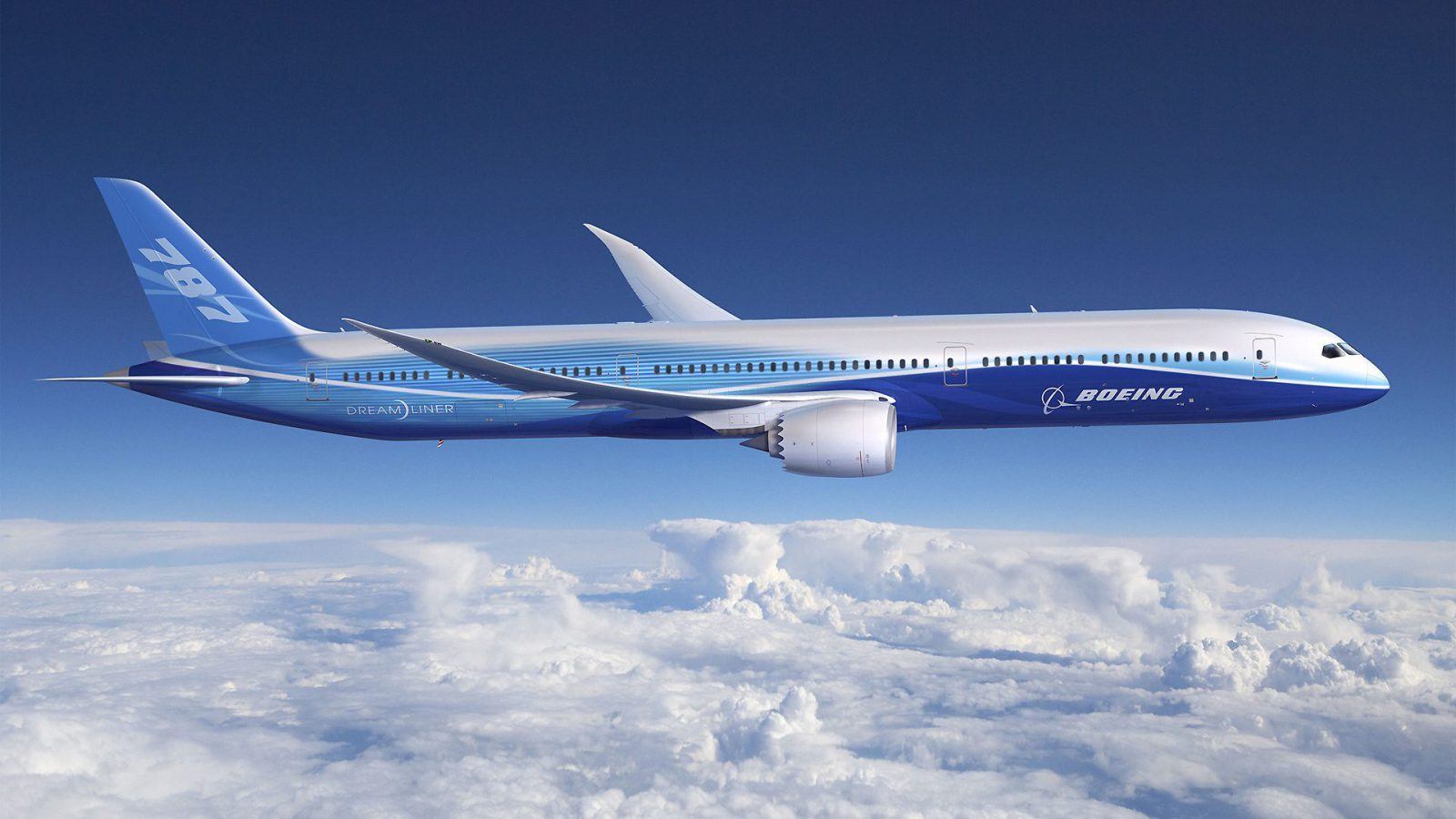
This is the layer where most commercial jet airliners fly.
a)
Troposphere
b)
Stratosphere
c)
Mesosphere
d)
Thermosphere
35.
What is the formula of water vapor?
a)
H20
b)
C03
c)
WV
d)
H2O
36.
What is the first layer of the Atmosphere? (lowest)
a)
Troposphere
b)
Thermosphere
c)
Stratosphere
d)
None of these
37.

What type of heat transfer is shown in the picture?
a)
convection
b)
radiation
c)
conduction
d)
infrared
38.
What is the percentage of nitrogen in Earth's atmosphere?
a)
1%
b)
21%
c)
78%
d)
90%
39.
What is the percentage of oxygen in Earth's atmosphere?
a)
1%
b)
21%
c)
78%
d)
90%
40.
What percentage of our atmosphere is made up of other gases such as argon, water vapor, and carbon dioxide?
a)
1%
b)
21%
c)
78%
d)
90%
41.
What protects us from dangerous ultraviolet radiation from the sun?
a)
Ozone
b)
Mrs. Kirby
c)
Ms. Reyes
d)
Carbon Dioxide
42.
In which main layer of the atmosphere is the ozone located?
a)
Thermosphere
b)
Mesosphere
c)
Stratosphere
d)
Troposphere
43.
Which option sequences the atmosphere's layers in increasing order of atmospheric pressure?
a)
troposphere, stratosphere, mesosphere, thermosphere, exosphere
b)
troposphere, stratosphere, thermosphere, mesosphere, exosphere
c)
exosphere, mesosphere, thermosphere, stratosphere, troposphere
d)
exosphere, thermosphere, mesosphere, stratosphere, troposphere
44.
Which gas of the Earth's atmospshere is classified as a greenhouse gas?
a)
argon (Ar)
b)
carbon dioxide (C02)
c)
nitrogen (N2)
d)
oxygen (O2)
45.
How does the ozone layer help life on Earth?
a)
It produces oxygen for the atmosphere
b)
It protects Earth from meteors
It protects the Earth from meteors
It protects the Earth from meteors
c)
It absorbs damaging ultraviolet radiation from the Sun
d)
It reflects most of the Sun's radiation to keep the planet cool
46.

As altitude increases, what happens to air pressure?
a)
increases
b)
remains constant
c)
decreases
d)
stays the same
47.

Air is composed of 21% of this element.
a)
Carbon Dioxide
b)
Nitrogen
c)
Oxygen
d)
Water Vapor
48.

The _______ in the Stratosphere protects us from harmful UV rays.
a)
aurora
b)
clouds
c)
convection currents
d)
ozone layer
49.

What layer of the atmosphere is the aurora located?
a)
Exosphere
b)
Thermosphere
c)
Stratosphere
d)
Mesosphere
Reset

