
 Worksheets
Unit 1 Quiz (Matter, Density, & Changes)
Total questions: 35
Worksheet time: 20mins
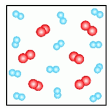


Which of the following is classified as a pure substance?
Lemonade
Fruit punch
ketchup
Hydrogen
Gold
Which of the following is NOT a mixture?
milk
lemonade
vegetable salad
carbon

Identify the substance in box D.
element
compound
mixture

Identify the substance in box Y.
element
compound
mixture
When a dense object is placed in a graduated cylinder and the water rises, it rises because of
added volume
object is floating
it wants to
If a a liquid has a density of 3 g/mL and a mass of 9 g. What is the volume? Use the density triangle to solve the problem

18 mL
3 mL
12 mL
If an object is denser than the liquid it is placed in, it will ___
float
sink
stay in the middle
A group of students measured the density of a copper cube to be 8.44 g/mL. When they looked at the density table for copper it read 8.94 g/mL. Use the formula to calculate the groups % error.

4.47% error
25% error
10% error

Which of the following pictures is used to measure volume?


Density is an intensive property because ___
It doesn't depend on amount of a substance
It depends on amount
it changes all the time for an object
Examine the image, The objects displaced the water in the graduated cylinder. The volume of water is 4mL. what is the volume of the red objects?

2 mL
6 mL
4 mL


Toothpaste is a ________
solution
suspension
colloid
A characteristic of a material you can observe.
Matter
Physical Property
Magnetic
Mass
Relative Density
Physical Properties ... ( Check all the correct answers.)
can be seen and observed.
can be measured.
can be used to descibe a substance.
do not change the
substance's identity.

Maggie recorded her observations of the baking soda used in lab today. Which observation indicated a chemical property of the baking soda?
odor
color
texture
bubbles
Choose the one that is a chemical property
Magnetism
Size
Color
Reactivity with water
Which of the following is an example of a chemical change?
Salt dissolving in water
Water boiling into steam
A nail rusting
Ice melting
What happens to a substance during a physical change?
The substance changes into a different substance with different properties.
The substance changes its shape or state but remains the same substance.
The substance loses all its properties.
The substance becomes a mixture of two different substances.


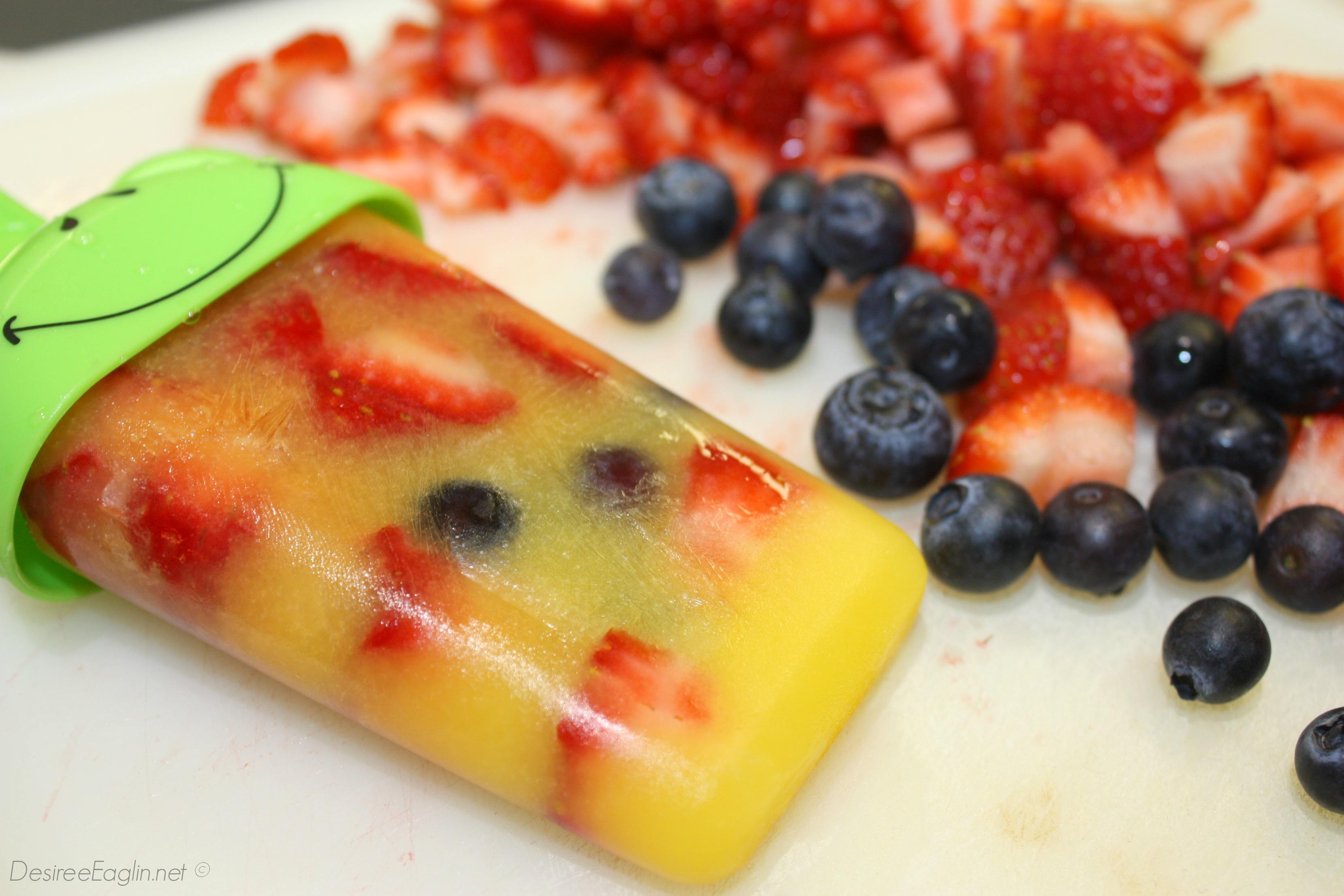
Which of the following are examples of a Chemical Change?
Iron Rusting
Gas Burning
Breaking a glass
Boiling water
Burning Wood
What is a chemical change?
Forming a new substance
When two or more substances combine to make a greater one
When two or more substances combine to make a new chemical substance
Combing substances

B)not able to be broken down into parts

