Wayground logo

Free Printable Worksheets

Font size

S
M
L
XL
Worksheets

Scientific Method

Total questions: 51

Worksheet time: 1hrs 9mins

Name
Class
Date
1.
A possible explanation to a problem that has not yet been tested. 
a)
data
b)
theory
c)
hypothesis
d)
fact
2.
This variable in an experiment is the one being deliberately changed by the scientist. 
a)
dependent variable
b)
independent variable
c)
data
d)
control group
3.
Should experiments be repeated over and over to see if the results are the same each time?
a)
yes
b)
no
4.
The summary at the end of an experiment that explains the results. 
a)
conclusion
b)
procedures
c)
materials
d)
responding variable
5.

A series of steps used by scientists to solve a problem or answer a question.

a)

scientific method

b)

recipe

c)

data collection

d)

metric system

6.
A list of the steps anyone could follow to conduct an experiment. 
a)
obervations
b)
question/problem
c)
materials
d)
procedures
7.

Ms. Killian sets up an experiment to see how the mass of a ball affects the distance it rolls off a ramp. Identify the independent variable.

a)

distance traveled by the ball

b)

height of the ramp

c)

mass of the ball

d)

weight of the ball

8.

Lara sets up an experiment to see how the mass of a ball affects the distance it rolls off a ramp. Identify the dependent variable.

a)

height of the ramp

b)

distance traveled by the ball

c)

mass of the ball

d)

weight of the ball

9.

Nico is planning an experiment to find out how the height from which he drops a ball affects how high the ball bounces. The dependent variable is the _____.

a)

Diameter of the ball

b)

Force acting on the ball

c)

Height that the ball bounces

d)

Height from which the ball is dropped

10.

When experimenting with the growth of a plant, Paul uses three (of the same type of) plants, two different fertilizers, equal light, and equal water. What type of variable is the fertilizer?

a)

Dependent

b)

Independent

c)

Control

d)

Compound

11.
An experiment is performed on plants to see how different liquids affect plant growth. Each plant in the experiment is given a different liquid; water, apple juice, or milk. Each plant has the same amount of soil, sunlight, and listens to the same music. In this investigation, what is the dependent variable?
a)
Type of plant
b)
Water, apple juice, milk
c)
Plant growth
d)
Color of the plant's leaves
12.
If I study for my scientific method quiz, then I will have a better test score. What is the dependent variable?
a)
Scientific Method
b)
Studying
c)
Independent variable
d)
Test score
13.
What step does every scientific experiment begin with?
a)
hypothesis
b)
question/problem
c)
procedures
d)
conclusion
14.
This part of the experiment serves as a basis of comparison; the one variable being tested has been omitted. 
a)
experimental group
b)
control group
c)
data
d)
variables
15.
Which of these contains steps in the right order?
a)
Ask a question, state your hypothesis, research, experiment, analyze, make a conclusion
b)
State your hypothesis, ask a question, research, experiment, analyze, make a conclusion
c)
Ask a question, research, state your hypothesis, experiment, analyze, make a conclusion
d)
State your hypothesis, ask a question, research, make a conclusion, experiment, analyze
16.
Why do we want to test only one independent variable at a time?
a)
Because it is hard to setup a data table with more than one variable
b)
To better identify what is causing the changes
c)
It is what has always been done
d)
It's easier to perform the experiment
17.
This part of the experiment serves as a basis of comparison; the one variable being tested has been omitted. 
a)
experimental group
b)
control group
c)
data
d)
variables
18.

On a graph, where is the dependent variable typically placed?

a)

X axis

b)

Y axis

c)

Both

d)

Neither

19.
Which line of the graph is the X axis on?
a)
Vertical line 
b)
Horizontal line
20.
On the graph, what line is the Y axis on?
a)
Vertical line
b)
Horizontal line
21.
Which part of a graph should describe the relationship between the independent and dependent variables?
a)
The Y axis
b)
The X axis
c)
The legend
d)
The title
22.
What type of graph is used the show how change occurs over a continuous variable?
a)
Bar
b)
Line
c)
Pie
23.

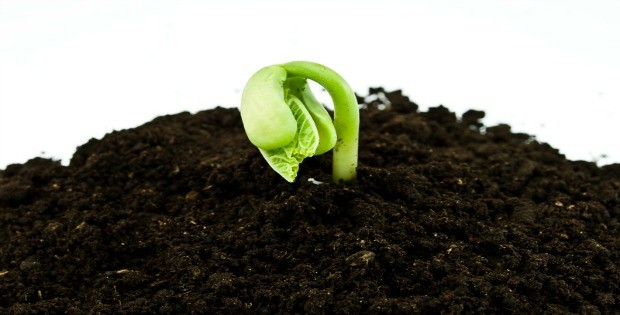
What step is this? --> Stephen predicted that seeds would start to grow faster if an electric current traveled through the soil in which they were planted.
a)
recognize a problem
b)
test the hypothesis with an experiment
c)
form a hypothesis
d)
draw conclusions  
24.

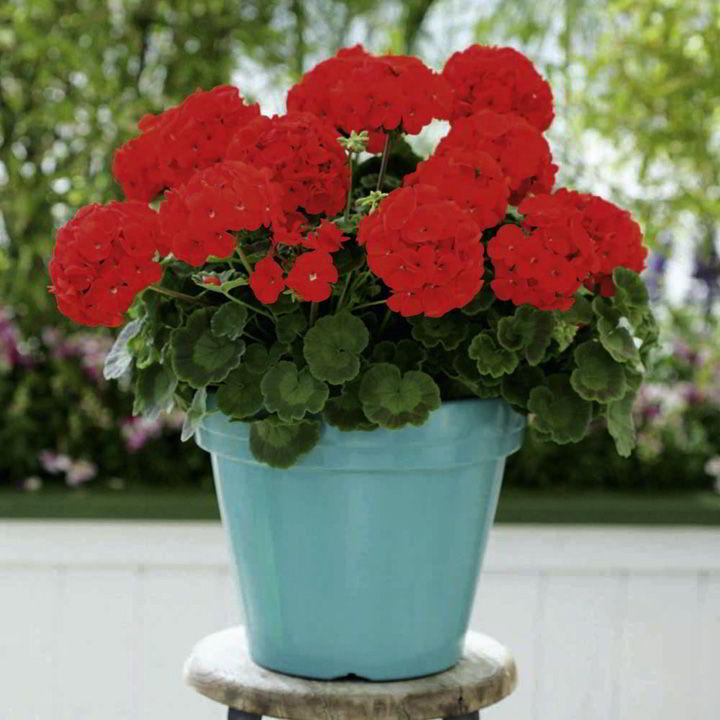
What step is this? --> Susan said, “If I fertilize my geranium plants, they will blossom.”
a)
recognize a problem
b)
test the hypothesis with an experiment
c)
form a hypothesis   
d)
draw conclusions
25.

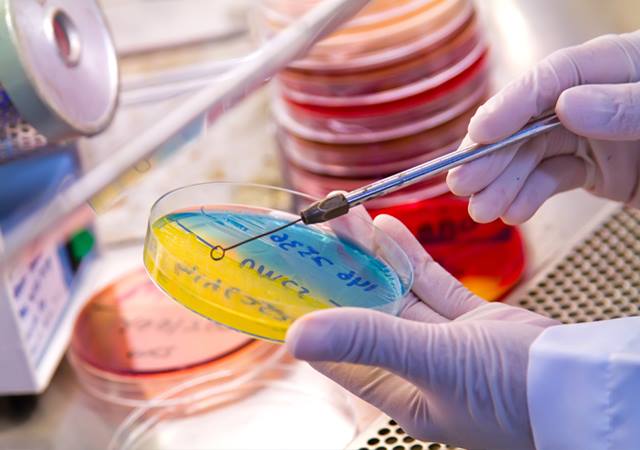
What step is this? --> Rene grew bacteria from the mouth on special plates in the laboratory.  She placed drops of different mouthwashes on bacteria on each plate.
a)
recognize a problem
b)
test the hypothesis with an experiment
c)
form a hypothesis   
d)
draw conclusions
26.

What step is this? --> Kathy used a survey to determine how many of her classmates were left-handed and how many were right-handed.
a)
recognize a problem
b)
test the hypothesis with an experiment
c)
form a hypothesis
d)
draw conclusions
27.

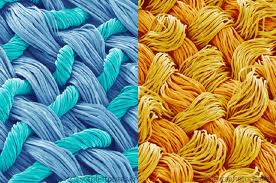
What step is this? --> Dana want to know how different are synthetic fibers from natural fibers.
a)
recognize a problem
b)
test the hypothesis with an experiment
c)
form a hypothesis
d)
draw conclusions
28.

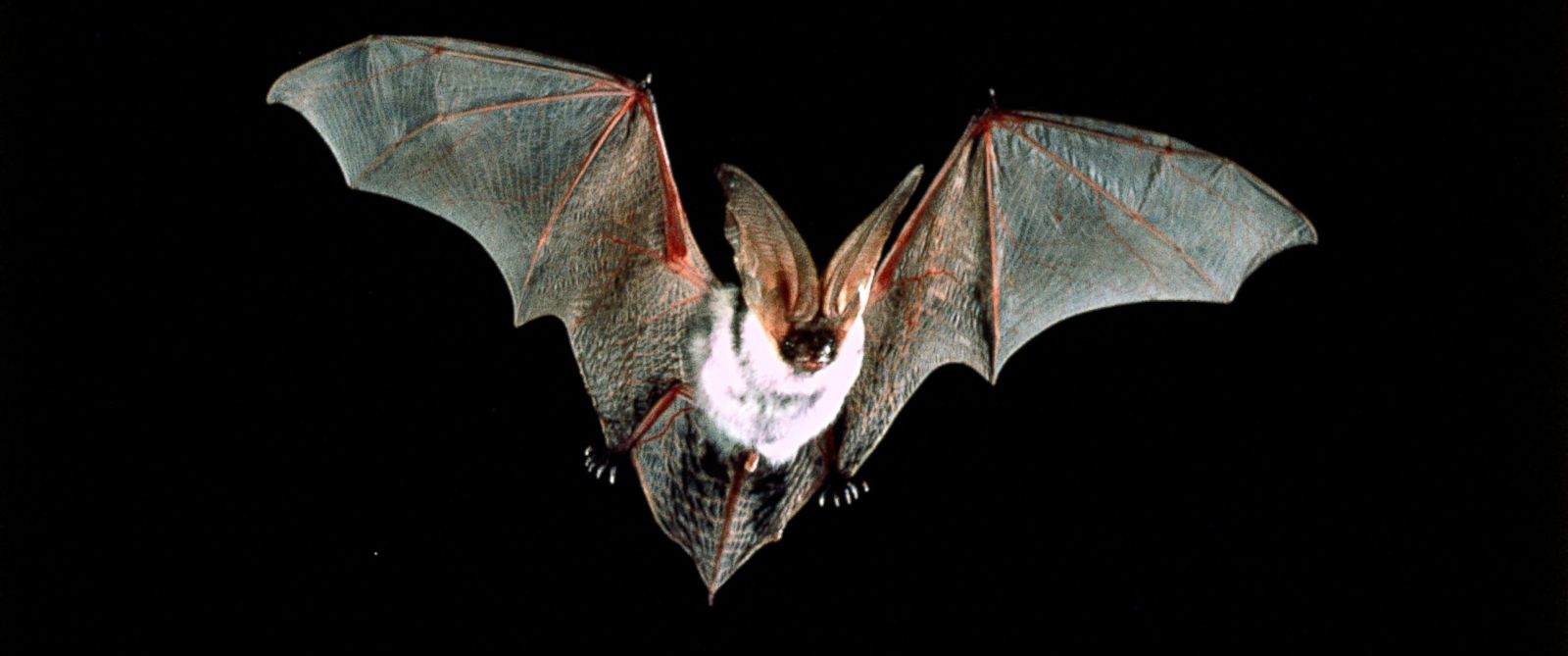
What step is this? --> Jose saw bats catching insects after dark.  He asked, “How do bats find insects in the dark?”
a)
recognize a problem
b)
test the hypothesis with an experiment
c)
form a hypothesis
d)
draw conclusions
29.

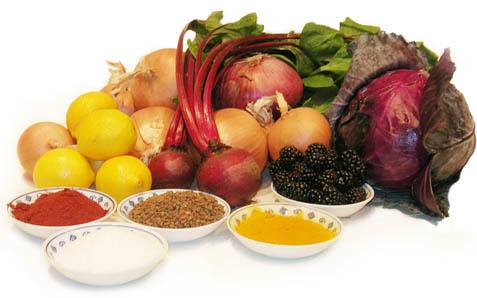
What step is this? --> Justin wondered if dyes could be taken out of plant leaves, flowers, and stems.
a)
recognize a problem
b)
test the hypothesis with an experiment
c)
form a hypothesis
d)
draw conclusions
30.

What step is this? --> Arjulia soaked six different kinds of seeds in water for 24 hours.  Then she planted the seeds in soil at a depth of 1 cm.  She used the same amount of water, light, and heat for each kind of seed.
a)
recognize a problem
b)
test the hypothesis with an experiment
c)
form a hypothesis
d)
draw conclusions
31.

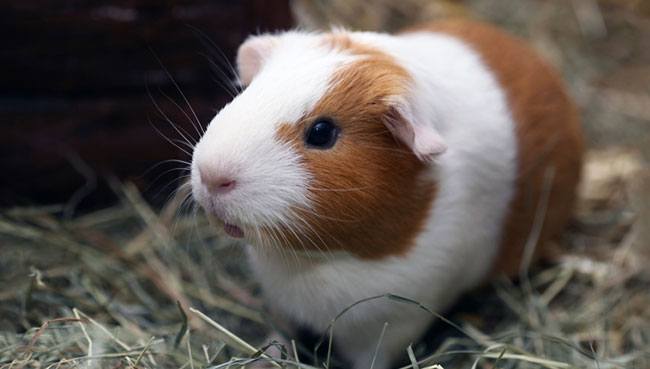
What step is this? --> Michael fed different diets to three groups of guinea pigs.  His experiment showed that guinea pigs need vitamin C and protein in their diets.
a)
recognize a problem
b)
test the hypothesis with an experiment
c)
form a hypothesis
d)
draw conclusions
32.

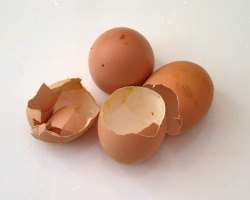
What step is this? --> Kim’s experiment showed that chicken egg shells were stronger when she gave the hen feed to which extra calcium had been added.

a)
recognize a problem
b)
test the hypothesis with an experiment
c)
form a hypothesis
d)
draw conclusions
33.

Which of these tools is used for measuring weight/mass?

a)

Digital Scale

b)

Graduated Cylinder

c)

Beaker

d)

Petri Dish

34.

Which of these tools is used to measure the temperature of liquids and gases?

a)

Digital Scale

b)

Test Tube

c)

Thermometer

d)

Beaker

35.

What is the main unit used when measuring mass?

a)

Grams/Kilograms

b)

Pounds

c)

Ounces

d)

Liters/Milliliters

36.

What is the metric unit for measuring distance?

a)

Meters

b)

Liters

c)

Grams

d)

Feet

37.

The abbreviation for ______________________ is cm.

a)

Centimeter

b)

Millimeter

c)

Chemistrymeter

d)

Coconutmango

38.

________________________ observations involve information that you can count or measure.

a)

Quantitative

b)

Qualitative

c)

Theoretical

d)

Scientific

39.

________________________ observations involve qualities or characteristics that can be observed with the senses, but not measured or counted.

a)

Qualitative

b)

Quantitative

c)

Theoretical

d)

Scientific

40.

Which of the following distances is largest?

a)

10 m

b)

10 cm

c)

10 mm

d)

10 dm

41.

What is the length of the shell in millimeters?

a)

3.5 cm

b)

2.9 cm

c)

3.0 cm

d)

3.2 cm

42.

What is the difference in centimeter between the lengths of the two leaves?

a)

0.5 cm

b)

1.0 cm

c)

1.5 cm

d)

2.0 cm

43.

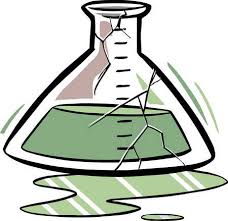
Approved eye protection devices (such as goggles) are worn in the laboratory...
a)
 to avoid eye strain
b)
to improve your vision
c)
only if you don’t have corrective glasses
d)
 any time chemicals, heat or glassware are used
44.
If you break glassware in the lab, you should...
a)
Tell the teacher
b)
Clean it up quickly before the teacher notices
c)
Scream at the top of your lungs
45.

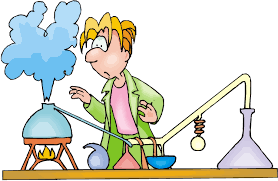
You are heating a substance in a test tube. Always point the open end of the tube ,,,
a)
away from all people
b)
toward another classmate
c)
toward your lab partner
d)
toward yourself
46.
If you are not sure what to do during a lab activity:
a)
guess
b)
change lab partners
c)
ask a teacher
d)
just sit quietly and do nothing
47.
When is it OK to eat or drink in the lab?
a)
Always
b)
Never
48.

Where should bags/backpacks be placed during a lab?

a)

in the aisle

b)

out of the way

c)

right beside your experiment

49.

If there is an accident in the lab what should you do?

a)

call 911

b)

tell the teacher

c)

tell your lab partner

d)

tell the janitor

50.

Who is responsible for lab safety?

a)

the principal

b)

everyone

c)

only the students

d)

only the teacher

51.

You should follow all the lab safety rules while in the lab.

a)

True

b)

False