
 Worksheets
Biochem Mini-test Retake
Total questions: 20
Worksheet time: 14mins
Name
Class
Date
1.
Which of the following elements must be present in any organic compound?
a)
Carbon
b)
Oxygen
c)
Potassium
d)
Hydrogen
2.
Cellulose is a type of ____________
a)
carbohydrate
b)
nucleic acid
c)
lipid
d)
protein
3.
When electrons are shared between two atoms, the bond formed is
a)
ionic
b)
covalent
c)
hydrogen
d)
peptide
4.

The monomer, building block, of carbohydrates; simple sugar
a)
Amino acid
b)
Fatty Acid
c)
Nucleotide
d)
Monosaccharide
5.
What type of bond connects carbons to each other and other elements? (The sharing of electrons)
a)
Ionic Bonding
b)
Covalent Bonding
c)
Monomer Bonding
d)
Nucleotide Bonding
6.
A large molecule made up of multiple monomers
a)
Polymer
b)
Polysaccharide
c)
Macromolecules
d)
Protein
7.
Which of the big 4 biomolecules is your body's main source of quick energy?
a)
Lipids
b)
Proteins
c)
Nucleic acids
d)
Carbohydrates
8.

The above diagram represents
a)
A monosaccharide
b)
A monomer of a carbohydrate
c)
A sugar
d)
All of the above
9.

The above diagram would have the molecular formula of:
a)
CH2OH
b)
C6H6O6
c)
C5H11O5
d)
C6H12O6
10.

The image is an example of a
a)
Lipid
b)
Polysaccaride
c)
Protein
d)
Lipid (polypeptide)
11.

How was the structure in the image built?
a)
By adding 1 H2O
b)
By adding 2 H2O
c)
By removing 1 H2O
d)
By removing 2 H2O
12.

The structure was formed by the reaction called
a)
Hydrolysis
b)
Dehydration synthesis
c)
Enzomatic
d)
Tetrotonic
13.
______ are examples of carbohydrates
a)
glucose & fructose
b)
guanine & cytosine
c)
glycine & glutamine
d)
samose & deanose
14.

The number of protons is the same as ..
a)
the number of neutrons
b)
the atomic number
c)
the atomic mass
15.
Ice floats on water because
a)
adhesion
b)
cohesion
c)
water expands when it freezes
d)
water shrinks when it freezes
16.
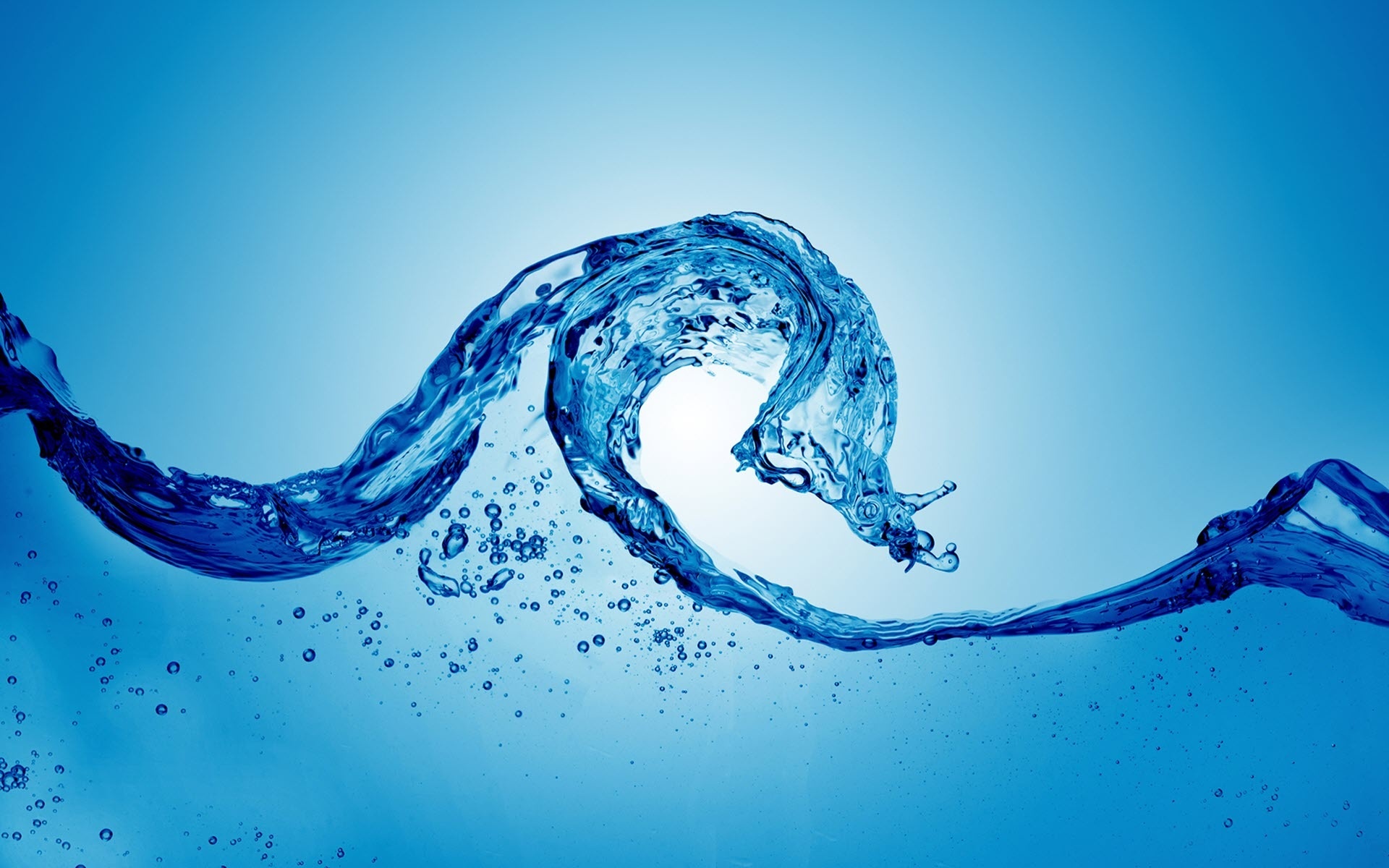
What two elements make up water?
a)
Helium and oxygen
b)
Hydrogen and oxygen
c)
helium and carbon
d)
oxygen and carbon
17.
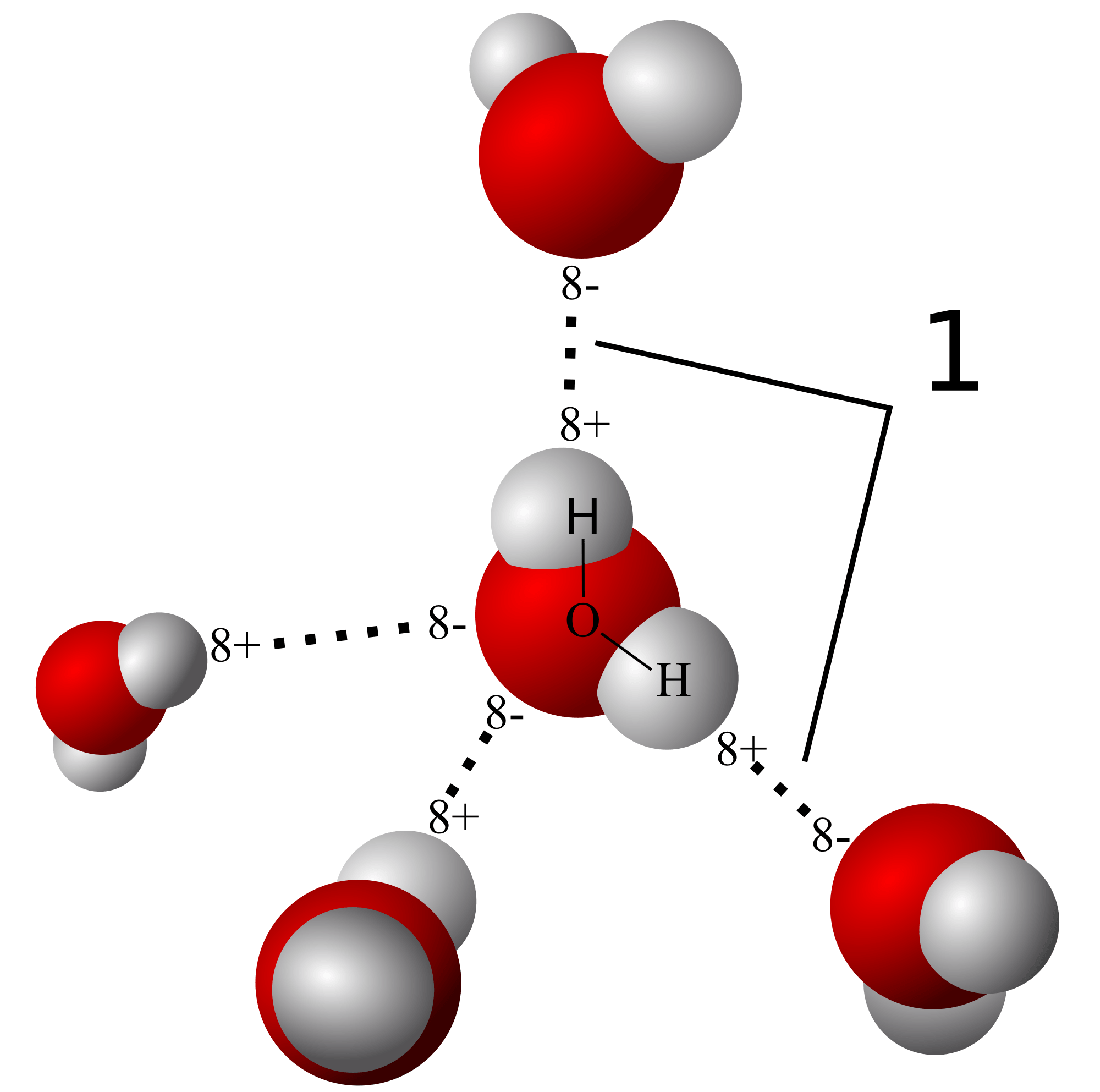
Attractions between water molecules are called
a)
Covalent bonds
b)
Ionic bonds
c)
Polar bonds
d)
Hydrogen bonds
18.
Water is polar because...
a)
The unequal sharing of electrons gives the water molecule a slight negative charge near its oxygen atom and a slight positive charge near its hydrogen atoms.
b)
The molecule has two poles, at which the it is colder than other regions of the molecule.
c)
The unequal sharing of electrons gives the water molecule a slight negative charge near its hydrogen atoms and a slight positive charge near its oxygen atom.
d)
The water molecule is neutral.
19.
If an atom has 5 protons and 4 electrons, what is its charge?
a)
Neutral
b)
Positive
c)
Negative
d)
Unknown
20.
Which of the following elements make up 96% of living matter?
a)
H, S, Mg, Zn
b)
C, H, O, N
c)
C, P, Si, K
d)
Ne, H, He, Na
100 %

