wayground logo

Free Printable Worksheets

NEW

Font size

S
M
L
XL
Worksheets

Ecosystems Unit Review

Total questions: 34

Worksheet time: 26mins

Name
Class
Date
1.
A __________ includes all living and non-living things in an environment. 
a)
population
b)
niche
c)
abitotic
d)
ecosystem
2.

_______ are consumers that eat only meat.

a)

Herbivore

b)

Omnivore

c)

Carnivore

d)

producer

3.

________ are consumers that eat plants and meat.

a)

Herbivore

b)

Omnivore

c)

Carnivore

d)

scavenger

4.
Which group do fungi, bacteria, and termites belong to?
a)
decomposers
b)
producers
c)
herbivores
d)
omnivores
5.
Which organism make their own food through the process of photosynthesis? 
a)
decomposer
b)
consumer
c)
herbivore
d)
producer 
6.

Which describes a decomposer?

a)

an organism that eats only plants

b)

an organism that makes its own food

c)

an organism that breaks down dead organisms

d)

an organism that receives energy from the sun

7.
What would most likely happen if an ecosystem no longer received sunlight?
a)
The number of herbivores would increase
b)
The number of plants would increase
c)
all organisms would adapt
d)
All living organisms would eventually die
8.
How do consumers get their energy? 
a)
laying in the sun
b)
eating other organisms 
c)
providing food for other organisms
d)
surviving in an ecosystem 
9.

All the members of one species that live within an area of an ecosystem is known as a ________.

a)

population

b)

community

c)

biome

d)

consumer

10.
Organisms that make up the living part of an ecosystem.
a)
abiotic
b)
biotic factors
c)
ecology
d)
ecosystems
11.
Nonliving things found in an ecosystem.
a)
factories
b)
factor trees
c)
biotic factors
d)
abiotic factors
12.

All of the populations that live in one area together create a(n)

a)

limiting factor

b)

population

c)

community

d)

abiotic factor

13.

Which is a biotic factor?

a)

sunlight

b)

air

c)

bacteria

d)

temperature

14.
Deserts, mountains, and rivers are all examples of ________.
a)
vacation spots
b)
tundra
c)
ecosystems
d)
wetlands
15.

Two or more food chains that overlap is called a ___________________________.

a)

community

b)

carnivore

c)

food web

d)

food chain

16.

The process that plants use to make food is called __________________________.

a)

extinction

b)

population

c)

cooking

d)

photosynthesis

17.

Which of these is a consumer?

a)

tree

b)

water

c)

frog

d)

flower

18.

Which of these is a predator?

a)

cow

b)

grass

c)

sun

d)

hawk

19.

Which of these is prey?

a)

mouse

b)

flower

c)

water

d)

hawk

20.
Which is a difference between abiotic and biotic factors? 
a)
Abiotic factors are plants and biotic factors are animals. 
b)
Biotic factors are plants and abiotic factors are animals.
c)
Abiotic factors are all living things and biotic factors are all nonliving things. 
d)
Abiotic factors are all nonliving things and biotic factors are all living things. 
21.
A zebra eats grass and then is eaten by a lion. Which is the predator in this situation?
a)
grass
b)
lion
c)
sun
d)
zebra
22.
In a food chain, foxes are consumers of rabbits and mice. If the mice population suddenly decreases, what will most likely happen to the number of foxes? 
a)
The number of foxes will increase because they will eat fewer rabbits.
b)
The number of foxes will stay the same because they will eat more rabbits. 
c)
The number of foxes will decrease because they will be eaten by the rabbits. 
d)
The number of foxes will decrease because they will only have one remaining food source. 
23.
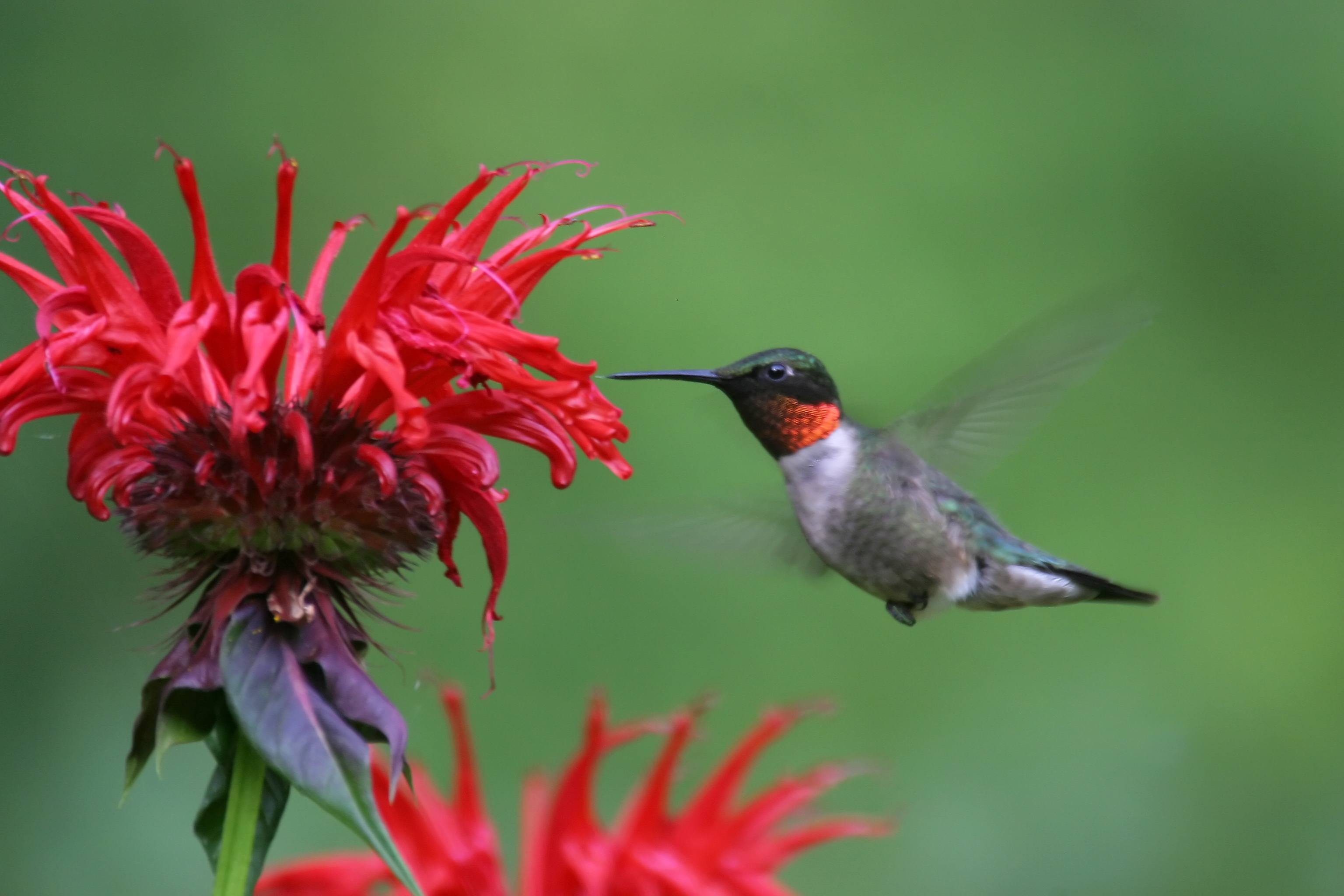
What type of symbiosis?  Hummingbirds feed on nectar from flowers.  The flowers are pollinated by hummingbirds as they move from flower to flower.
a)
commensalism
b)
mutualism
c)
parasitism
d)
predation
24.
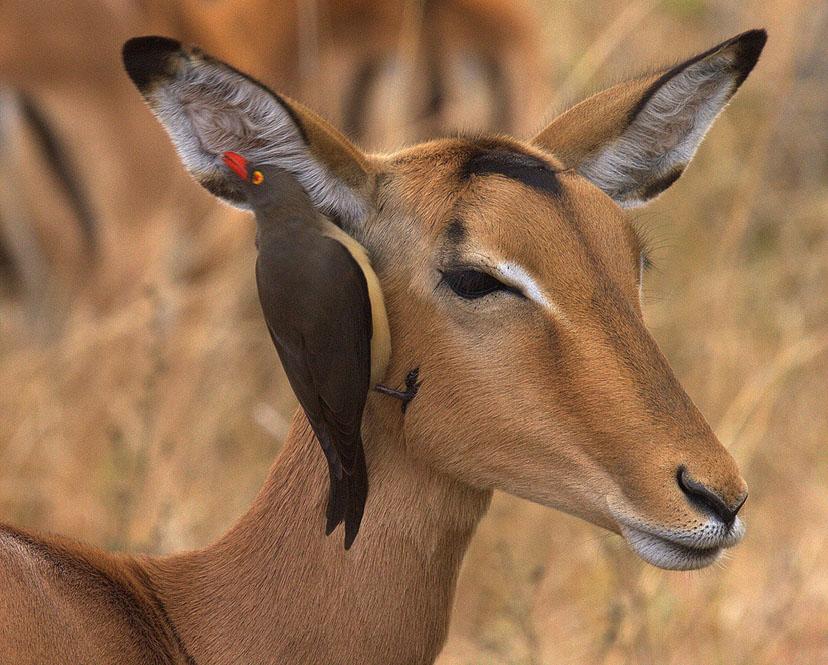
Red-billed oxpeckers are birds that often feed on parasites that infest impala.  This is an example of _______.
a)
commensalism
b)
mutualism
c)
neutralism
d)
competition
25.

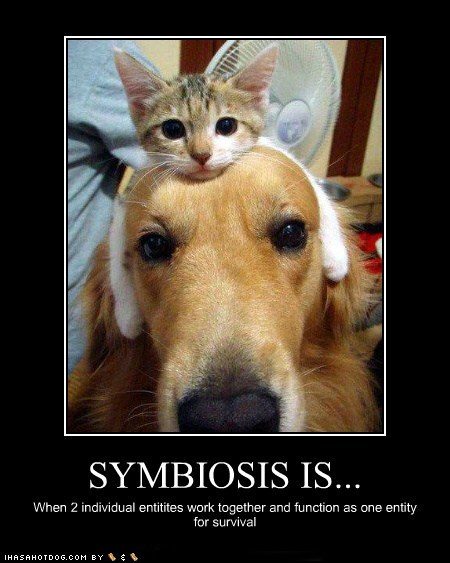
A relationship in which two species live closely together.

a)

resource

b)

mutualism

c)

succession

d)

symbiosis

26.
Barnacles create home sites by attaching themselves to whales. This neither harms nor benefits the whales.  What kind of relationship is this?
a)
Mutualism 
b)
Parasitism 
c)
Commensalism 
27.
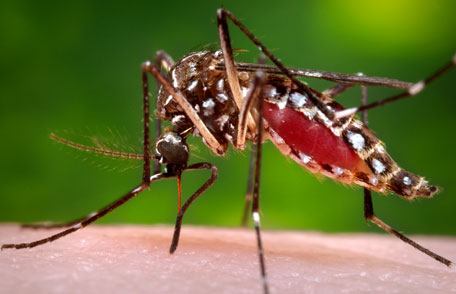
When a mosquito bites you, you are the __________ and the mosquito is the  ____________.
a)
host, hostess
b)
parasite, host
c)
host, parasite
d)
prey, predator
28.
a)
Parasitism
b)
Mutualism
c)
Commensalism
d)
Predation
29.

hot, humid forests with much rainfall

a)

grassland

b)

terrestrial ecosystems

c)

tropical rainforest

d)

biodiversity

30.

The forest biome in which many trees lose their leaves each year; it has four seasons.

a)

biodiversity

b)

canopy

c)

tundra

d)

deciduous forest

31.

The land on Earth is divided into six major large ecosystems called these...

a)

biomes

b)

tundra

c)

desert

d)

canopy

32.

A biome in which grasses are the main plant life.

a)

grassland

b)

desert

c)

biodiversity

d)

taiga

33.

A cool, mostly evergreen forest.

a)

deciduous forest

b)

grassland

c)

tropical rainforest

d)

taiga or coniferous forest

34.

This is the image of which grassland

a)

temperate

b)

tropical